
Adversa: Semantic Monitoring and the Unit Economics of Lifetime Deals
Adversa is a competitor intelligence tool that replaces traditional pixel-tracking with "semantic diffing" to identify meaningful changes in pricing and features. It launched on March 7, 2026, as a "S

The Pitch
Adversa is a competitor intelligence tool that replaces traditional pixel-tracking with "semantic diffing" to identify meaningful changes in pricing and features. It launched on March 7, 2026, as a "Show HN" project and aims to eliminate the notification fatigue caused by layout tweaks and footer updates (Source: HN).
Under the Hood
The tool operates by aggregating multiple related page updates into single, summarized alerts using semantic grouping (Source: adversa.io). Unlike legacy scrapers that trigger on any HTML change, Adversa is designed to detect shifts in product messaging and pricing structures (Source: aiproductivity.ai).
Current inference tasks are handled by high-tier models including Claude 4.5 Opus and GPT-5 (Source: UsedBy Dossier). This level of processing power allows for high-quality summaries, though it introduces a significant sustainability risk given the current pricing model. Adversa offers three lifetime tiers: Nano ($9), Micro ($59), and Macro ($179) (Source: adversa.io Pricing).
There is a distinct hallucination risk where the AI may misinterpret complex pricing tables or legal disclaimers (Source: aiproductivity.ai). Furthermore, the entry-level tiers are restricted to 5-10 URLs per competitor, which likely misses changes on deeper documentation pages (Source: aiproductivity.ai).
We don't know yet if the tool uses a proprietary fine-tuned model or functions as a direct wrapper for Claude 4.5 and GPT-5 (Source: UsedBy Dossier). Data retention policies and the professional background of the solo founder also remain unconfirmed (Source: UsedBy Dossier).
Marcus's Take
Adversa is a clever application of semantic analysis, but the business model is a house of cards. The unit economics of running Claude 4.5 Opus for summarization against a one-time $9 payment do not close; you are essentially betting that the founder can subsidize your API usage indefinitely. It is a useful tool for casual side-projects, but keep it out of your production intelligence stack until they pivot to a sustainable subscription.
Ship clean code,
Marcus.
Marcus Webb - Senior Backend Analyst at UsedBy.ai
Related Articles
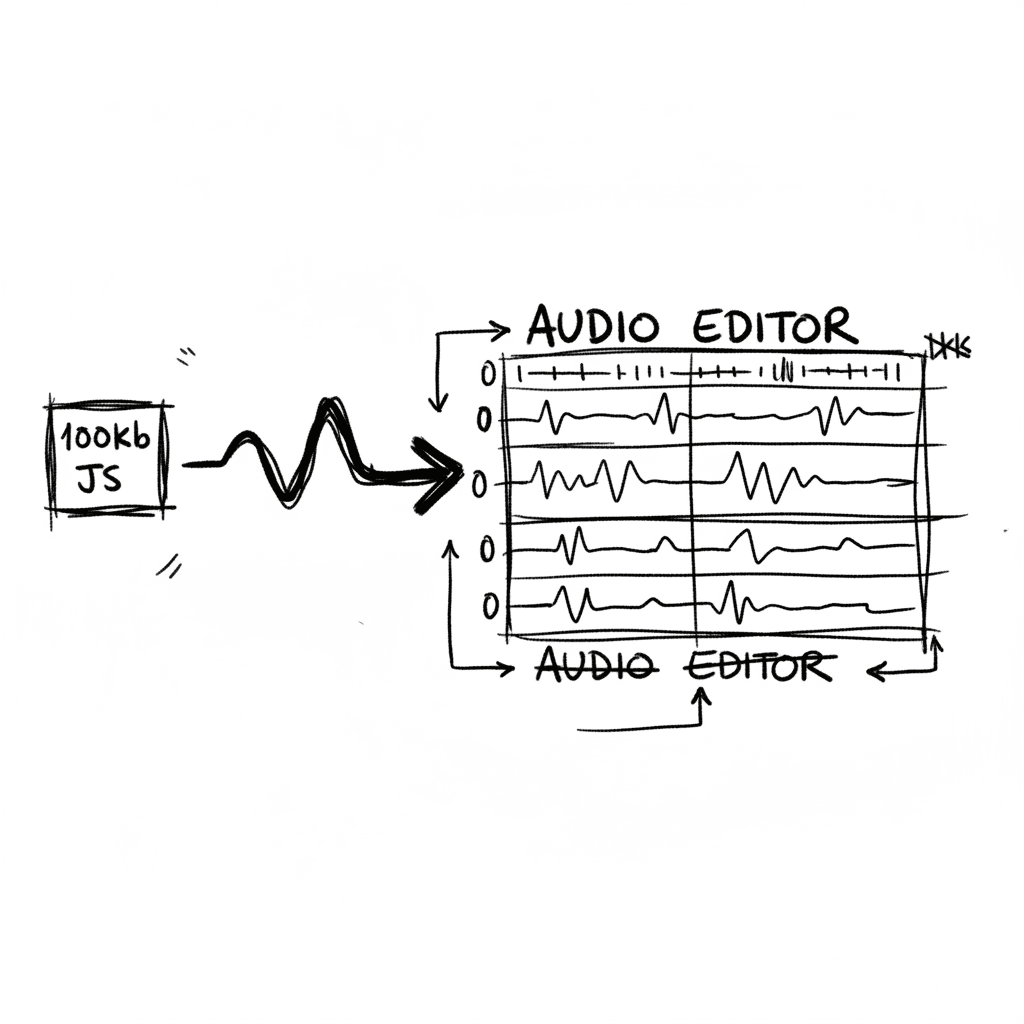
Audiomass: Multitrack Audio Editing via 100kb of Vanilla JavaScript
Audiomass is a browser-based, multitrack audio editor that operates entirely client-side with a remarkably small 100kb footprint (audiomass.co). It provides a workflow reminiscent of classic editors l
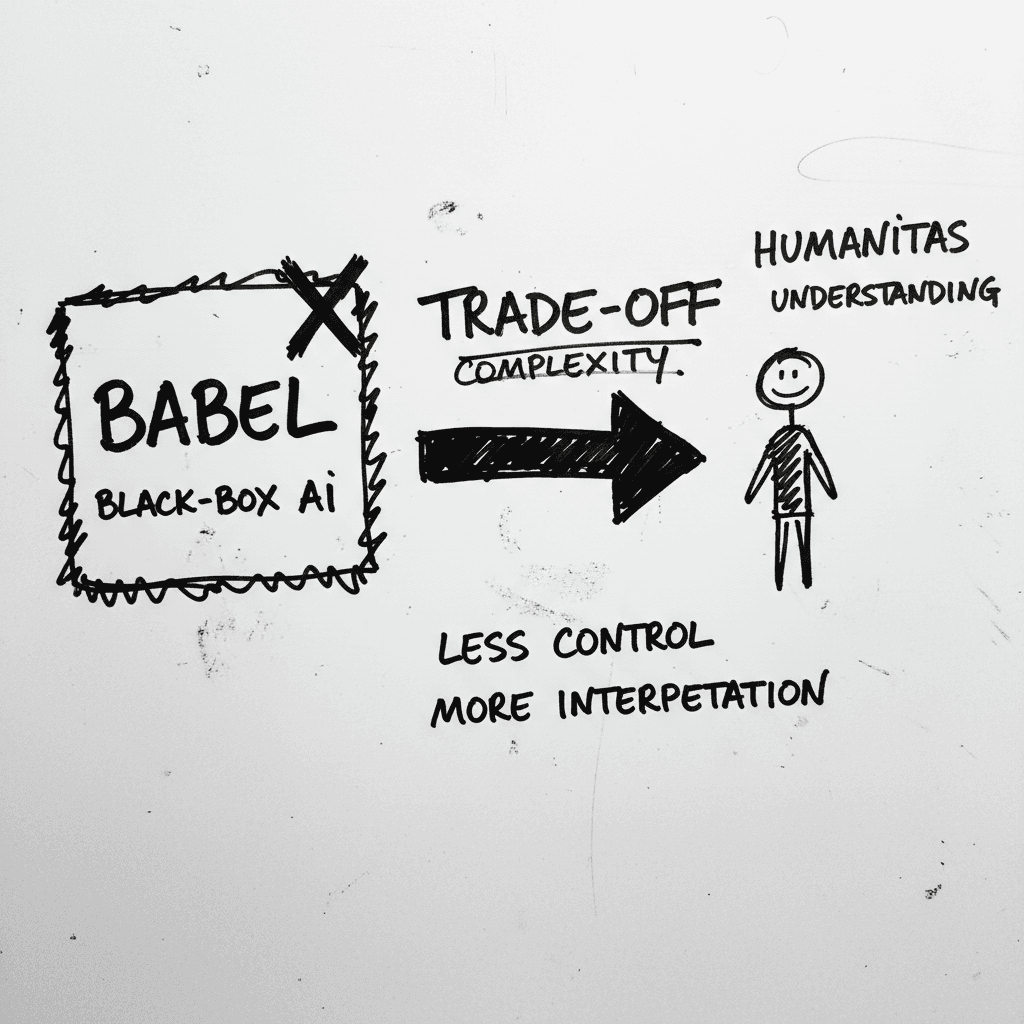
Magnifica Humanitas: The Vatican’s Framework for the GPT-5 Era
The document, signed May 15 and officially released today, was presented at the Vatican alongside Christopher Olah, co-founder of Anthropic and lead of its interpretability team (ncronline.org, Forbes
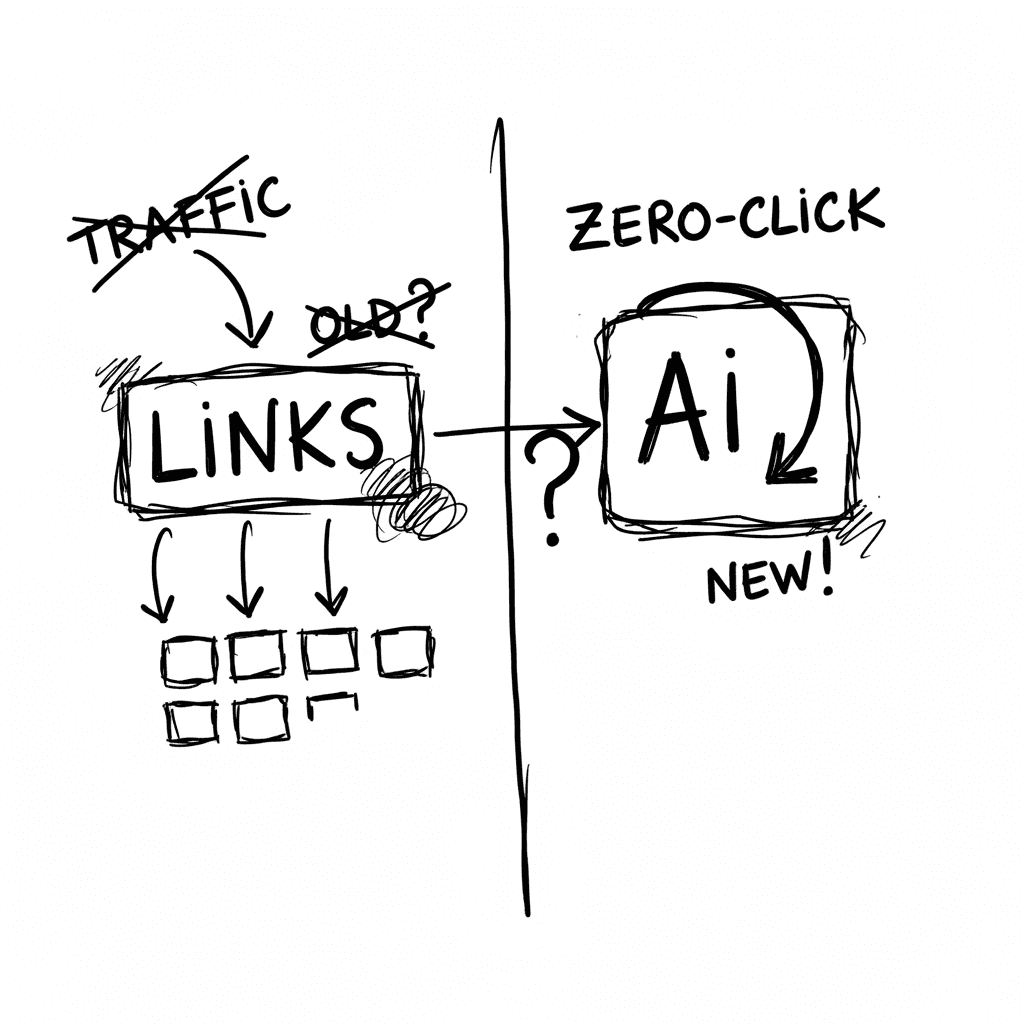
The Zero-Click Economy: Kagi Search vs. Google AI Mode
Google has effectively pivoted to an "answer engine" where Gemini 3.5 Flash provides conversational summaries, while Kagi remains the primary refuge for users seeking a human-centric, ad-free index. W
Stay Ahead of AI Adoption Trends
Get our latest reports and insights delivered to your inbox. No spam, just data.