
Apple Silicon DFU Recovery Protocols and Silent Failure Rates in macOS 16
Apple’s recovery documentation specifies a single port for DFU (Device Firmware Upgrade) mode to ensure reliable firmware transfers on M-series hardware. High-reputation developers are now reporting t

The Pitch
Apple’s recovery documentation specifies a single port for DFU (Device Firmware Upgrade) mode to ensure reliable firmware transfers on M-series hardware. High-reputation developers are now reporting that following these official paths leads to silent installation failures on external drives under macOS 16.x. (Source: lapcatsoftware.com). The mismatch between documented "DFU-capable" ports and actual "Boot-priority" ports is causing significant friction for IT admins in 2026.
Under the Hood
The core technical issue lies in how macOS 16.x handles the transition from firmware transfer to the external bootloader phase. While DFU is a standard USB protocol dating back to 2004, internal testing on M4 and M5 hardware shows inconsistency in how firmware updates address specific USB-C controllers during the initial boot sequence. (Source: HN Comment 1, HN Comment 4).
Current systems exhibit a behavior where the installation appears successful initially, only to perform a silent rollback after approximately 60 minutes. (Source: HN Comment 3). This failure occurs without surfacing actionable error codes or diagnostic logs, making it impossible to debug without specialized hardware monitoring tools. (Source: Technical Analysis). Jeff Johnson of Lapcat Software has highlighted that the official recovery path is currently unreliable for power users requiring external OS installations. (Source: lapcatsoftware.com).
We do not know yet if this failure is exclusive to M4 legacy hardware or if it persists on the late 2025 M5 Pro and Max models. (UsedBy Dossier). There is currently no official confirmation from Apple Engineering regarding controller mapping changes in the macOS 16.2 kernel. (UsedBy Dossier). Furthermore, a side-by-side benchmark of DFU success rates across all physical ports on the 2026 MacBook Pro line has not been made public. (UsedBy Dossier).
The primary risks for backend engineers and admins include:
* Silent failures leading to wasted hours during fleet provisioning. (Source: HN Comment 3).
* Ambiguity between ports designated for firmware and those capable of external NVMe boot. (Source: Technical Analysis).
* Soft-bricking risks that necessitate a second Mac for a full firmware revive. (Source: Apple Support Docs).
* Inconsistent controller priority across different physical Thunderbolt 5 ports. (Source: HN Comment 4).
Marcus's Take
The Apple Silicon recovery workflow is far too opaque for 2026 production standards. Relying on a process that fails silently after an hour is like trying to debug a race condition with stderr piped to /dev/null. Until Apple releases a firmware patch that exposes real-time logs during the DFU handshake, skip external OS provisioning for critical infrastructure. Stick to internal volume MDM deployments and treat the official recovery documentation as a polite suggestion rather than a technical manual.
Ship clean code,
Marcus.
Marcus Webb - Senior Backend Analyst at UsedBy.ai
Related Articles
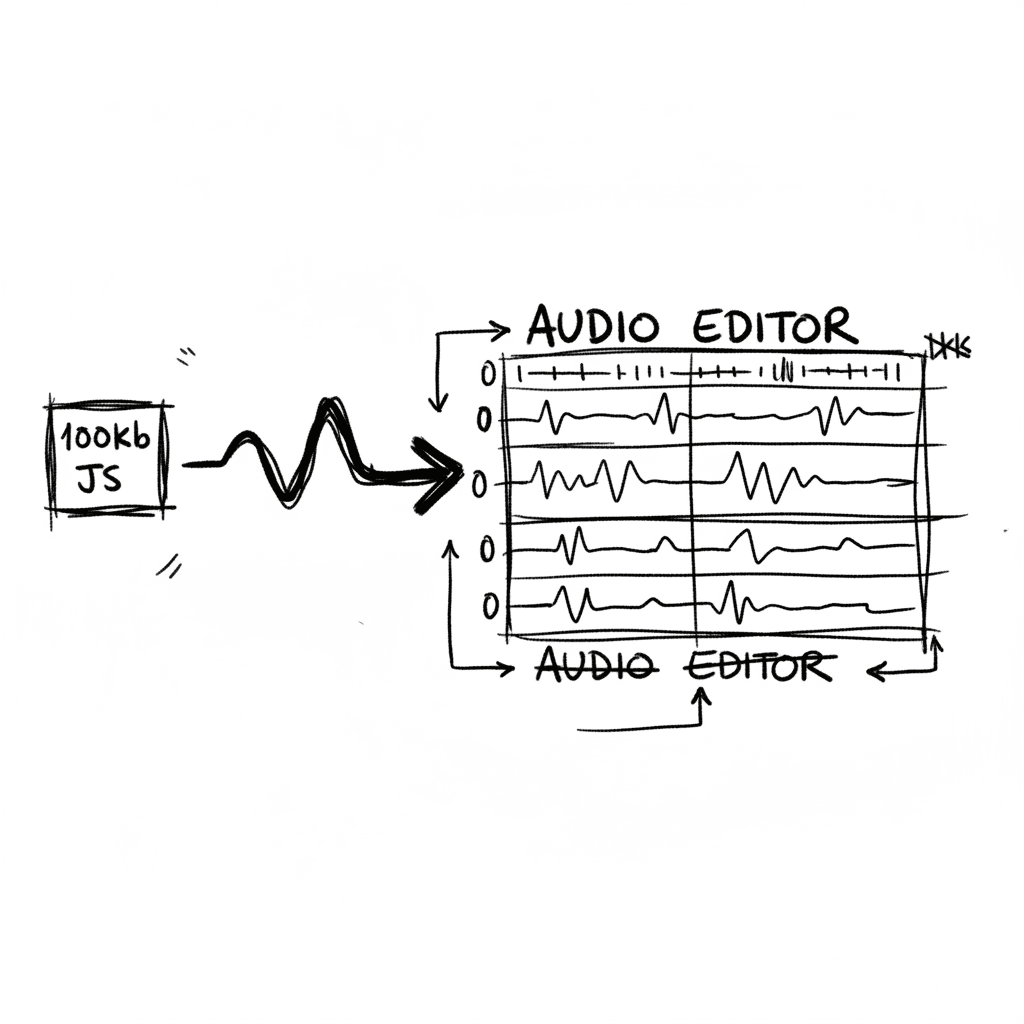
Audiomass: Multitrack Audio Editing via 100kb of Vanilla JavaScript
Audiomass is a browser-based, multitrack audio editor that operates entirely client-side with a remarkably small 100kb footprint (audiomass.co). It provides a workflow reminiscent of classic editors l
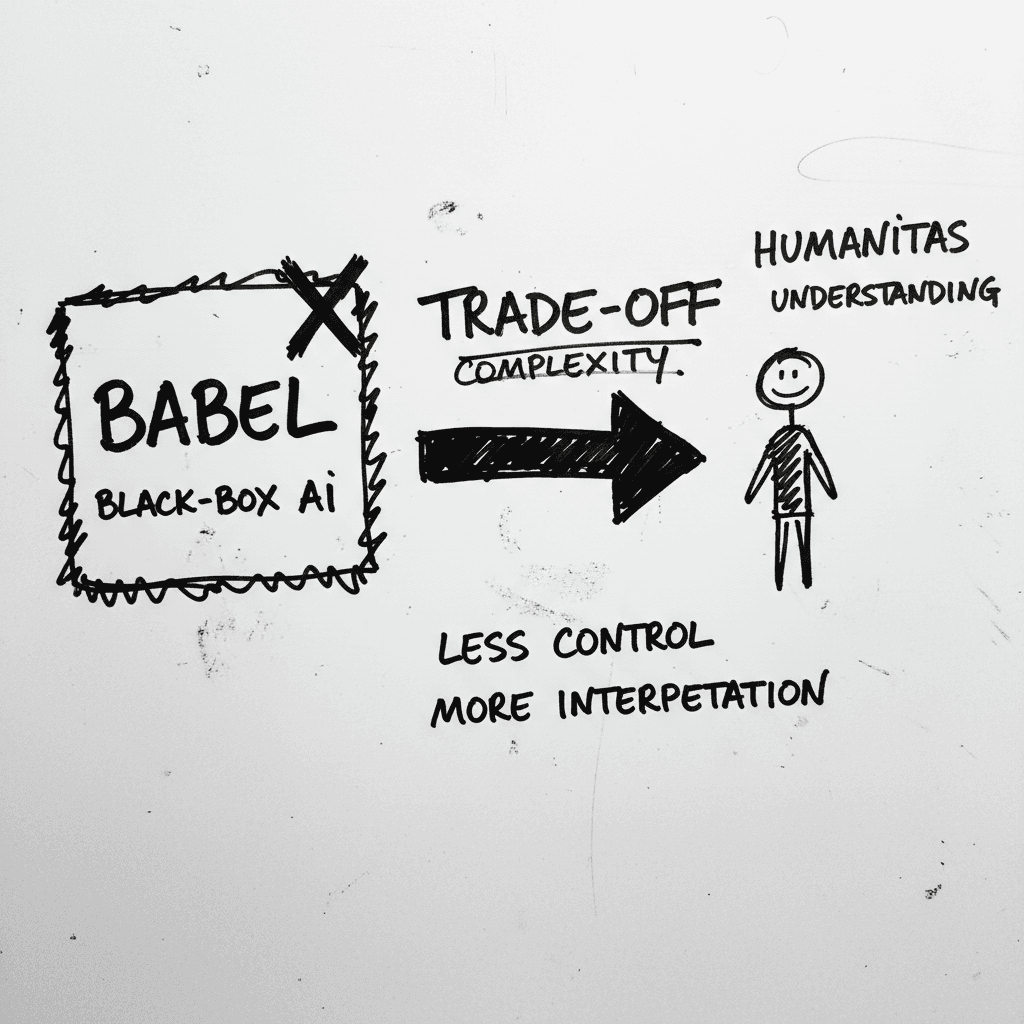
Magnifica Humanitas: The Vatican’s Framework for the GPT-5 Era
The document, signed May 15 and officially released today, was presented at the Vatican alongside Christopher Olah, co-founder of Anthropic and lead of its interpretability team (ncronline.org, Forbes
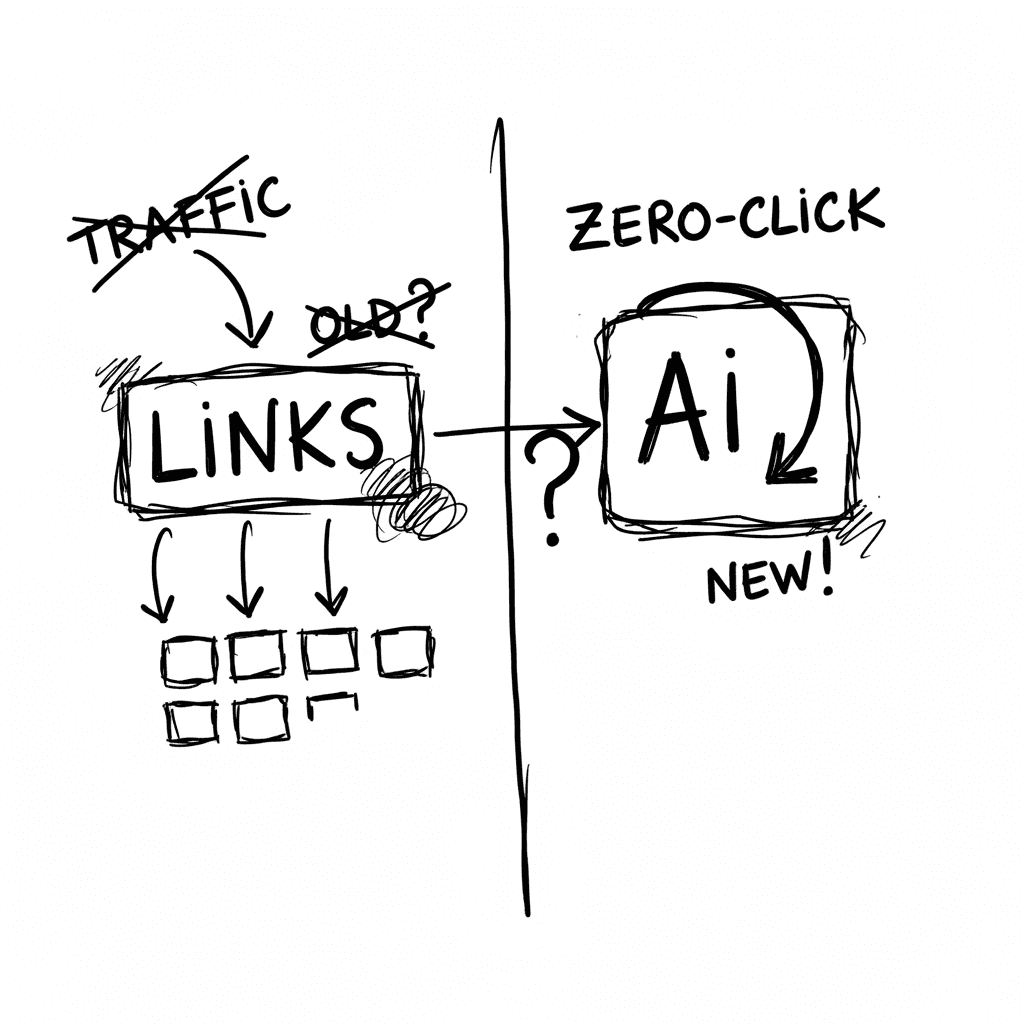
The Zero-Click Economy: Kagi Search vs. Google AI Mode
Google has effectively pivoted to an "answer engine" where Gemini 3.5 Flash provides conversational summaries, while Kagi remains the primary refuge for users seeking a human-centric, ad-free index. W
Stay Ahead of AI Adoption Trends
Get our latest reports and insights delivered to your inbox. No spam, just data.