
Azure Core Infrastructure: Technical Debt and Institutional Knowledge Decay
Microsoft Azure currently maintains its market position as the default enterprise host for GPT-5 and Gemini integrations, claiming to be the world’s most reliable "AI-first" cloud. However, technical

The Pitch
Microsoft Azure currently maintains its market position as the default enterprise host for GPT-5 and Gemini integrations, claiming to be the world’s most reliable "AI-first" cloud. However, technical circles are increasingly concerned with the platform's internal stability as reports of a frozen, unfixable codebase surface.
Under the Hood
Azure Core engineering has reached a point where leadership now prohibits fundamental code refactoring, such as the implementation of smart pointers, due to the extreme fragility of the environment (source: Justin Palmer, ex-Azure Core). This policy prioritizes short-term uptime over the remediation of systemic technical debt, effectively turning the core infrastructure into a "look-but-don't-touch" legacy system.
The structural integrity of the platform was further compromised by the 2025 layoffs, where engineers accounted for roughly 40% of terminations compared to less than 5% for management roles (source: James D. McCaffrey blog). This lopsided reduction has led to a catastrophic loss of institutional knowledge, leaving fewer staff capable of navigating the complex, buried configuration layers.
Current technical reviews highlight a significant degradation in the developer experience, particularly regarding the Portal UI and documentation (source: Gartner Peer Insights 2026). The rapid deployment of AI-written documentation has introduced "hallucinated" examples and outdated code snippets that fail in production, creating a secondary layer of friction for DevOps teams.
Resource management has also become opaque, with users reporting "hidden quotas" that do not appear in the Portal or CLI (source: /r/devops). These limits only surface as cryptic errors during deployment, suggesting that the underlying resource orchestration layers are no longer in sync with the user-facing APIs.
We don't know yet how the Microsoft Board intends to address the whistleblower's January 2025 letter, as it remains publicly unacknowledged. Furthermore, the specific financial scope of the "Vaporized Trillion" claim mentioned in internal circles—whether it refers to R&D waste or market opportunity cost—remains unverified.
Marcus's Take
Azure is currently a house of cards held together by marketing spend and management-heavy oversight. The refusal to refactor core components is a massive red flag for any backend engineer; if you can't fix the foundations without the whole building collapsing, the building is already dead. You might have to use it for your GPT-5 credits, but for any mission-critical infrastructure where you value your sleep, look elsewhere.
Ship clean code,
Marcus.
Marcus Webb - Senior Backend Analyst at UsedBy.ai
Related Articles
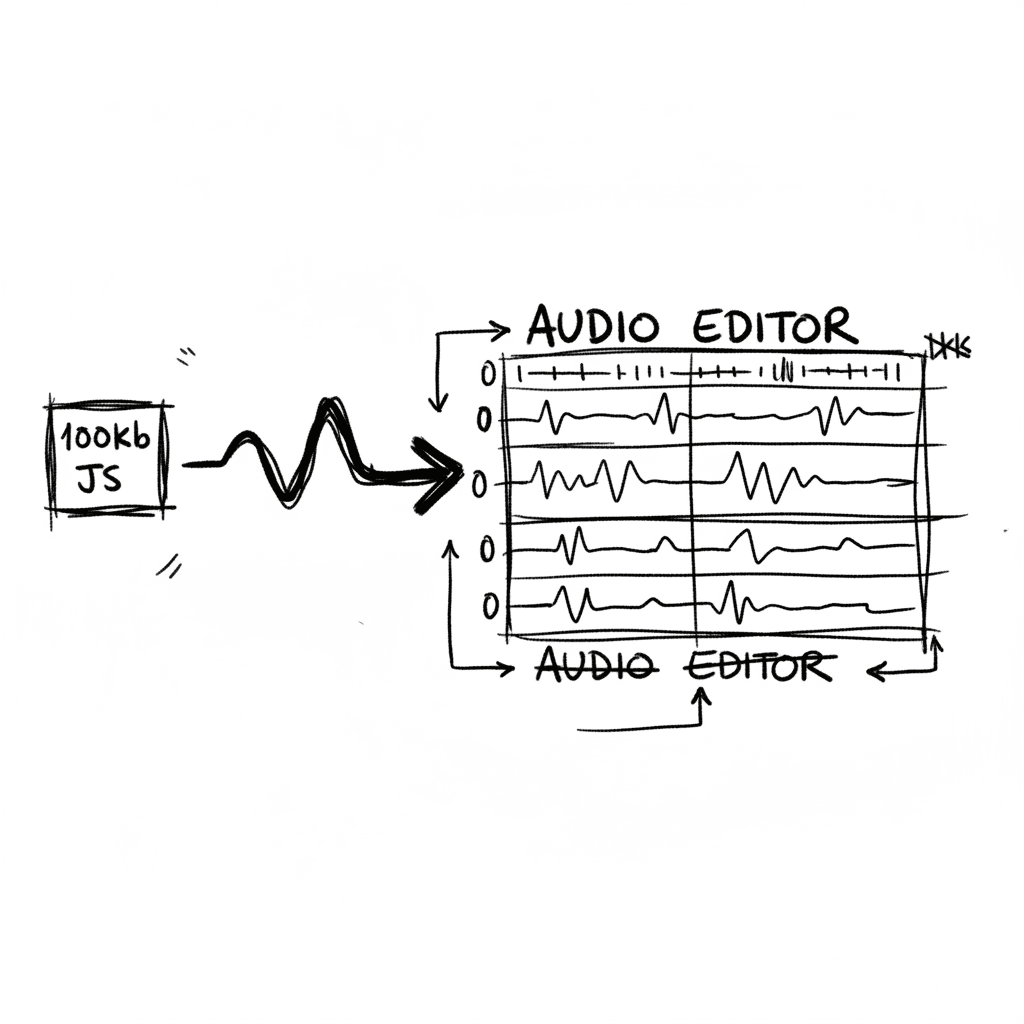
Audiomass: Multitrack Audio Editing via 100kb of Vanilla JavaScript
Audiomass is a browser-based, multitrack audio editor that operates entirely client-side with a remarkably small 100kb footprint (audiomass.co). It provides a workflow reminiscent of classic editors l
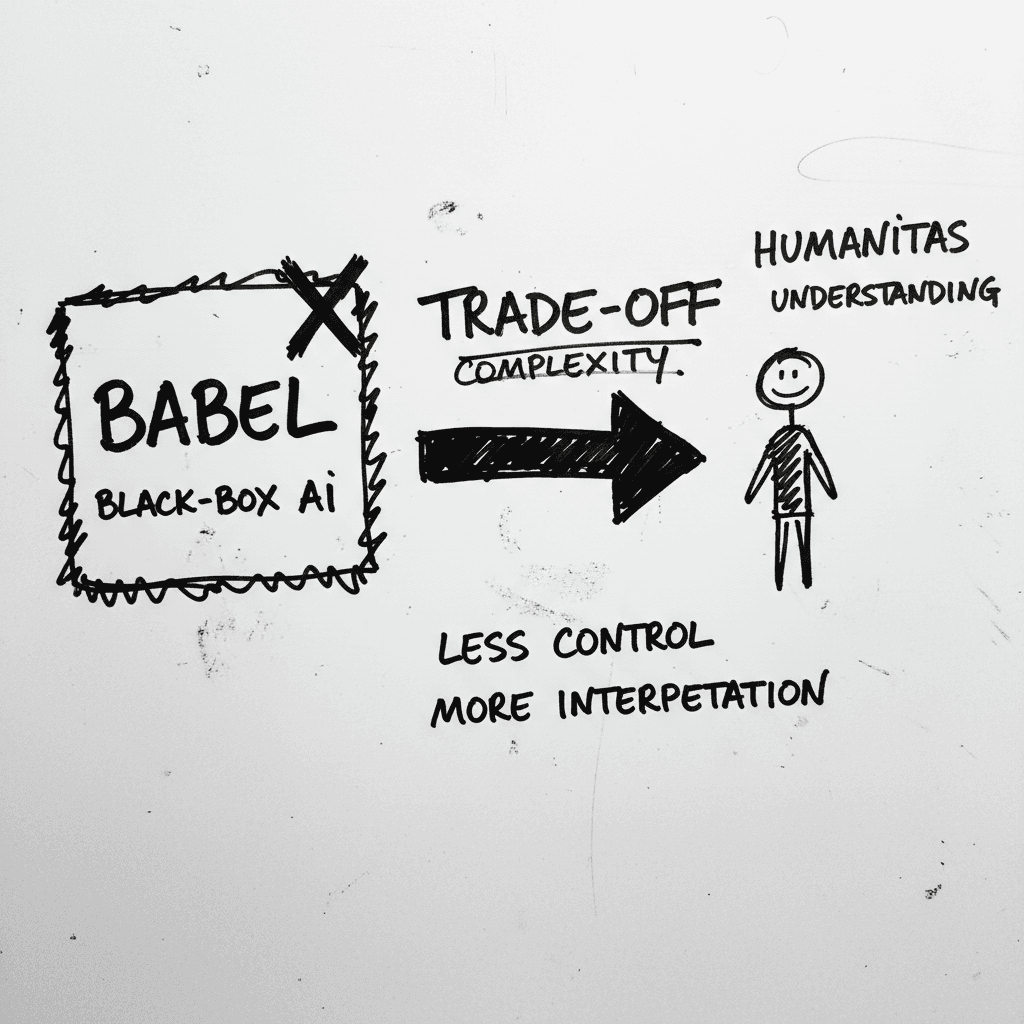
Magnifica Humanitas: The Vatican’s Framework for the GPT-5 Era
The document, signed May 15 and officially released today, was presented at the Vatican alongside Christopher Olah, co-founder of Anthropic and lead of its interpretability team (ncronline.org, Forbes
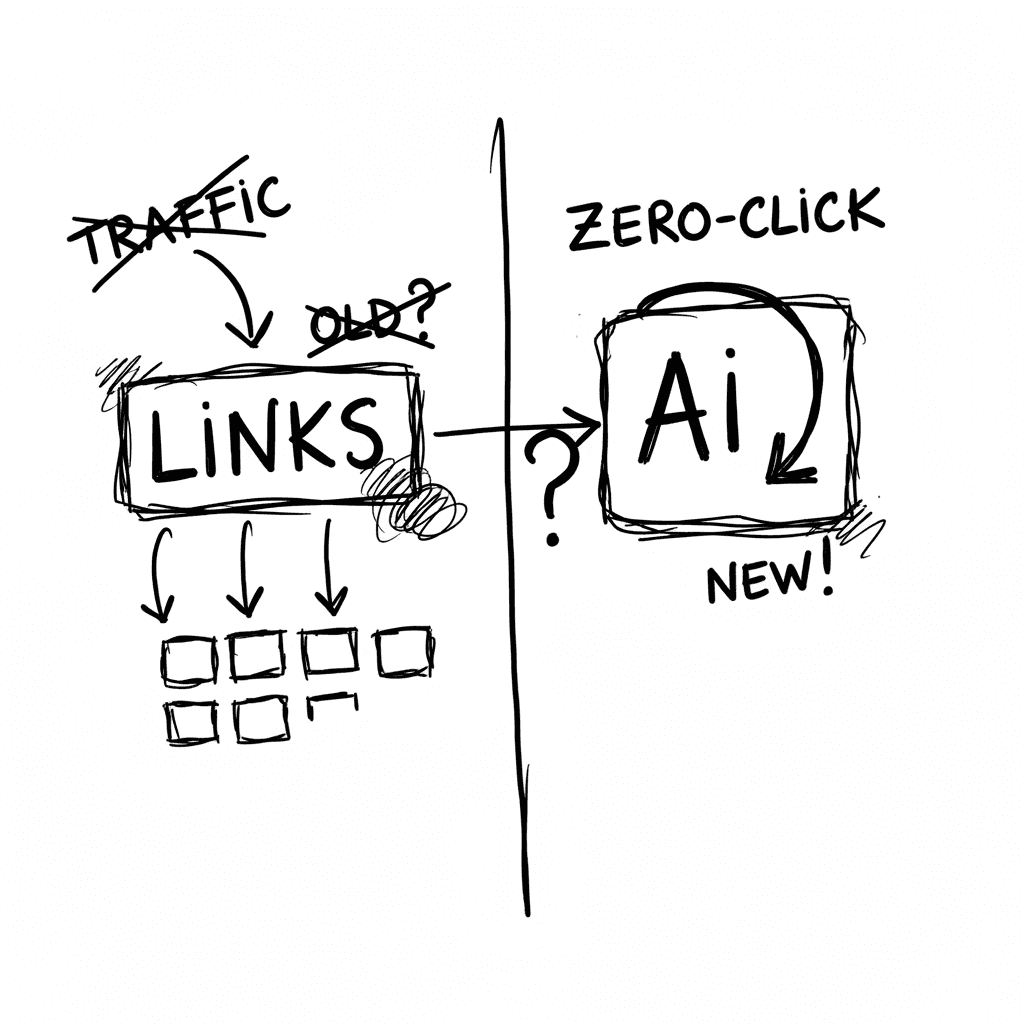
The Zero-Click Economy: Kagi Search vs. Google AI Mode
Google has effectively pivoted to an "answer engine" where Gemini 3.5 Flash provides conversational summaries, while Kagi remains the primary refuge for users seeking a human-centric, ad-free index. W
Stay Ahead of AI Adoption Trends
Get our latest reports and insights delivered to your inbox. No spam, just data.