
CadQuery: Programmable B-Rep Geometry and the Shift to Code-CAD
CadQuery utilizes the Open CASCADE Technology (OCCT) kernel to provide a robust Boundary Representation (B-Rep) modeling framework for Python. (source: Project Documentation). This architecture allows

CadQuery utilizes the Open CASCADE Technology (OCCT) kernel to provide a robust Boundary Representation (B-Rep) modeling framework for Python. (source: Project Documentation). This architecture allows engineers to build complex, parametric 3D models using version-controllable scripts rather than traditional GUI-based interactions.
The Pitch
CadQuery is the primary open-source choice for "Code-CAD," prioritizing modularity and programmatic control over mouse-driven design. It is currently gaining traction on Hacker News as engineering teams seek to integrate hardware design into standard software CI/CD pipelines.
Under the Hood
The transition from a FreeCAD-dependent workbench to a standalone Python library has solidified CadQuery’s position in the backend ecosystem. (source: HN Comment). Unlike libraries based on Constructive Solid Geometry (CSG), which often struggle with complex fillets or chamfers, the OCCT kernel handles B-Rep operations required for high-precision engineering. (source: Project Documentation).
The ecosystem includes the CQ-editor and Jupyter support, facilitating interactive 3D visualization during the development process. (source: HN Comment / Documentation). This setup is particularly useful for generative design where parameters are adjusted programmatically to find optimal geometric solutions.
However, the landscape in 2026 is complicated by the rise of build123d, a sister library that handles certain complex operations more elegantly. This has led to noticeable ecosystem fragmentation, causing confusion for teams deciding which library to standardize on. (source: HN Comment).
Current LLMs, specifically Claude 4.5 Opus and GPT-5, have improved the speed of generating valid CadQuery scripts. Despite this, manual review is still a requirement because these models occasionally produce geometric artifacts or invalid topological references. (source: User Signal April 2026).
We currently lack information regarding a few key areas of the project's future:
- We don’t know yet if there is a projected 2027 roadmap for native GPU-accelerated rendering integration.
- The official stance on the long-term convergence or separation between the CadQuery and build123d development teams remains publically unavailable.
Marcus's Take
If you are still clicking buttons in a GUI to design mechanical parts in 2026, you are wasting time. CadQuery is the right tool for production-grade parametric modelling, provided you have the patience for the steep learning curve. While the fragmentation with build123d is annoying—typical of open-source "friendly" forks—CadQuery remains the safer bet for long-term project stability. Use it for any project where geometry needs to be a function of data, but do not trust GPT-5 to write your constraints without a human in the loop.
Ship clean code,
Marcus.
Marcus Webb - Senior Backend Analyst at UsedBy.ai
Related Articles
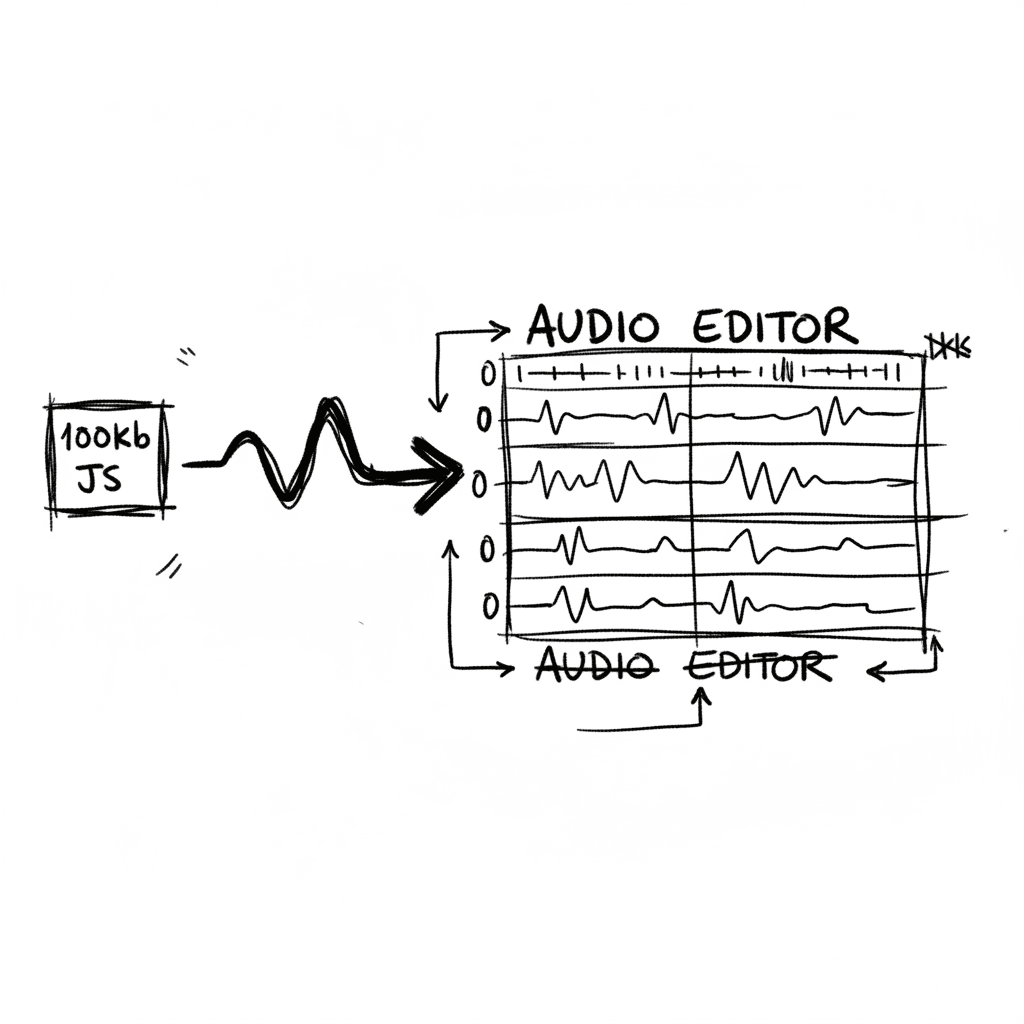
Audiomass: Multitrack Audio Editing via 100kb of Vanilla JavaScript
Audiomass is a browser-based, multitrack audio editor that operates entirely client-side with a remarkably small 100kb footprint (audiomass.co). It provides a workflow reminiscent of classic editors l
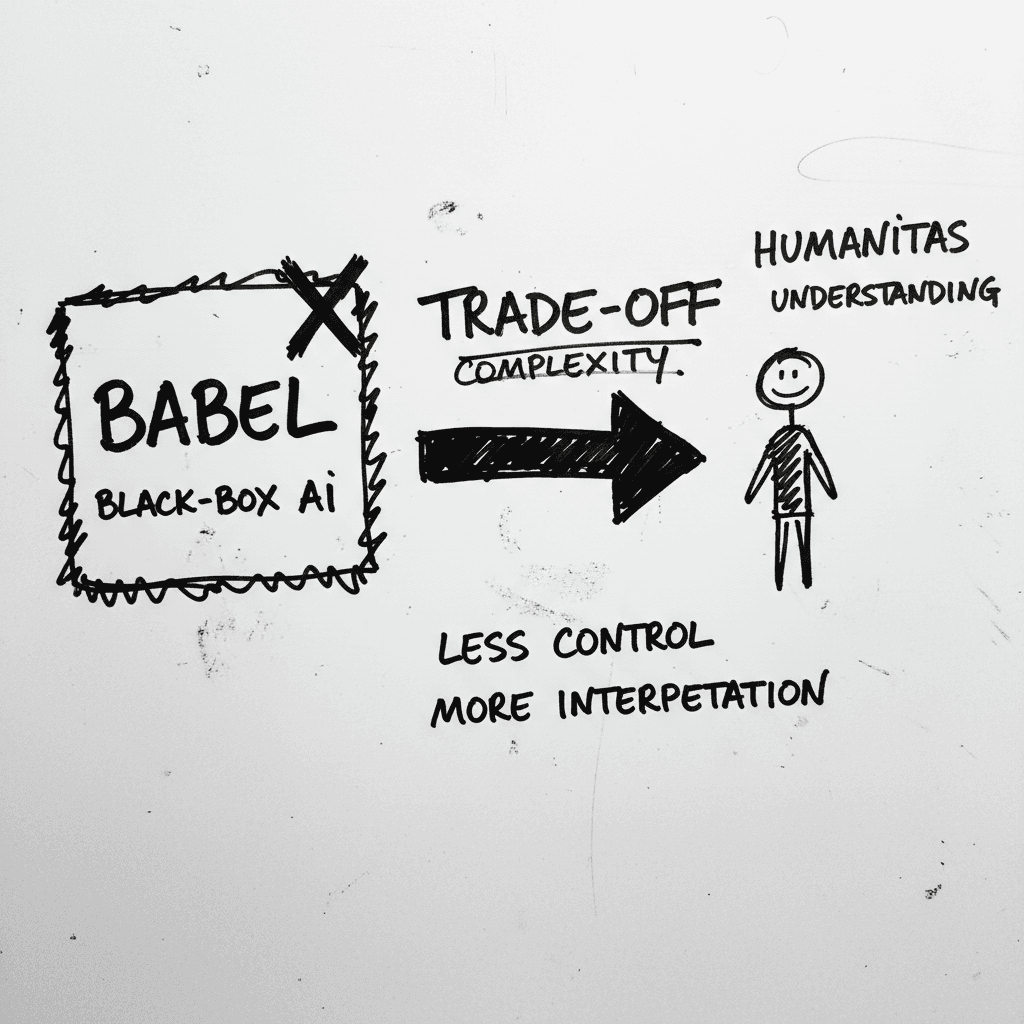
Magnifica Humanitas: The Vatican’s Framework for the GPT-5 Era
The document, signed May 15 and officially released today, was presented at the Vatican alongside Christopher Olah, co-founder of Anthropic and lead of its interpretability team (ncronline.org, Forbes
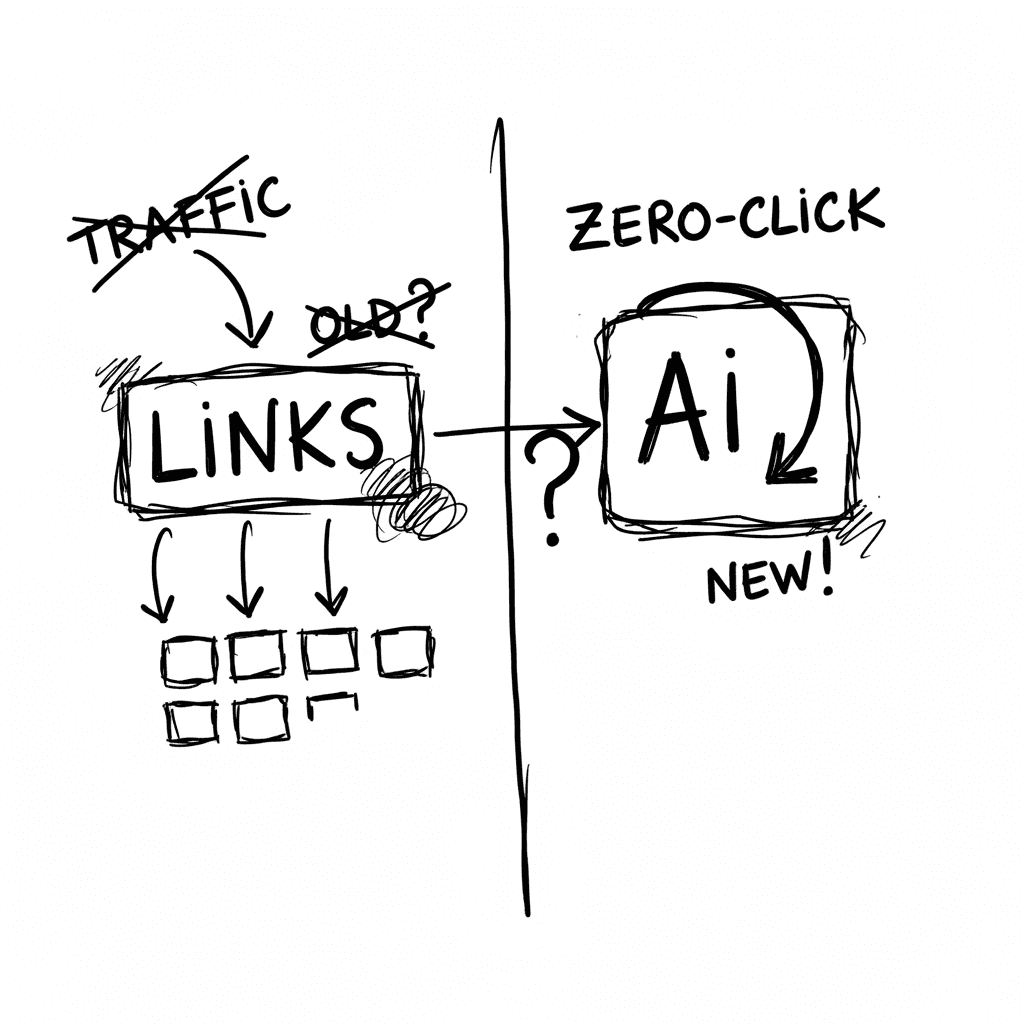
The Zero-Click Economy: Kagi Search vs. Google AI Mode
Google has effectively pivoted to an "answer engine" where Gemini 3.5 Flash provides conversational summaries, while Kagi remains the primary refuge for users seeking a human-centric, ad-free index. W
Stay Ahead of AI Adoption Trends
Get our latest reports and insights delivered to your inbox. No spam, just data.