
Consistency Diffusion Language Models: Parallel Token Generation and Latent Distillation
Consistency Diffusion Language Models (CDLM) achieve a 14.5x speedup in inference latency for coding tasks by replacing sequential token generation with a block-wise parallel diffusion process (Togeth

Consistency Diffusion Language Models (CDLM) achieve a 14.5x speedup in inference latency for coding tasks by replacing sequential token generation with a block-wise parallel diffusion process (Together AI Blog). This approach addresses the latency bottleneck inherent in autoregressive models by generating multiple tokens simultaneously during a single forward pass.
The Pitch
CDLM is a post-training distillation technique designed to bring the speed of diffusion to text generation without the traditional loss in quality. By enabling parallel token production, it targets the high-latency issues that plague math and coding workflows (Together AI Research). It has gained traction among backend engineers looking to optimize inference costs on high-end compute clusters.
Under the Hood
The core technical advancement in CDLM is the implementation of a block-wise causal attention mask during the student distillation process. This architecture allows for exact KV caching in a non-causal model, a feat previously considered a major hurdle for diffusion-based text generators (arXiv:2511.12122).
Benchmarking shows a peak speedup of 14.5x on MBPP coding tasks and an 11.2x improvement on GSM8K math tasks (Together AI Research). The training and evaluation code is currently available in the SqueezeAILab/CDLM repository for teams looking to replicate these results (GitHub).
However, the hardware requirements are steep. The reported 14.5x speedups were achieved on Blackwell (GB200) clusters; performance on older H100 or H200 hardware is expected to be lower (UsedBy Dossier). Furthermore, the distillation process is VRAM-intensive, requiring a large teacher model like Claude 4.5 Opus or GPT-5 to run alongside the student model during training.
We don't know yet if or when CDLM will be integrated into local inference engines like Llama.cpp or Ollama (UsedBy Dossier). There is currently no evidence of the model running efficiently on consumer hardware like the NVIDIA RTX 5090 or Mac M5 Max without specialized quantization that has yet to be released (HN Comment). Comparisons against the May 2025 preview of Gemini 3.1 Pro’s native diffusion mode are also missing from current datasets.
Marcus's Take
CDLM is an elegant solution to the sequential generation problem, but it is currently gated by elite hardware. While the 14.5x speedup is a significant technical milestone, the VRAM overhead for distillation and the lack of GGUF support makes this a lab experiment for most teams. Play with the code on GitHub for side-projects, but stick to standard inference for production until the local implementation matures.
Ship clean code,
Marcus.
Marcus Webb - Senior Backend Analyst at UsedBy.ai
Related Articles
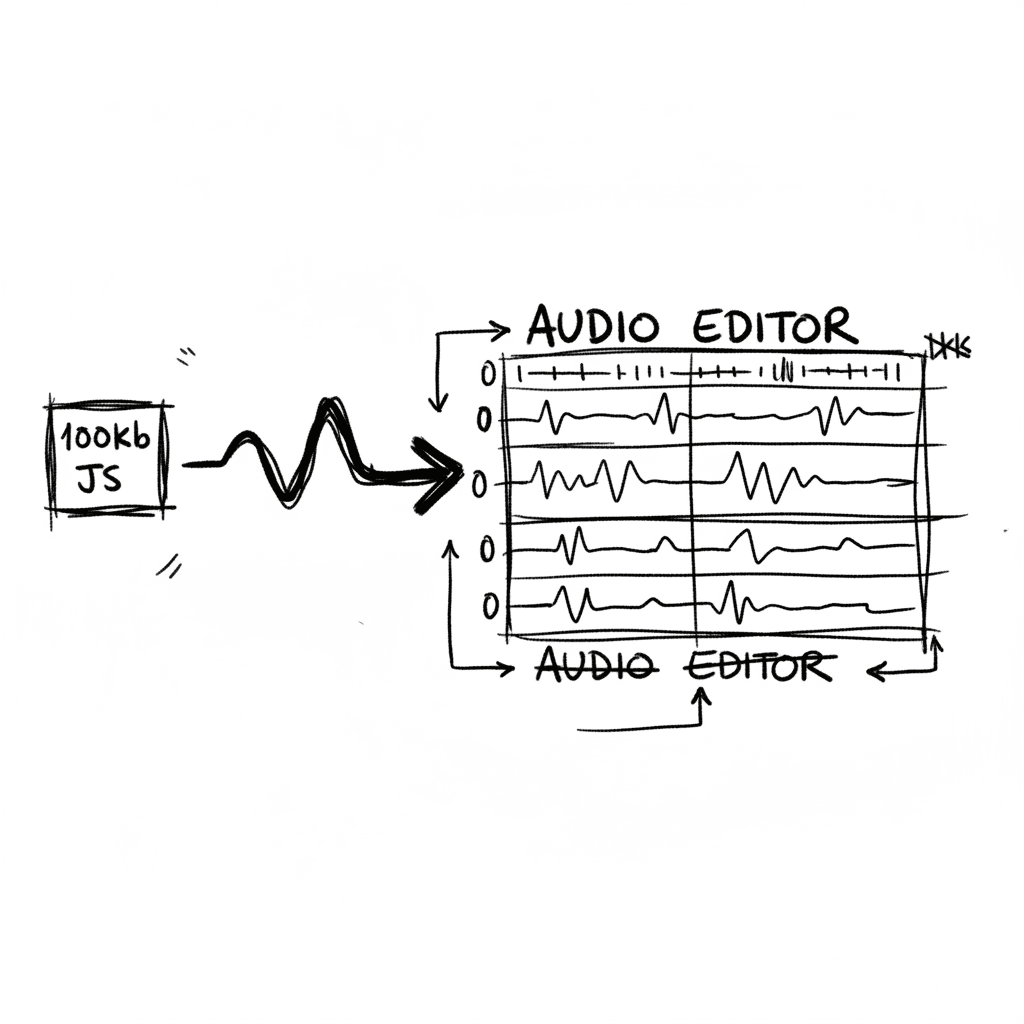
Audiomass: Multitrack Audio Editing via 100kb of Vanilla JavaScript
Audiomass is a browser-based, multitrack audio editor that operates entirely client-side with a remarkably small 100kb footprint (audiomass.co). It provides a workflow reminiscent of classic editors l
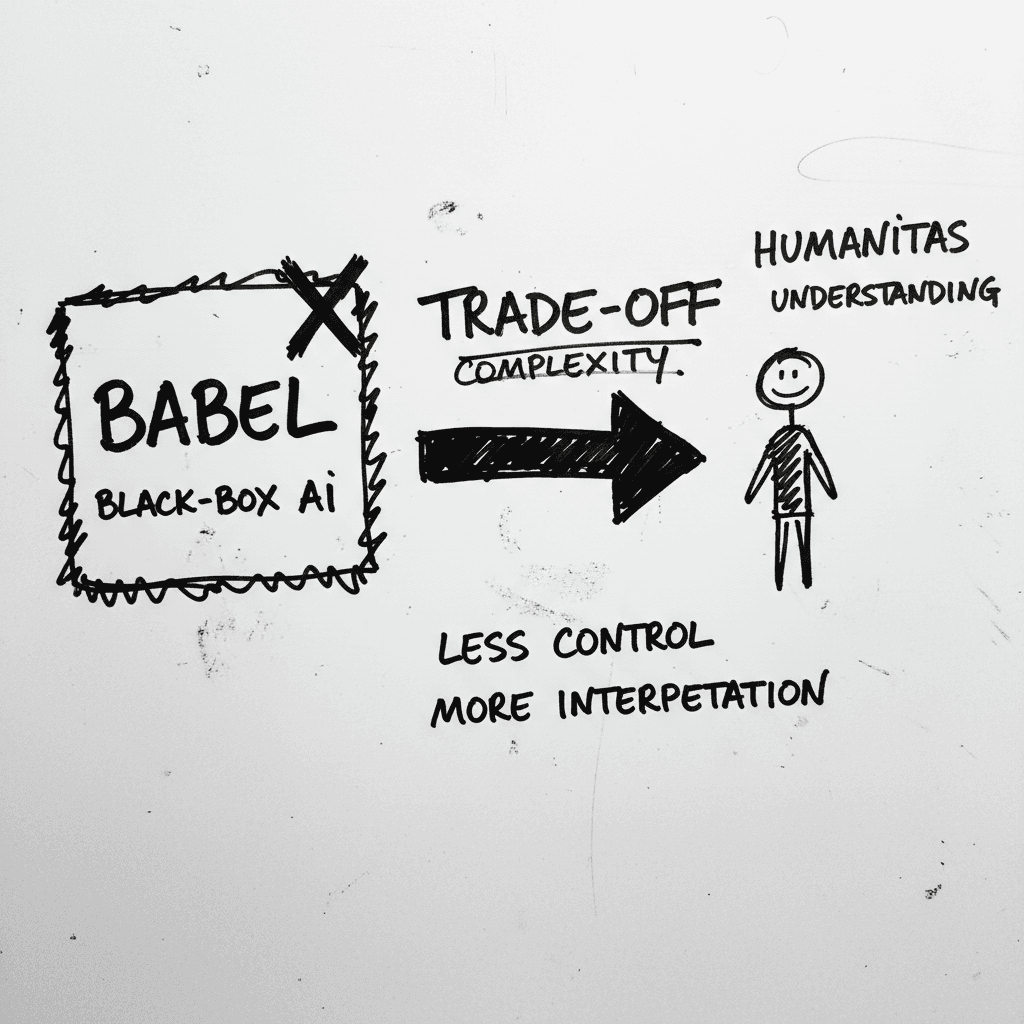
Magnifica Humanitas: The Vatican’s Framework for the GPT-5 Era
The document, signed May 15 and officially released today, was presented at the Vatican alongside Christopher Olah, co-founder of Anthropic and lead of its interpretability team (ncronline.org, Forbes
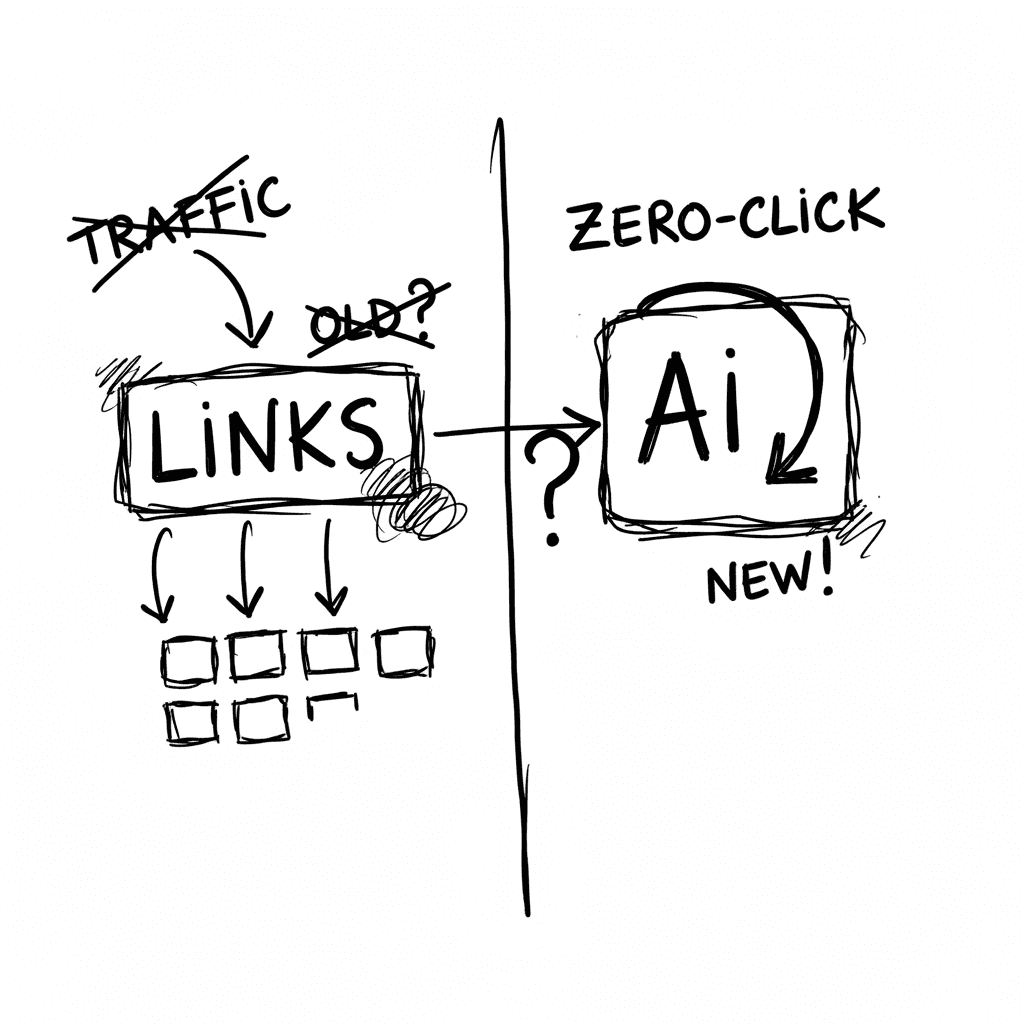
The Zero-Click Economy: Kagi Search vs. Google AI Mode
Google has effectively pivoted to an "answer engine" where Gemini 3.5 Flash provides conversational summaries, while Kagi remains the primary refuge for users seeking a human-centric, ad-free index. W
Stay Ahead of AI Adoption Trends
Get our latest reports and insights delivered to your inbox. No spam, just data.