
Discord Mandatory Identity Verification Rollout
Discord is mandating a phased global rollout of identity and age verification for its entire user base starting March 2026 (9to5Mac, Feb 2026). The platform is shifting to a "teen-by-default" architec

The Pitch
Discord is mandating a phased global rollout of identity and age verification for its entire user base starting March 2026 (9to5Mac, Feb 2026). The platform is shifting to a "teen-by-default" architecture, forcing users to prove their age via facial estimation or government ID to maintain unrestricted access to servers and DMs (The Verge, Feb 2026). It is a heavy-handed response to global regulatory pressure that effectively ends the era of pseudonymous participation on the platform.
Under the Hood
The system relies on a dual-track verification stack. Users can opt for "on-device" facial age estimation or submit government identification through third-party partners like k-ID (TechPowerUp, Feb 2026). Behind the scenes, Discord is also deploying an "Age Inference Model" that monitors gaming habits and account activity to flag users who may be misrepresenting their age (AllKeyShop, Feb 2026).
The security architecture is under immediate scrutiny due to Discord's recent track record. An October 2025 breach involving a third-party support vendor resulted in the leak of 70,000 government IDs (BBC, Oct 2025; Ars Technica). This incident undermines the claim that third-party "deletion" promises are a sufficient safeguard for biometric or legal data.
Technical gaps remain regarding the implementation of the "on-device" estimation. We do not know the specific mechanism Discord uses to ensure that raw biometric data or generated eigenvectors are not exfiltrated to their servers for secondary validation (UsedBy Dossier). Furthermore, the full list of third-party vendors handling this sensitive telemetry has not been disclosed.
Users who refuse verification will be siloed into a "teen-level" experience. This includes aggressive DM routing restrictions and the persistent blurring of content Discord deems sensitive (The Verge, Feb 2026). For the backend community, the primary concern is the creation of unique biometric hashes that could be used for cross-platform tracking, even if the raw images are discarded (HN Comment).
Marcus's Take
This rollout is a privacy catastrophe. Discord is attempting to solve a trust and safety problem by building a massive, centralised biometric honeypot—a strategy that already failed them spectacularly in late 2025. Forcing 200 million users to choose between de-anonymization and a broken user experience will likely trigger a mass exodus to decentralised alternatives like Matrix or Zulip (TechRadar). If your community or team relies on Discord for sensitive discussions, your metadata is no longer the only thing at risk; your legal identity is now part of their attack surface.
Ship clean code,
Marcus.
Marcus Webb - Senior Backend Analyst at UsedBy.ai
Related Articles
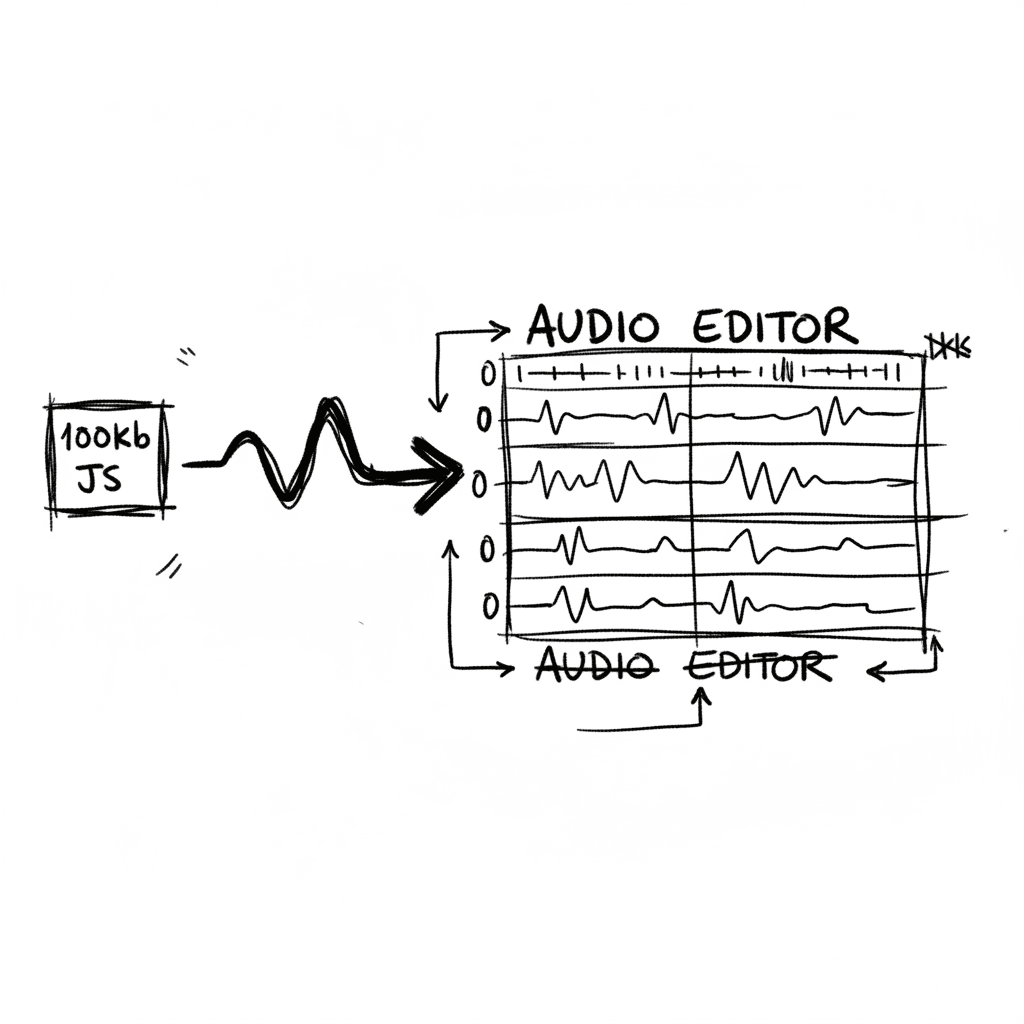
Audiomass: Multitrack Audio Editing via 100kb of Vanilla JavaScript
Audiomass is a browser-based, multitrack audio editor that operates entirely client-side with a remarkably small 100kb footprint (audiomass.co). It provides a workflow reminiscent of classic editors l
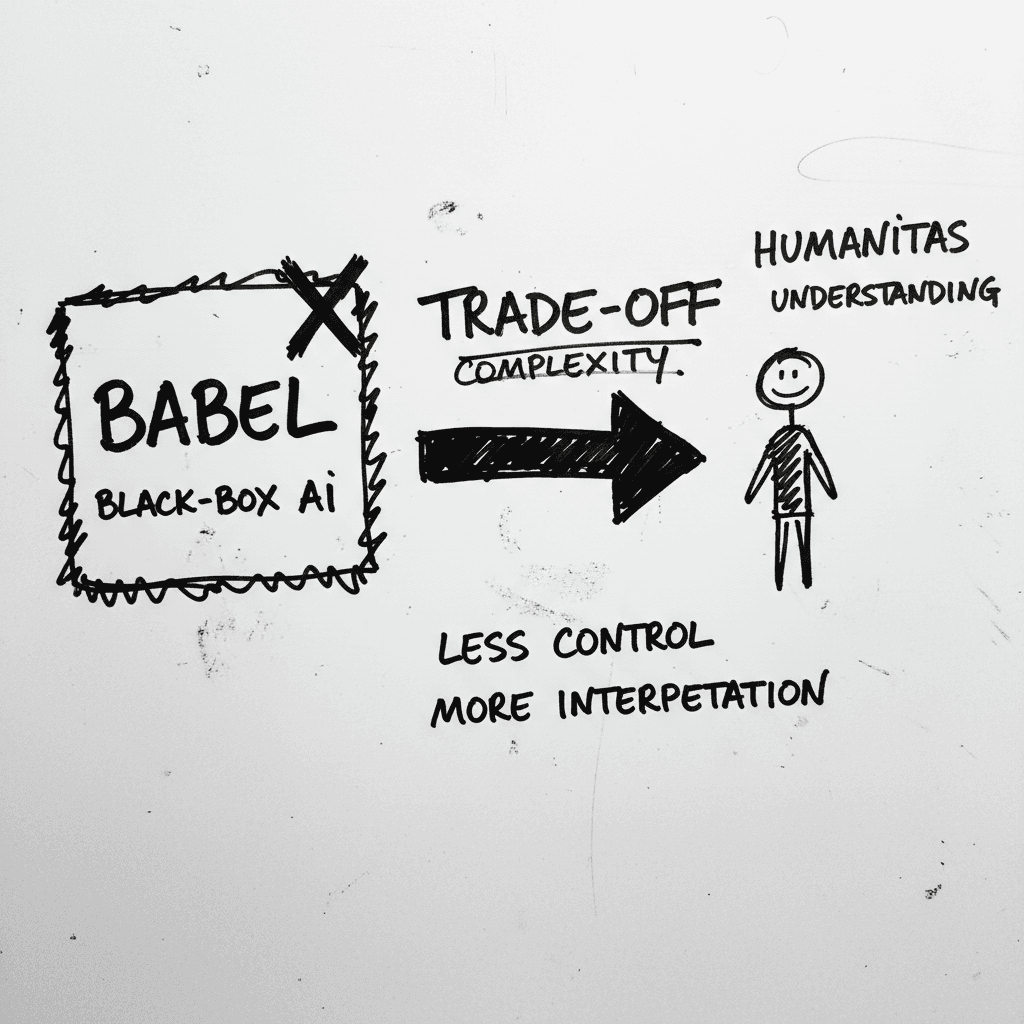
Magnifica Humanitas: The Vatican’s Framework for the GPT-5 Era
The document, signed May 15 and officially released today, was presented at the Vatican alongside Christopher Olah, co-founder of Anthropic and lead of its interpretability team (ncronline.org, Forbes
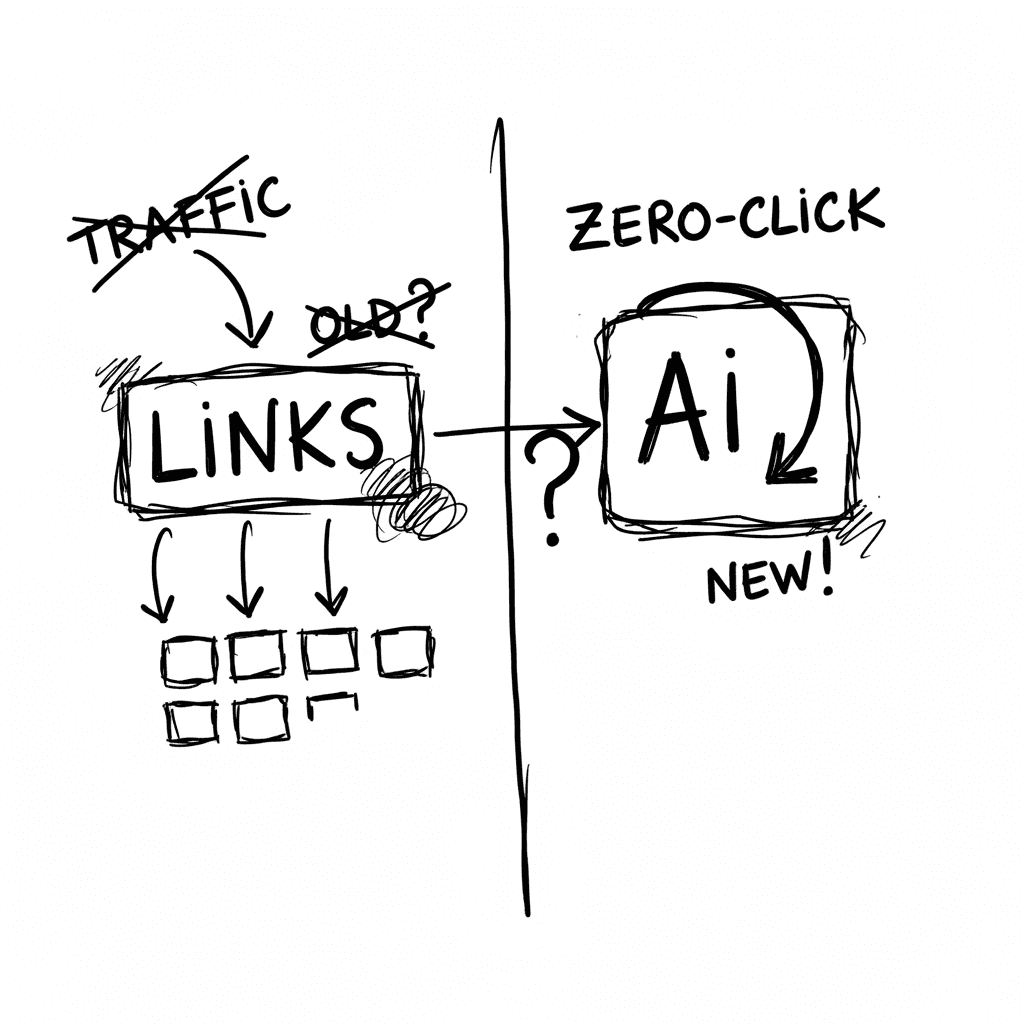
The Zero-Click Economy: Kagi Search vs. Google AI Mode
Google has effectively pivoted to an "answer engine" where Gemini 3.5 Flash provides conversational summaries, while Kagi remains the primary refuge for users seeking a human-centric, ad-free index. W
Stay Ahead of AI Adoption Trends
Get our latest reports and insights delivered to your inbox. No spam, just data.