
Email Obfuscation Benchmarks: Evaluating Defense Against 2026 Automated Harvesters
Spencer Mortensen’s 2026 update provides a technical audit of how email protection holds up against modern LLM-driven scraping agents. The Hacker News community is currently vetting these findings as

The Pitch
Spencer Mortensen’s 2026 update provides a technical audit of how email protection holds up against modern LLM-driven scraping agents. The Hacker News community is currently vetting these findings as developers pivot away from "human-readable" strings toward more robust programmatic triggers.
Under the Hood
Base64-encoded variables triggered by 'Contact' click events have emerged as the implementation standard in 2026 (Source: Hacker News). This method balances user experience with a baseline defense that generic, non-interactive scrapers still struggle to bypass.
Traditional "human-readable" obfuscation, such as "name at domain dot com," is officially obsolete. Technical analysis shows that even lightweight models like Mistral Small 3.1 can parse these strings with near-perfect accuracy (Source: Hacker News / Technical Analysis).
CSS 'display:none' honeypots remain a viable tactic for server-side security. These hidden elements act as tripwires, allowing mail server firewalls to identify and block malicious IPs before they hit high-value endpoints (Source: Hacker News).
Modern multimodal agents, specifically GPT-5-vision and Claude 4 Sonnet, can now decode visual obfuscation that was considered secure two years ago (Source: UsedBy Dossier). However, CSS and JS-based methods still successfully filter out over 90% of generic mass-scrapers that lack vision capabilities.
We don't know yet how "Shadow-DOM" obfuscation impacts mobile browser performance in high-latency environments. Furthermore, quantitative success rates comparing GPT-5 against Claude 4.5 Opus on complex CSS-reversal methods are currently missing from the data.
Marcus's Take
Implement the Base64 and JS-trigger approach for your production builds, but stop wasting time on visual "cleverness" that GPT-5-vision can solve in milliseconds. Most developers are over-engineering this; with the quality of 2026 server-side spam filters, your primary goal should be preventing mass harvesting via simple scripts, not stopping a dedicated AI agent. If you break accessibility for screen readers in an attempt to be "secure," you’ve failed your users for a marginal gain in privacy.
Ship clean code,
Marcus.
Marcus Webb - Senior Backend Analyst at UsedBy.ai
Related Articles
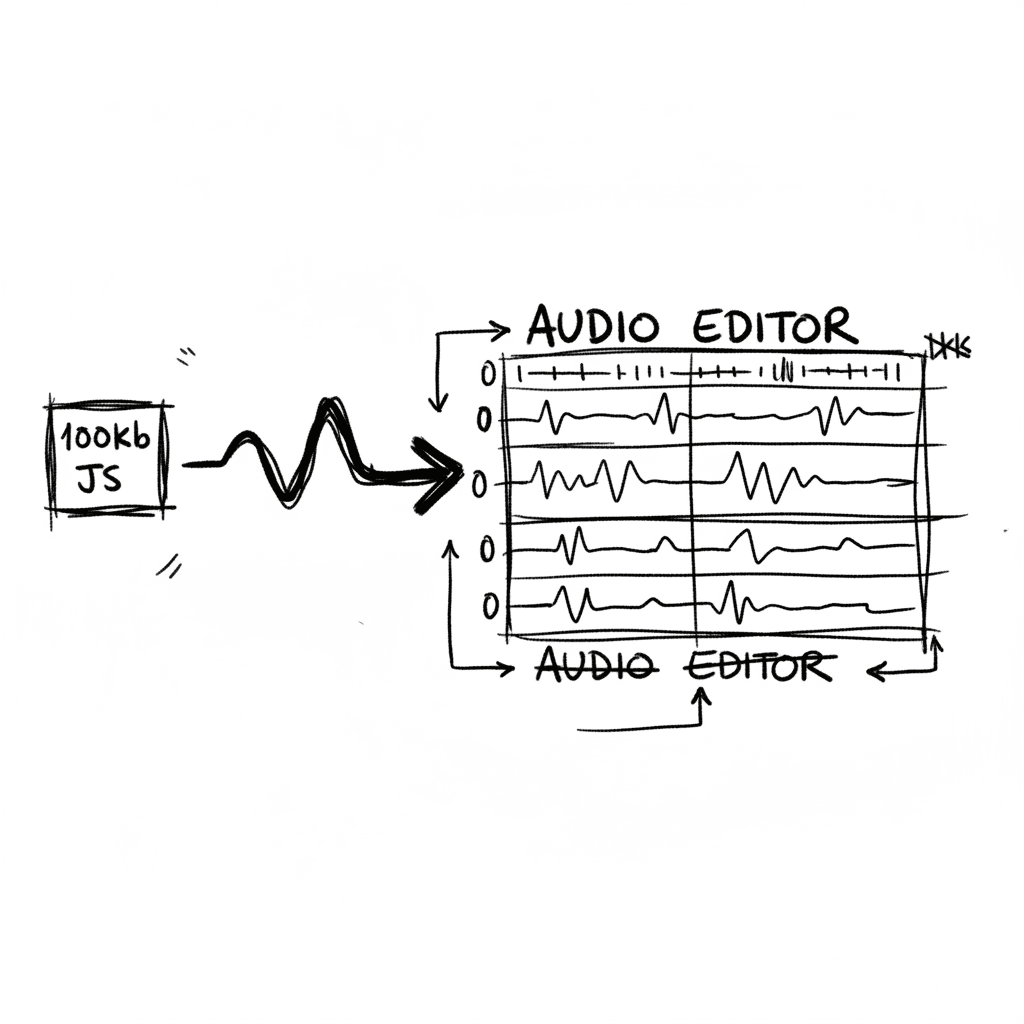
Audiomass: Multitrack Audio Editing via 100kb of Vanilla JavaScript
Audiomass is a browser-based, multitrack audio editor that operates entirely client-side with a remarkably small 100kb footprint (audiomass.co). It provides a workflow reminiscent of classic editors l
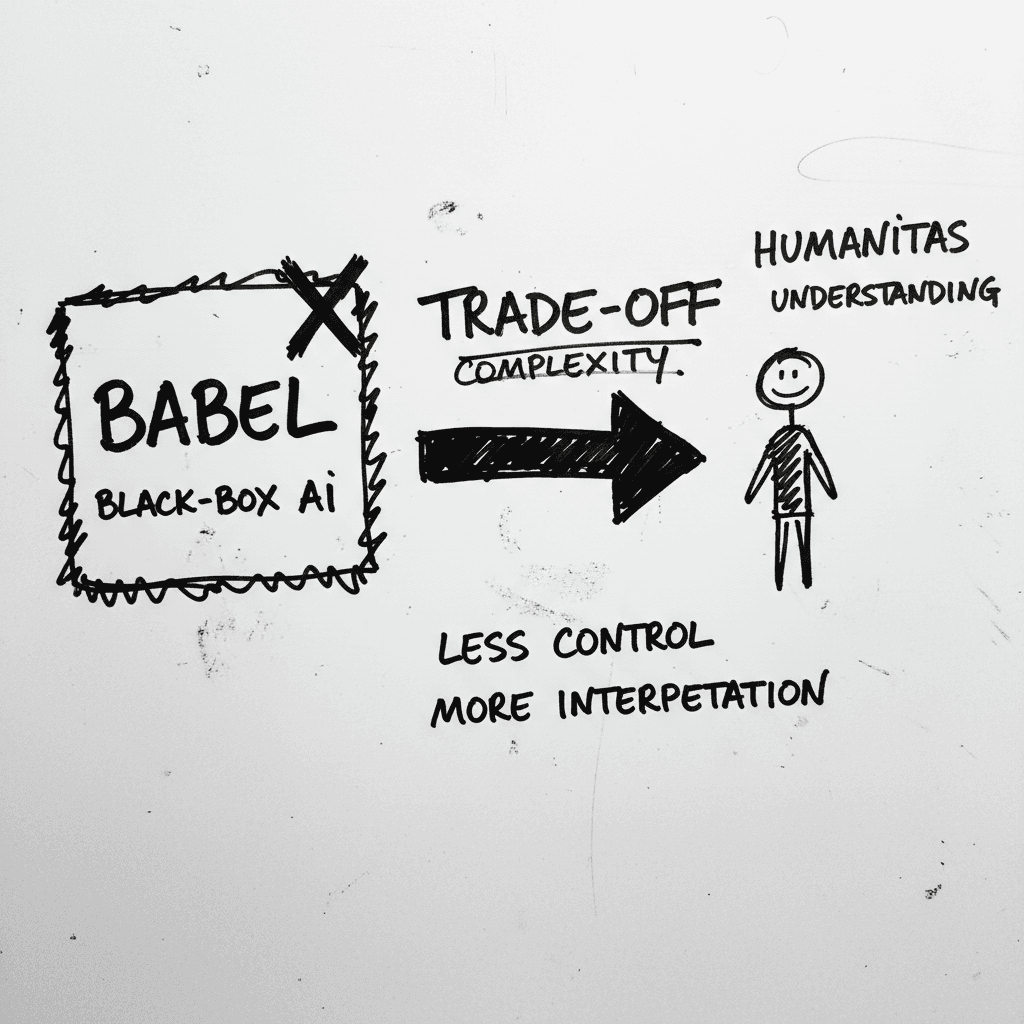
Magnifica Humanitas: The Vatican’s Framework for the GPT-5 Era
The document, signed May 15 and officially released today, was presented at the Vatican alongside Christopher Olah, co-founder of Anthropic and lead of its interpretability team (ncronline.org, Forbes
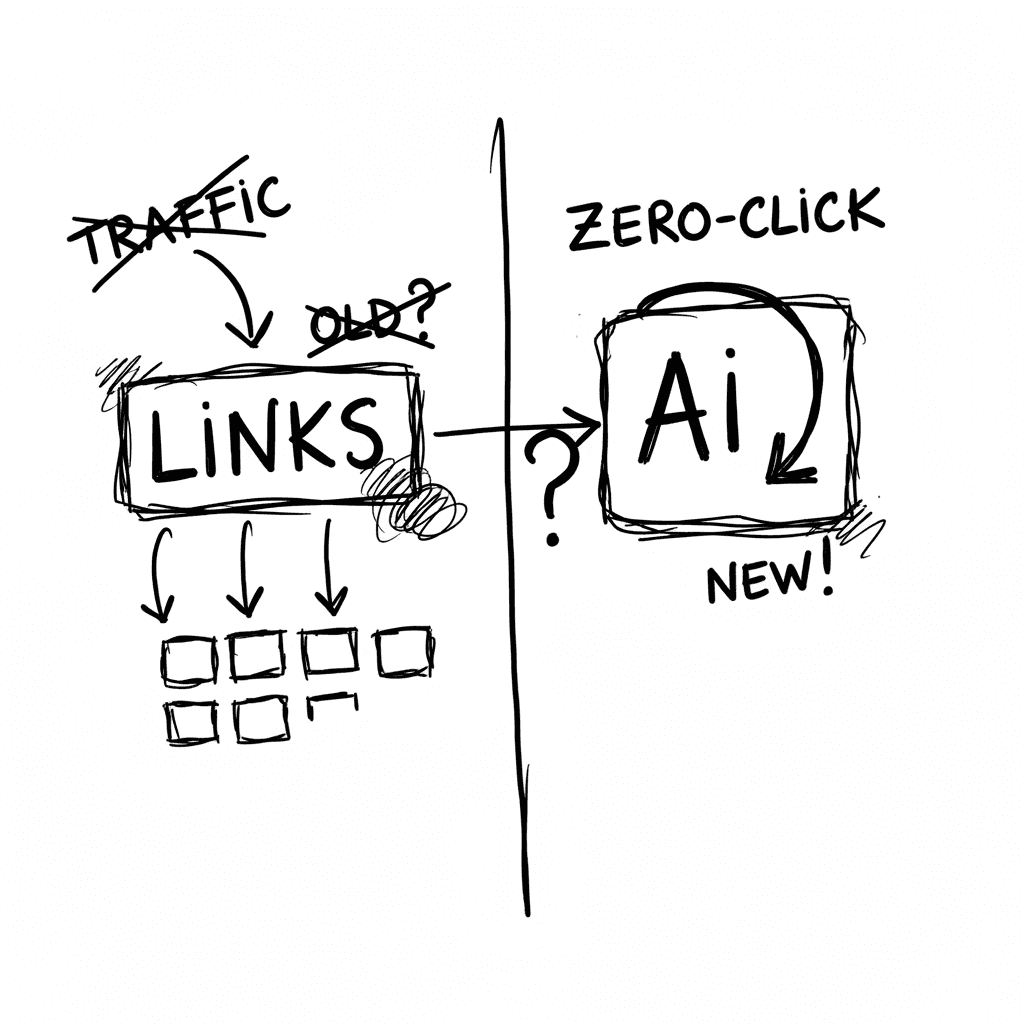
The Zero-Click Economy: Kagi Search vs. Google AI Mode
Google has effectively pivoted to an "answer engine" where Gemini 3.5 Flash provides conversational summaries, while Kagi remains the primary refuge for users seeking a human-centric, ad-free index. W
Stay Ahead of AI Adoption Trends
Get our latest reports and insights delivered to your inbox. No spam, just data.