
Flipper One: The Shift from Microcontroller Gadget to Linux Workstation
The Flipper One is an attempt to transition from the hobbyist success of the Flipper Zero to a professional-grade Linux platform. Hacker News is currently debating the project's pivot toward a modular

The Pitch
The Flipper One is an attempt to transition from the hobbyist success of the Flipper Zero to a professional-grade Linux platform. Hacker News is currently debating the project's pivot toward a modular "cyberdeck" architecture that prioritises edge AI and network analysis over the original "all-in-one" tool approach.
Under the Hood
The core architecture has shifted to a dual-processor design. It features a Rockchip RK3576 SoC with 8GB of RAM for the Linux environment, paired with a Raspberry Pi RP2350 MCU that manages power and the display independently of the main OS (BleepingComputer, May 2026; GitHub).
Connectivity is handled through dual 1Gbps Ethernet ports and a single M.2 slot intended for SDR, 5G, or Wi-Fi 6E modules (PCMag, May 2026). This modularity is a significant departure from the Flipper Zero. Unlike its predecessor, the Flipper One contains no built-in radios for Sub-GHz, NFC, or RFID; these must be purchased as separate M.2 expansions (Reddit r/flipperzero).
While the partnership with Collabora ensures that drivers are being upstreamed to mainline Linux, the project’s timeline remains a major concern (XDA Developers, May 2026). The project has been in development since 2020, and the latest announcement is a "call for help" rather than a commercial release (HN Thread).
Several critical metrics remain unavailable to the public:
- Final retail pricing for the base unit and the necessary expansion modules.
- A guaranteed shipping date, as only the "Developer Portal" is currently accessible.
- Verified benchmarks for the RK3576 NPU performance when running local models.
Marcus's Take
Skip this until it actually hits a warehouse. Flipper Devices is currently a victim of the "second system effect," attempting to replace a simple, functional $169 tool with a complex Linux workstation that requires an expensive pile of modules to achieve the same utility. Their recent communications have also lost the human touch, reading like a supervised LLM output rather than an engineer's update (HN Comment). It is a textbook case of scope creep that threatens to alienate their core user base before the first unit even ships.
Ship clean code,
Marcus.
Marcus Webb - Senior Backend Analyst at UsedBy.ai
Related Articles
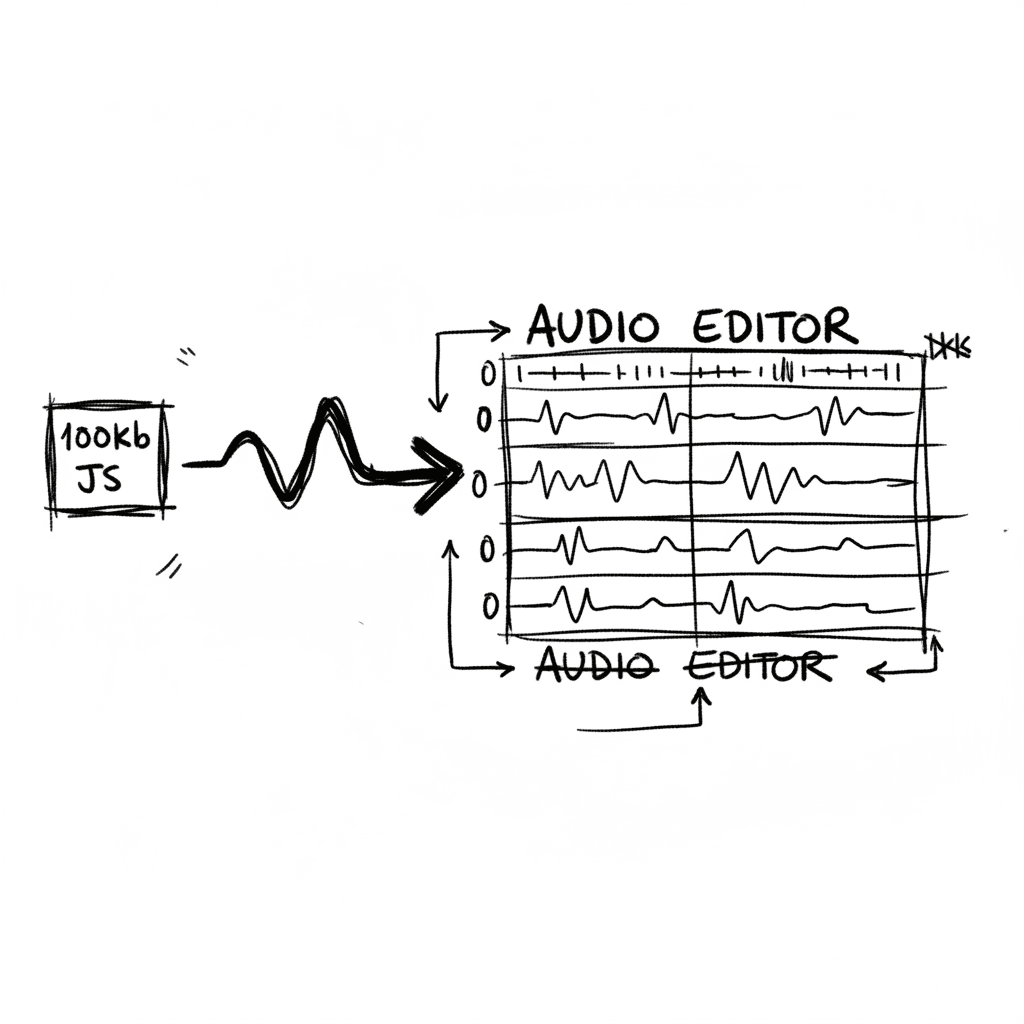
Audiomass: Multitrack Audio Editing via 100kb of Vanilla JavaScript
Audiomass is a browser-based, multitrack audio editor that operates entirely client-side with a remarkably small 100kb footprint (audiomass.co). It provides a workflow reminiscent of classic editors l
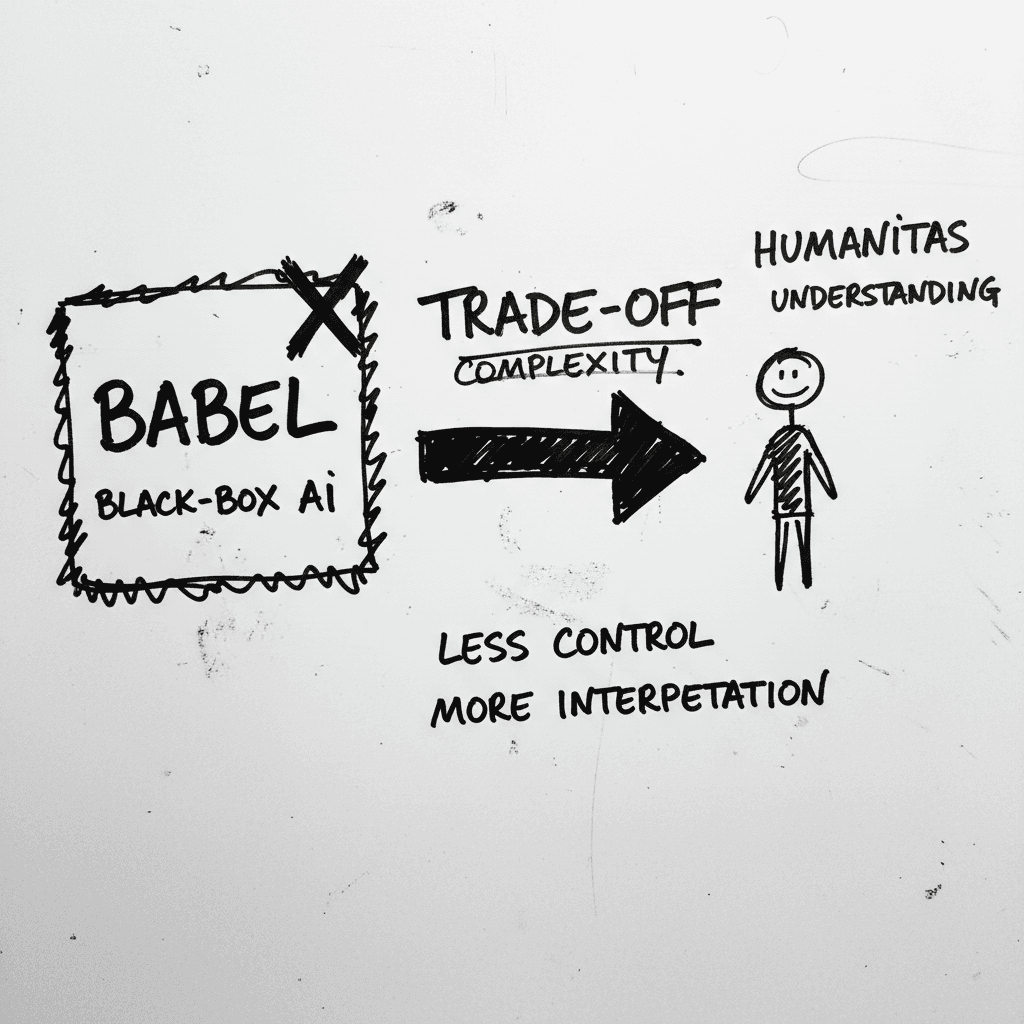
Magnifica Humanitas: The Vatican’s Framework for the GPT-5 Era
The document, signed May 15 and officially released today, was presented at the Vatican alongside Christopher Olah, co-founder of Anthropic and lead of its interpretability team (ncronline.org, Forbes
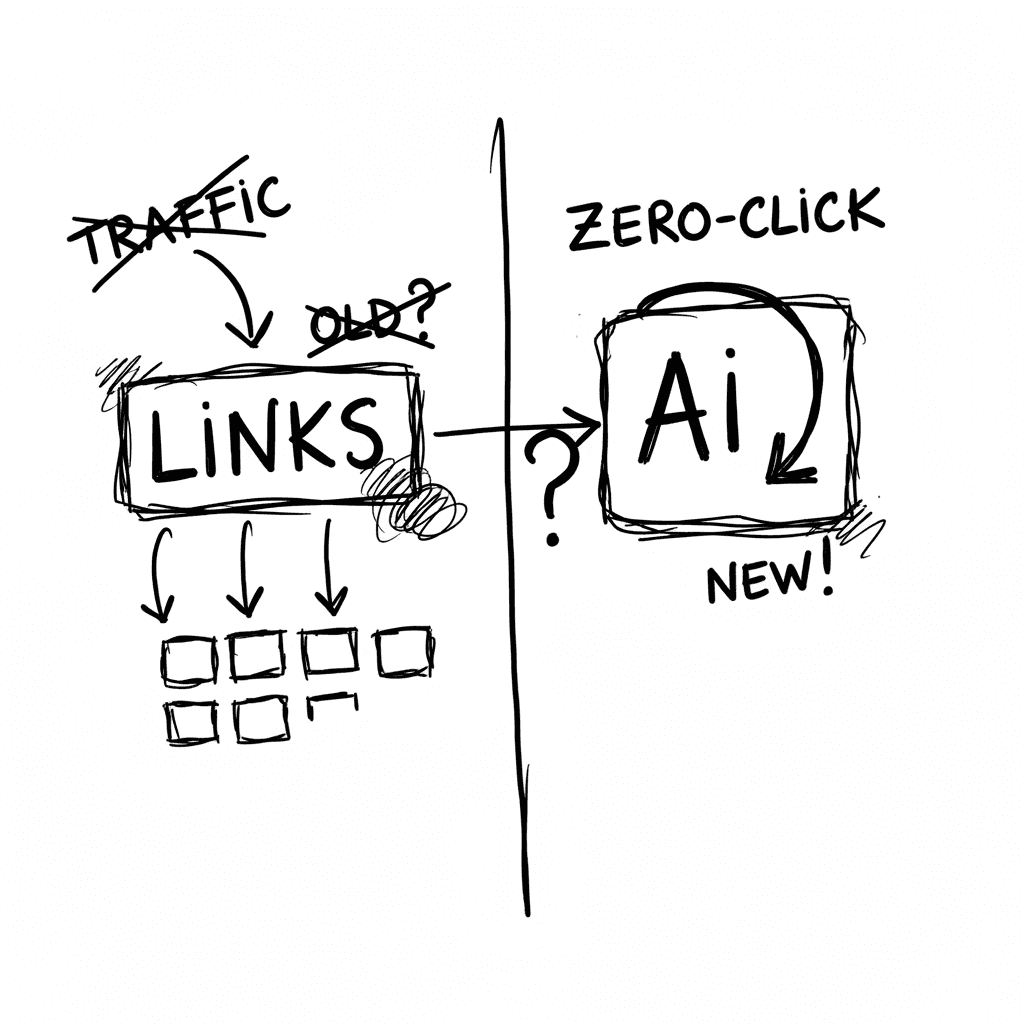
The Zero-Click Economy: Kagi Search vs. Google AI Mode
Google has effectively pivoted to an "answer engine" where Gemini 3.5 Flash provides conversational summaries, while Kagi remains the primary refuge for users seeking a human-centric, ad-free index. W
Stay Ahead of AI Adoption Trends
Get our latest reports and insights delivered to your inbox. No spam, just data.