
Gemini 3.1 Pro: Reasoning Gains at the Expense of Developer Experience
The most significant technical update is the jump in reasoning performance. Gemini 3.1 Pro achieved a 77.1% score on the ARC-AGI-2 benchmark, moving up from the 31.1% recorded by the 3.0 version (Sour

The Pitch
Google has released Gemini 3.1 Pro, introducing a three-tier thinking architecture designed to balance reasoning depth against inference costs. Currently used by 156 verified users from organizations including Samsung and Discord, this update attempts to match the coding performance of Claude 4.5 Opus while maintaining a significantly lower price point. See Gemini profile
Under the Hood
The most significant technical update is the jump in reasoning performance. Gemini 3.1 Pro achieved a 77.1% score on the ARC-AGI-2 benchmark, moving up from the 31.1% recorded by the 3.0 version (Source: DeepMind Technical Blog). In coding tasks, the model narrowed the gap with Claude 4.5 Opus, reaching 80.6% on SWE-Bench (Source: Artificial Analysis).
The pricing remains competitive for teams managing tight infrastructure budgets. At $2 per million input tokens and $12 per million output tokens for contexts under 200k, it is approximately half the price of Claude 4.5 Opus (Source: AI News / Google Cloud Docs). Additionally, the max output token limit has been raised to 65,536, and the file upload limit in Vertex AI is now 100MB (Source: Google Model Card).
However, the "High" thinking mode—branded as Deep Think Mini—introduces a verbosity problem. The model generates a high volume of internal reasoning tokens that can lead to unexpected billing spikes (Source: Artificial Analysis). Gemini 3.1 Pro has the gift of the gab, but unfortunately, you're the one paying for the long-windedness.
Integration stability remains a primary concern for engineering leads. Developers report frequent "endless loop" bugs in VS Code, where the model fails to complete workflows that are handled reliably by Claude 4.5 (Source: GitHub Issue #295707). Furthermore, the knowledge cutoff is stuck in January 2025, making it less effective for referencing 2026 technical documentation (Source: LLM-Stats).
We don't know yet when the non-preview API endpoints will reach General Availability. We also lack detailed data on how token consumption rates vary between the "Medium" and "High" thinking modes when processing long-context prompts.
Marcus's Take
Gemini 3.1 Pro is a calculated trade-off between intelligence and stability. While the reasoning gains are documented, the IDE integration is too brittle for mission-critical development, and the 2025 knowledge cutoff is a genuine hindrance in 2026. Use it as a secondary model for cost-sensitive batch processing or high-volume reasoning tasks. For your primary production code and active IDE workflows, stick with Claude 4.5 Opus until Google fixes the stability loops.
Ship clean code,
Marcus.
Marcus Webb - Senior Backend Analyst at UsedBy.ai
Related Articles
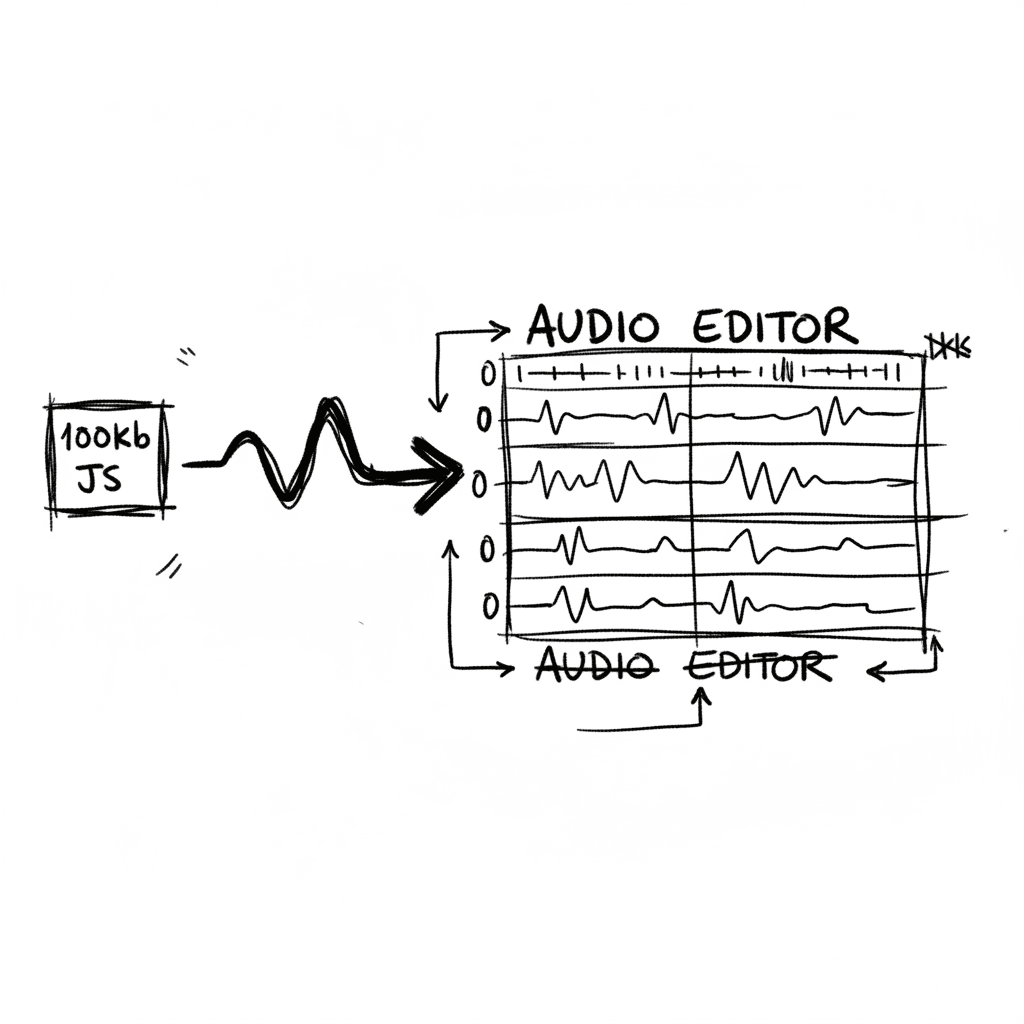
Audiomass: Multitrack Audio Editing via 100kb of Vanilla JavaScript
Audiomass is a browser-based, multitrack audio editor that operates entirely client-side with a remarkably small 100kb footprint (audiomass.co). It provides a workflow reminiscent of classic editors l
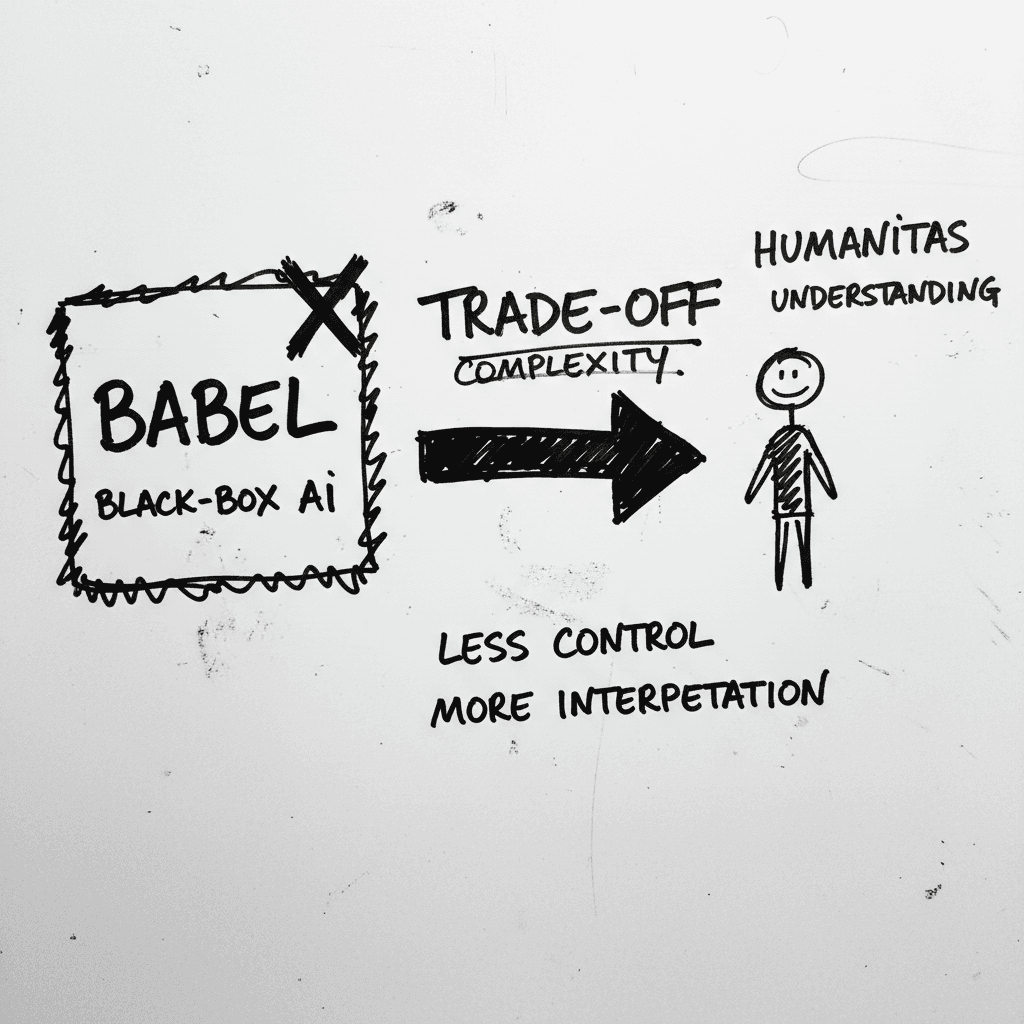
Magnifica Humanitas: The Vatican’s Framework for the GPT-5 Era
The document, signed May 15 and officially released today, was presented at the Vatican alongside Christopher Olah, co-founder of Anthropic and lead of its interpretability team (ncronline.org, Forbes
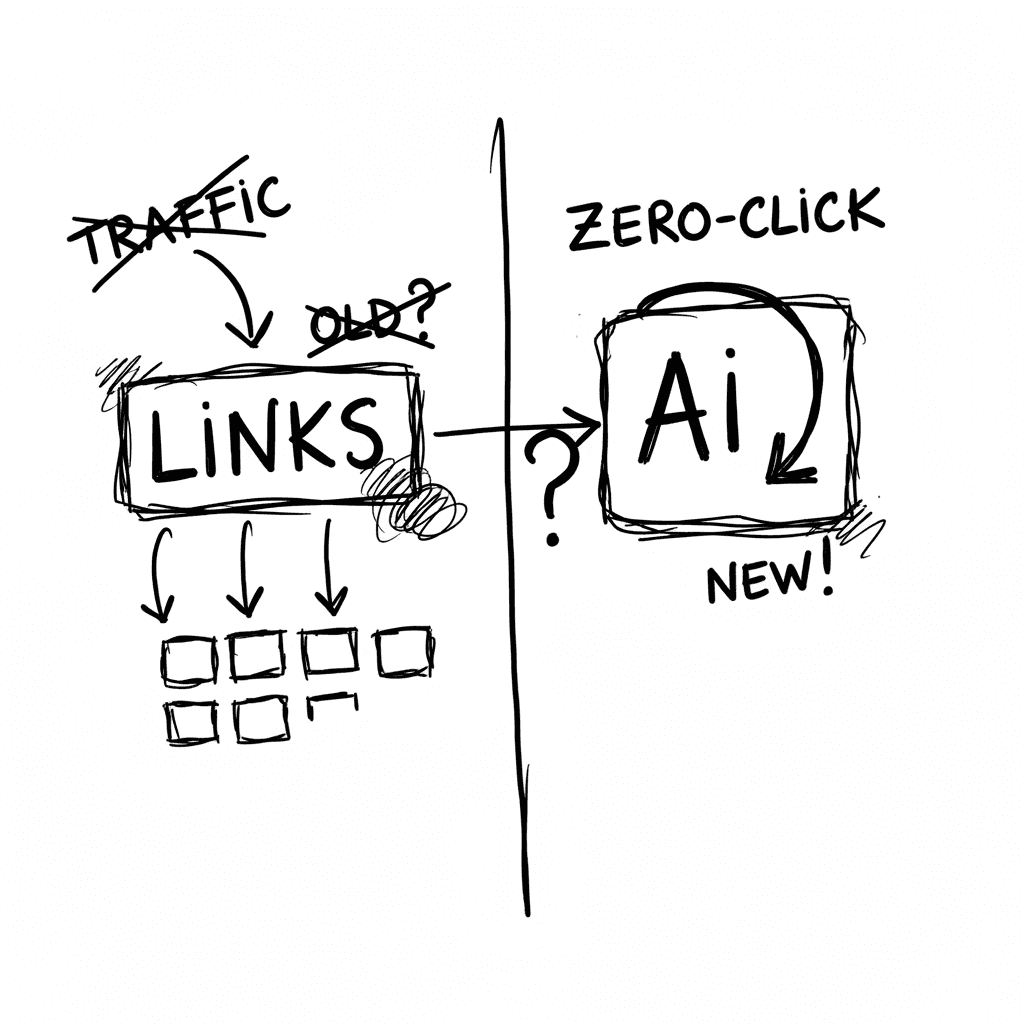
The Zero-Click Economy: Kagi Search vs. Google AI Mode
Google has effectively pivoted to an "answer engine" where Gemini 3.5 Flash provides conversational summaries, while Kagi remains the primary refuge for users seeking a human-centric, ad-free index. W
Stay Ahead of AI Adoption Trends
Get our latest reports and insights delivered to your inbox. No spam, just data.