
Godot autonomous development via Claude 4.6 Opus feedback loops
Caleb Leak’s experiment demonstrates that autonomous iteration loops, rather than precise human prompting, are the primary drivers for LLM-generated software. By bridging a dog-operated keyboard to Cl

The Pitch
Caleb Leak’s experiment demonstrates that autonomous iteration loops, rather than precise human prompting, are the primary drivers for LLM-generated software. By bridging a dog-operated keyboard to Claude 4.6 Opus via Rust and Raspberry Pi 5, the system builds playable Godot 4.6 games through self-correcting QA cycles. It is a sophisticated demonstration of AI agentic behavior where the human—or canine—is merely a source of entropy.
Under the Hood
The architecture relies on the Claude 4.6 Opus model, which reached an 80.9% SWE-bench score in February 2026 (LogRocket/ToLearn). This reasoning capability allows the model to directly edit Godot 4.6 .tscn files, which were chosen specifically because their text-based format is more legible for LLMs than the binary structures used by Unity or Unreal (calebleak.com).
Hardware integration involves a Raspberry Pi 5 running a custom Rust application called 'DogKeyboard' to capture Bluetooth inputs (Gigazine). These inputs are treated as conceptual anchors by Claude, which then uses a Python-based screenshot script and a sequence-input simulator to autonomously playtest the resulting builds (calebleak.com).
While the system successfully ships rhythm and action games, it hits a complexity ceiling with logical consistency. The AI frequently generates unsolvable levels in puzzle games, showing that even the 2026 Opus models struggle with deep symbolic logic in game design (Gigazine). Replicating this in other engines is currently hampered by unreliable Model Context Protocol (MCP) bridges for binary assets (Reddit r/ClaudeCode).
Cost efficiency remains the largest hurdle for production use. Despite the price reductions seen in late 2025, the high volume of tokens required for autonomous iteration loops makes this an expensive way to find out your dog has questionable taste in platformers (LogRocket). We don't know yet what the exact token consumption per session is, and the 'DogKeyboard' Rust repository has not been made public (UsedBy Dossier).
Marcus's Take
This is a robust framework for autonomous prototyping, but it is not ready for production game logic. The value lies in the feedback loop scaffolding—using vision to self-correct code—rather than the dog-input gimmick. Use this architecture for rapid asset placement and boilerplate generation in Godot, but keep a human in the loop for puzzle mechanics and cost control.
Ship clean code,
Marcus.
Marcus Webb - Senior Backend Analyst at UsedBy.ai
Related Articles
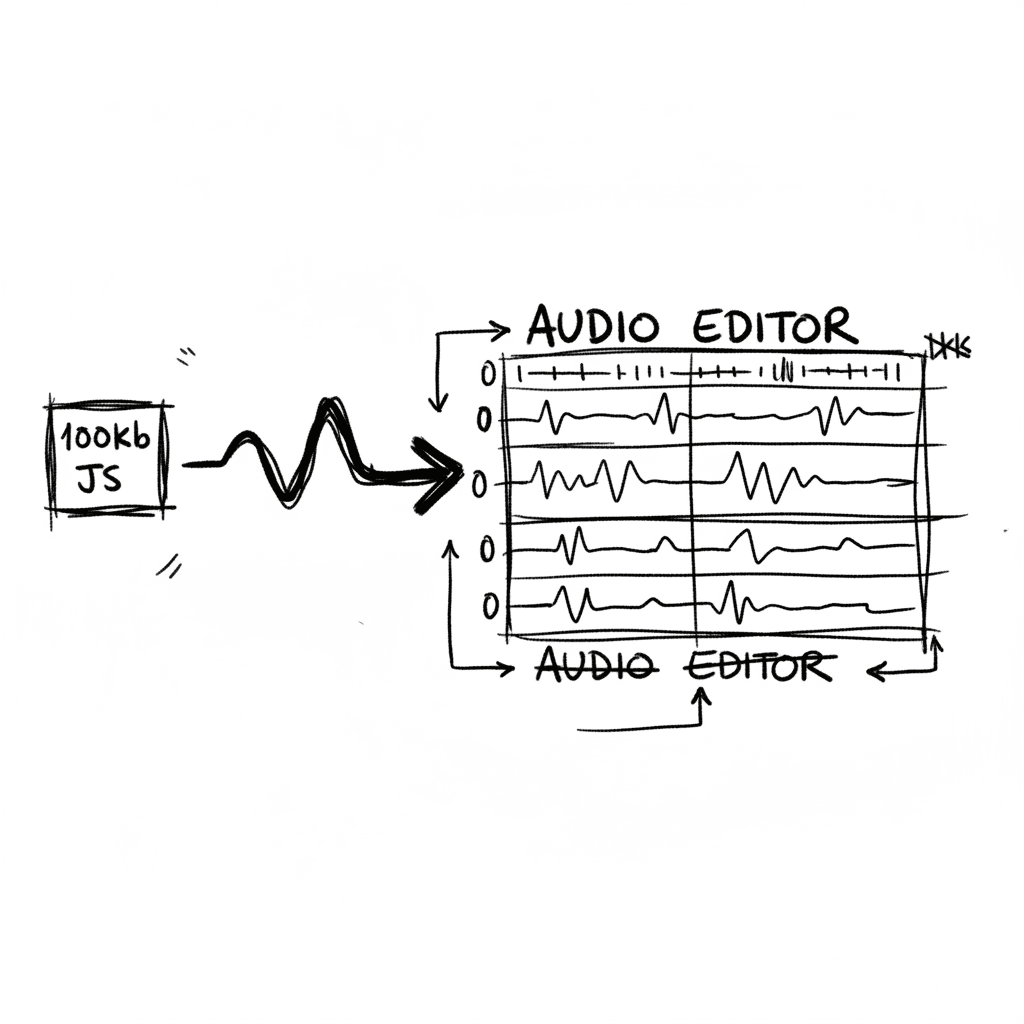
Audiomass: Multitrack Audio Editing via 100kb of Vanilla JavaScript
Audiomass is a browser-based, multitrack audio editor that operates entirely client-side with a remarkably small 100kb footprint (audiomass.co). It provides a workflow reminiscent of classic editors l
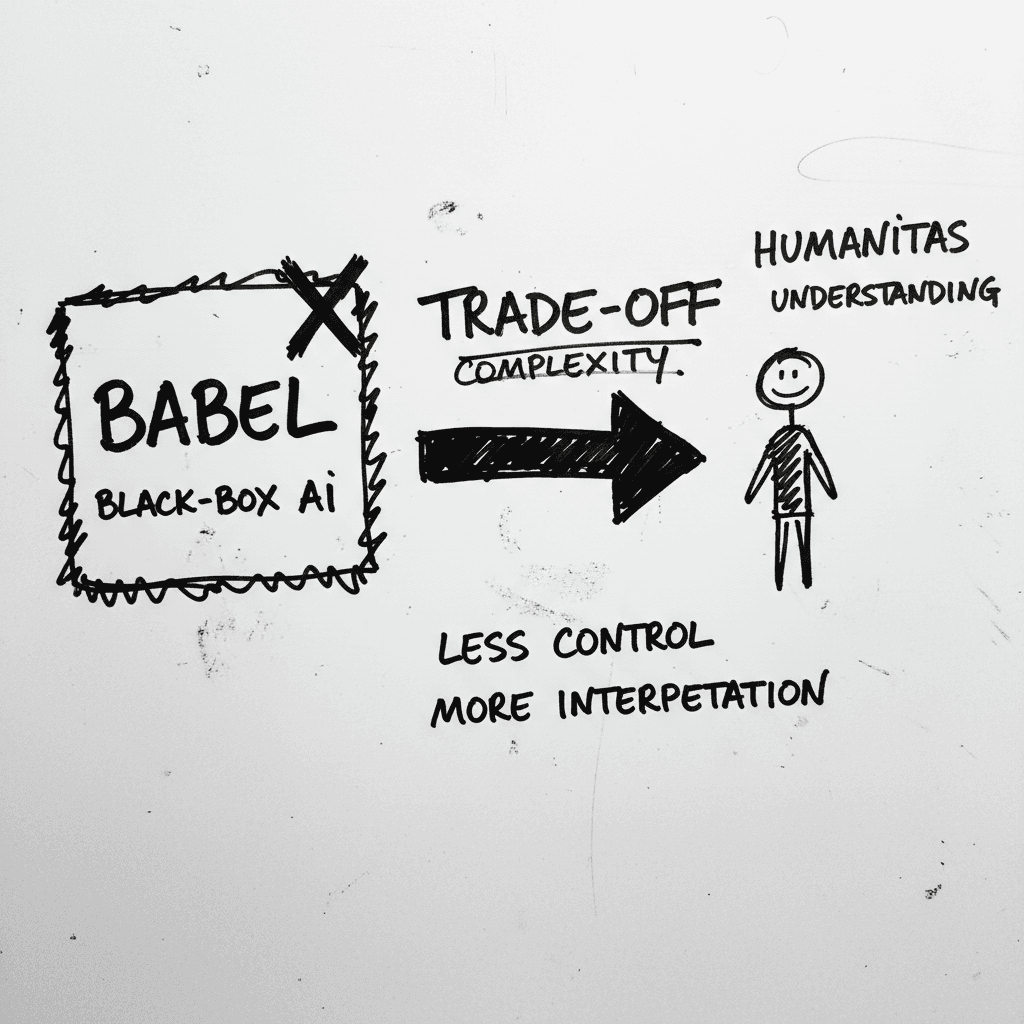
Magnifica Humanitas: The Vatican’s Framework for the GPT-5 Era
The document, signed May 15 and officially released today, was presented at the Vatican alongside Christopher Olah, co-founder of Anthropic and lead of its interpretability team (ncronline.org, Forbes
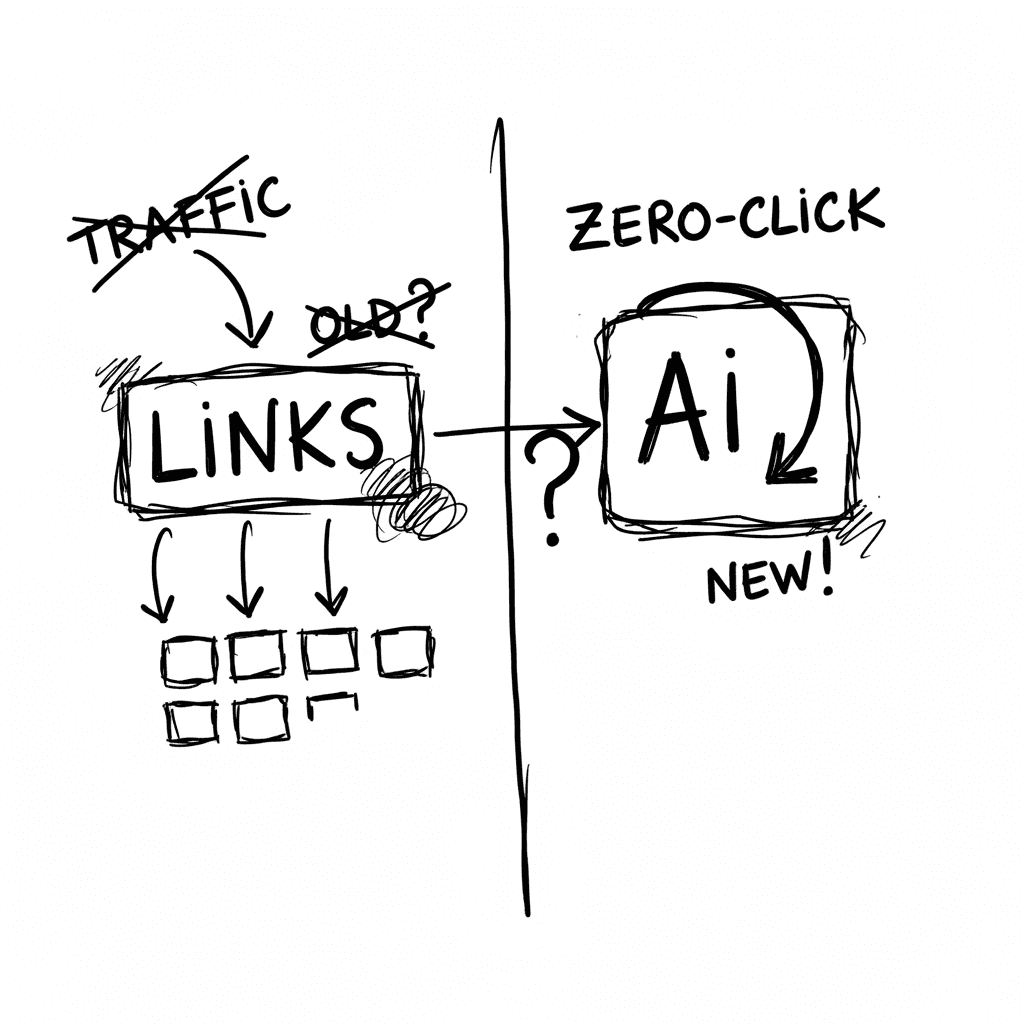
The Zero-Click Economy: Kagi Search vs. Google AI Mode
Google has effectively pivoted to an "answer engine" where Gemini 3.5 Flash provides conversational summaries, while Kagi remains the primary refuge for users seeking a human-centric, ad-free index. W
Stay Ahead of AI Adoption Trends
Get our latest reports and insights delivered to your inbox. No spam, just data.