
GOG Galaxy for Linux — On Our Radar
GOG Galaxy for Linux — On Our Radar

Status: 🟡 Under observation
Why we're talking about it: GOG has finally designated Linux as its "next major frontier" to counter Windows 11 dissatisfaction and Valve's hardware dominance (Source: TechPowerUp).
What we know:
- GOG is currently recruiting Senior C++ Engineers to build a new Galaxy architecture with native Linux support from day one (Source: GOG Job Description, Jan 2026).
- The pivot follows owner Michał Kiciński’s public stance against Windows 11, which he recently labeled "bad software" (Source: PCGamer, Jan 2026).
- Market pressure from a new 2026 Valve 'Steam Machine' release has accelerated GOG's internal development timelines (Source: PC Gamer).
- The GOG Preservation Program has been expanded to ensure legacy titles maintain compatibility with modern Linux kernels (Source: OC3D).
The unknowns:
- We don't know yet when the first public beta executable will be released for community testing.
- It remains unclear if GOG will integrate Valve’s Proton or develop its own proprietary compatibility layer.
- Whether the client will support the management of DRM-free offline installers or mandate a launcher-centric flow is currently unknown.
This article will be updated when we have more data. Until then, proceed with caution.
Ship clean code,
Marcus.
Marcus Webb - Senior Backend Analyst at UsedBy.ai
Related Articles
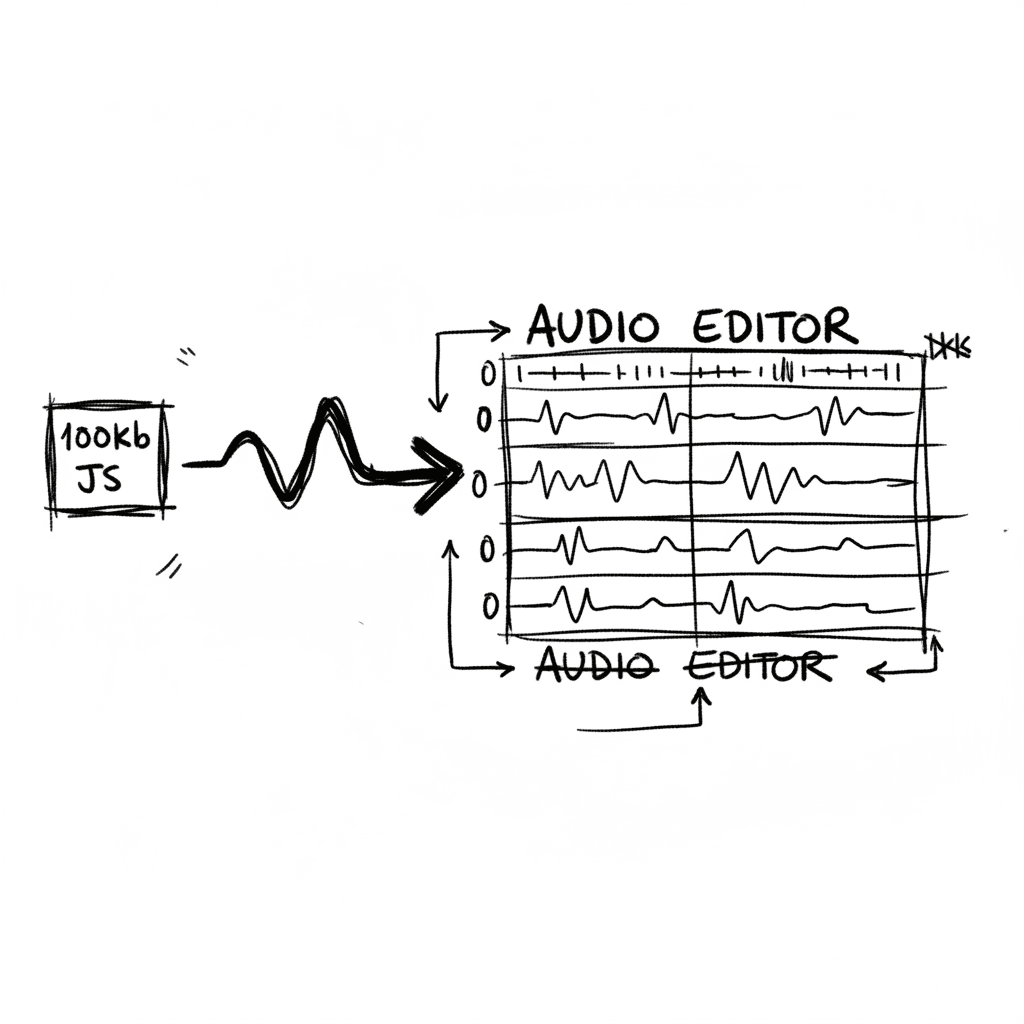
Audiomass: Multitrack Audio Editing via 100kb of Vanilla JavaScript
Audiomass is a browser-based, multitrack audio editor that operates entirely client-side with a remarkably small 100kb footprint (audiomass.co). It provides a workflow reminiscent of classic editors l
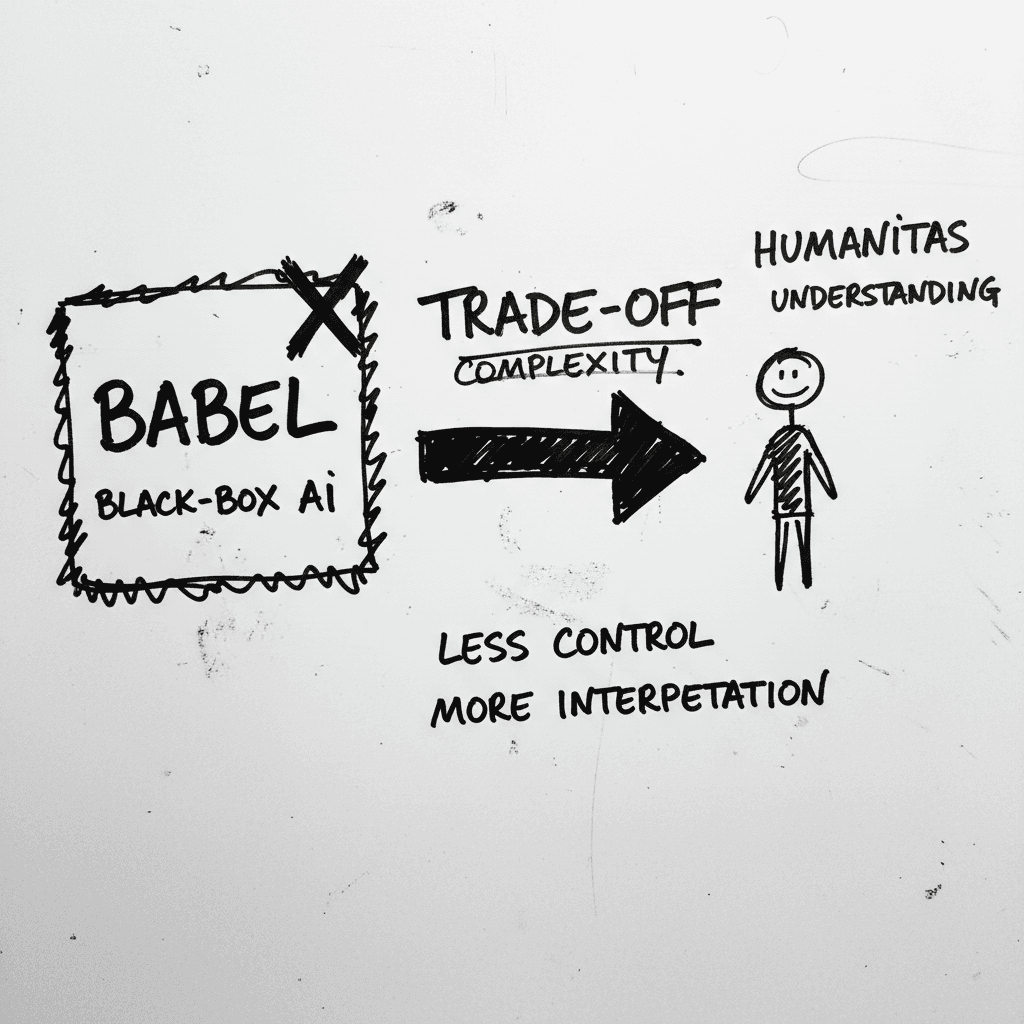
Magnifica Humanitas: The Vatican’s Framework for the GPT-5 Era
The document, signed May 15 and officially released today, was presented at the Vatican alongside Christopher Olah, co-founder of Anthropic and lead of its interpretability team (ncronline.org, Forbes

The Zero-Click Economy: Kagi Search vs. Google AI Mode
Google has effectively pivoted to an "answer engine" where Gemini 3.5 Flash provides conversational summaries, while Kagi remains the primary refuge for users seeking a human-centric, ad-free index. W
Stay Ahead of AI Adoption Trends
Get our latest reports and insights delivered to your inbox. No spam, just data.