
GPT-5.5 and the Infrastructure Costs of Agentic Autonomy
OpenAI’s GPT-5.5 achieves a 20% increase in token generation speed through model-written heuristic algorithms that manage self-optimized GPU partitioning (OpenAI Developer Community, April 23, 2026).

The Pitch
OpenAI’s GPT-5.5 achieves a 20% increase in token generation speed through model-written heuristic algorithms that manage self-optimized GPU partitioning (OpenAI Developer Community, April 23, 2026). The model is specifically architected for agentic coding and autonomous computer use, running on dedicated NVIDIA GB200/300 NVL72 clusters (NVIDIA Blog). It aims to recapture the lead in technical benchmarks while shifting the focus toward "real work" efficiency rather than simple conversational depth.
Under the Hood
The model currently holds the top spot on Terminal-Bench 2.0 with a score of 82.7%, marginally surpassing Anthropic’s Claude Opus 4.7 (VentureBeat, April 23, 2026). This performance is underpinned by hardware co-designed with NVIDIA, allowing the model to handle the high compute demands of recursive reasoning tasks.
However, the performance lead is inconsistent across specialized domains. In cybersecurity benchmarks, GPT-5.5 trails the gated 'Claude Mythos' model, scoring 82% against Mythos’s 83.1% (UsedBy Dossier). Anthropic has also raised concerns regarding potential data memorization within OpenAI's SWE-bench Pro scores, suggesting the results may be inflated (Decrypt).
Accessing these capabilities is currently both expensive and operationally risky. Official pricing is fixed at $5 per 1M input and $30 per 1M output tokens, which is a 100% increase over GPT-5.4 base rates (NeonRev, April 24, 2026). Early adopters on the OpenAI Dev Forum report burning $100 in a single hour due to the high token overhead required for "reasoning" steps in agentic workflows.
The current integration method is a significant security liability. Because the official GPT-5.5 API lacks a public release date, developers are using the OpenClaw framework as a "backdoor" (UsedBy Dossier). Despite OpenAI hiring OpenClaw creator Peter Steinberger in February 2026, the framework maintains a ZeroLeaks security score of only 2/100 (Business Insider, The Decoder).
High vulnerability to prompt injection makes this access method unsuitable for any system interacting with production databases or sensitive user data. We don't know yet when a native, secure API will be available, nor is there information regarding availability for free-tier users, as it remains restricted to Plus, Pro, and Enterprise accounts (UsedBy Dossier).
Furthermore, we are still waiting for matched re-run data for Terminal-Bench 2.1. This is necessary to resolve ongoing discrepancies between OpenAI’s reported figures and the scores observed in Anthropic's Mythos environment (UsedBy Dossier).
Marcus's Take
GPT-5.5 is a hardware-flex masquerading as a software update. While the 20% speed boost via self-optimized partitioning is a neat engineering feat, the $30/1M output price point makes it an expensive luxury for standard CI/CD pipelines.
More importantly, using the OpenClaw framework to bridge the API gap is a security nightmare that no responsible lead dev should allow near a production environment. The prompt injection risks are too high for the marginal gains in coding autonomy. Keep this in the sandbox for local prototyping until a native, secure API is released. Skip it for production.
Ship clean code,
Marcus.
Marcus Webb - Senior Backend Analyst at UsedBy.ai
Related Articles
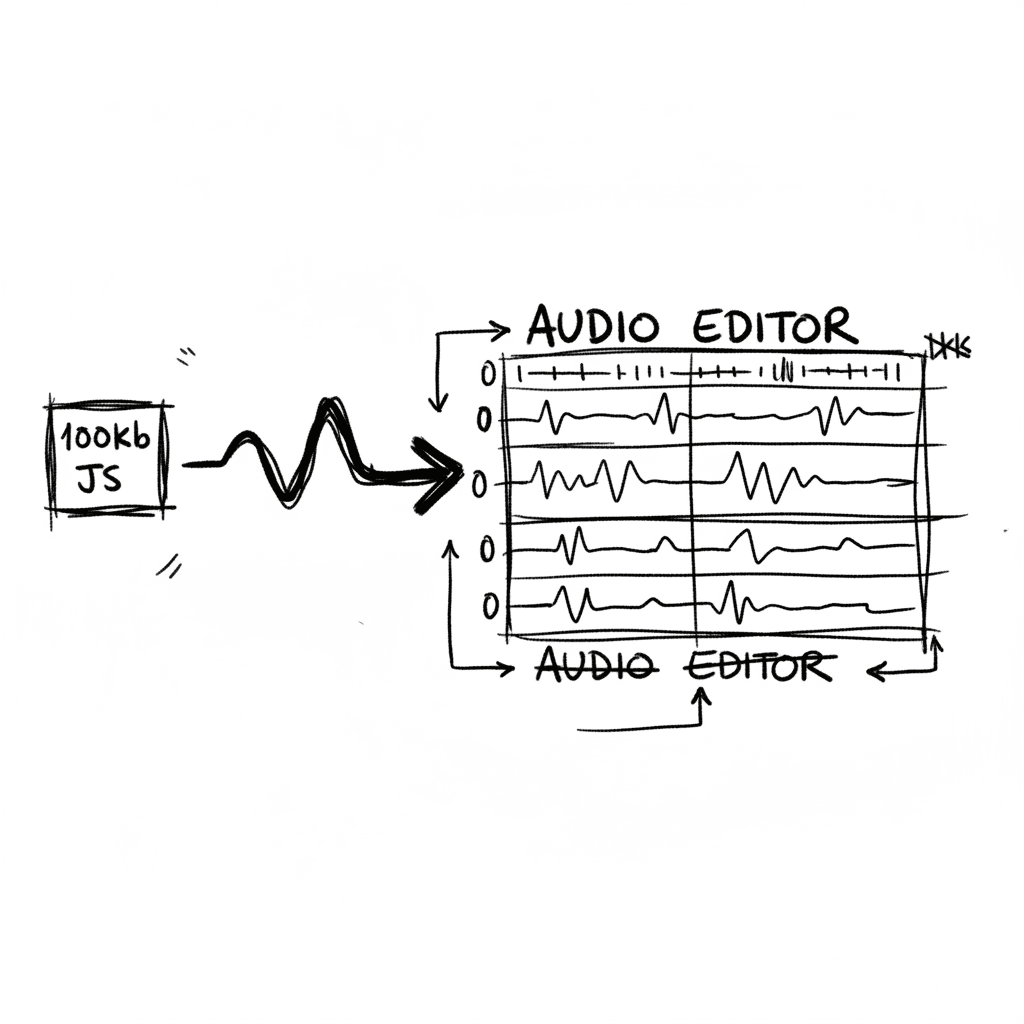
Audiomass: Multitrack Audio Editing via 100kb of Vanilla JavaScript
Audiomass is a browser-based, multitrack audio editor that operates entirely client-side with a remarkably small 100kb footprint (audiomass.co). It provides a workflow reminiscent of classic editors l
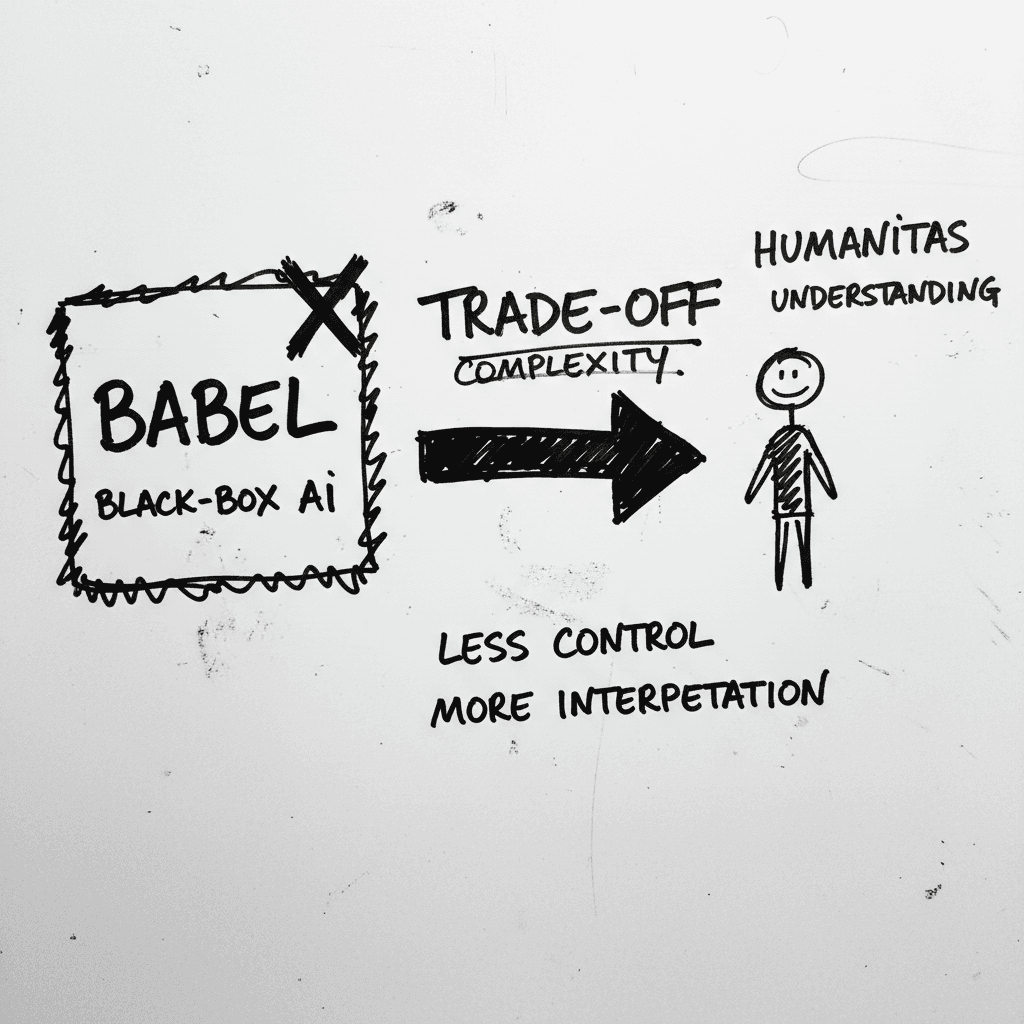
Magnifica Humanitas: The Vatican’s Framework for the GPT-5 Era
The document, signed May 15 and officially released today, was presented at the Vatican alongside Christopher Olah, co-founder of Anthropic and lead of its interpretability team (ncronline.org, Forbes
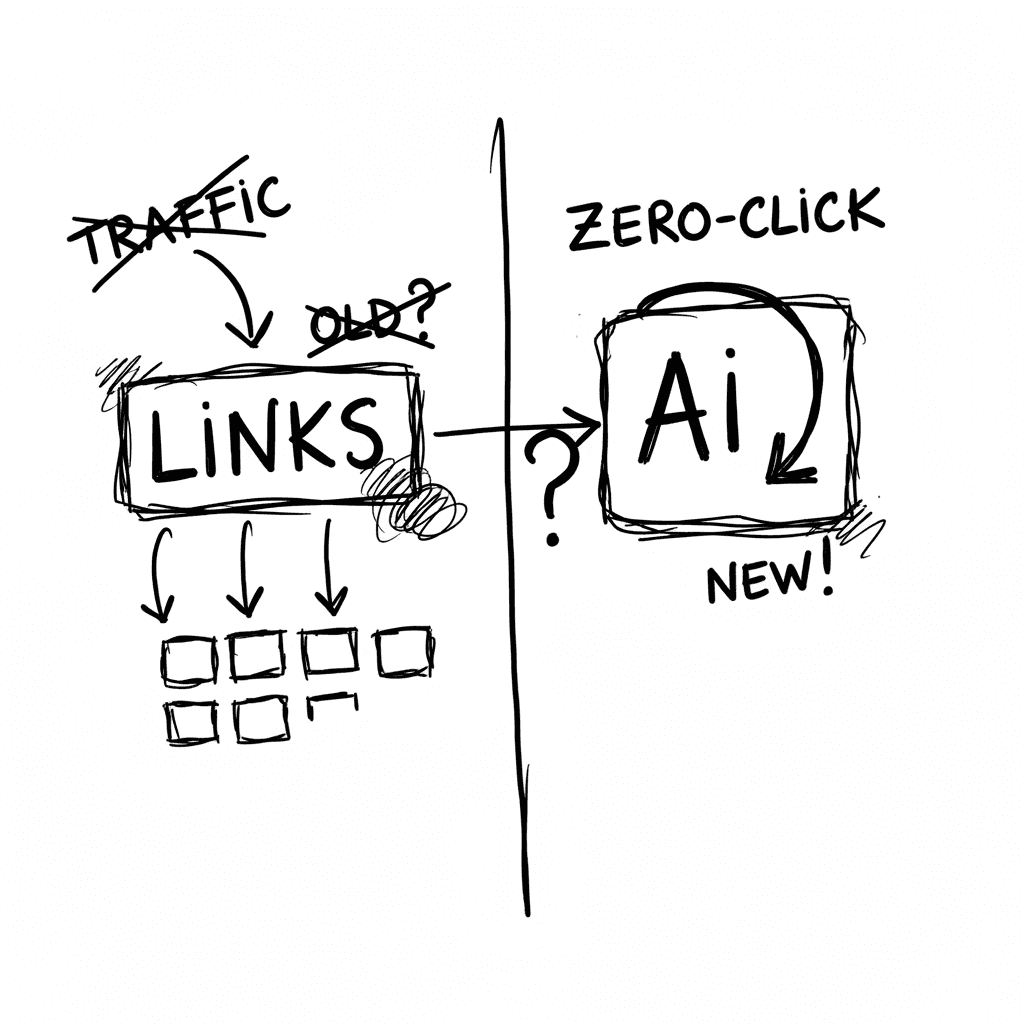
The Zero-Click Economy: Kagi Search vs. Google AI Mode
Google has effectively pivoted to an "answer engine" where Gemini 3.5 Flash provides conversational summaries, while Kagi remains the primary refuge for users seeking a human-centric, ad-free index. W
Stay Ahead of AI Adoption Trends
Get our latest reports and insights delivered to your inbox. No spam, just data.