
Hex Map WFC: WebGPU Performance and Local Constraint Limitations
Felix Turner's Hex Map WFC utilizes WebGPU and Three.js TSL shaders to generate procedural medieval islands directly in the browser. It attempts to manage over 4,100 cells at high frame rates by using

The Pitch
Felix Turner's Hex Map WFC utilizes WebGPU and Three.js TSL shaders to generate procedural medieval islands directly in the browser. It attempts to manage over 4,100 cells at high frame rates by using WebGPU for high-performance rendering (GitHub).
Under the Hood
The system architecture relies on a three-layer modular approach: Terrain, Features, and Decorations (Article). To handle local contradictions during the generation process, the engine implements a 500-step backtracking limit (Article). Turner, an established creative technologist, has optimized the rendering for modern GPU acceleration (Airtight.cc).
However, the "Wave Function Collapse" label is a misnomer in this specific implementation. Senior developers note that the engine functions as a hard-coded constraint solver rather than a learning algorithm that infers rules from samples (HN). This lack of global logic means that rivers and roads fail to form continuous, sensible paths across the map (HN).
Performance parity is another concern for those not running flagship 2026 hardware. While the developer targets 60 FPS, users on 2021-era legacy machines report frame rates as low as 5 FPS (HN). "Mobile-ready" appears to be a term applied with significant optimism regarding the average user's hardware.
We currently lack success rate metrics for Layer 3 decorations, with only Layer 2 confirmed at 86% (Article). Additionally, there are no efficiency benchmarks comparing this hard-coded approach to modern LLM-native procedural engines (missing_info). Engines utilizing Claude 4.5 Opus or GPT-5 for real-time asset placement remain the current industry standard for coherence.
Marcus's Take
Hex Map WFC is a brilliant technical demonstration of WebGPU's potential, but it is not a production-grade map generator. The absence of global coherence makes the resulting islands look like a collection of disjointed assets rather than a functional environment. It is a solid resource for studying TSL shaders, but for actual game development, the lack of logical river and road pathing is a dealbreaker. Play with the demo, but keep your world-gen backend elsewhere.
Ship clean code,
Marcus.
Marcus Webb - Senior Backend Analyst at UsedBy.ai
Related Articles
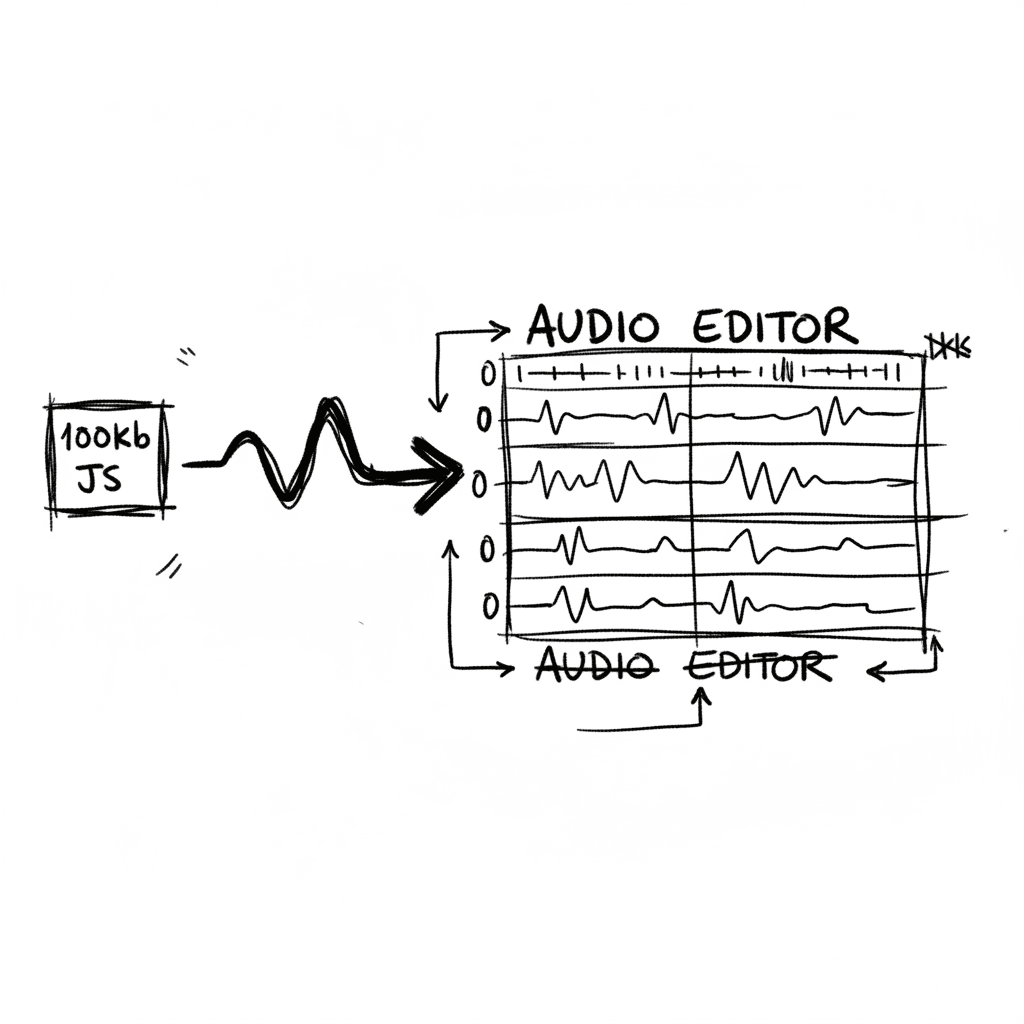
Audiomass: Multitrack Audio Editing via 100kb of Vanilla JavaScript
Audiomass is a browser-based, multitrack audio editor that operates entirely client-side with a remarkably small 100kb footprint (audiomass.co). It provides a workflow reminiscent of classic editors l
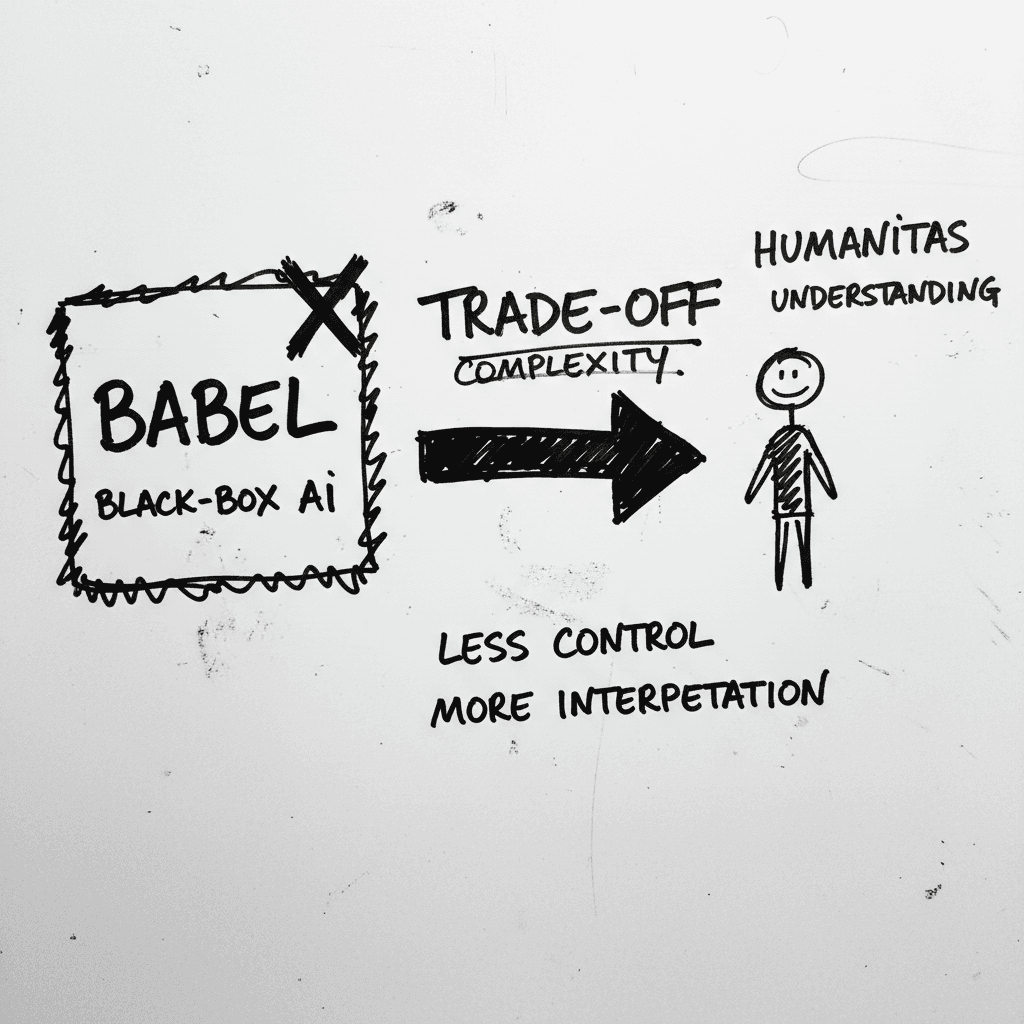
Magnifica Humanitas: The Vatican’s Framework for the GPT-5 Era
The document, signed May 15 and officially released today, was presented at the Vatican alongside Christopher Olah, co-founder of Anthropic and lead of its interpretability team (ncronline.org, Forbes

The Zero-Click Economy: Kagi Search vs. Google AI Mode
Google has effectively pivoted to an "answer engine" where Gemini 3.5 Flash provides conversational summaries, while Kagi remains the primary refuge for users seeking a human-centric, ad-free index. W
Stay Ahead of AI Adoption Trends
Get our latest reports and insights delivered to your inbox. No spam, just data.