
Jsongrep: Single-Pass DFA Search and the Trade-off of Niche Utility
Critical feedback from the engineering community suggests that the benchmarks may be less relevant in a 2026 context. Current tests use "xLarge" files of approximately 190MiB, which many backend engin

The Pitch
Jsongrep is a Rust-based tool designed to search JSON data using a Deterministic Finite Automaton (DFA) to achieve O(1) work per input symbol. It is currently gaining traction on Hacker News as a high-performance alternative for developers who find the overhead of jq or jmespath prohibitive for massive datasets (Source: UsedBy Dossier).
Under the Hood
The core technical advantage of jsongrep is its use of Glushkov's algorithm to compile queries into a DFA, ensuring the tool never needs to backtrack during execution (Source: micahkepe.com). This approach allows for consistent, single-pass processing that remains efficient regardless of query complexity. Benchmarks conducted via Criterion.rs indicate significant performance leads over jaq and gojq in raw search speed (Source: GitHub).
The tool has received a rare endorsement from the creator of jaq, who noted the "solid benchmarks" and the cleverness of the DFA implementation (Source: Reddit r/rust). However, this performance comes with a strict "anti-pitch": jsongrep is a search tool, not a transformation engine. It lacks filters, arithmetic operations, and string manipulation capabilities (Source: Official Blog).
Critical feedback from the engineering community suggests that the benchmarks may be less relevant in a 2026 context. Current tests use "xLarge" files of approximately 190MiB, which many backend engineers consider small for modern production environments (Source: HN). Furthermore, the tool's UI remains unpolished, with reported issues regarding broken color schemes in light mode and confusing benchmark visualizations (Source: HN).
We do not yet know if jsongrep will support binary JSON formats or non-UTF8 encodings. There is also no public long-term maintenance roadmap, as the project originated from undergraduate research rather than an enterprise-backed initiative (Source: UsedBy Dossier).
Marcus's Take
Jsongrep is a specialized instrument, not a general-purpose replacement for your existing JSON stack. If you are processing multi-gigabyte log streams where every millisecond translates to infrastructure costs, the single-pass DFA approach is a legitimate optimization. For the remaining 99% of tasks where jq or jaq finish in under a second, switching to a tool with ~100 stars and no transformation logic is a premature optimization. Use it for high-frequency ingestion pipelines, but skip it for your local dev environment.
Ship clean code,
Marcus.
Marcus Webb - Senior Backend Analyst at UsedBy.ai
Related Articles
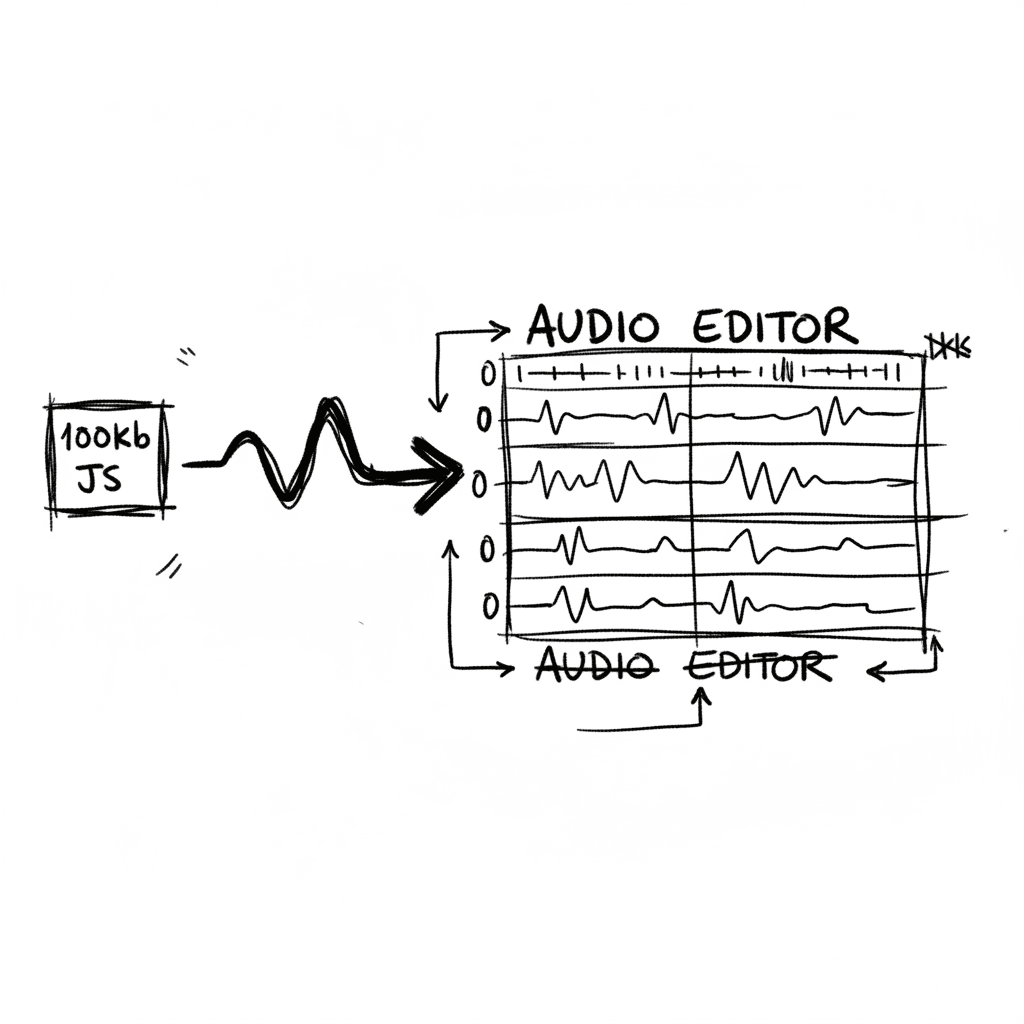
Audiomass: Multitrack Audio Editing via 100kb of Vanilla JavaScript
Audiomass is a browser-based, multitrack audio editor that operates entirely client-side with a remarkably small 100kb footprint (audiomass.co). It provides a workflow reminiscent of classic editors l
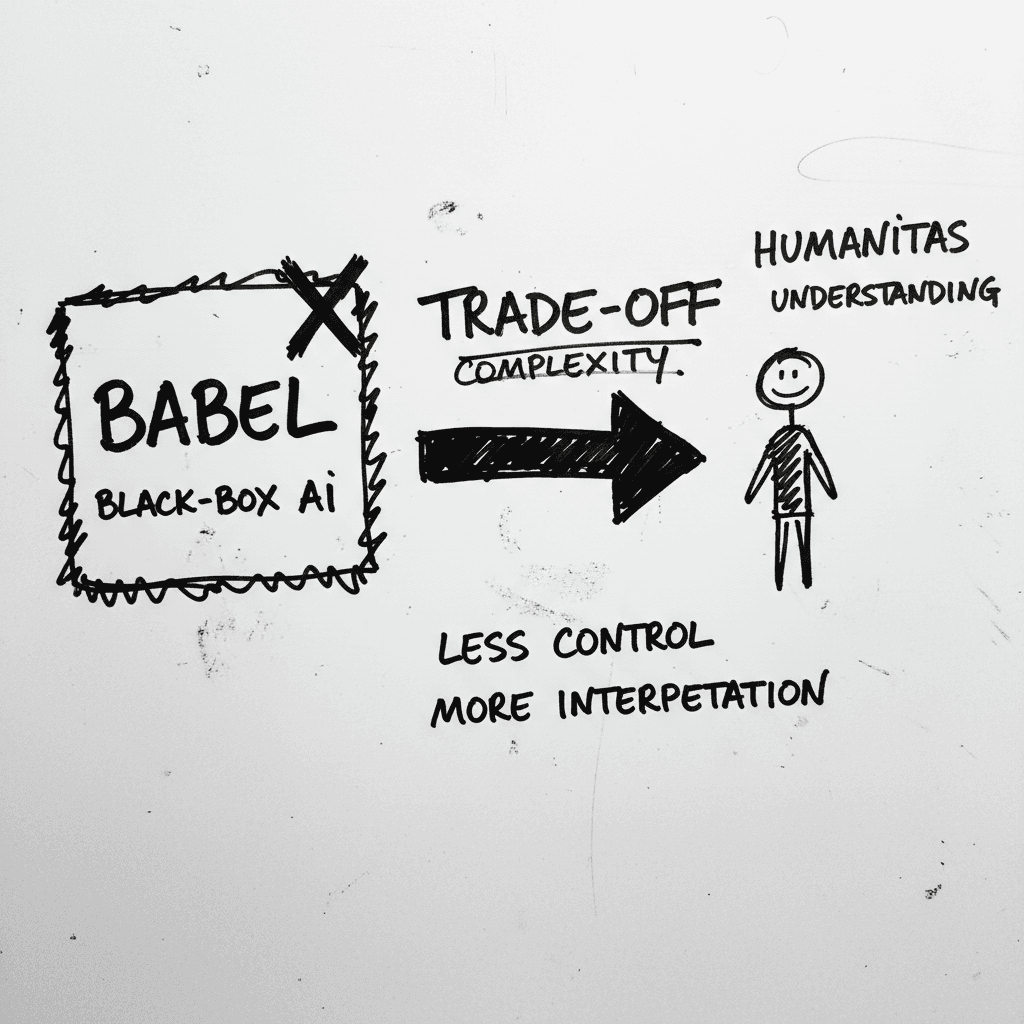
Magnifica Humanitas: The Vatican’s Framework for the GPT-5 Era
The document, signed May 15 and officially released today, was presented at the Vatican alongside Christopher Olah, co-founder of Anthropic and lead of its interpretability team (ncronline.org, Forbes
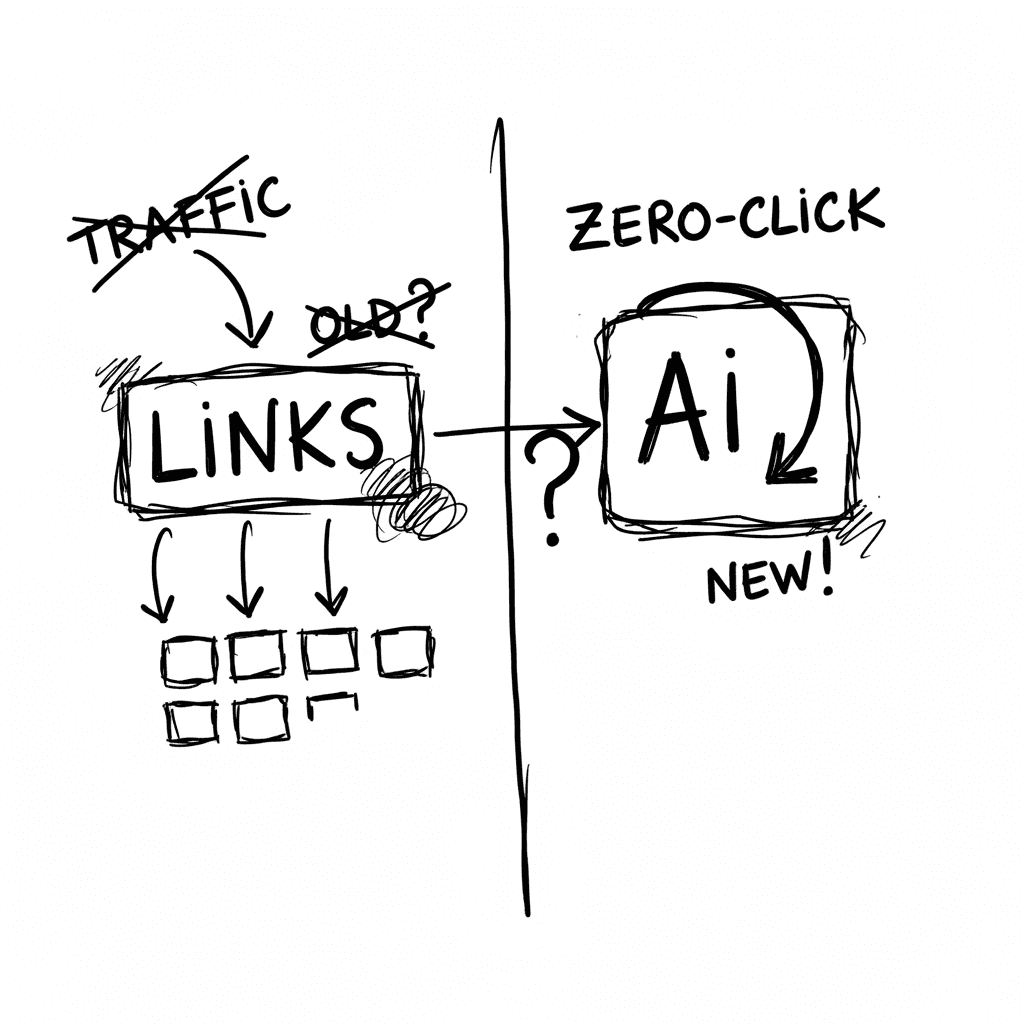
The Zero-Click Economy: Kagi Search vs. Google AI Mode
Google has effectively pivoted to an "answer engine" where Gemini 3.5 Flash provides conversational summaries, while Kagi remains the primary refuge for users seeking a human-centric, ad-free index. W
Stay Ahead of AI Adoption Trends
Get our latest reports and insights delivered to your inbox. No spam, just data.