
Kagi Translate and the LinkedIn Speak Dialect: Technical Analysis
Kagi Translate has deployed a specialised "LinkedIn Speak" mode designed to transform raw input into corporate-synergy-heavy social media content. It leverages current-gen LLM backends to prioritise i

The Pitch
Kagi Translate has deployed a specialised "LinkedIn Speak" mode designed to transform raw input into corporate-synergy-heavy social media content. It leverages current-gen LLM backends to prioritise intent and tone over literal word-for-word translation (source: UsedBy Dossier).
Under the Hood
Kagi utilizes a multi-model backend, likely orchestrating Claude 4.5 and GPT-5 to achieve these high-context results (Kagi Internal Documentation 2026). This approach allows the tool to rework high-contrast inputs—like turning aggressive copypasta into a professional, high-stakes resume—with high accuracy (source: HN).
Latency remains the primary technical bottleneck. Because the system utilizes 2026-era reasoning models like Claude 4.5 Opus, translation speeds are significantly lower than legacy neural machine translation tools (source: r/SearchKagi). This is the price of using a heavy LLM compute for what used to be a lightweight task.
There are also notable safety concerns regarding how the model "sanitises" harmful content. Instead of a hard block, the tool has been observed translating death threats into corporate euphemisms about "transitioning to next chapters" (source: HN). This could potentially mask cyberbullying within internal communication logs or automated moderation systems.
We don't know yet which specific model handles the LinkedIn dialect or if a specialized fine-tune is involved. Furthermore, Kagi has not confirmed API availability for this specific dialect via their developer portal, making automated integration difficult (UsedBy Dossier).
Free users currently face aggressive Cloudflare Turnstile bot protection to prevent scraping. Full performance and higher usage tiers are gated behind Kagi's Ultimate subscription plans, which may limit its adoption for casual developers (source: Kagi Docs 2026).
Marcus's Take
Kagi Translate is a clever application of LLM-driven style transfer, but it is currently a novelty rather than a production-ready utility. The latency issues make it unsuitable for real-time applications, and the tendency to "sanitise" rather than block hostile text is a liability for any platform integration. The Navy Seal copypasta as a resume is probably more honest than half the profiles I see anyway, but you should keep this tool out of your production stack.
Ship clean code,
Marcus.
Marcus Webb - Senior Backend Analyst at UsedBy.ai
Related Articles
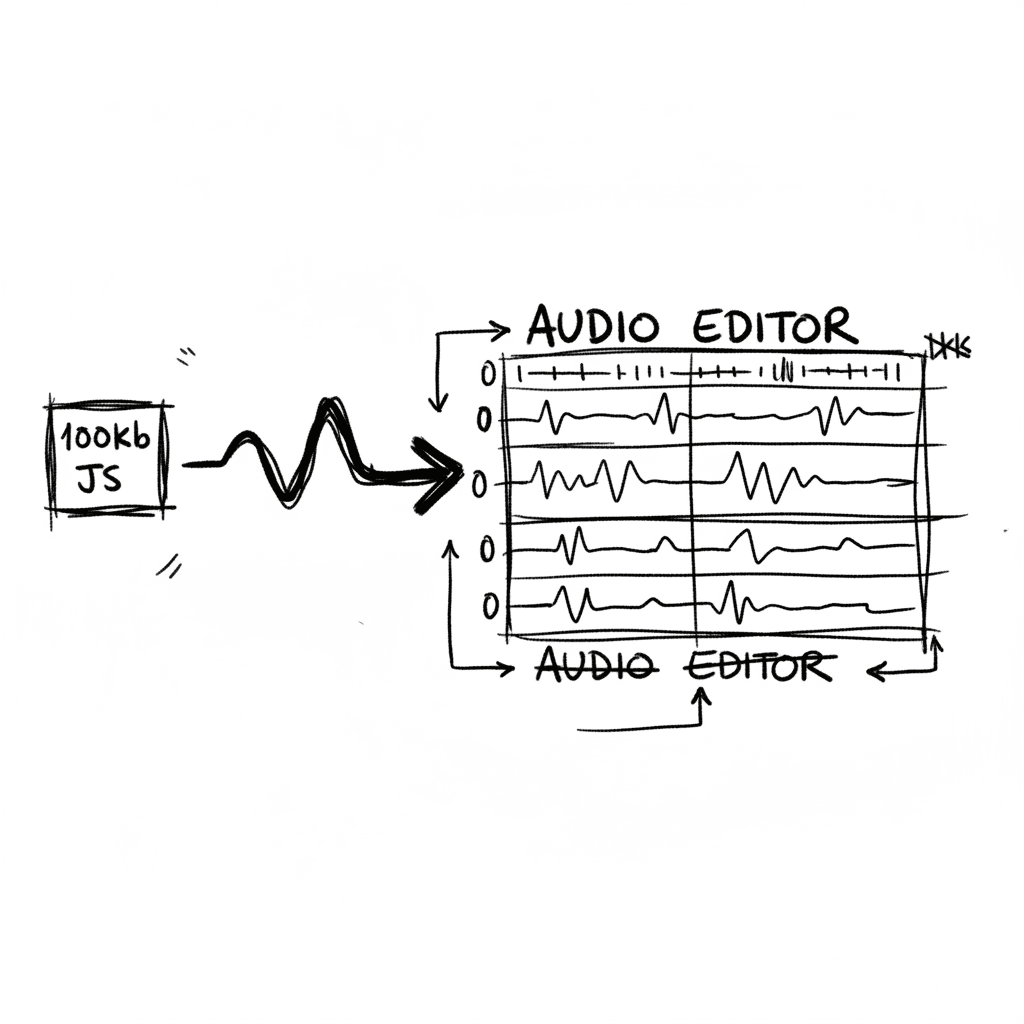
Audiomass: Multitrack Audio Editing via 100kb of Vanilla JavaScript
Audiomass is a browser-based, multitrack audio editor that operates entirely client-side with a remarkably small 100kb footprint (audiomass.co). It provides a workflow reminiscent of classic editors l
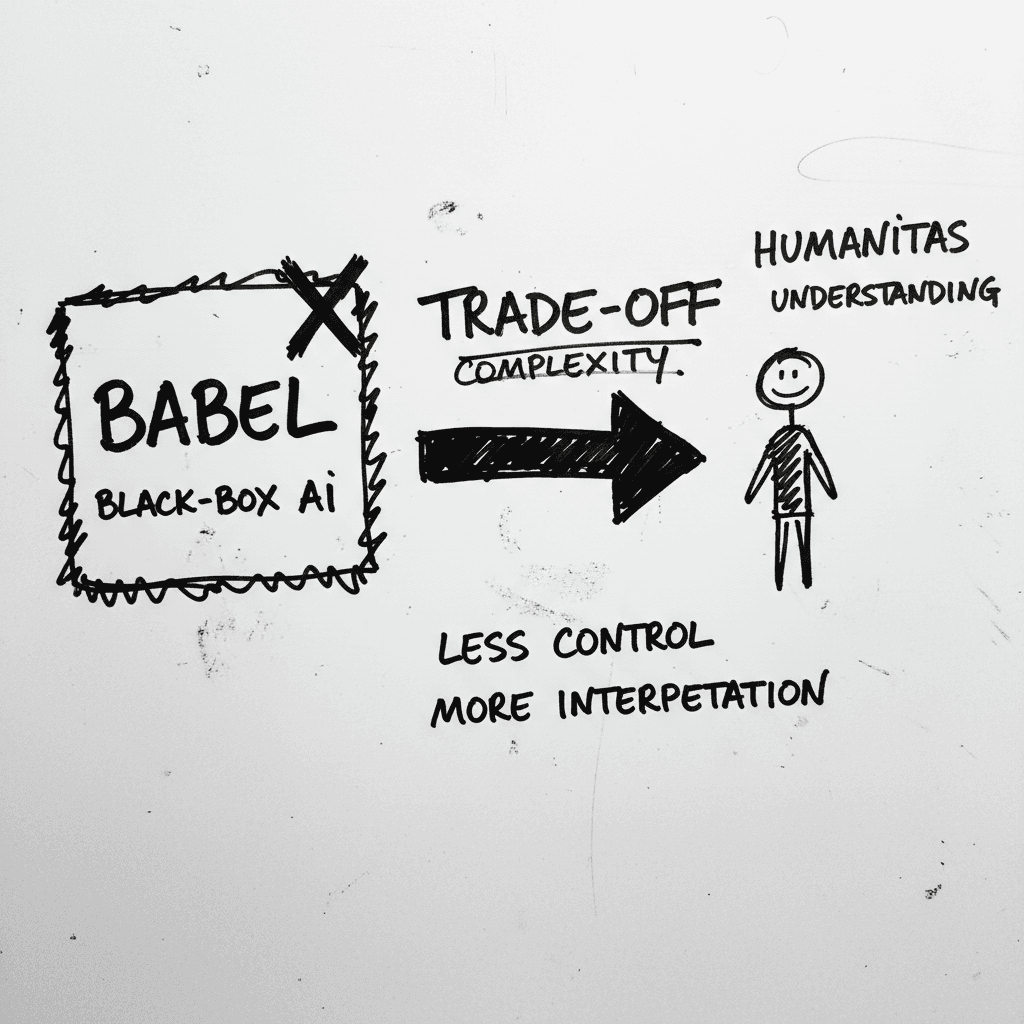
Magnifica Humanitas: The Vatican’s Framework for the GPT-5 Era
The document, signed May 15 and officially released today, was presented at the Vatican alongside Christopher Olah, co-founder of Anthropic and lead of its interpretability team (ncronline.org, Forbes
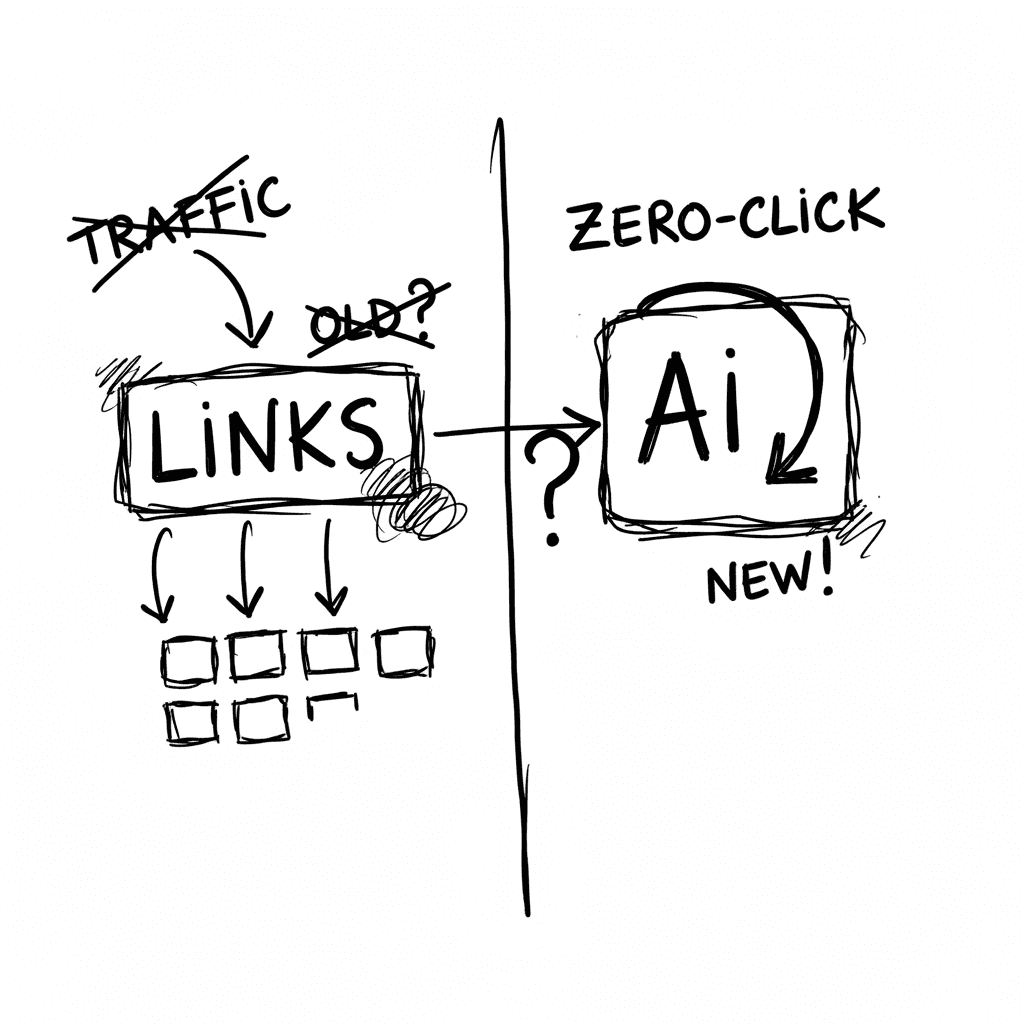
The Zero-Click Economy: Kagi Search vs. Google AI Mode
Google has effectively pivoted to an "answer engine" where Gemini 3.5 Flash provides conversational summaries, while Kagi remains the primary refuge for users seeking a human-centric, ad-free index. W
Stay Ahead of AI Adoption Trends
Get our latest reports and insights delivered to your inbox. No spam, just data.