
Leanstral: Mistral’s Formal Verification Framework for Agentic Workflows
Leanstral is an open-source agentic framework designed for formal proof engineering that utilizes the Lean 4 verification language to ensure code conforms to exact specifications (Mistral AI Blog). It

The Pitch
Leanstral is an open-source agentic framework designed for formal proof engineering that utilizes the Lean 4 verification language to ensure code conforms to exact specifications (Mistral AI Blog). It is currently being positioned as a strategic European alternative to US-based frontier models, specifically targeting "trustworthy coding" through automated verification (HN Comment).
Under the Hood
Leanstral’s primary technical contribution is the automation of the Red-Green-Refactor cycle within a formal verification environment. By integrating directly with Lean 4, the framework successfully diagnoses bugs using 'definitional equality' checks, which offers a higher level of rigor than standard unit tests (HN Comment).
The framework attempts to solve the problem of context window bloat by using executable verification suites instead of the heavy markdown specifications often required by general-purpose agents (HN Comment). This approach theoretically keeps the inference focused on logic rather than parsing prose, though the actual efficiency gains are debated.
Early performance benchmarks indicate a significant lag behind Claude 4.5 Opus in complex reasoning tasks (HN Comment). Despite its specialization in formal methods, the model often struggles to match the generalist logic capabilities of the current frontier models from Anthropic or OpenAI.
Operating Leanstral is currently resource-intensive. Specialist agents within the framework often require multiple iterative loops to reach formal verification, resulting in inference costs that can be 6x less efficient than one-shot generation from leading proprietary models (HN Comment).
Several critical data points remain undisclosed. We do not know yet if the framework will be released under an Apache 2.0 or a more restrictive Mistral Research License (UsedBy Dossier). Furthermore, there is no public data on success rates for mainstream languages like Rust or Go, nor are there benchmarks comparing it to GPT-5’s new Reasoning-Pro mode (UsedBy Dossier).
Marcus's Take
Leanstral is a sophisticated piece of engineering that will remain a niche interest until it can prove its utility outside of Lean 4 proofs. Using this for a standard backend service would be like using a scalpel to open a tin of beans—technically precise, but unnecessarily painful. While the push for European sovereignty in AI is noted, the 6x efficiency penalty and performance gap compared to Claude 4.5 Opus make it a hard sell for production environments. Keep it for your high-assurance side projects, but stick to the frontier models for everything else.
Ship clean code,
Marcus.
Marcus Webb - Senior Backend Analyst at UsedBy.ai
Related Articles
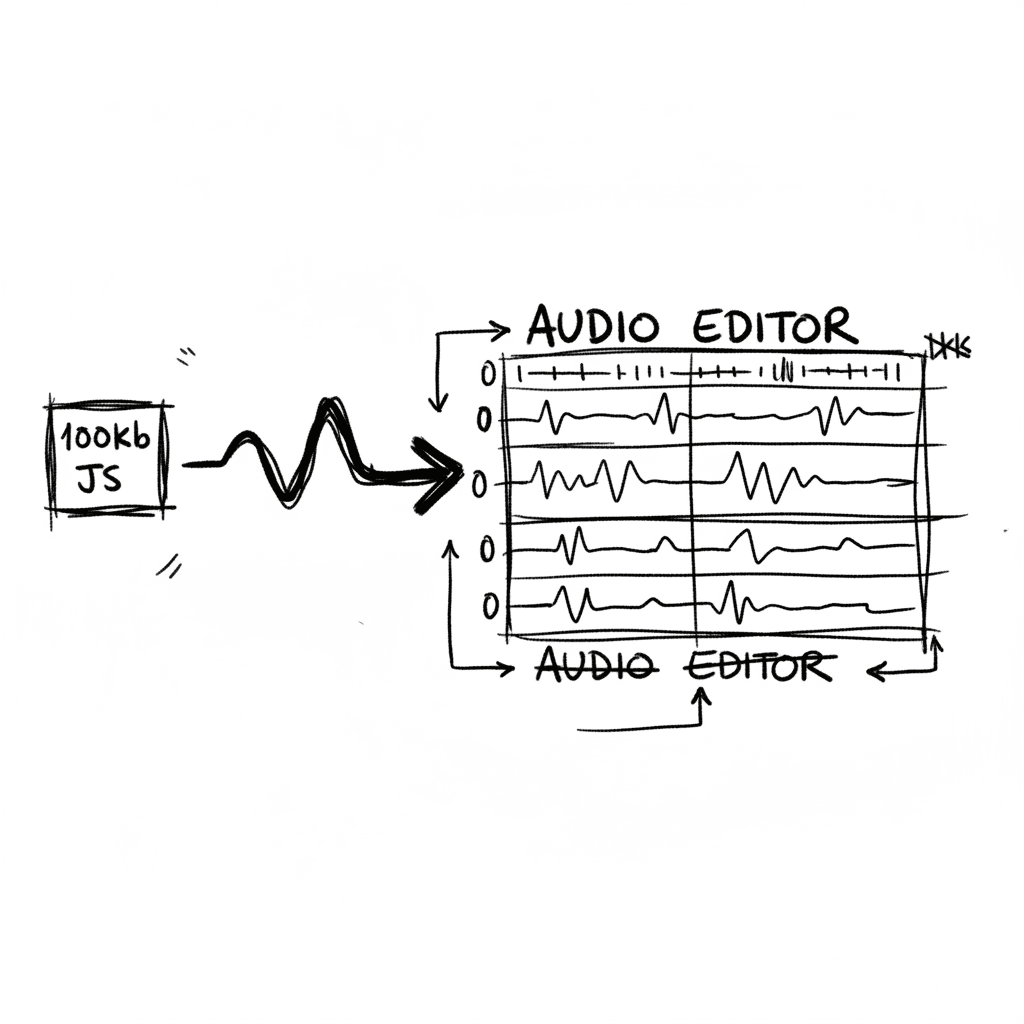
Audiomass: Multitrack Audio Editing via 100kb of Vanilla JavaScript
Audiomass is a browser-based, multitrack audio editor that operates entirely client-side with a remarkably small 100kb footprint (audiomass.co). It provides a workflow reminiscent of classic editors l
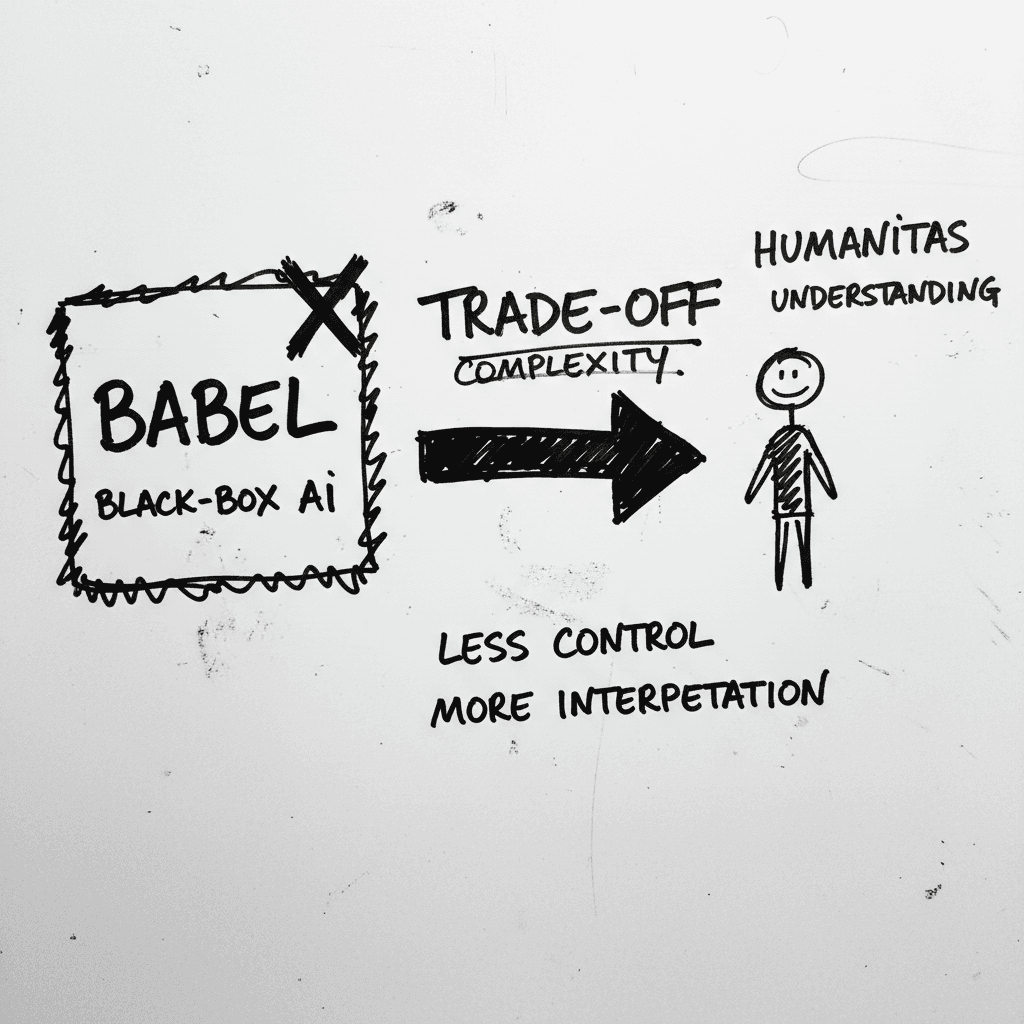
Magnifica Humanitas: The Vatican’s Framework for the GPT-5 Era
The document, signed May 15 and officially released today, was presented at the Vatican alongside Christopher Olah, co-founder of Anthropic and lead of its interpretability team (ncronline.org, Forbes
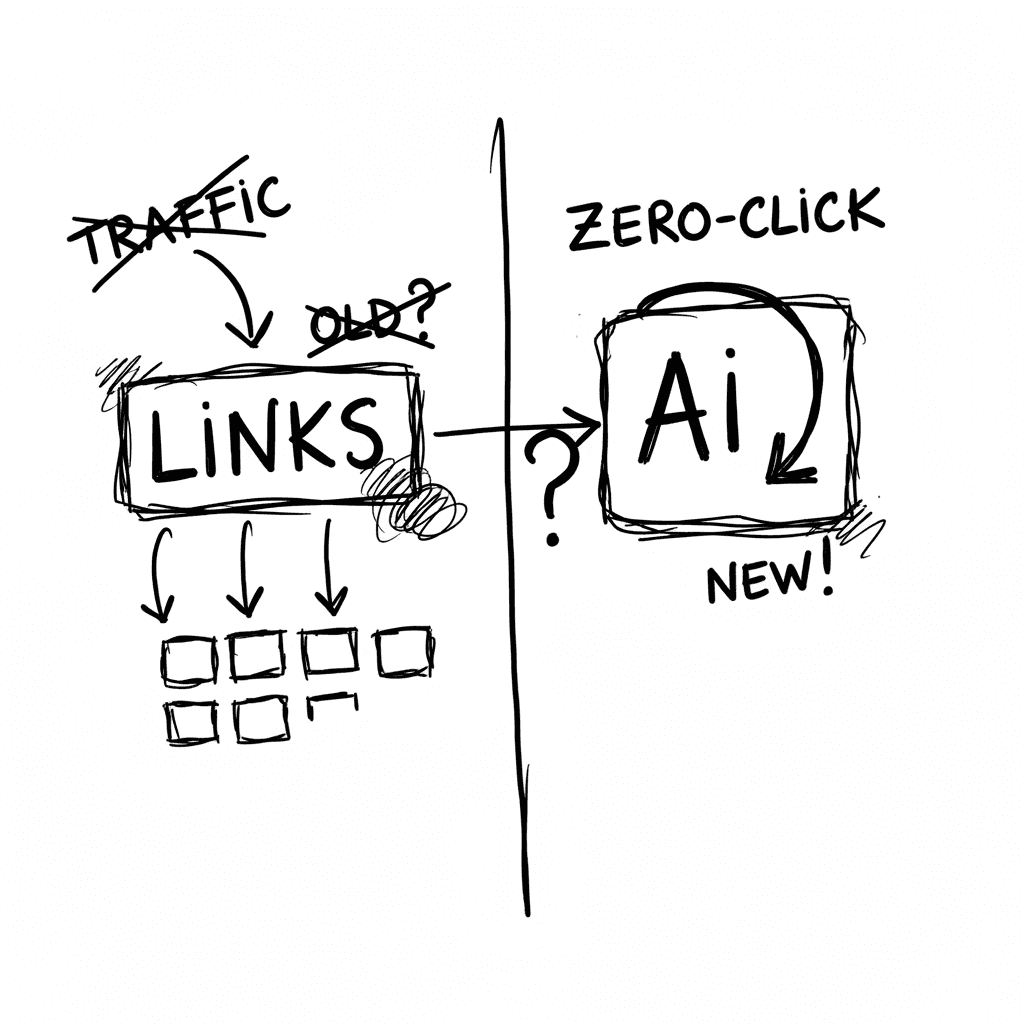
The Zero-Click Economy: Kagi Search vs. Google AI Mode
Google has effectively pivoted to an "answer engine" where Gemini 3.5 Flash provides conversational summaries, while Kagi remains the primary refuge for users seeking a human-centric, ad-free index. W
Stay Ahead of AI Adoption Trends
Get our latest reports and insights delivered to your inbox. No spam, just data.