
Meta’s jemalloc Reboot: Tactical Response to the 2026 Memory Crisis
Meta has officially unarchived the jemalloc repository to address escalating infrastructure costs driven by the current global DRAM shortage (Meta Engineering Blog). The 2026 roadmap focuses on Huge-P

The Pitch
Meta has officially unarchived the jemalloc repository to address escalating infrastructure costs driven by the current global DRAM shortage (Meta Engineering Blog). The 2026 roadmap focuses on Huge-Page Allocator (HPA) efficiency and AArch64 performance to mitigate the 170% surge in memory prices (AdwaitX/Digital Watch 2026). This move signifies a shift from general-purpose allocation to aggressive cost-containment for hyperscalers.
Under the Hood
Meta is prioritising a new HPA and advanced purging mechanisms to combat high operational expenses (Meta Engineering). This shift follows a period of "technical drift" where the codebase reportedly degraded between 2017 and 2025, leading to its brief archival (jasone.github.io). Original creator Jason Evans cited a failure to maintain code rigour during this period, making the 2026 reboot a heavy lift for the current maintainers.
With memory prices quadrupling since late 2025, allocator efficiency is no longer a micro-optimisation but a financial necessity (AdwaitX/Digital Watch 2026). However, the technical debt accumulated over the last decade remains a significant hurdle for the project. Furthermore, Meta’s specialised purging often requires non-upstreamed kernel patches, which can create "maintenance islands" for teams without Meta-level engineering resources (HN Comment analysis).
Competition in the space has moved on while jemalloc was stagnant. Microsoft’s mimalloc (v3.2.8) currently maintains a performance edge in low-latency and small-object benchmarks (mimalloc GitHub 2026). We don't know yet how the modernized jemalloc compares in direct head-to-head benchmarks against mimalloc v3.2.8, nor has Meta disclosed the exact dollar-amount savings they expect from this implementation.
Marcus's Take
Do not rush to swap your allocators just because Meta finally cleared the dust off their repository. While the HPA improvements are necessary for 2026-scale AArch64 deployments, jemalloc is currently playing catch-up to mimalloc in most general-purpose backend scenarios. Unless you are running ten thousand nodes and have the capacity to manage custom kernel patches, jemalloc remains a Meta-specific solution for now. It is a specialised tool for a memory-starved era, not a default upgrade for your average microservice.
Ship clean code,
Marcus.
Marcus Webb - Senior Backend Analyst at UsedBy.ai
Related Articles
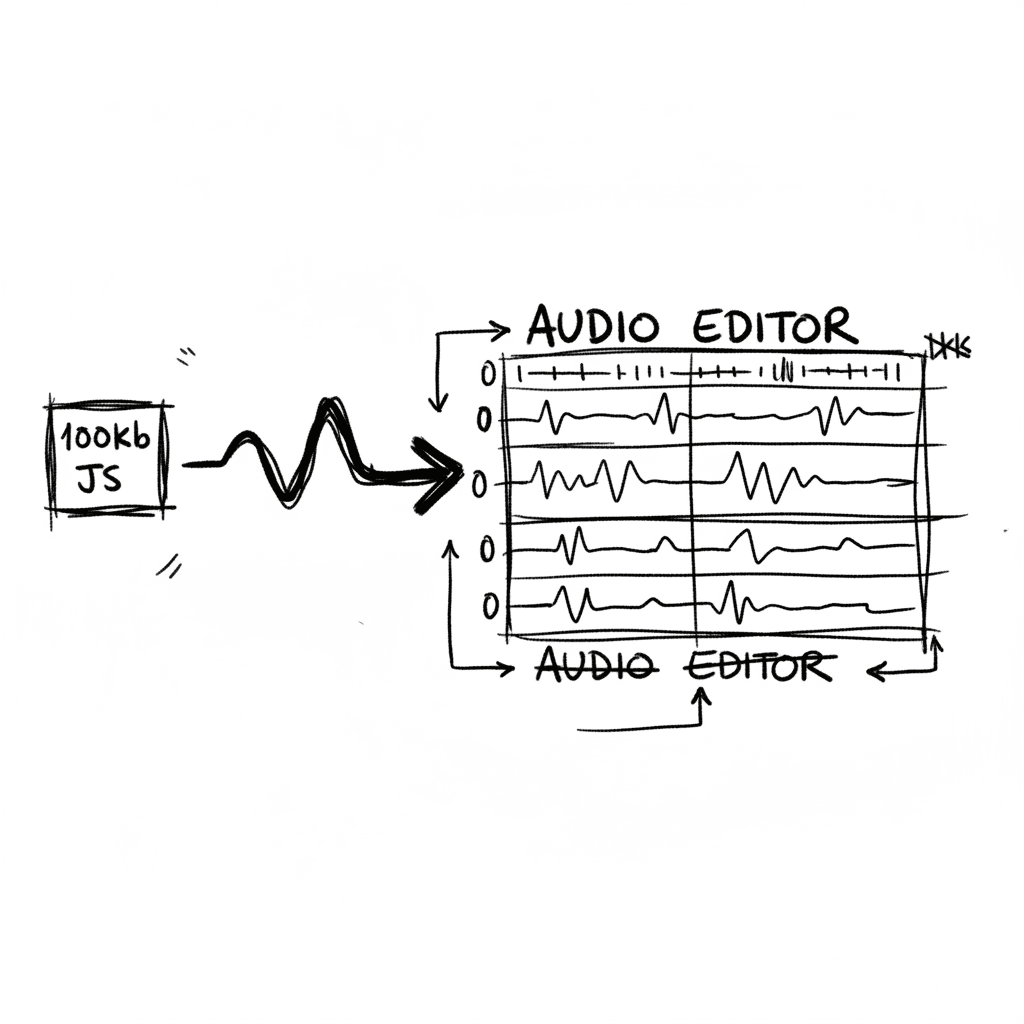
Audiomass: Multitrack Audio Editing via 100kb of Vanilla JavaScript
Audiomass is a browser-based, multitrack audio editor that operates entirely client-side with a remarkably small 100kb footprint (audiomass.co). It provides a workflow reminiscent of classic editors l
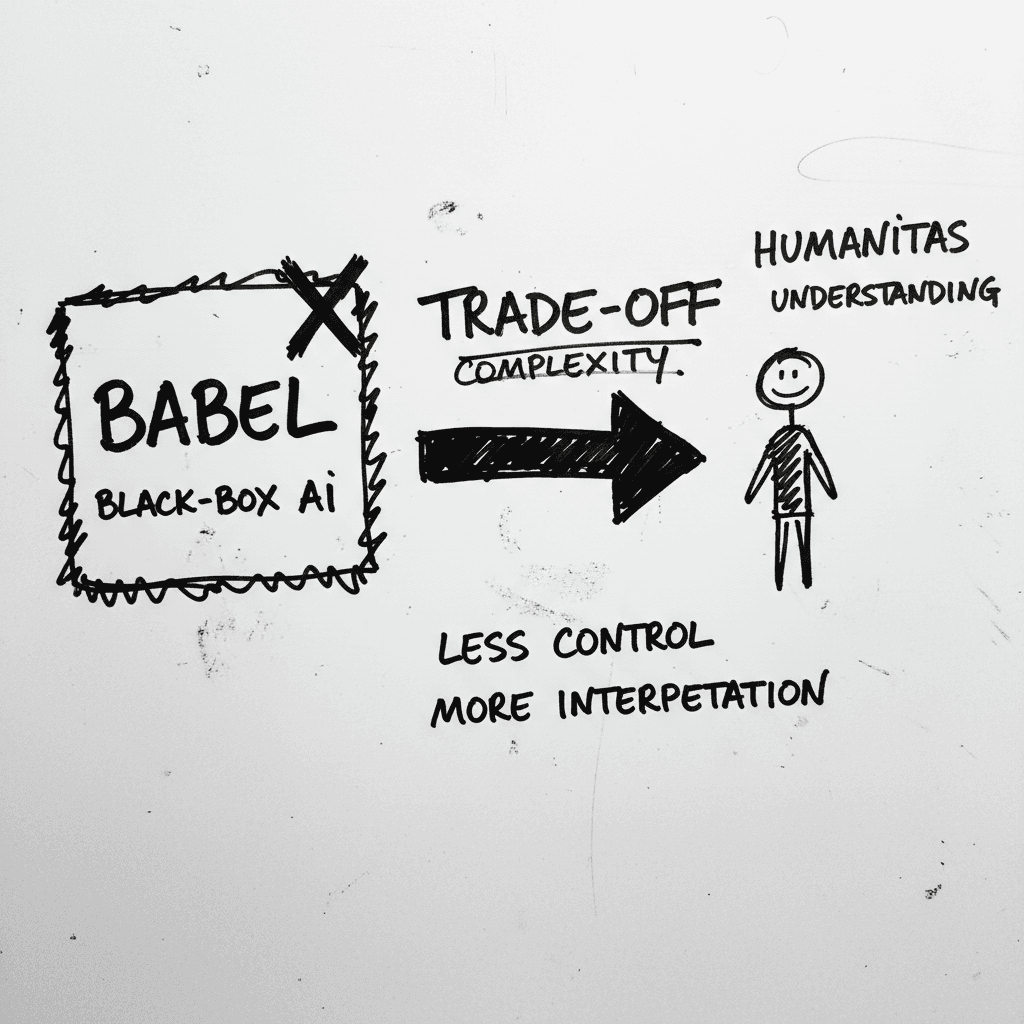
Magnifica Humanitas: The Vatican’s Framework for the GPT-5 Era
The document, signed May 15 and officially released today, was presented at the Vatican alongside Christopher Olah, co-founder of Anthropic and lead of its interpretability team (ncronline.org, Forbes
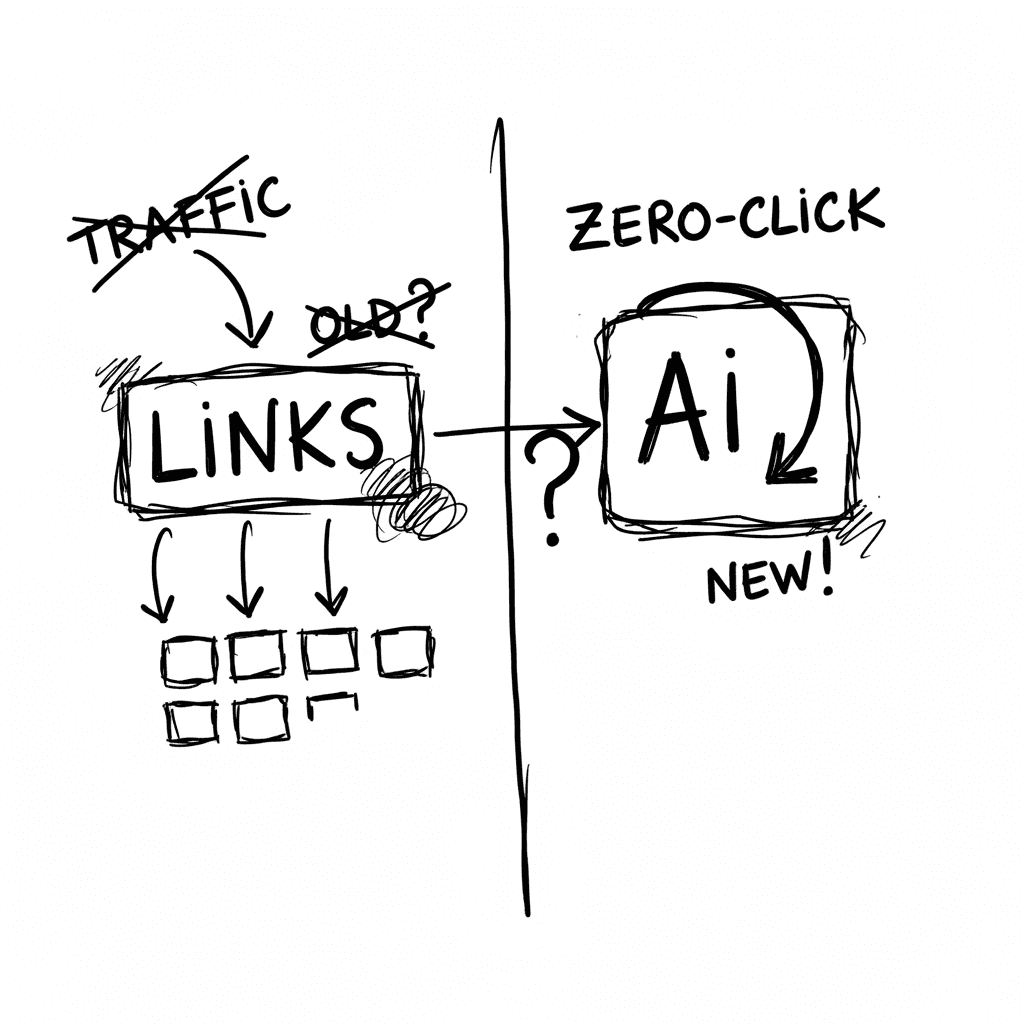
The Zero-Click Economy: Kagi Search vs. Google AI Mode
Google has effectively pivoted to an "answer engine" where Gemini 3.5 Flash provides conversational summaries, while Kagi remains the primary refuge for users seeking a human-centric, ad-free index. W
Stay Ahead of AI Adoption Trends
Get our latest reports and insights delivered to your inbox. No spam, just data.