
Microsoft Learn: Technical Accuracy vs. AI-Generated Asset Injection
Microsoft Learn serves as the primary technical repository for millions of developers seeking official guidance on Azure, .NET, and standard software patterns. It is currently facing a significant cre

The Pitch
Microsoft Learn serves as the primary technical repository for millions of developers seeking official guidance on Azure, .NET, and standard software patterns. It is currently facing a significant credibility crisis following the discovery of hallucinated, AI-generated diagrams replacing established technical assets (UsedBy Dossier).
Under the Hood
The core of the issue lies in the replacement of verified technical illustrations with "slop"—a term Merriam-Webster named 2025 Word of the Year to describe low-quality AI-generated content (Wikipedia/Forbes 2026). In February 2026, Vincent Driessen, the architect of the Git-flow model, confirmed that Microsoft had replaced his original 2010 diagram with a distorted AI version without attribution (nvie.com).
The AI-mangled asset was not merely aesthetically poor; it was technically broken. It featured inverted logic, missing directional arrows, and hallucinated gibberish labels such as "continvoucly morged" (HN Thread / nvie.com). For a platform that claims to provide "expert-led" guidance, the presence of such nonsense suggests a complete failure in the human-in-the-loop review process.
Microsoft VP Scott Hanselman has acknowledged the incident via Bluesky, attributing the failure to a third-party vendor (@scott.hanselman.com, Feb 2026). While a post-mortem is currently underway, we don't know yet which specific vendor was responsible or how many other sections of the Learn ecosystem have been silently updated with similar unverified AI assets (UsedBy Dossier).
The risks here extend beyond simple typos. We are seeing "IP washing," where original intellectual property is fed through an LLM to generate "new" assets that bypass original licensing while mutilating the underlying technical logic. This creates a dangerous precedent for documentation reliability: if the diagram is a hallucination, the accompanying code samples are likely suspect too.
Current identified risks include:
- Technical hallucinations that cause deployment failures if followed literally.
- Legal complications regarding the "mutilation" of original creator IP.
- Significant erosion of developer trust in "authoritative" documentation.
- Lack of transparency regarding which assets are AI-generated vs. human-reviewed.
Marcus's Take
Microsoft Learn has transitioned from an industry benchmark to a cautionary tale of what happens when you prioritize volume over verification. Until Microsoft publishes a full audit and implements a mandatory "Human-Verified" badge for all visual assets, treat their diagrams as architectural suggestions rather than specifications. If your team is relying on these diagrams for production workflows, you are essentially debugging a black-box hallucination. I wouldn't trust a "continvoucly morged" workflow in my CI/CD pipeline, and neither should you.
Ship clean code,
Marcus.
Marcus Webb - Senior Backend Analyst at UsedBy.ai
Related Articles
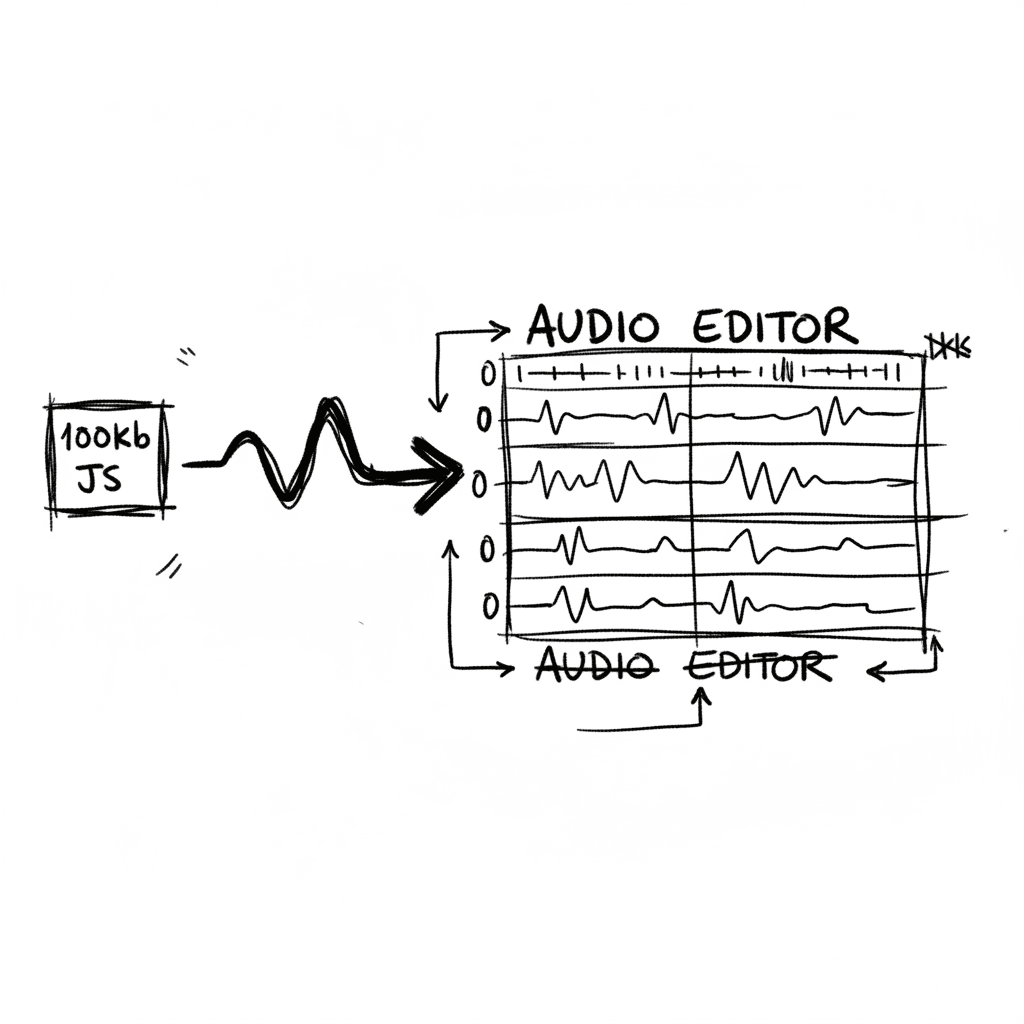
Audiomass: Multitrack Audio Editing via 100kb of Vanilla JavaScript
Audiomass is a browser-based, multitrack audio editor that operates entirely client-side with a remarkably small 100kb footprint (audiomass.co). It provides a workflow reminiscent of classic editors l
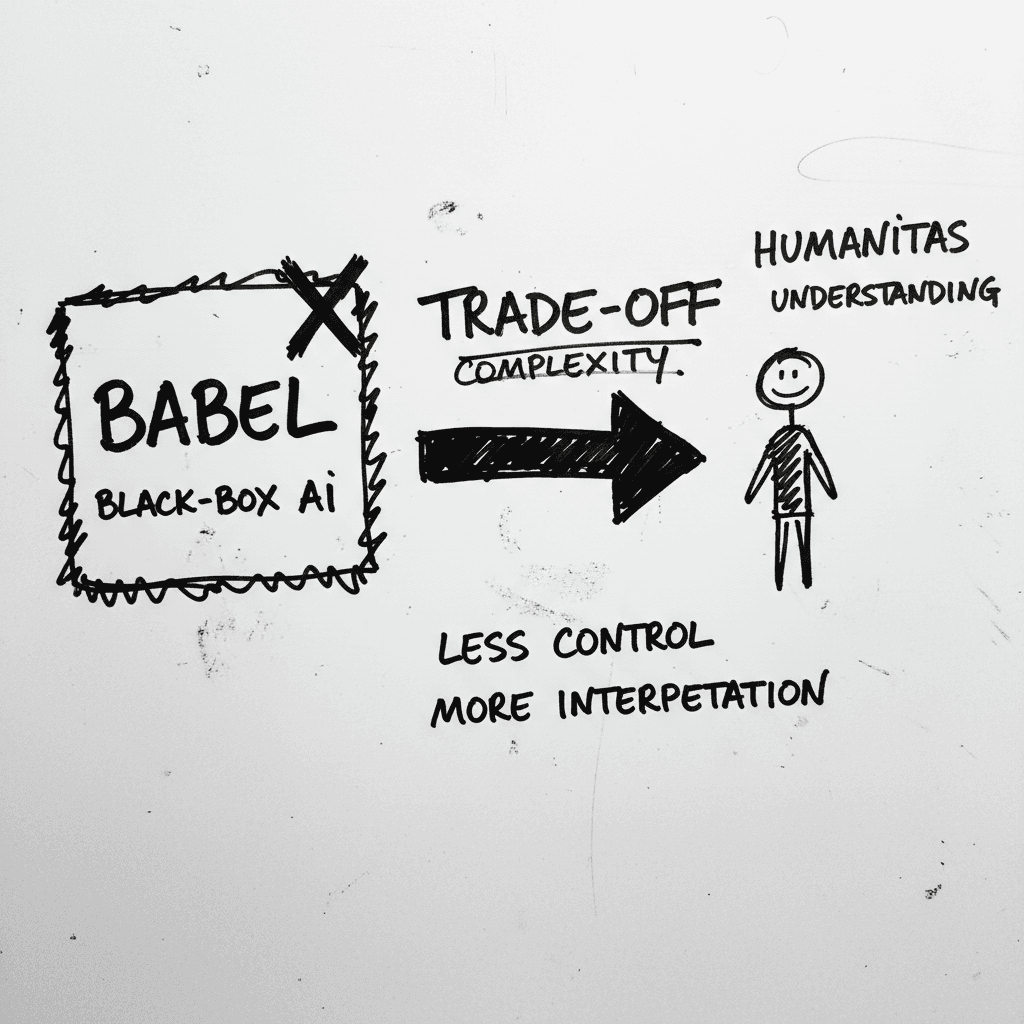
Magnifica Humanitas: The Vatican’s Framework for the GPT-5 Era
The document, signed May 15 and officially released today, was presented at the Vatican alongside Christopher Olah, co-founder of Anthropic and lead of its interpretability team (ncronline.org, Forbes
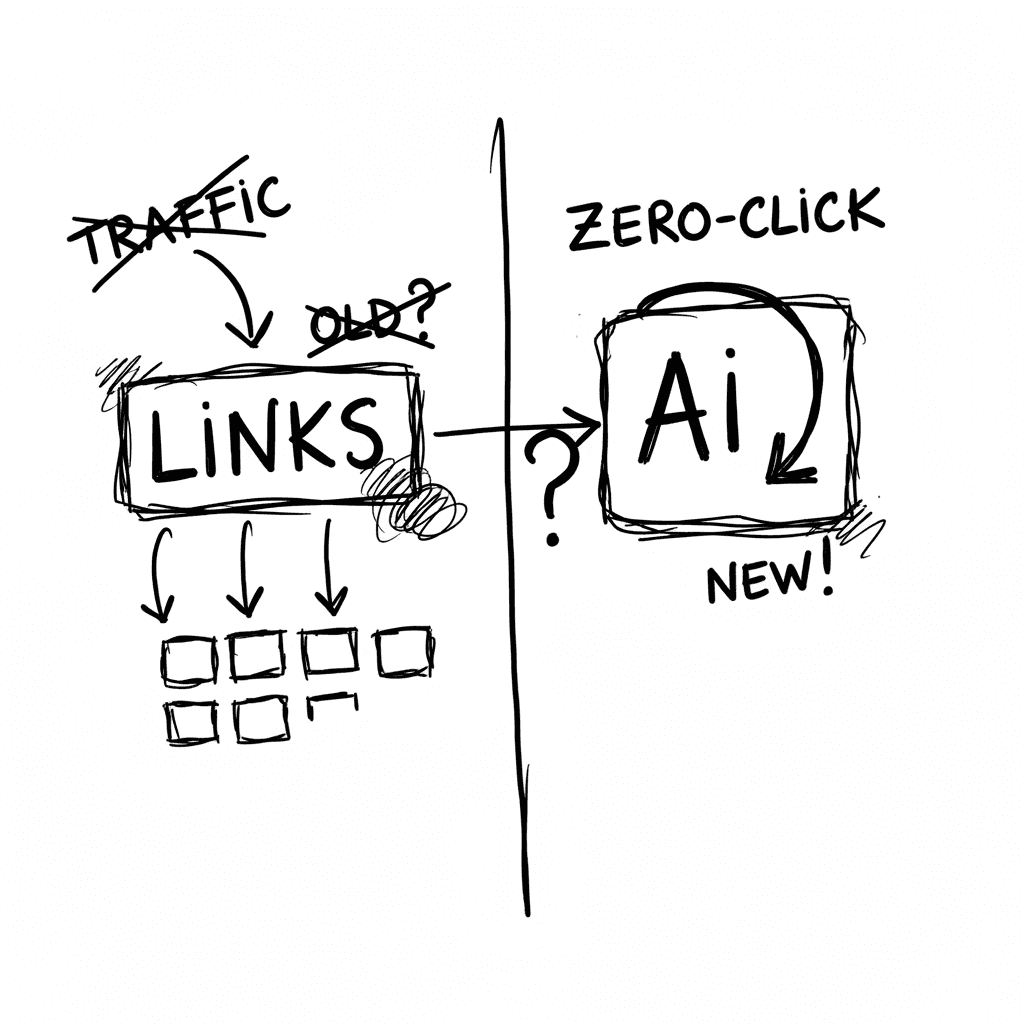
The Zero-Click Economy: Kagi Search vs. Google AI Mode
Google has effectively pivoted to an "answer engine" where Gemini 3.5 Flash provides conversational summaries, while Kagi remains the primary refuge for users seeking a human-centric, ad-free index. W
Stay Ahead of AI Adoption Trends
Get our latest reports and insights delivered to your inbox. No spam, just data.