
Moonshine v2 and the End of Whisper’s 30-Second Chunking
Moonshine v2 is an open-weights speech-to-text (STT) model designed specifically for real-time edge streaming by eliminating the fixed 30-second window inherent in OpenAI’s Whisper. Developed by Pete

The Pitch
Moonshine v2 is an open-weights speech-to-text (STT) model designed specifically for real-time edge streaming by eliminating the fixed 30-second window inherent in OpenAI’s Whisper. Developed by Pete Warden’s team at Useful Sensors, it targets sub-100ms latency for interactive voice interfaces on consumer-grade hardware (Source: petewarden.com).
Under the Hood
The core technical shift in Moonshine v2 is the transition to an "ergodic streaming-encoder" architecture using sliding-window attention (Source: arXiv:2602.12241v1). This allows the model to process audio continuously rather than waiting for discrete chunks, which has been the primary bottleneck for Whisper-based implementations in production.
Performance data shows the Moonshine v2 Medium model achieves a 6.65% Word Error Rate (WER) with only 245 million parameters (Source: GitHub). For comparison, Whisper Large v3 requires 1.5 billion parameters to achieve similar accuracy levels, making Moonshine significantly more efficient per parameter. On edge devices like the Raspberry Pi 5 or Mac, it currently tracks at 40x faster response times than Whisper Large v3.
However, Moonshine is not an undisputed leader in raw accuracy. While it dominates efficiency-to-accuracy ratios, NVIDIA’s Parakeet V3 and Canary-Qwen 2.5B still maintain lower absolute WER on the OpenASR Leaderboard as of early 2026. Furthermore, Moonshine requires language-specific models, such as Moonshine-Medium-EN, to hit these benchmarks, sacrificing the "one-size-fits-all" multilingual convenience of the OpenAI ecosystem.
The ecosystem remains a work in progress. While the Python and C++ implementations are stable for general use, the library for specific IoT accelerators is still maturing and lacks the extensive community support seen with FasterWhisper or TensorRT-LLM (Source: GitHub). We also don't know yet how Moonshine compares to the native audio APIs of GPT-5 or Gemini 2.5, as third-party benchmarks against these 2026 proprietary models are currently missing.
Marcus's Take
If your stack relies on Whisper and you are tired of hacking around the 30-second latency lag, move to Moonshine v2 for your English-language production workloads. It is the first open-weights model that makes sub-100ms edge transcription actually viable without requiring a rack of H100s. I would ignore the "Medium" model for now and go straight to the "Tiny" version for voice UIs; 50ms latency is the threshold where a bot stops feeling like a bot and starts feeling like a tool.
Ship clean code,
Marcus.
Marcus Webb - Senior Backend Analyst at UsedBy.ai
Related Articles
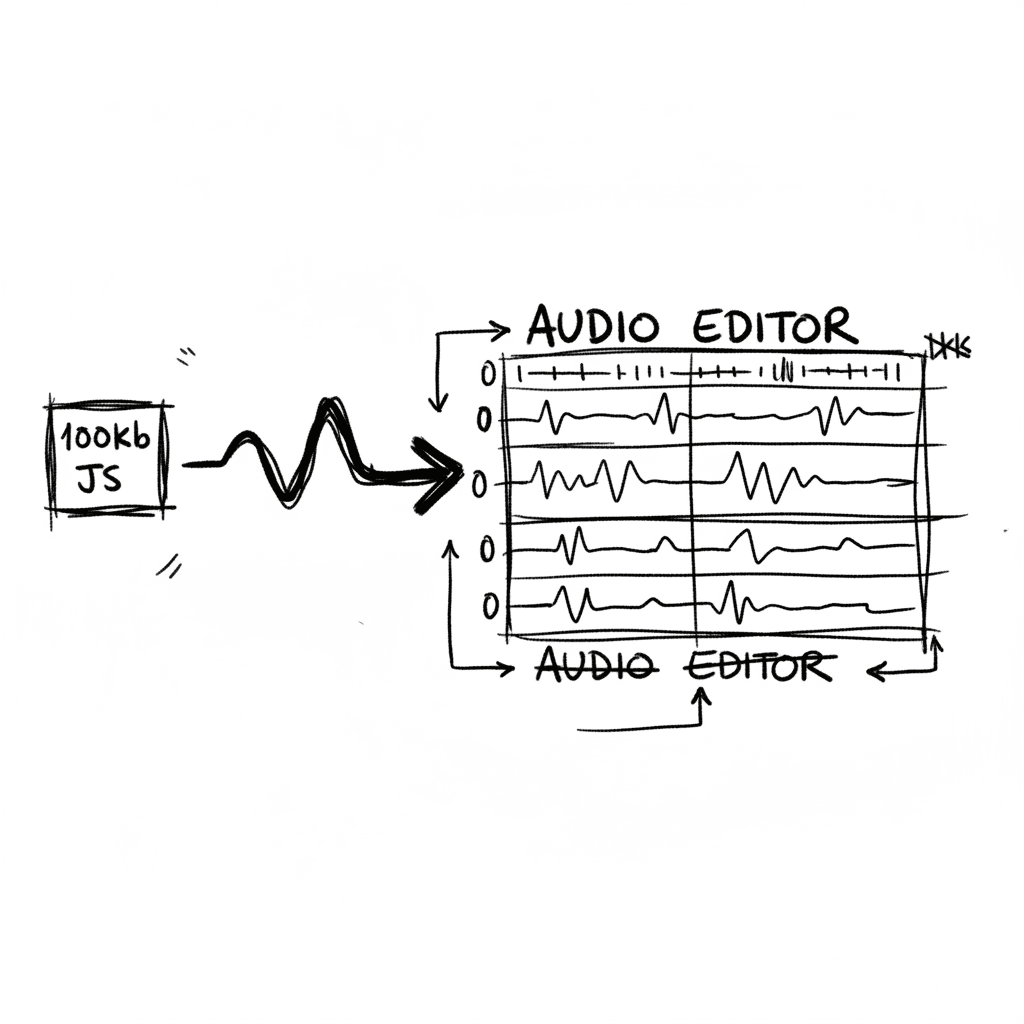
Audiomass: Multitrack Audio Editing via 100kb of Vanilla JavaScript
Audiomass is a browser-based, multitrack audio editor that operates entirely client-side with a remarkably small 100kb footprint (audiomass.co). It provides a workflow reminiscent of classic editors l
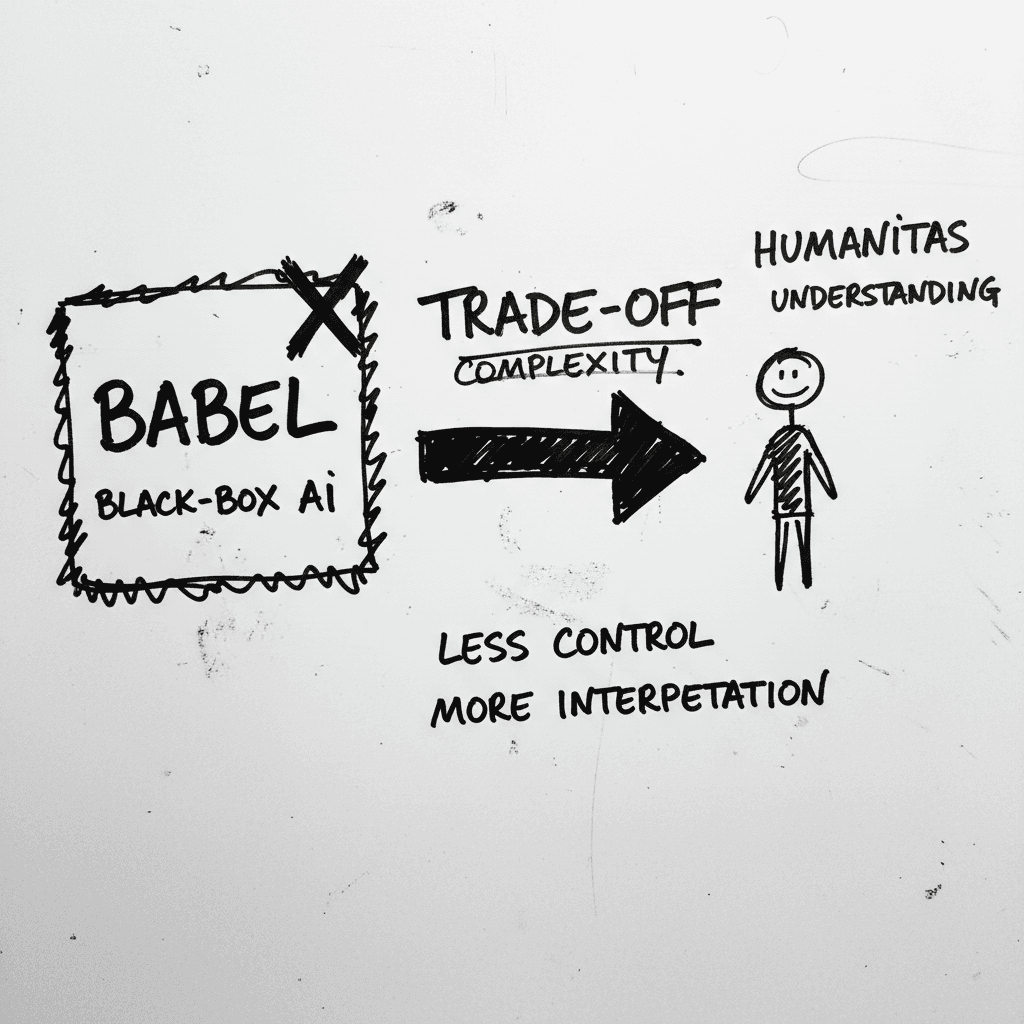
Magnifica Humanitas: The Vatican’s Framework for the GPT-5 Era
The document, signed May 15 and officially released today, was presented at the Vatican alongside Christopher Olah, co-founder of Anthropic and lead of its interpretability team (ncronline.org, Forbes
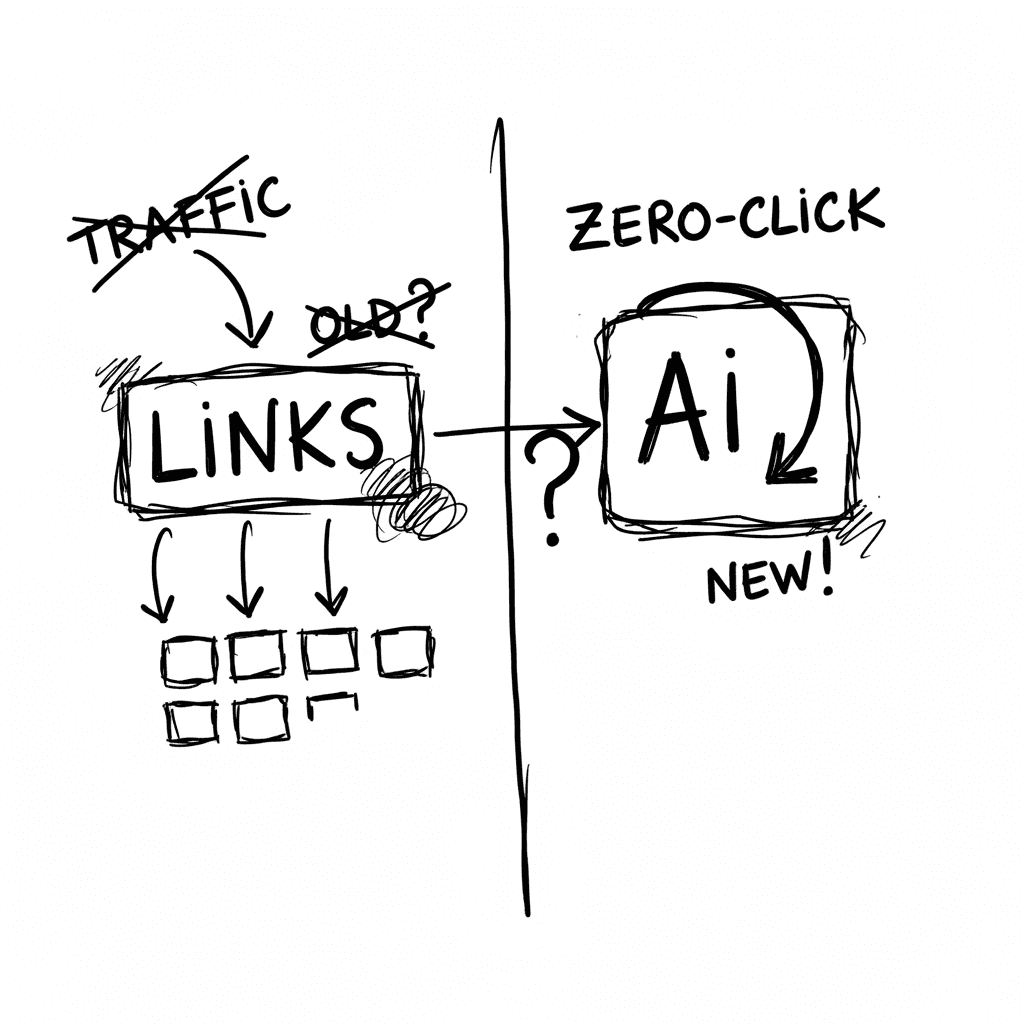
The Zero-Click Economy: Kagi Search vs. Google AI Mode
Google has effectively pivoted to an "answer engine" where Gemini 3.5 Flash provides conversational summaries, while Kagi remains the primary refuge for users seeking a human-centric, ad-free index. W
Stay Ahead of AI Adoption Trends
Get our latest reports and insights delivered to your inbox. No spam, just data.