
Motorola and GrapheneOS: The Hurdles of Porting Privacy to Non-Pixel Hardware
Motorola has formalised a long-term partnership with the GrapheneOS Foundation to integrate the hardened operating system into its device lineup (Motorola News, 2026). Announced at MWC 2026, this coll

The Pitch
Motorola has formalised a long-term partnership with the GrapheneOS Foundation to integrate the hardened operating system into its device lineup (Motorola News, 2026). Announced at MWC 2026, this collaboration aims to challenge the Google Pixel’s monopoly on high-assurance privacy handsets by combining Lenovo’s ThinkShield with GrapheneOS architecture (9to5Google, 2026).
Under the Hood
The central technical roadblock remains the hardware itself. While the Edge 60 Pro and Razr Fold (2025/2026) are official partners, they currently lack the mandatory security primitives—specifically Memory Tagging Extension (MTE)—required for a complete GrapheneOS port (9to5Google, 2026).
Native 'hardened' handsets are not expected to ship until 2027. We do not know the specific launch dates or which GrapheneOS features will be backported to existing Motorola devices via the Moto Secure app (UsedBy Dossier).
Motorola’s hardware does offer one clear advantage: advanced DC dimming and Anti-Flicker technology. This resolves the persistent pulse-width modulation (PWM) eye-strain issues that have plagued Pixel users for years (Sportskeeda, 2026).
The GrapheneOS Foundation has decentralised its build infrastructure as a Canadian non-profit to improve resilience (GrapheneOS Org, 2026). However, developer sentiment remains cautious regarding the Foundation's internal hierarchy following its 2023 leadership transition (HN Comment, 2026).
Motorola’s history of infrequent quarterly updates is the primary operational risk. For this partnership to be technically viable, Motorola must fundamentally restructure its firmware delivery pipeline to match Graphene’s rapid security patch cycle (HN Comment, 2026).
Marcus's Take
This is a 2027 product masquerading as a 2026 announcement. While the prospect of GrapheneOS on flicker-free Motorola hardware is a relief for those of us sensitive to Pixel displays, the current lack of MTE support makes this an incomplete security solution. Motorola’s legacy of slow patching is a systemic risk that marketing slides cannot fix. Skip the current hardware and wait for the 2027 native builds to prove their update cadence.
Ship clean code,
Marcus.
Marcus Webb - Senior Backend Analyst at UsedBy.ai
Related Articles
Audiomass: Multitrack Audio Editing via 100kb of Vanilla JavaScript
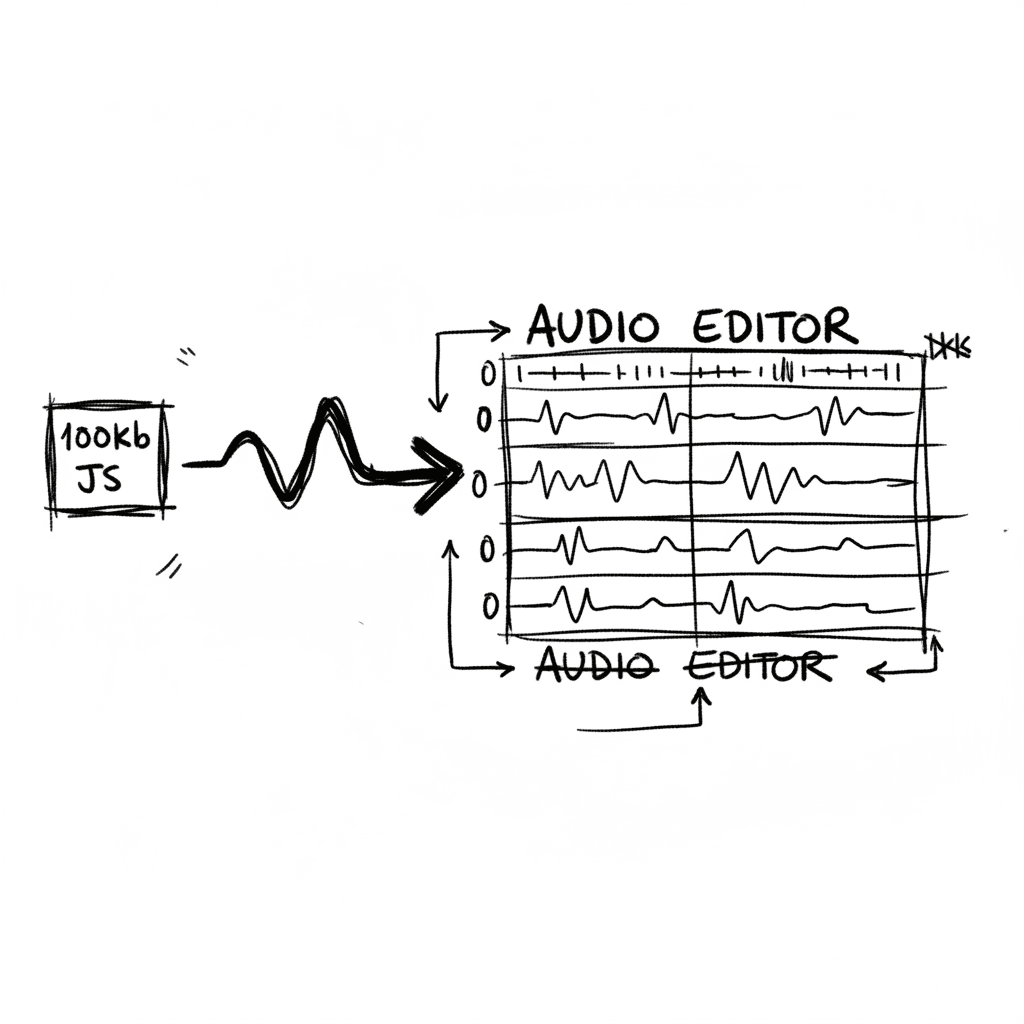
Audiomass is a browser-based, multitrack audio editor that operates entirely client-side with a remarkably small 100kb footprint (audiomass.co). It provides a workflow reminiscent of classic editors l
Magnifica Humanitas: The Vatican’s Framework for the GPT-5 Era
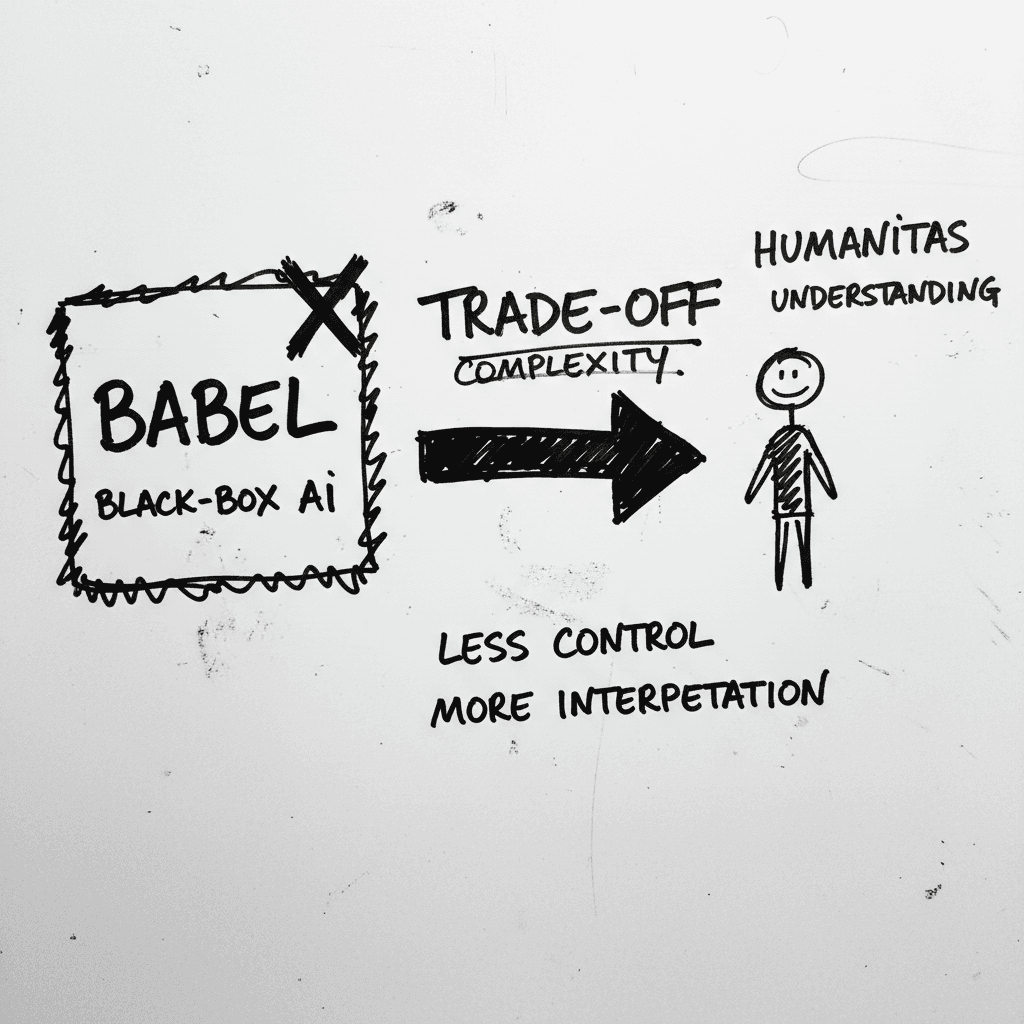
The document, signed May 15 and officially released today, was presented at the Vatican alongside Christopher Olah, co-founder of Anthropic and lead of its interpretability team (ncronline.org, Forbes
The Zero-Click Economy: Kagi Search vs. Google AI Mode
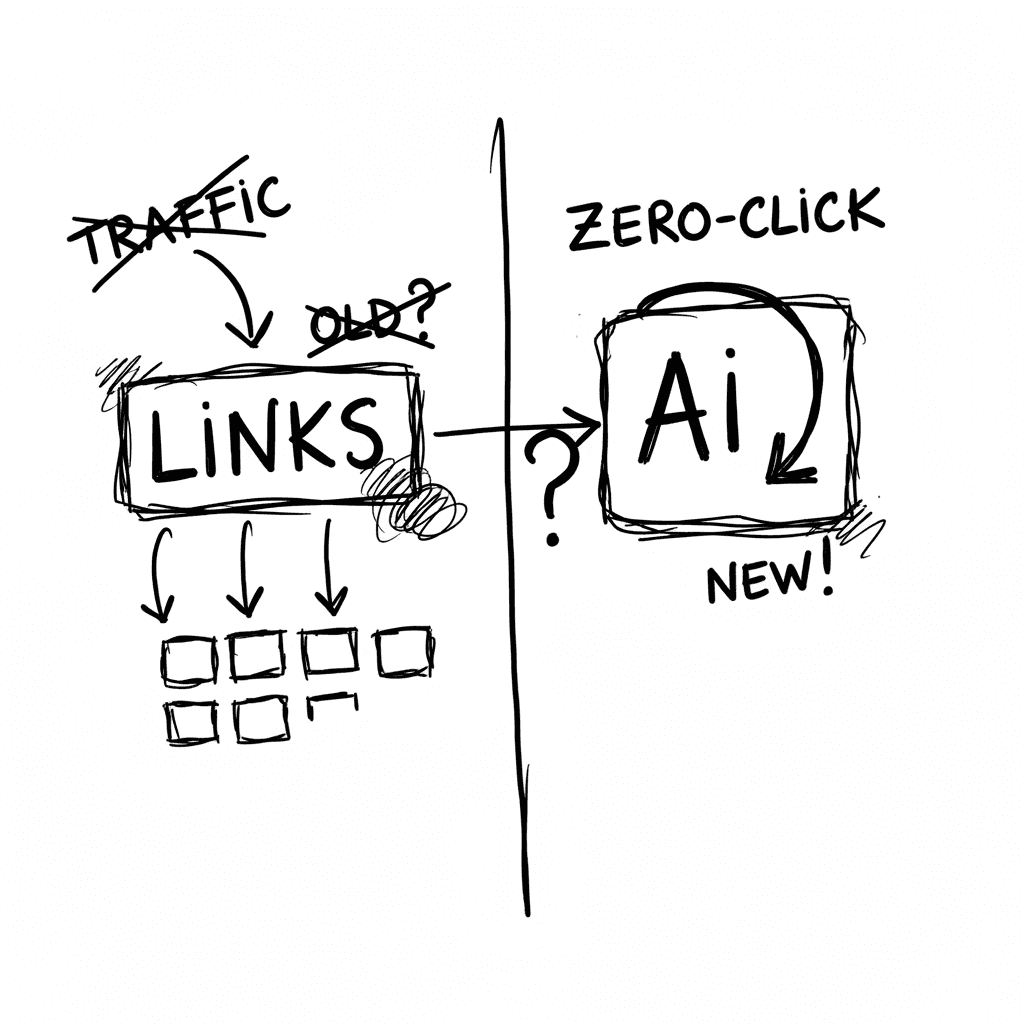
Google has effectively pivoted to an "answer engine" where Gemini 3.5 Flash provides conversational summaries, while Kagi remains the primary refuge for users seeking a human-centric, ad-free index. W
Stay Ahead of AI Adoption Trends
Get our latest reports and insights delivered to your inbox. No spam, just data.