
MTG-S1 Hyperspectral Data Release and Atmospheric Sounding Latency
EUMETSAT unveiled the first hyperspectral infrared sounding images from the MTG-S1 satellite on January 27, 2026, at the EU Space Conference in Brussels. The system provides the first European geostat

The Pitch
EUMETSAT unveiled the first hyperspectral infrared sounding images from the MTG-S1 satellite on January 27, 2026, at the EU Space Conference in Brussels. The system provides the first European geostationary 3D atmospheric sounding, designed to feed high-resolution data into regional weather models (OHB SE / Space Daily).
Under the Hood
MTG-S1 launched on July 1, 2025, via a SpaceX Falcon 9, as European launch autonomy remained stalled following Ariane 5’s retirement (ESA Launch Records). The satellite is currently in an operational testing phase, complementing the MTG-I1 imager that has been active since 2023 (EUMETSAT).
Integration for backend teams is handled through the EUMETSAT Data Access Client (EUMDAC), which provides a Python library and CLI for data orchestration (EUMETSAT User Portal). While the API is standard, the infrastructure requirements are not; MTG data streams reach several terabytes per day, necessitating massive storage and high-bandwidth pipelines (EUMETSAT Data Store guides).
Licensing remains the primary hurdle for independent developers. Current policy restricts real-time "nowcasting" data to institutional partners, while personal or educational users are limited to a tier with a latency of at least one hour (EUMETSAT Data Policy Jan 2025).
We don't know yet how much this improves Numerical Weather Prediction (NWP) in practice. Hard benchmarks for MAE (Mean Absolute Error) and RMSE (Root Mean Square Error) are still being calculated by meteorology centers (Met Office). Furthermore, while Isar Aerospace had a launch window in late January 2026, their orbit status for this specific cycle is still developing (Wikipedia).
Marcus's Take
The irony of a European "sovereignty" project launching on a Falcon 9 because Ariane 6 was running on "European time" is not lost on us. From a backend perspective, MTG-S1 is a data firehose that most startups aren't equipped to drink from. Unless you have the budget for massive egress and the patience for a 1-hour data delay, stick to using processed outputs from the Met Office or ECMWF rather than hitting the EUMDAC API directly.
Ship clean code,
Marcus.
Marcus Webb - Senior Backend Analyst at UsedBy.ai
Related Articles
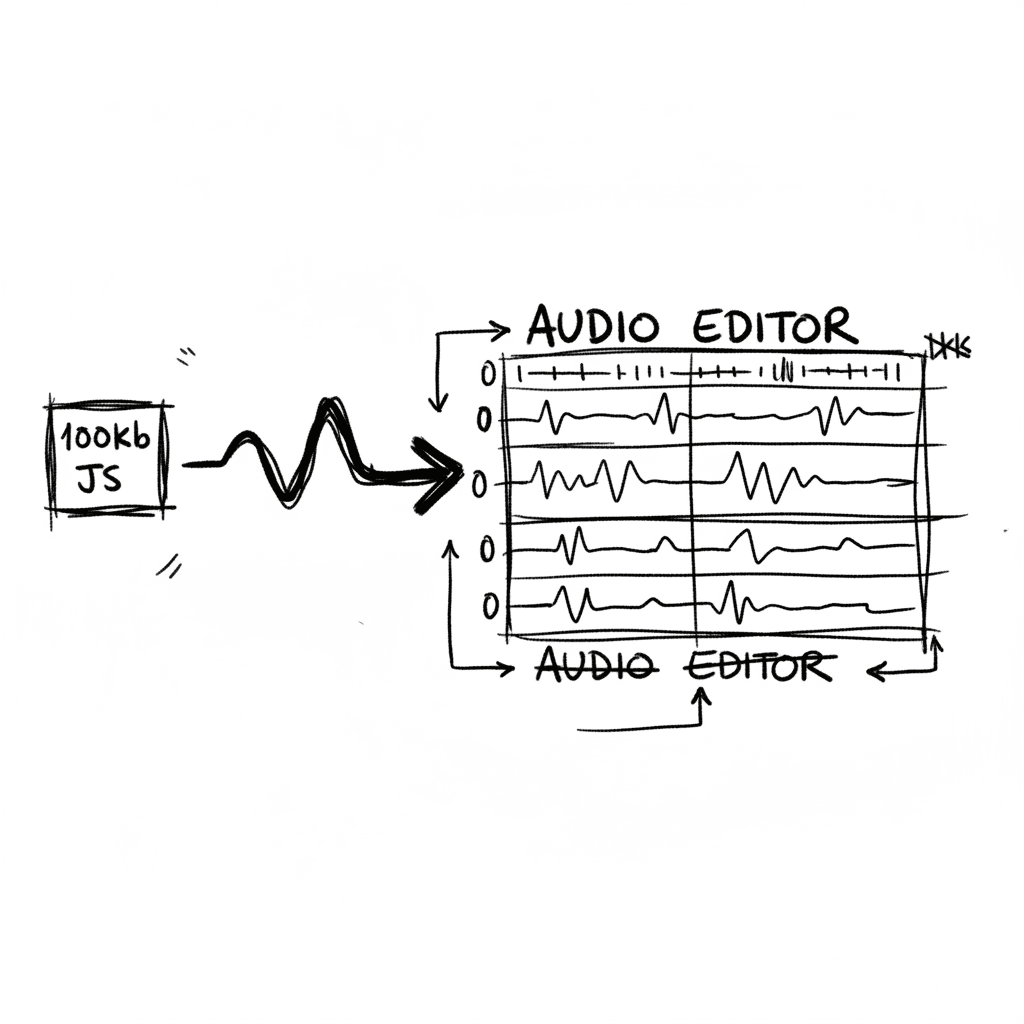
Audiomass: Multitrack Audio Editing via 100kb of Vanilla JavaScript
Audiomass is a browser-based, multitrack audio editor that operates entirely client-side with a remarkably small 100kb footprint (audiomass.co). It provides a workflow reminiscent of classic editors l
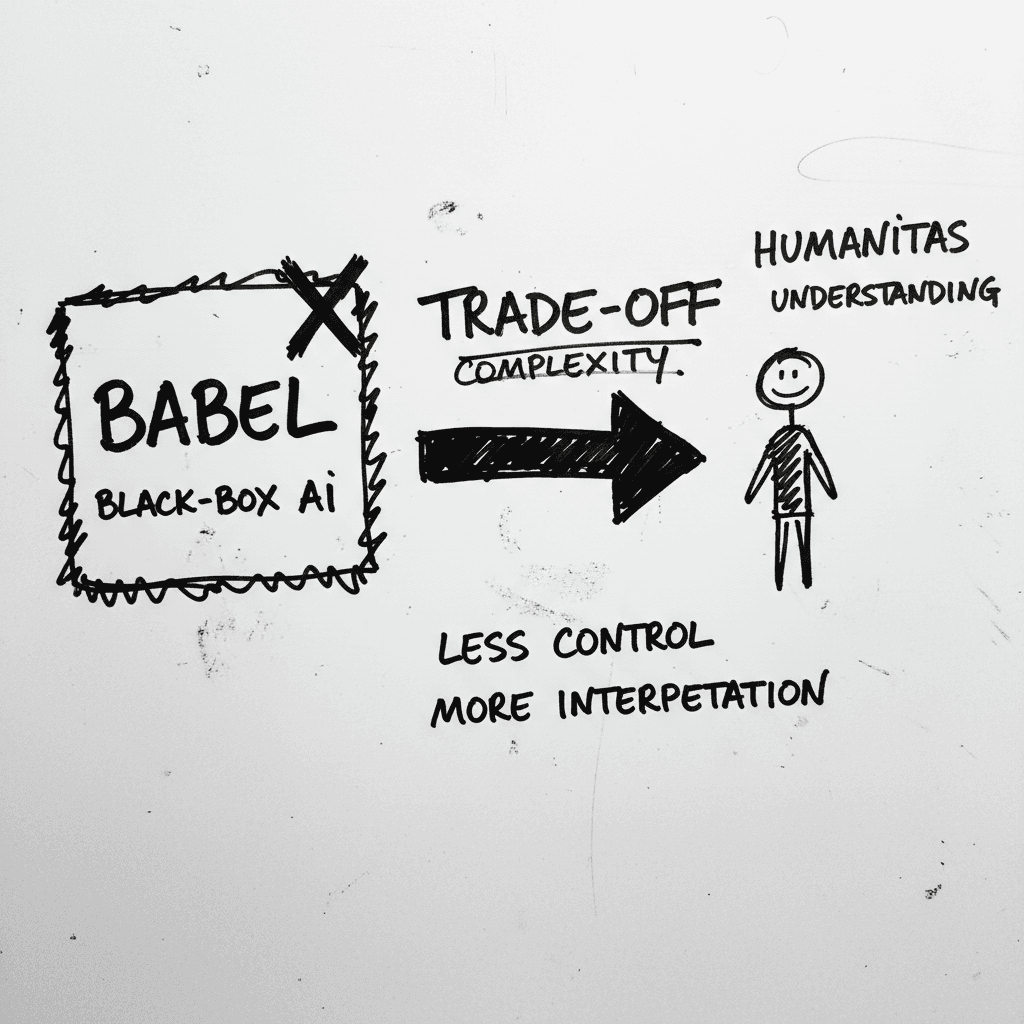
Magnifica Humanitas: The Vatican’s Framework for the GPT-5 Era
The document, signed May 15 and officially released today, was presented at the Vatican alongside Christopher Olah, co-founder of Anthropic and lead of its interpretability team (ncronline.org, Forbes

The Zero-Click Economy: Kagi Search vs. Google AI Mode
Google has effectively pivoted to an "answer engine" where Gemini 3.5 Flash provides conversational summaries, while Kagi remains the primary refuge for users seeking a human-centric, ad-free index. W
Stay Ahead of AI Adoption Trends
Get our latest reports and insights delivered to your inbox. No spam, just data.