
Multi-Cloud Infrastructure and the End of OpenAI's Microsoft Exclusivity
OpenAI and Microsoft officially terminated their exclusive compute and revenue-sharing agreement on April 27, 2026 (Bloomberg). This decoupling allows OpenAI to leverage AWS and Google Cloud infrastru

The Pitch
OpenAI and Microsoft officially terminated their exclusive compute and revenue-sharing agreement on April 27, 2026 (Bloomberg). This decoupling allows OpenAI to leverage AWS and Google Cloud infrastructure to meet the massive hardware requirements of the GPT-5.5 series (UsedBy Dossier). With a recent valuation of $852B, OpenAI is pivoting away from the "Azure bottleneck" to sustain its frontier agent platforms (Forbes).
Under the Hood
The transition to a multi-cloud strategy is a response to Azure’s inability to supply sufficient compute for GPT-5 scale (HN). OpenAI has already signed a $50B deal with AWS for its 'Frontier' agent platform and is integrating Google’s TPU Gen 8 hardware for inference and training (Google Cloud Next '26). These 8i and 8t chips are now legally accessible to OpenAI following their transition to a Public Benefit Corporation in late 2025 (Forbes).
Current implementations of GPT-5.5, which launched April 23, 2026, show high performance in agentic workflows but present new architectural challenges (TokenMix Blog). Developers report that splitting workloads between Azure for stateless APIs and AWS for stateful agents introduces noticeable latency (HN). Furthermore, while the model is advanced, it still produces "stupid mistakes" in complex codebases that necessitate human review (HN).
OpenAI remains a dominant force at UsedBy with 534 tracked users. Enterprise leaders including Duolingo, Stripe, and Shopify continue to lead as top-tier implementations. See OpenAI profile
We don't know yet the exact dollar amount of the total cap on remaining revenue payments OpenAI owes Microsoft through 2030 (Morningstar). Additionally, public benchmarks for the "Claude Mythos" model remain unavailable as the tool is currently gated for government use only (Reddit).
Marcus's Take
Azure was a cage that OpenAI finally outgrew. For backend leads, this multi-cloud shift is a double-edged sword: you get better availability for GPT-5.5, but you now have to manage the latency tax of a fragmented infrastructure. While Claude 4.5 is 17% cheaper for standard tasks, GPT-5.5 is the only logical choice for production-grade agents because its pricing doesn't explode when session lengths exceed 200k tokens. Use it for long-running agentic workflows, but keep a human in the loop for the final PR review.
Ship clean code,
Marcus.
Marcus Webb - Senior Backend Analyst at UsedBy.ai
Related Articles
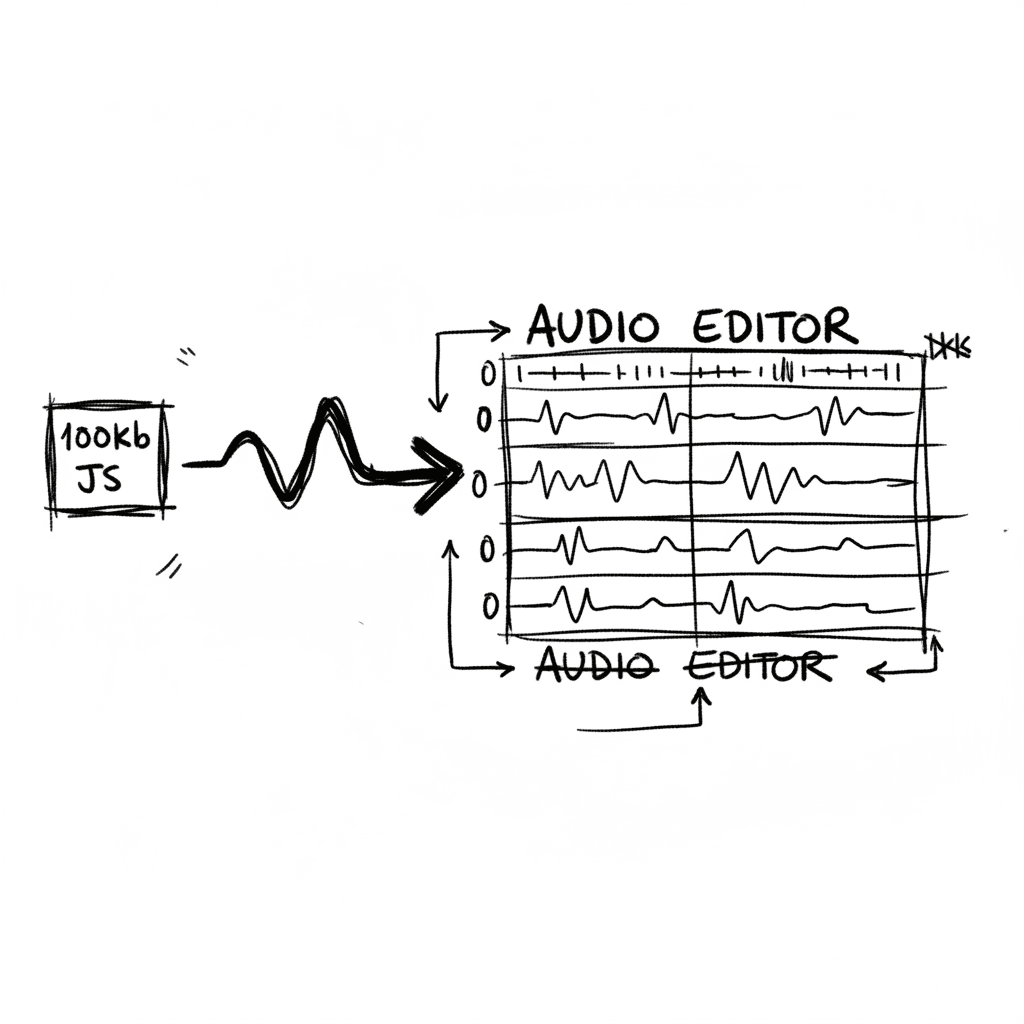
Audiomass: Multitrack Audio Editing via 100kb of Vanilla JavaScript
Audiomass is a browser-based, multitrack audio editor that operates entirely client-side with a remarkably small 100kb footprint (audiomass.co). It provides a workflow reminiscent of classic editors l
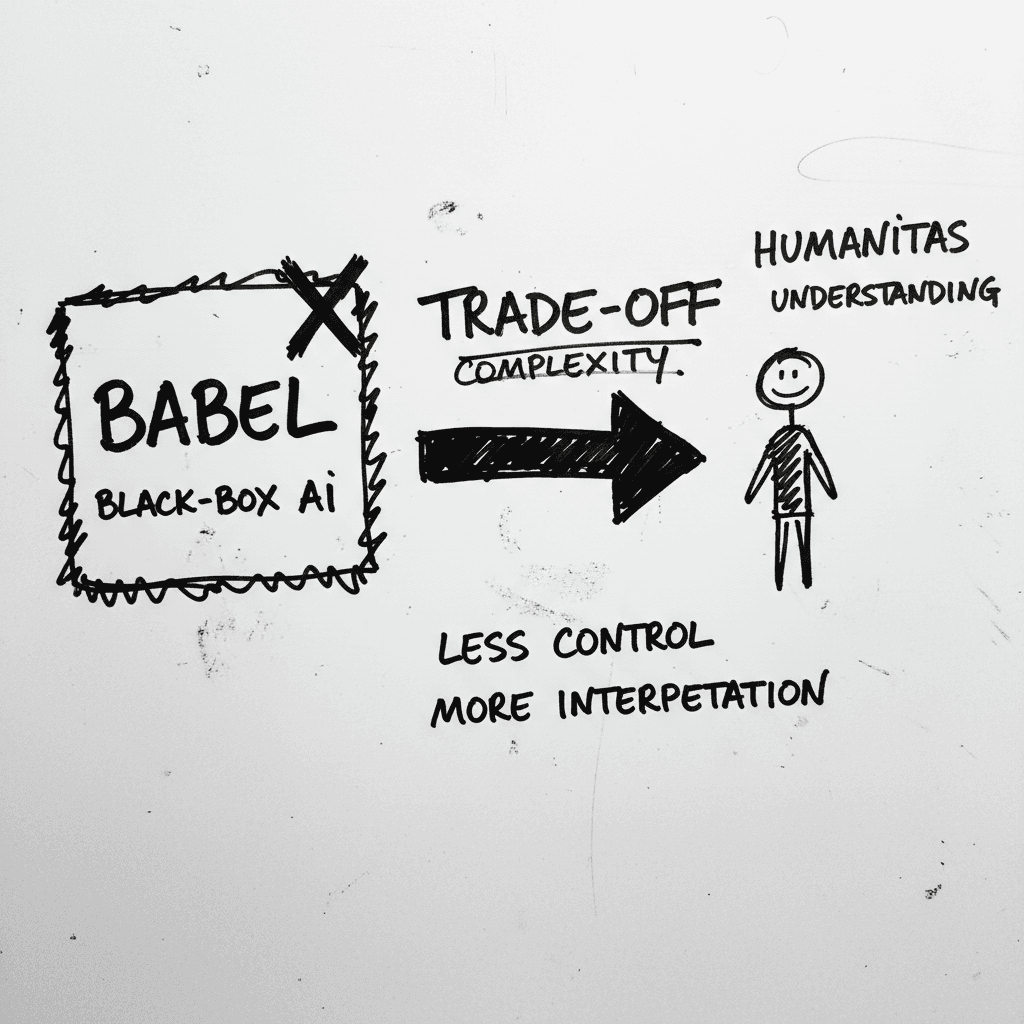
Magnifica Humanitas: The Vatican’s Framework for the GPT-5 Era
The document, signed May 15 and officially released today, was presented at the Vatican alongside Christopher Olah, co-founder of Anthropic and lead of its interpretability team (ncronline.org, Forbes
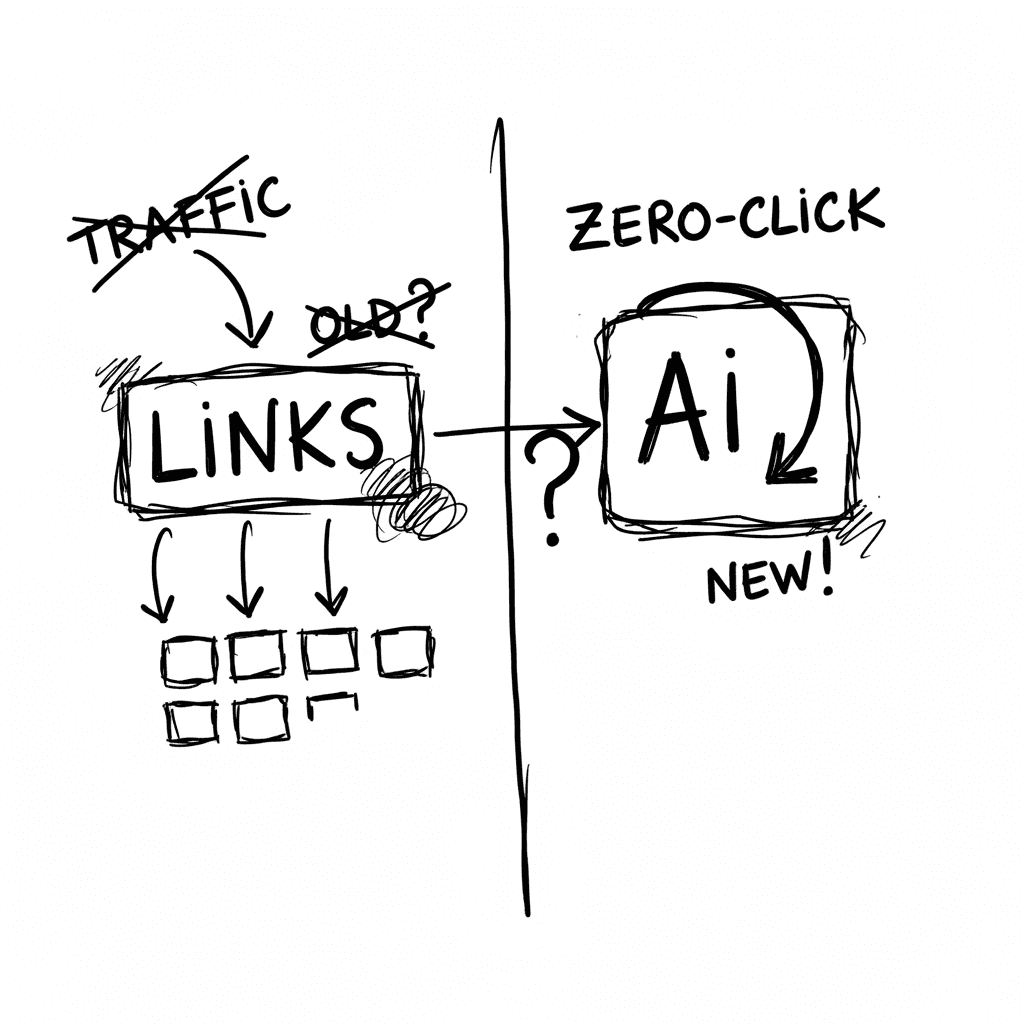
The Zero-Click Economy: Kagi Search vs. Google AI Mode
Google has effectively pivoted to an "answer engine" where Gemini 3.5 Flash provides conversational summaries, while Kagi remains the primary refuge for users seeking a human-centric, ad-free index. W
Stay Ahead of AI Adoption Trends
Get our latest reports and insights delivered to your inbox. No spam, just data.