
OpenAI Prism: GPT-5.2 Scientific Integration and the Crixet Rebrand
OpenAI launched Prism on January 27, 2026, as a dedicated scientific workspace designed to bridge generative AI and academic research. Built on the acquisition of the LaTeX platform Crixet, it attempt

The Pitch
OpenAI launched Prism on January 27, 2026, as a dedicated scientific workspace designed to bridge generative AI and academic research. Built on the acquisition of the LaTeX platform Crixet, it attempts to centralize the research lifecycle within a GPT-5.2 powered cloud environment (source: Aragon Research, 2026).
Under the Hood
Prism leverages the GPT-5.2 architecture to handle technical reasoning and visual diagram synthesis directly within a LaTeX-native editor. Unlike its predecessor, Crixet, which operated as a client-side WASM tool, Prism functions as a server-side cloud editor with mandatory AI integration (source: ZDNET).
The system currently supports native LaTeX integration, real-time multi-user collaboration, and automated citation fetching from repositories like arXiv (source: YourStory). This infrastructure is clearly aimed at the 534 tracked users already using the See OpenAI profile, including technical heavyweights like Stripe and Shopify.
However, the transition to a mandatory AI model has triggered significant pushback. The technical community has noted that researchers can no longer disable AI features, effectively forcing all unpublished drafts into the OpenAI ecosystem (source: Hacker News).
We also lack critical information regarding data retention policies for unpublished drafts in the free tier. Details on rumored 'Pro' or 'Max' subscription tiers for high-compute scientific tasks remain unconfirmed, making it difficult to assess the long-term cost of migrating institutional research to the platform.
The branding choice is its most glaring technical liability. By naming a data-centralizing research hub "Prism"—the same name as the infamous 2013 NSA mass surveillance program—OpenAI has created an immediate trust deficit within the developer community (source: Hacker News).
Marcus's Take
Prism is a classic bait-and-switch: acquire a functional WASM-based utility and turn it into a data-harvesting engine for GPT-5.2 fine-tuning. While the LaTeX synthesis and citation handling are technically competent, the risk of "DDoS-ing" the academic peer review system with automated papers is too high for the tool to be taken seriously yet. The naming choice suggests OpenAI’s marketing department is either historically illiterate or actively trolling its users. Use it for formatting non-sensitive LaTeX boilerplate, but keep your high-value IP off their servers until we see a zero-retention privacy policy.
Ship clean code,
Marcus.
Marcus Webb - Senior Backend Analyst at UsedBy.ai
Related Articles
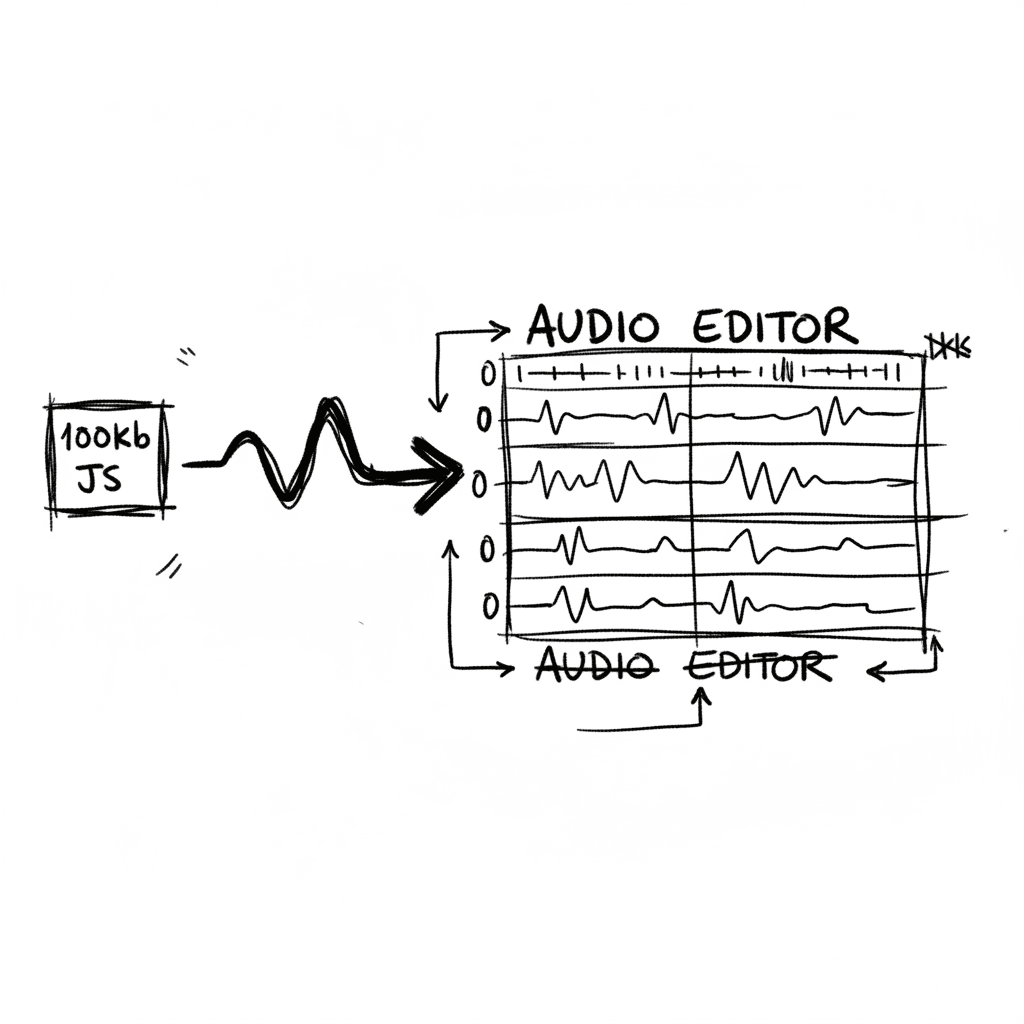
Audiomass: Multitrack Audio Editing via 100kb of Vanilla JavaScript
Audiomass is a browser-based, multitrack audio editor that operates entirely client-side with a remarkably small 100kb footprint (audiomass.co). It provides a workflow reminiscent of classic editors l
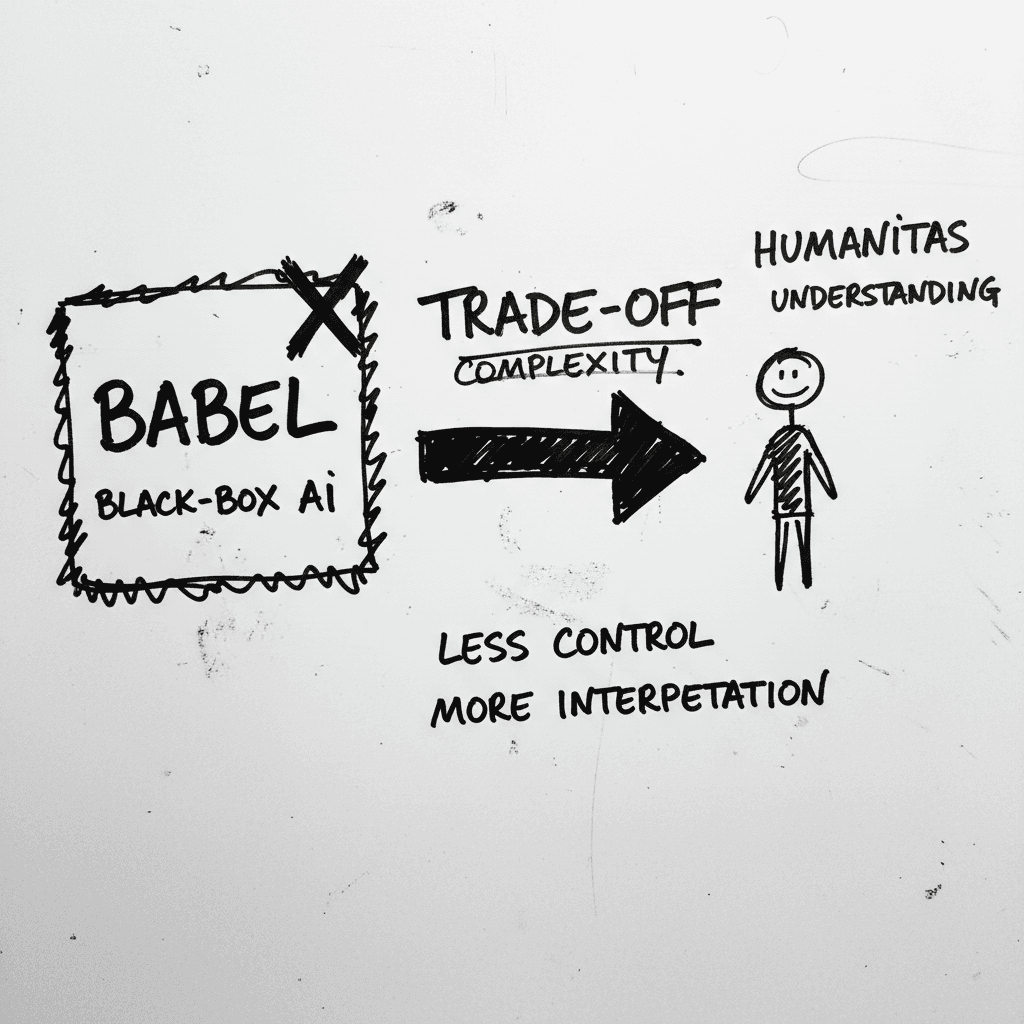
Magnifica Humanitas: The Vatican’s Framework for the GPT-5 Era
The document, signed May 15 and officially released today, was presented at the Vatican alongside Christopher Olah, co-founder of Anthropic and lead of its interpretability team (ncronline.org, Forbes
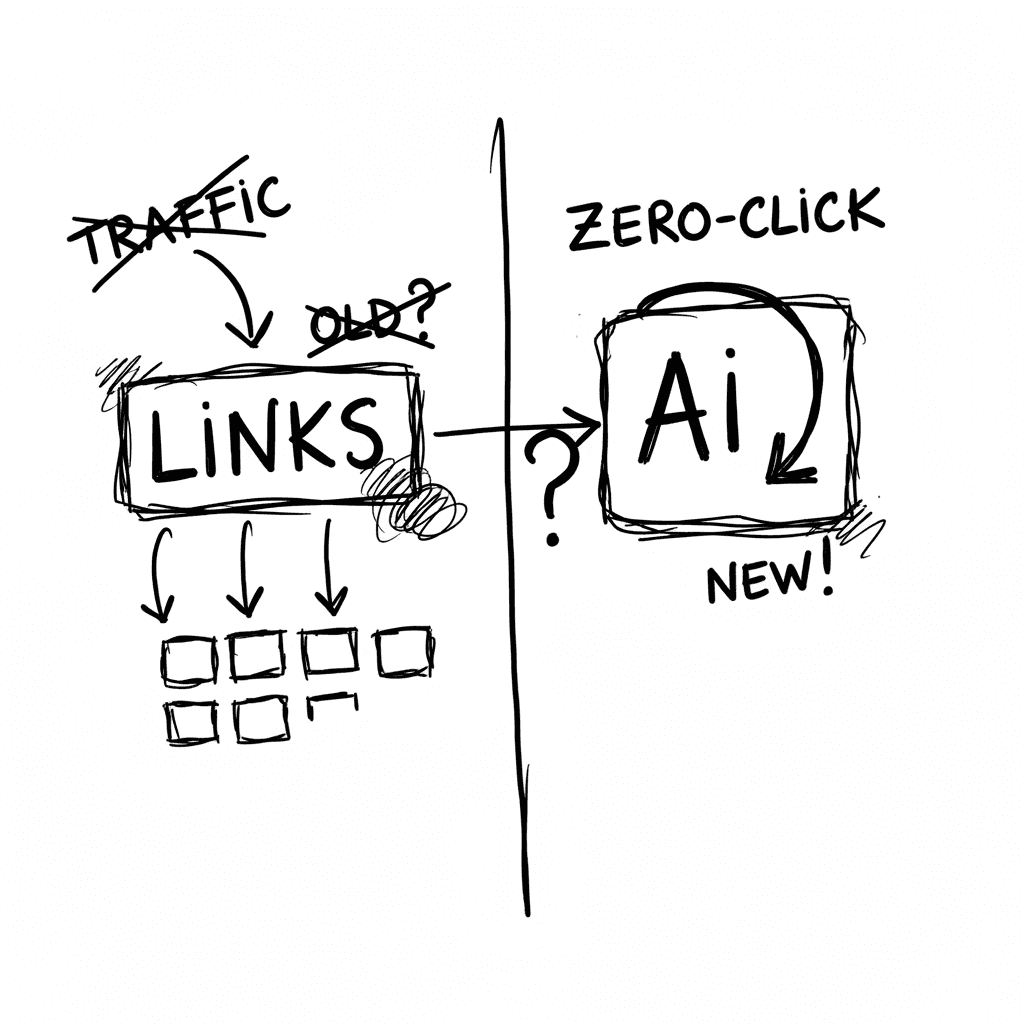
The Zero-Click Economy: Kagi Search vs. Google AI Mode
Google has effectively pivoted to an "answer engine" where Gemini 3.5 Flash provides conversational summaries, while Kagi remains the primary refuge for users seeking a human-centric, ad-free index. W
Stay Ahead of AI Adoption Trends
Get our latest reports and insights delivered to your inbox. No spam, just data.