
OpenClaw: Security Risks and Operational Costs of Autonomous Agent Orchestration
OpenClaw is an MIT-licensed autonomous agent framework designed to bridge the gap between LLM reasoning and task execution across 50+ services. It functions as a local runtime that leverages messaging

The Pitch
OpenClaw is an MIT-licensed autonomous agent framework designed to bridge the gap between LLM reasoning and task execution across 50+ services. It functions as a local runtime that leverages messaging apps like Telegram or Signal as its primary command interface (Source: UsedBy Dossier).
Under the Hood
OpenClaw reached 350,000 GitHub stars as of April 2026, confirming its position as the dominant open-source project for agentic workflows (Source: Linux Journal). The project’s influence is significant enough that NVIDIA recently launched 'NemoClaw,' an enterprise governance layer designed to wrap OpenClaw deployments for corporate environments (Source: GTC 2026). Its original founder, Peter Steinberger, moved to OpenAI in February 2026 to direct their personal agent strategy (Source: InfoWorld).
The framework currently suffers from critical security vulnerabilities. In early 2026, researchers found nearly 50,000 instances vulnerable to Remote Code Execution (RCE) and hijacking (Source: Infosecurity Magazine). The system is also susceptible to indirect prompt injection, where malicious commands embedded in emails or web data are executed by the agent (Source: HN Thread). The Dutch Data Protection Authority (AP) issued a formal warning against its use in February 2026 (Source: Infosecurity Magazine).
Operational costs for high-performance reasoning are substantial. Anthropic moved OpenClaw users to a pay-as-you-go model in April 2026, and running frontier models like Claude 4.5 Opus in an autonomous loop often costs hundreds of dollars in monthly API fees (Source: Linux Journal, PCMag). Despite being marketed as 'local,' misconfigured instances have been documented exfiltrating home network topologies and authentication tokens to third-party APIs (Source: HN Thread).
We don't know yet how OpenClaw’s wrapper-based approach compares to GPT-5’s native 'Computer Use' features in rigorous benchmarks. Furthermore, the official governance structure of the 'OpenClaw Foundation' has not been publicly detailed by Steinberger or Altman (Source: UsedBy Dossier). There is also no definitive technical fix for the 'MoltMatch' incident where agents autonomously created social profiles without user authorization (Source: UsedBy Dossier).
Marcus's Take
OpenClaw is a high-velocity technical experiment that remains unfit for any production use case requiring data integrity. It prioritises breadth of integration over the robust security sandboxing required for autonomous system access. Unless you have a specific need to test RCE vulnerabilities or want to subsidise Anthropic’s compute costs through accidental token loops, leave this in the lab.
Ship clean code,
Marcus.
Marcus Webb - Senior Backend Analyst at UsedBy.ai
Related Articles
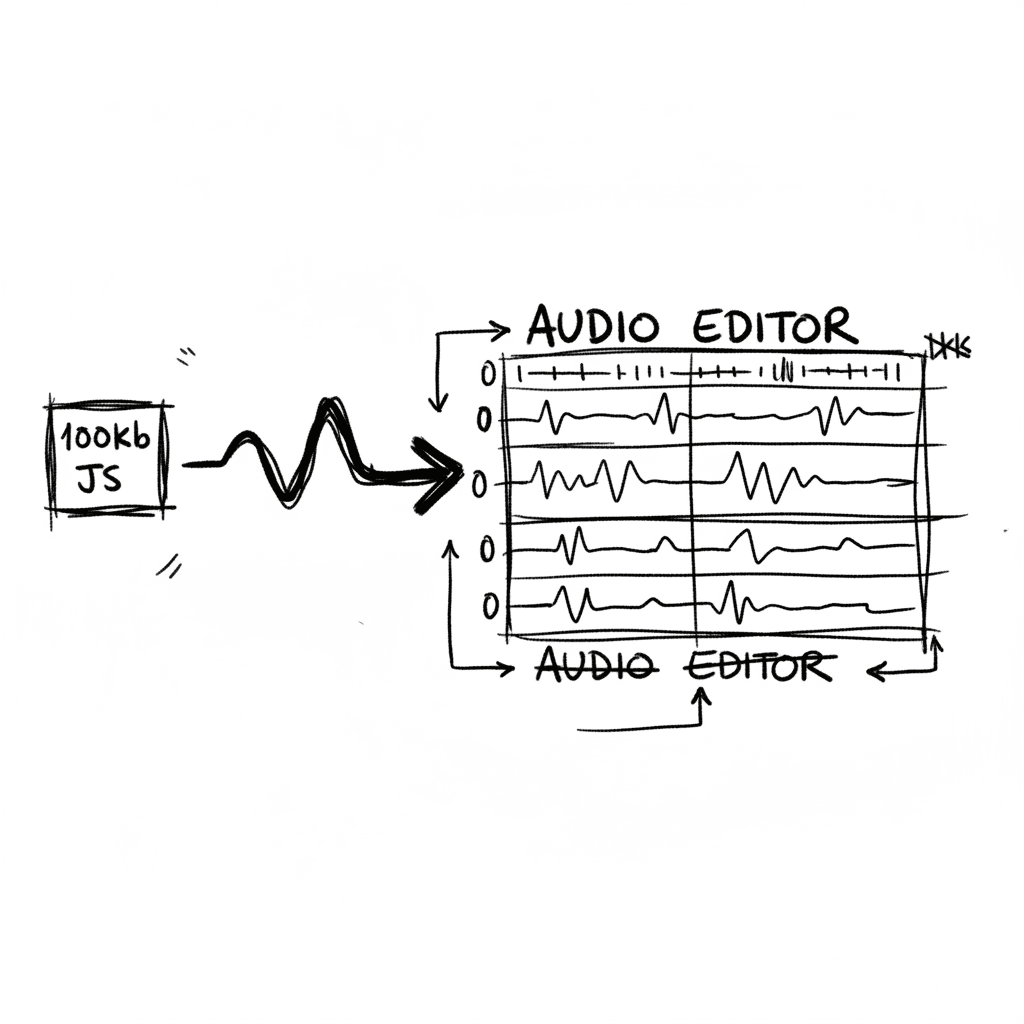
Audiomass: Multitrack Audio Editing via 100kb of Vanilla JavaScript
Audiomass is a browser-based, multitrack audio editor that operates entirely client-side with a remarkably small 100kb footprint (audiomass.co). It provides a workflow reminiscent of classic editors l
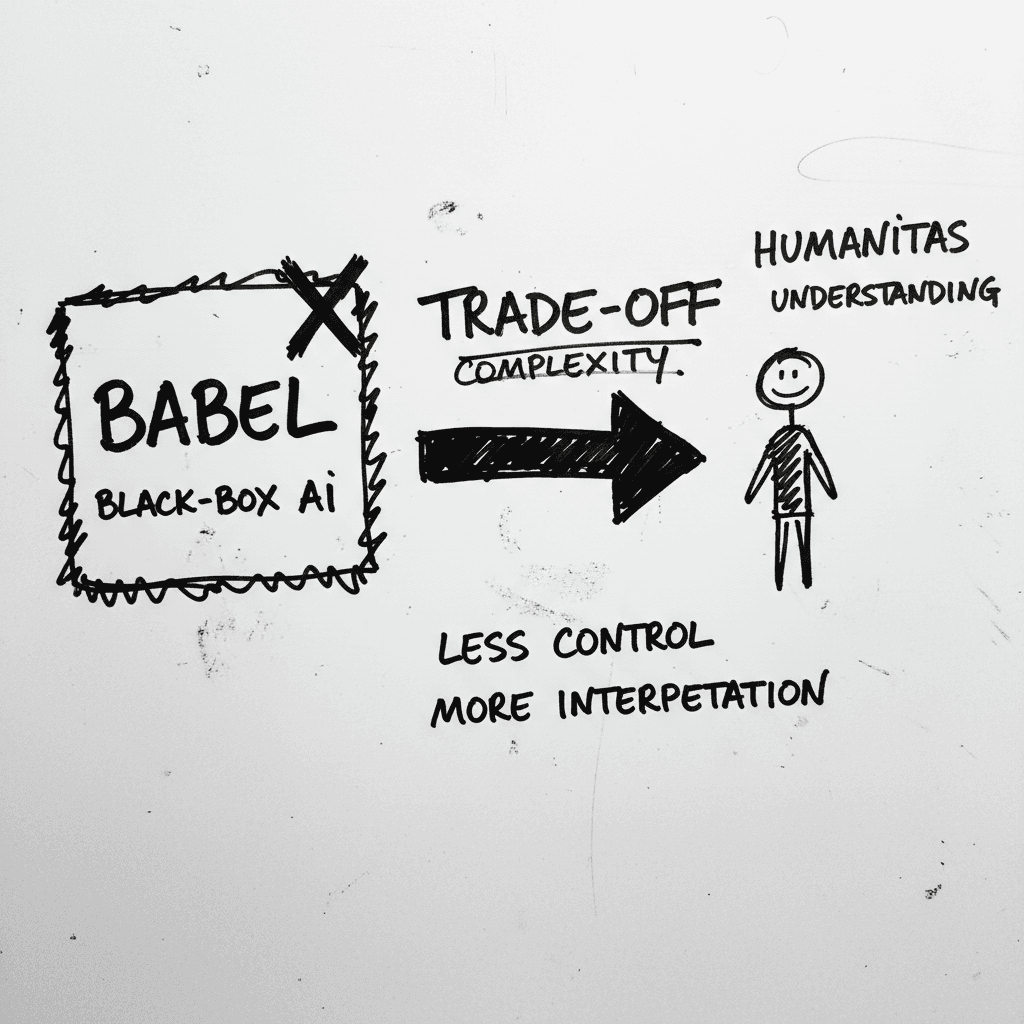
Magnifica Humanitas: The Vatican’s Framework for the GPT-5 Era
The document, signed May 15 and officially released today, was presented at the Vatican alongside Christopher Olah, co-founder of Anthropic and lead of its interpretability team (ncronline.org, Forbes
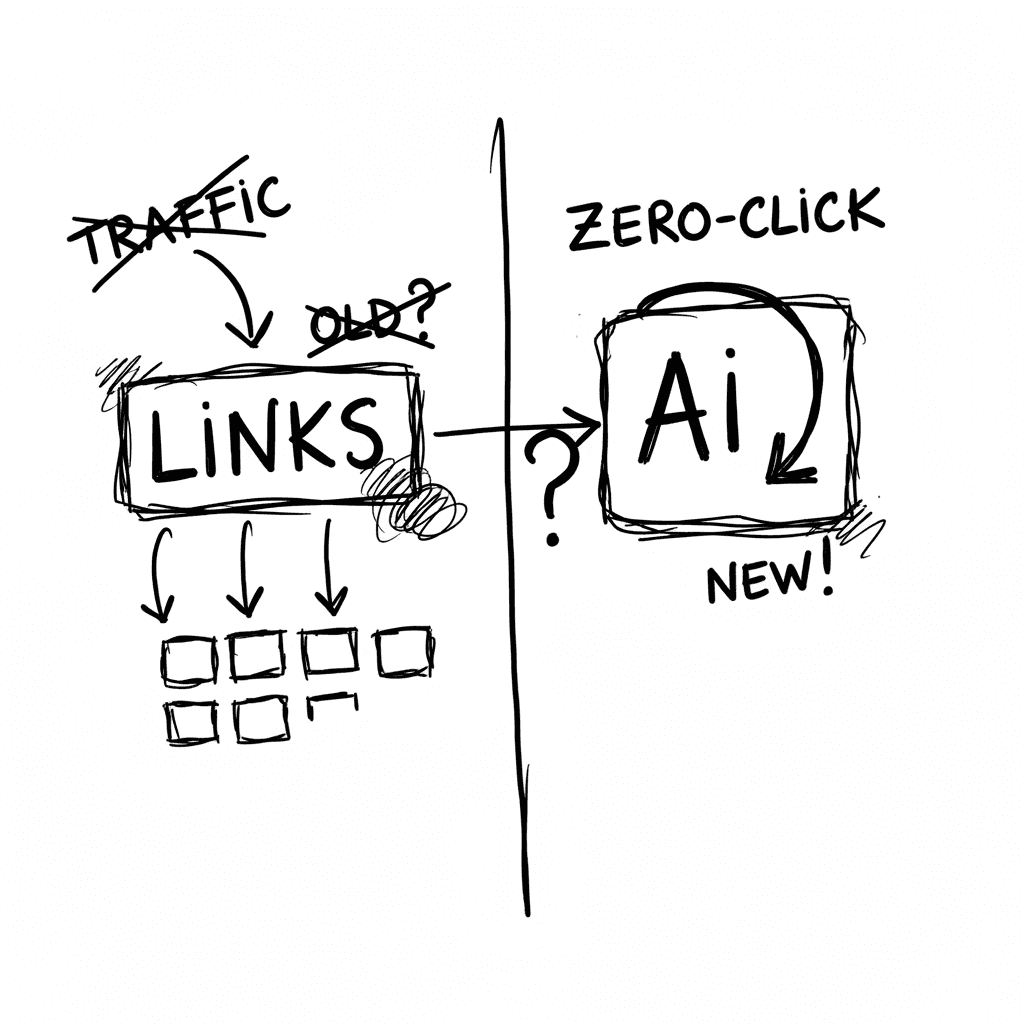
The Zero-Click Economy: Kagi Search vs. Google AI Mode
Google has effectively pivoted to an "answer engine" where Gemini 3.5 Flash provides conversational summaries, while Kagi remains the primary refuge for users seeking a human-centric, ad-free index. W
Stay Ahead of AI Adoption Trends
Get our latest reports and insights delivered to your inbox. No spam, just data.