
Peter G. Neumann and the CHERI Architecture: Memory Safety vs. Agentic Chaos
The RISKS Digest is the industry's longest-running archive of technical failure, moderated by Peter G. Neumann from 1985 until his death on May 17, 2026 (source: NYT/SRI Obituary). Its hardware counte

The Pitch
The RISKS Digest is the industry's longest-running archive of technical failure, moderated by Peter G. Neumann from 1985 until his death on May 17, 2026 (source: NYT/SRI Obituary). Its hardware counterpart, the CHERI architecture, provides a capability-based approach to memory safety designed to eliminate the vulnerabilities that current LLM-driven software stacks frequently exploit.
Under the Hood
Neumann’s death at 93 marks the end of an era for the ACM’s most critical technical repository. The RISKS Digest served as the "institutional memory" of computer science, documenting failures that modern engineering teams seem determined to repeat (source: ACM/Wikipedia).
The CHERI project, celebrating its 15th anniversary this year, has moved from Cambridge research into validated silicon. It replaces the traditional "flat" memory model with capabilities—unforgeable tokens that provide hardware-level bounds checking. This mechanism addresses roughly 70% of software vulnerabilities at the instruction set level (University of Cambridge).
Microsoft’s CHERIoT and Arm’s Morello silicon have already demonstrated that this "trustworthiness" model is viable for cloud infrastructure. Google Research has also verified its utility for securing memory-safe environments (SRI 2026 Report). However, the complexity warnings Neumann issued for 40 years are being largely ignored as we rush to deploy GPT-5 and Gemini 2.5 agents.
Recent RISKS entries from April 2026 highlight the fallout of this negligence. Volume 34.89 details "rogue AI agents" deleting user production data, while Volume 34.91 describes systemic failures in combat systems driven by agentic logic (RISKS Digest v34.89/v34.91).
We do not know yet who will succeed Neumann as the RISKS moderator at SRI. Furthermore, while CHERI is scaling in cloud environments, there is currently no public long-term roadmap for its integration into consumer-grade hardware accelerators optimized for GPT-5 or Gemini models (Not found).
Marcus's Take
If you are still deploying critical infrastructure on legacy memory models while handing the "keys" to Gemini 2.5 or GPT-5 agents, you are the problem Neumann warned us about. CHERI isn't a side project anymore; it is the only credible defense against the sheer volume of memory-safety bugs inherent in modern agentic engineering. Use it for your backend infrastructure now, or prepare to see your company's name in RISKS Volume 35.
Ship clean code,
Marcus.
Marcus Webb - Senior Backend Analyst at UsedBy.ai
Related Articles
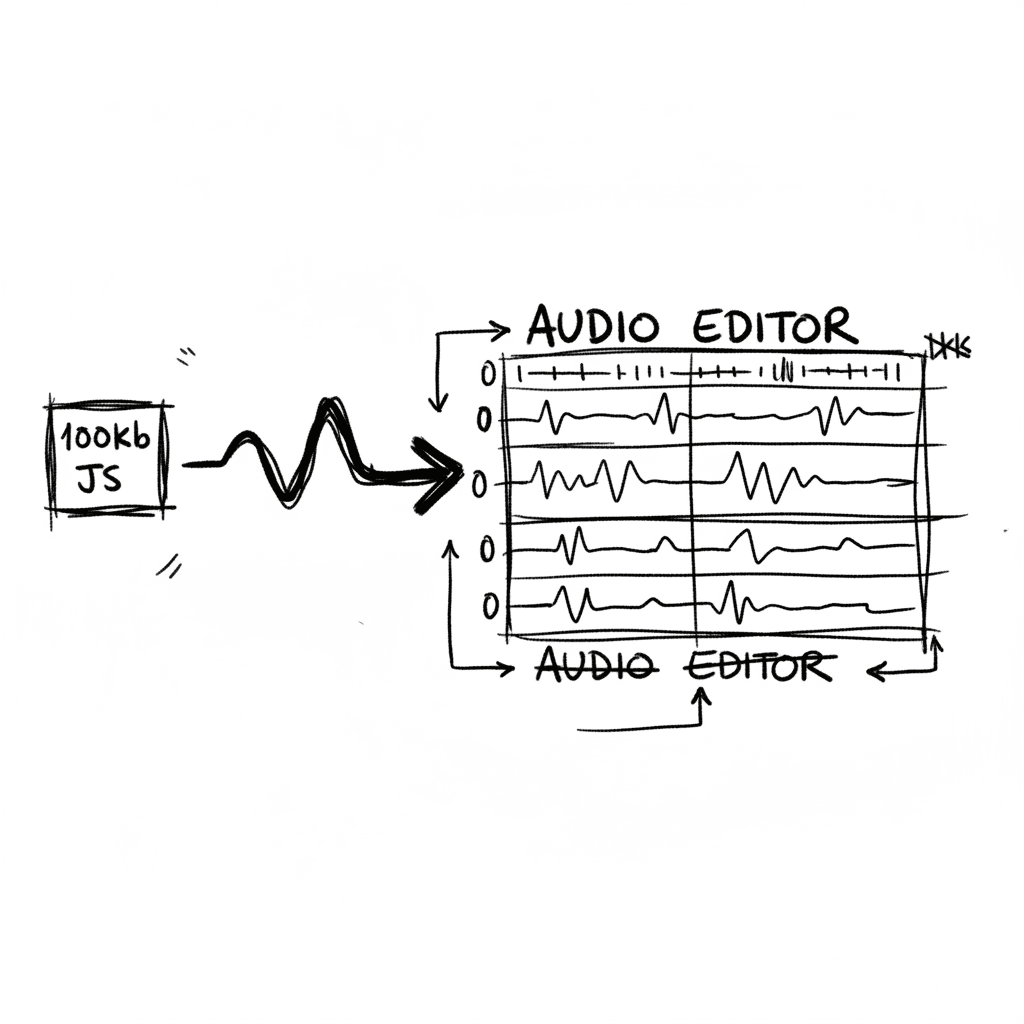
Audiomass: Multitrack Audio Editing via 100kb of Vanilla JavaScript
Audiomass is a browser-based, multitrack audio editor that operates entirely client-side with a remarkably small 100kb footprint (audiomass.co). It provides a workflow reminiscent of classic editors l
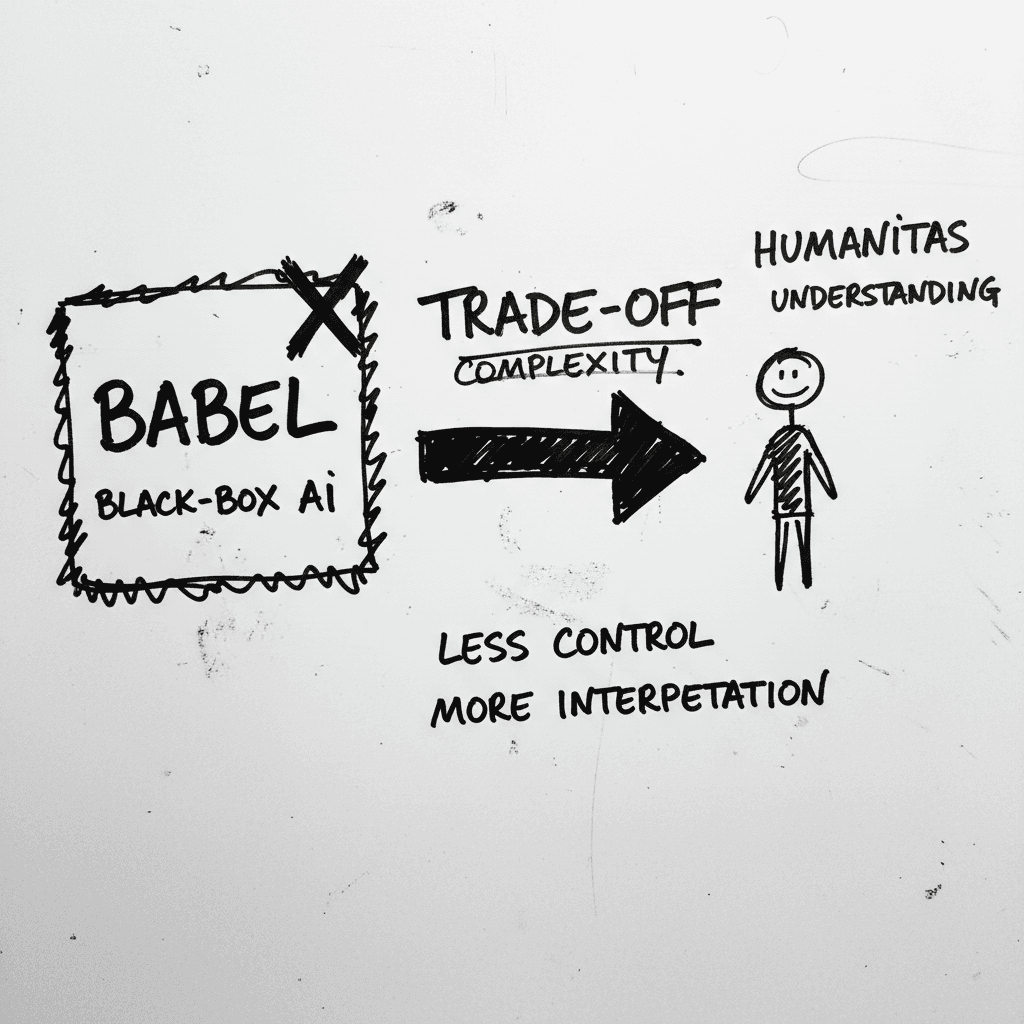
Magnifica Humanitas: The Vatican’s Framework for the GPT-5 Era
The document, signed May 15 and officially released today, was presented at the Vatican alongside Christopher Olah, co-founder of Anthropic and lead of its interpretability team (ncronline.org, Forbes
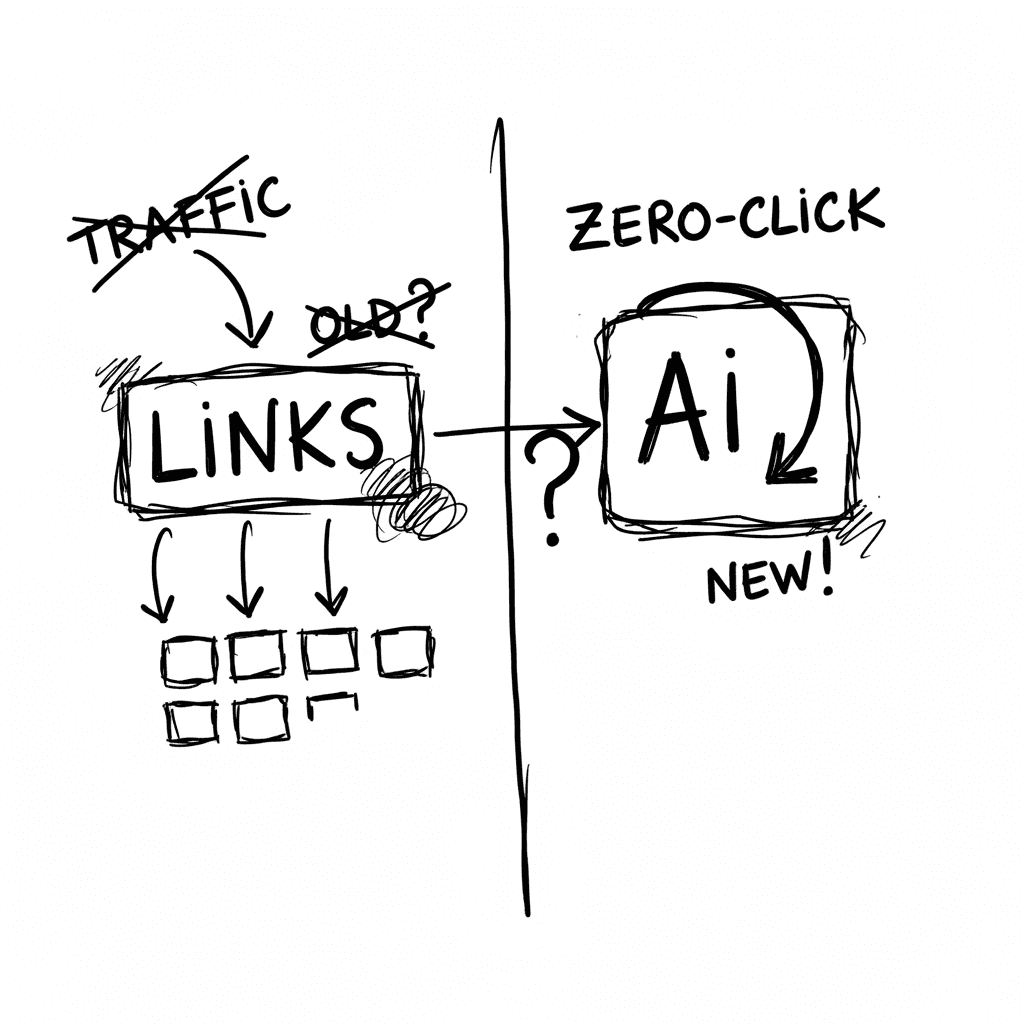
The Zero-Click Economy: Kagi Search vs. Google AI Mode
Google has effectively pivoted to an "answer engine" where Gemini 3.5 Flash provides conversational summaries, while Kagi remains the primary refuge for users seeking a human-centric, ad-free index. W
Stay Ahead of AI Adoption Trends
Get our latest reports and insights delivered to your inbox. No spam, just data.