
Rails 8/9: Evaluating the database-backed infrastructure shift
Rails has pivoted to a "One Person Framework" philosophy, removing the requirement for external dependencies like Redis and complex JS build pipelines. It positions itself as the stable, "boring" alte

The Pitch
Rails has pivoted to a "One Person Framework" philosophy, removing the requirement for external dependencies like Redis and complex JS build pipelines. It positions itself as the stable, "boring" alternative for teams exhausted by the volatile state of the Next.js and React ecosystem (source: HN).
Under the Hood
The central technical shift in Rails 8 and 9 is the removal of Redis from the standard stack via the "Solid Trifecta." Solid Cache, Solid Queue, and Solid Cable allow applications to handle caching, background jobs, and websockets directly through the primary database (source: markround.com).
This architecture simplifies the stack for small-to-medium deployments, particularly when paired with SQLite, which is now considered production-ready with WAL mode enabled out of the box (source: markround.com). Deployment has been standardised through Kamal 2.0, allowing for zero-downtime containerized deployments to any VPS without the overhead of Kubernetes (source: dev.to).
The frontend has moved to a "No-Build" default using Import Maps and Stimulus, which eliminates the need for Node.js in many production environments (source: jetrockets.com). However, this "Convention over Configuration" approach continues to present a "Complexity Wall" for developers coming from explicit micro-frameworks like Go or Express, who often struggle to debug the internal "magic" (source: Monterail).
Maintenance debt remains a significant concern, as projects older than five years frequently hit "dependency hell" where gems clash with specific system library versions (source: HN). Furthermore, while Ruby 4.0 has improved speed, the framework still lags behind Go or Elixir’s Phoenix for high-concurrency websocket applications (source: reddit.com/r/elixir).
We don't know yet how the new "Solid" suite performs compared to Redis under high-load enterprise scenarios, as direct benchmarks are missing. We also don't know if the built-in Auth Generator introduced in Rails 8 is successfully replacing Devise for complex enterprise-grade requirements.
Marcus's Take
Use Rails 8/9 for any new internal tool or B2B SaaS where speed to market outweighs the need for extreme concurrency. The "Solid" architecture is a pragmatic win for reducing infrastructure costs and cognitive load. However, if your roadmap involves 100k+ concurrent websocket connections, stick to Elixir or Go; the Ruby performance ceiling is higher than it was, but it hasn't disappeared.
Ship clean code,
Marcus.
Marcus Webb - Senior Backend Analyst at UsedBy.ai
Related Articles
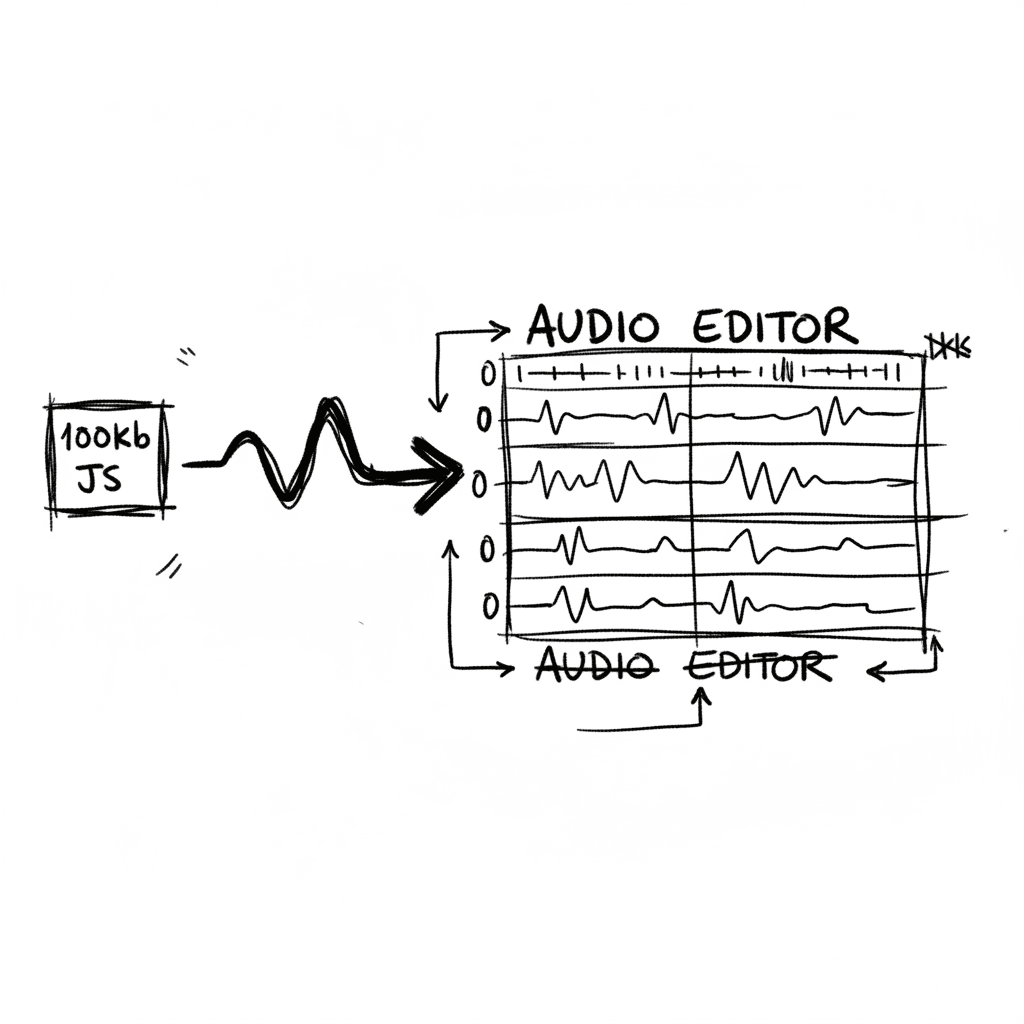
Audiomass: Multitrack Audio Editing via 100kb of Vanilla JavaScript
Audiomass is a browser-based, multitrack audio editor that operates entirely client-side with a remarkably small 100kb footprint (audiomass.co). It provides a workflow reminiscent of classic editors l
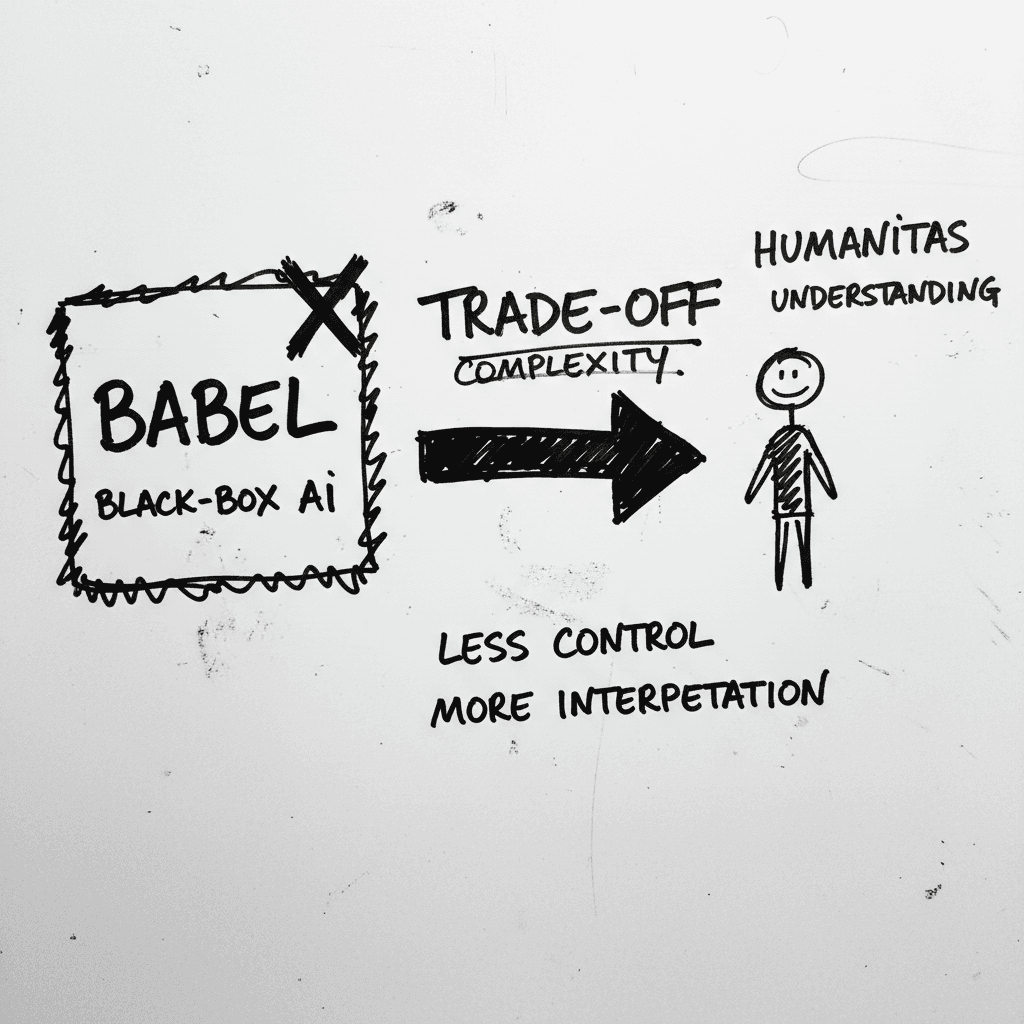
Magnifica Humanitas: The Vatican’s Framework for the GPT-5 Era
The document, signed May 15 and officially released today, was presented at the Vatican alongside Christopher Olah, co-founder of Anthropic and lead of its interpretability team (ncronline.org, Forbes
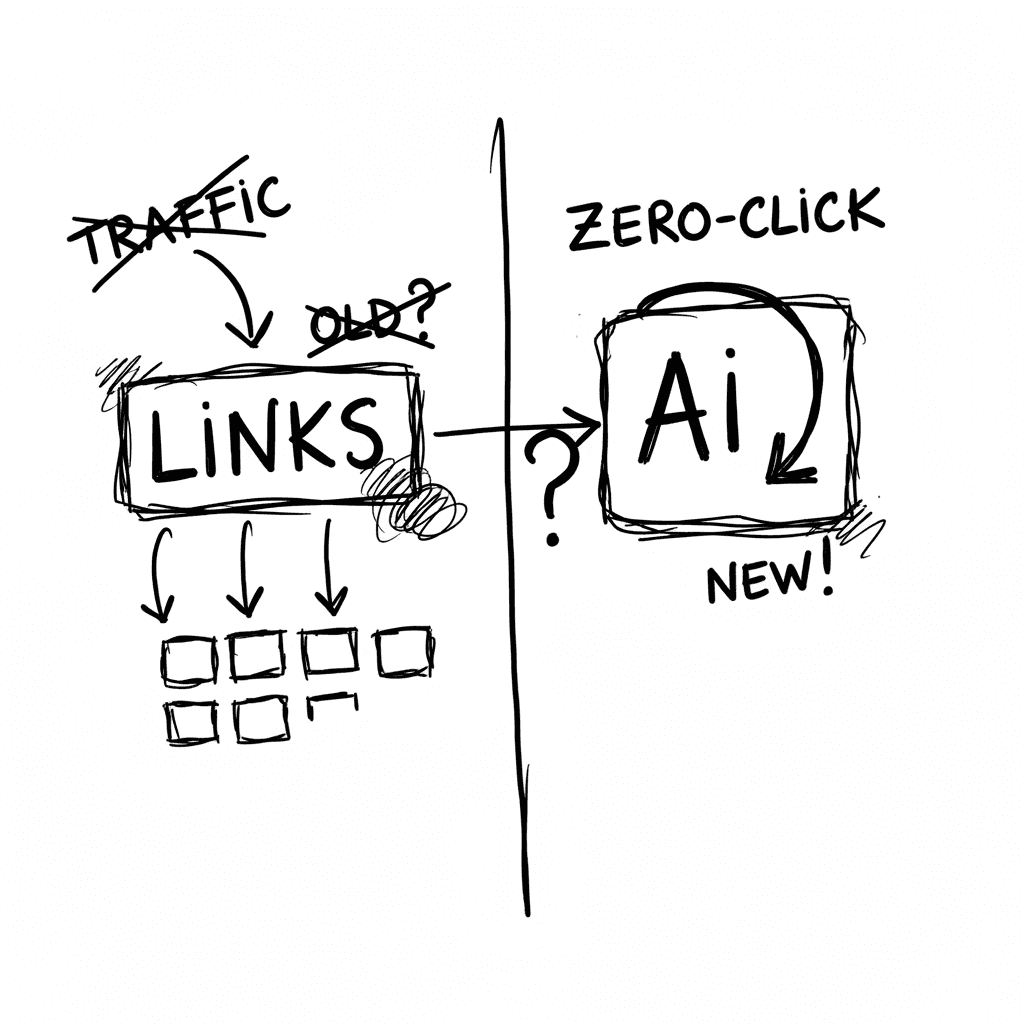
The Zero-Click Economy: Kagi Search vs. Google AI Mode
Google has effectively pivoted to an "answer engine" where Gemini 3.5 Flash provides conversational summaries, while Kagi remains the primary refuge for users seeking a human-centric, ad-free index. W
Stay Ahead of AI Adoption Trends
Get our latest reports and insights delivered to your inbox. No spam, just data.