
Razor 1911 Claims Revision 2026 PC Competition Amidst Hardware Compatibility Issues
Revision 2026 concluded its four-day run in Saarbrücken yesterday, solidifying its status as the primary benchmark for low-level optimization. The event's highlight was Razor 1911’s eponymous producti

The Pitch
Revision 2026 concluded its four-day run in Saarbrücken yesterday, solidifying its status as the primary benchmark for low-level optimization. The event's highlight was Razor 1911’s eponymous production, which demonstrated that forty years of assembly expertise still outperforms the bloated abstraction layers common in modern software (Source: Official Site).
Under the Hood
The eponymous demo by Razor 1911 secured first place in the PC Demo competition (Pouët #105954). Celebrating the group’s 40-year uninterrupted history since 1985, the release is a technical study in modern GPU orchestration. However, the current release is a "party version," plagued by the usual stability trade-offs made to meet the April 6th deadline (Group NFO).
On the legacy hardware side, Otomata Labs pushed a 32K Atari 2600 cartridge to its theoretical limits with "Triplet" (Demozoo). Winning the Oldskool competition, it proves that hardware constraints often force more efficient engineering than the virtually infinite memory context of a GPT-5 or Claude 4.5 environment. Linus Akesson (LFT) also showcased high-efficiency synthesis on the Raspberry Pi Pico 2 with "Sum Ergo Demonstro," taking 3rd in the Wild Demo category (Pouët #105972).
Reliability remains the primary friction point for the top PC winner. The Razor 1911 demo is explicitly flagged as non-functional on Intel Iris GPUs (Pouët NFO). Users have also documented specific visual artifacts during 4K rendering at the 5:18 mark (Pouët comments). These glitches are typical of the scene's "release now, patch later" culture.
We don't know yet when the stabilized "PROPER" versions of these demos will be released. Furthermore, a full technical breakdown of the custom engine LFT utilized for his Pico 2 production hasn't been made public (UsedBy Dossier).
Marcus's Take
Revision 2026 proves that the most efficient code is still written by humans obsessed with clock cycles, not LLMs hallucinating boilerplate. Razor 1911’s win is a significant historical marker, but do not attempt to run the current binary on a standard corporate laptop unless you enjoy explaining a kernel panic to IT. The Intel Iris failure is a classic example of "it works on my machine" engineering. Skip the local execution and watch the captures on YouTube until the "PROPER" builds drop.
Ship clean code,
Marcus.
Marcus Webb - Senior Backend Analyst at UsedBy.ai
Related Articles
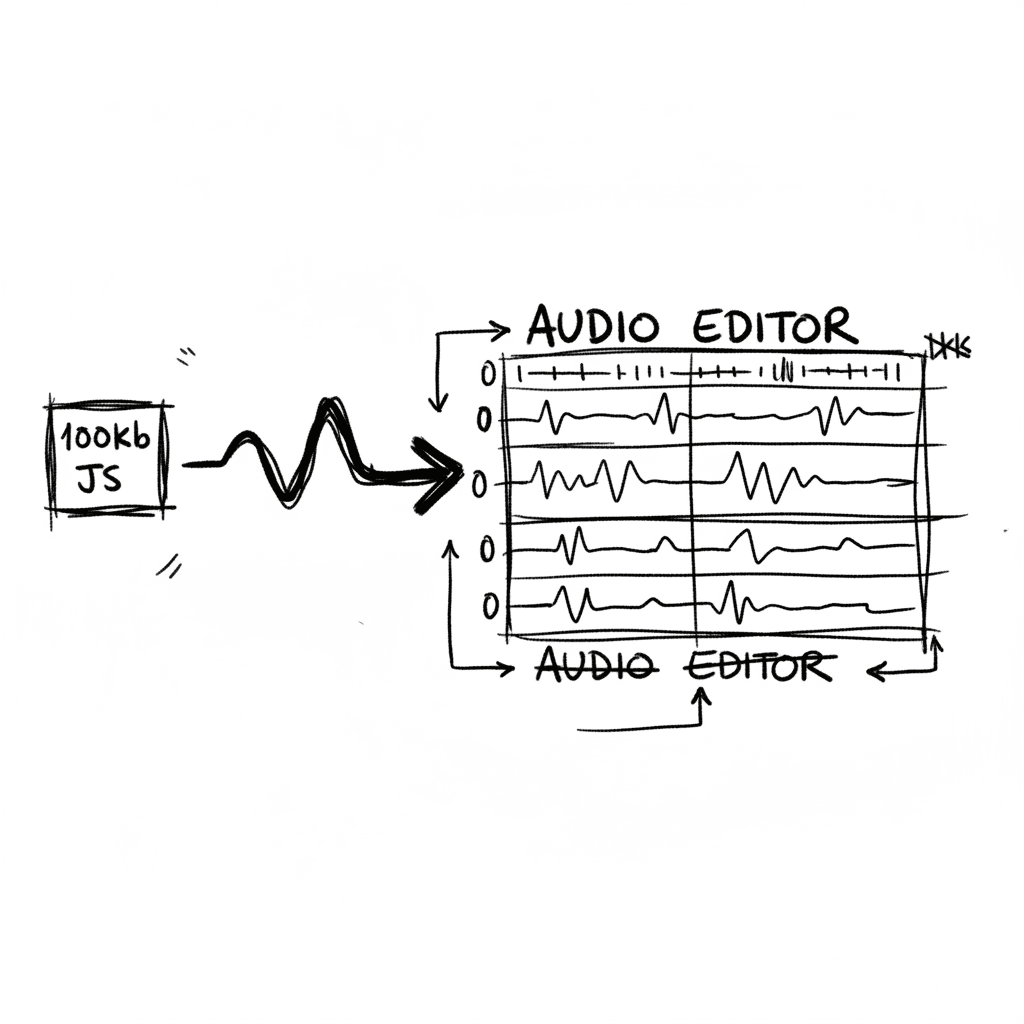
Audiomass: Multitrack Audio Editing via 100kb of Vanilla JavaScript
Audiomass is a browser-based, multitrack audio editor that operates entirely client-side with a remarkably small 100kb footprint (audiomass.co). It provides a workflow reminiscent of classic editors l
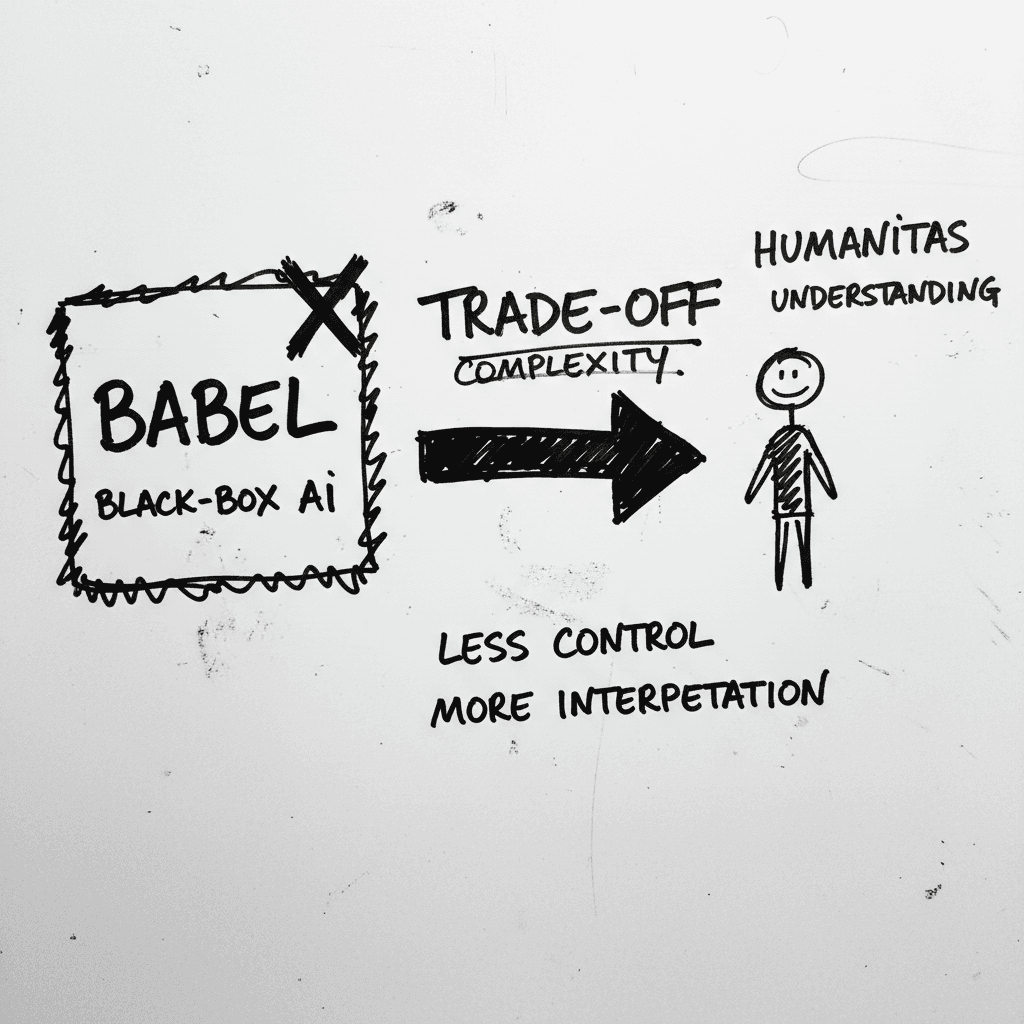
Magnifica Humanitas: The Vatican’s Framework for the GPT-5 Era
The document, signed May 15 and officially released today, was presented at the Vatican alongside Christopher Olah, co-founder of Anthropic and lead of its interpretability team (ncronline.org, Forbes
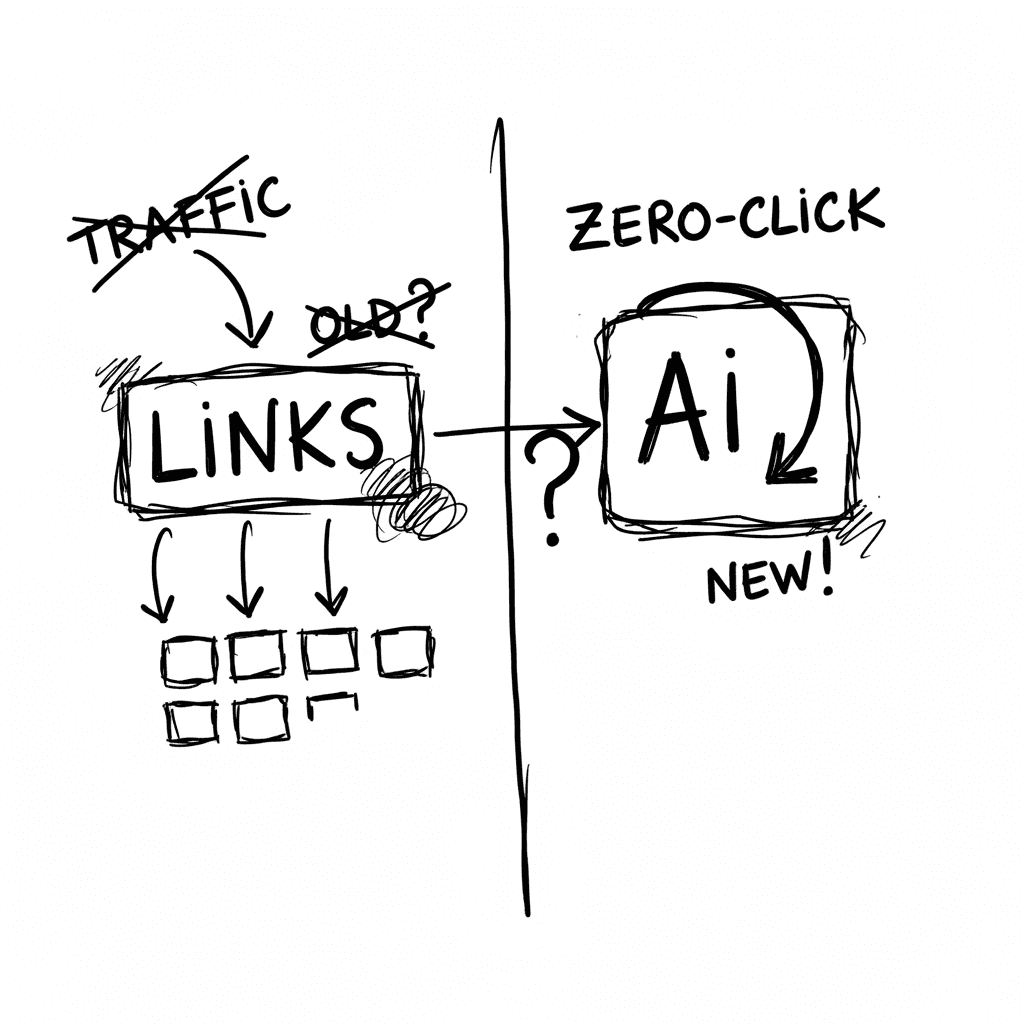
The Zero-Click Economy: Kagi Search vs. Google AI Mode
Google has effectively pivoted to an "answer engine" where Gemini 3.5 Flash provides conversational summaries, while Kagi remains the primary refuge for users seeking a human-centric, ad-free index. W
Stay Ahead of AI Adoption Trends
Get our latest reports and insights delivered to your inbox. No spam, just data.