
Redox OS implements mandatory DCO and bans LLM-generated contributions
Redox OS updated its contribution guidelines on March 9, 2026, to enforce a strict ban on all LLM-generated content in issues and pull requests (GitLab). The Rust-based microkernel project is attempti

The Pitch
Redox OS updated its contribution guidelines on March 9, 2026, to enforce a strict ban on all LLM-generated content in issues and pull requests (GitLab). The Rust-based microkernel project is attempting to insulate its codebase from "AI slop" and the lingering legal ambiguities of machine-authored code.
Under the Hood
The project now requires a Developer Certificate of Origin (DCO), a move that mirrors the Linux Foundation’s provenance model (GitLab). This is a direct response to the surge in automated submissions that followed the release of GPT-5 and Claude 4.5 Opus. While the project achieved a technical milestone in February 2026 by running the Rust compiler and Cargo natively (Phoronix), the maintainers are now focused on human-only labor.
This policy follows the Zig Software Foundation’s late-2025 migration to Codeberg to avoid GitHub's aggressive AI integration (Techzine). However, the Redox maintainers admit the ban is largely unenforceable against sophisticated "submarine" submissions (UsedBy Dossier). As of March 2026, code produced by Claude 4.5 Opus is often indistinguishable from that of a senior systems engineer.
The current implementation faces several technical and social hurdles:
* The project lacks a clear technical roadmap for distinguishing human Rust code from GPT-5 output (missing_info).
* Community members have warned of "witch-hunts" where high-quality human code is mistakenly flagged as AI-generated (Reddit).
* Strict anti-AI rules risk alienating developers who use agentic tools for legitimate refactoring or documentation assistance.
* The specific volume of low-quality PRs that triggered this defensive move remains unquantified (missing_info).
Marcus's Take
Redox is attempting to build a walled garden in a world where the walls have already been breached. While the DCO provides a necessary legal shield against copyright claims, a total ban on LLM-generated content is more about "proof of effort" theater than technical necessity. If you are building for Redox, expect a friction-heavy contribution process that prioritizes provenance over the speed of 2026-era development workflows. It remains a vital project for systems research, but this policy is a desperate finger in a very large leak.
Ship clean code,
Marcus.
Marcus Webb - Senior Backend Analyst at UsedBy.ai
Related Articles
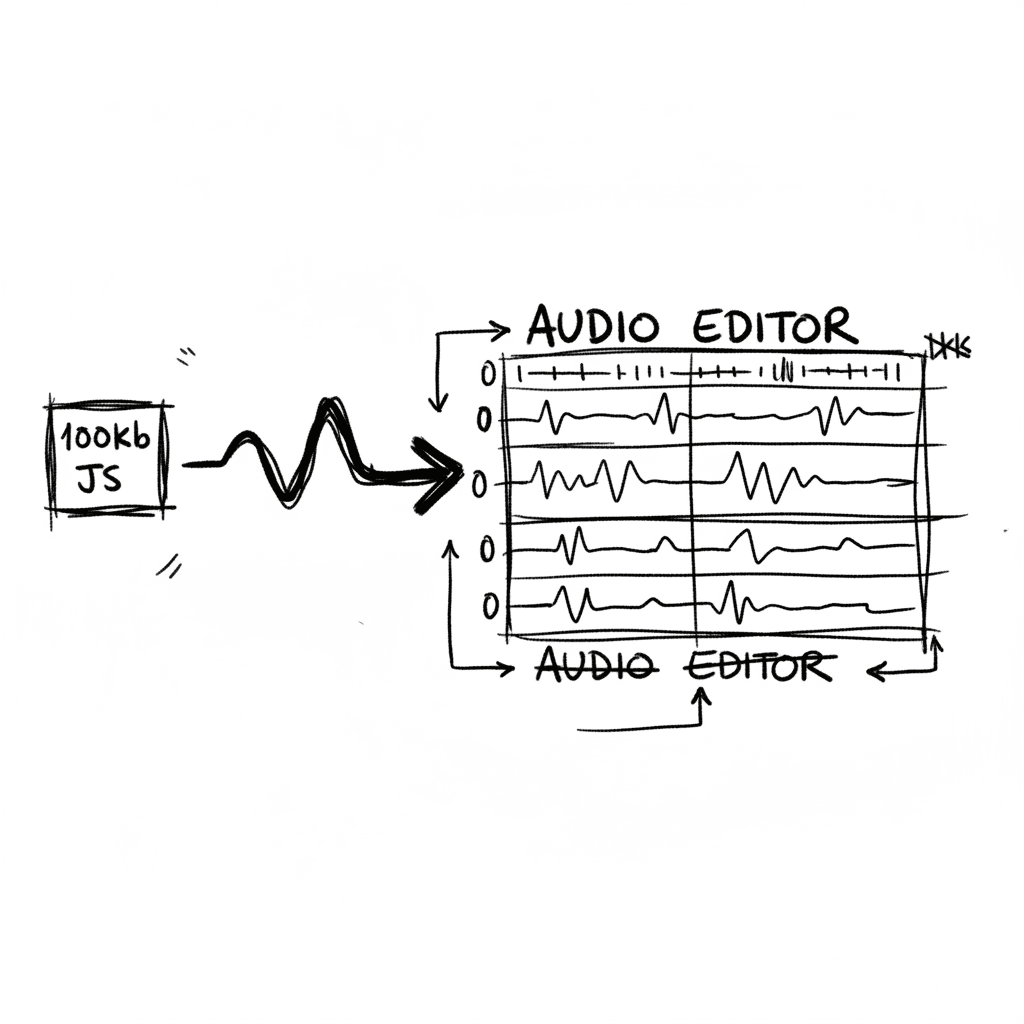
Audiomass: Multitrack Audio Editing via 100kb of Vanilla JavaScript
Audiomass is a browser-based, multitrack audio editor that operates entirely client-side with a remarkably small 100kb footprint (audiomass.co). It provides a workflow reminiscent of classic editors l
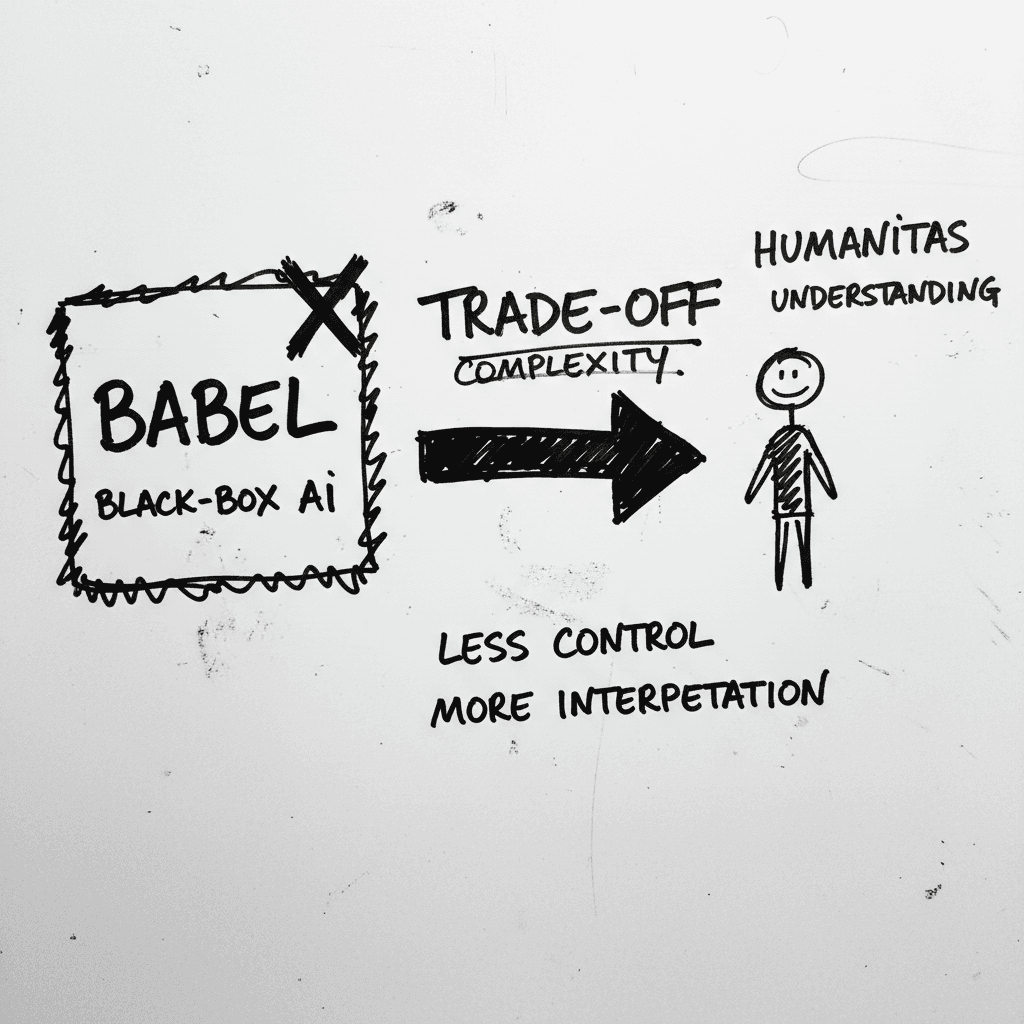
Magnifica Humanitas: The Vatican’s Framework for the GPT-5 Era
The document, signed May 15 and officially released today, was presented at the Vatican alongside Christopher Olah, co-founder of Anthropic and lead of its interpretability team (ncronline.org, Forbes
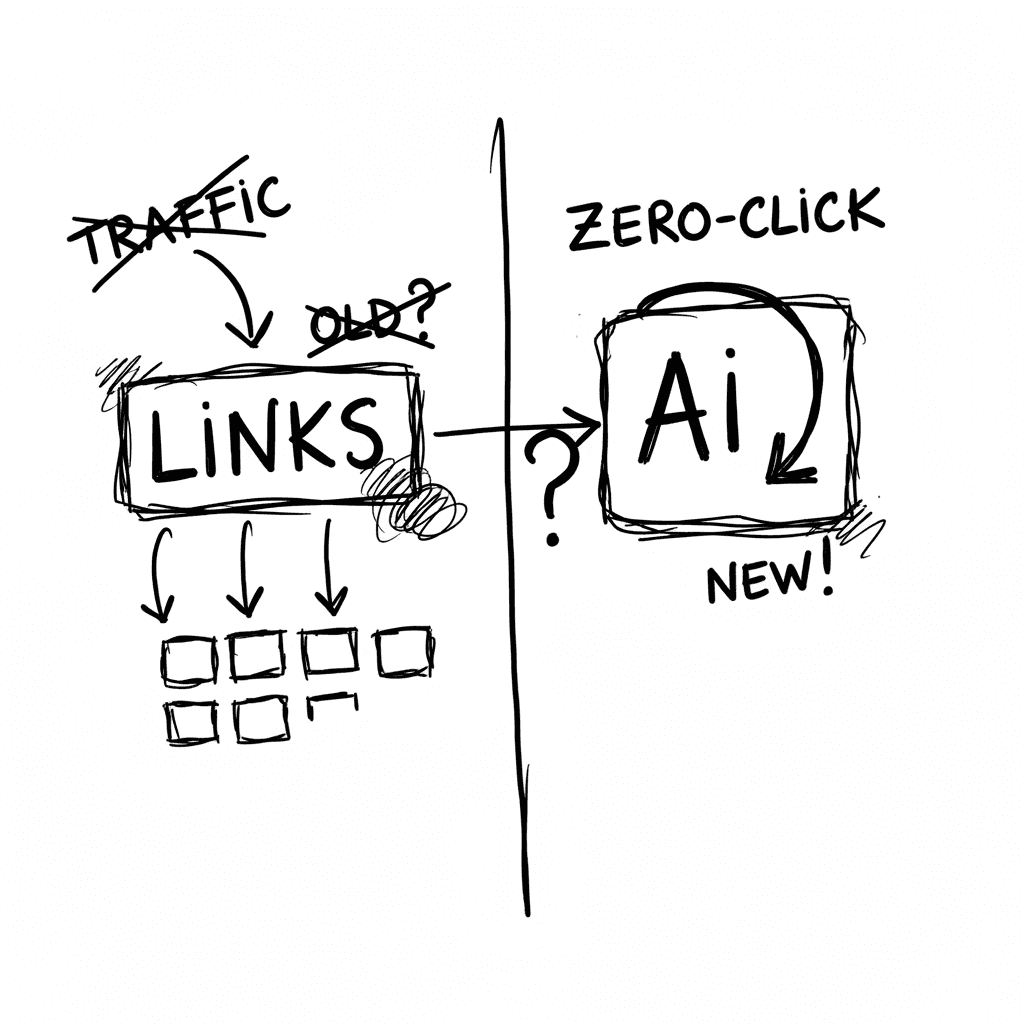
The Zero-Click Economy: Kagi Search vs. Google AI Mode
Google has effectively pivoted to an "answer engine" where Gemini 3.5 Flash provides conversational summaries, while Kagi remains the primary refuge for users seeking a human-centric, ad-free index. W
Stay Ahead of AI Adoption Trends
Get our latest reports and insights delivered to your inbox. No spam, just data.