
Running Tesla Infotainment and Autopilot Hardware on a Desktop Environment
Security researchers are bypassing the need for a physical vehicle by bench-testing salvaged Tesla Model 3 Media Control Units (MCU) and Autopilot hardware. This setup allows for deep-dive vulnerabili

The Pitch
Security researchers are bypassing the need for a physical vehicle by bench-testing salvaged Tesla Model 3 Media Control Units (MCU) and Autopilot hardware. This setup allows for deep-dive vulnerability research and firmware analysis using components typically sourced from crashed cars for roughly $500 (xdavidhu.me, March 2026).
Under the Hood
The hardware stack requires a specific configuration of MCU and Autopilot units paired with either a 15.4-inch "Highland" or legacy touchscreen. Power management is the primary failure point, as the bench draws up to 8A peak loads; a 10A DC power supply (12V-16V) is mandatory to prevent boot loops and filesystem corruption (xdavidhu.me).
Accessing the system's core remains gated by Tesla’s official Root Access Program. To obtain a unique SSH certificate for persistent root access, researchers must submit a verified vulnerability through the Bugcrowd Tesla VRP (Bugcrowd, Jan 2026). While port 8080 exposes the On-Board Diagnostic Interface Network (ODIN) used by Tesla’s "Toolbox" software, the most significant research currently focuses on 'Bit-Augmented Arithmetic' (source: Patent US20260017503A1).
The assembly presents several physical and software challenges:
- Screen cables are rarely available as standalone parts, forcing researchers to purchase full $80+ wiring looms (Go-Parts).
- Components from different salvage vehicles often trigger software locks.
- Unlocking communication between mismatched parts requires Tesla Service intervention or unauthorized "Toolbox" access (UsedBy Dossier).
- Root exploits demonstrated at Pwn2Own Tokyo 2026 confirm that the current HW4 and AI4 architectures remain vulnerable under specific conditions (BleepingComputer).
We don't know yet if the 16-inch QHD screen upgrade found in recent Highland models shares the same LVDS pinout as the 15.4-inch variants. Furthermore, the maximum wattage for the anticipated AI5/HW5 setups is currently speculative, with some leaks suggesting peak loads of 800W (Wikipedia/X).
Marcus's Take
This is a niche pursuit for security researchers, not a weekend project for curious developers. While the $500 entry price for hardware sounds low, the time-sink of sourcing proprietary wiring and the "pay-to-play" nature of Tesla’s Root Access Program makes this a high-friction environment. Unless you have a specific, exploitable vulnerability ready to trade for an SSH certificate, you are better off spending your time on open-source automotive stacks. It is a rigorous tool for professional penetration testing, but for most backend engineers, it is an expensive paperweight that is one boot-loop away from a corrupted filesystem.
Ship clean code,
Marcus.
Marcus Webb - Senior Backend Analyst at UsedBy.ai
Related Articles
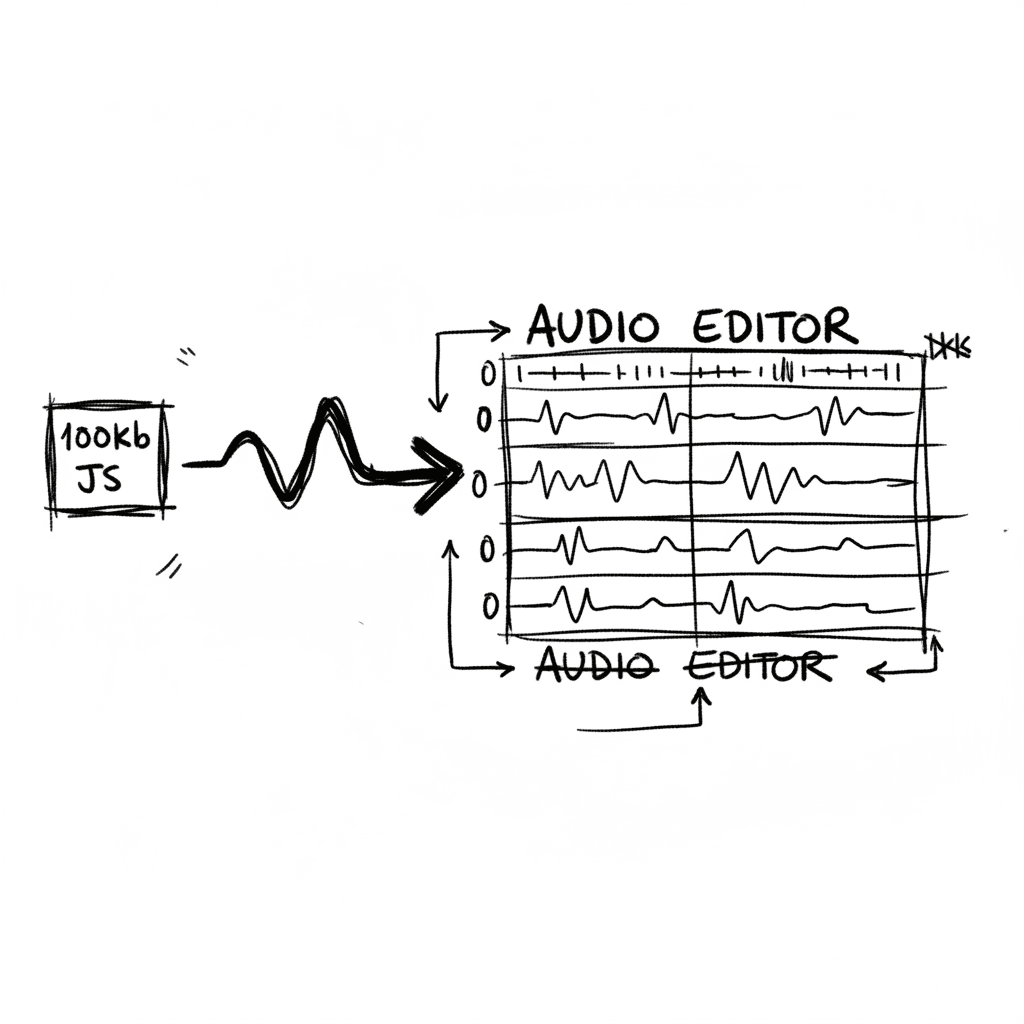
Audiomass: Multitrack Audio Editing via 100kb of Vanilla JavaScript
Audiomass is a browser-based, multitrack audio editor that operates entirely client-side with a remarkably small 100kb footprint (audiomass.co). It provides a workflow reminiscent of classic editors l
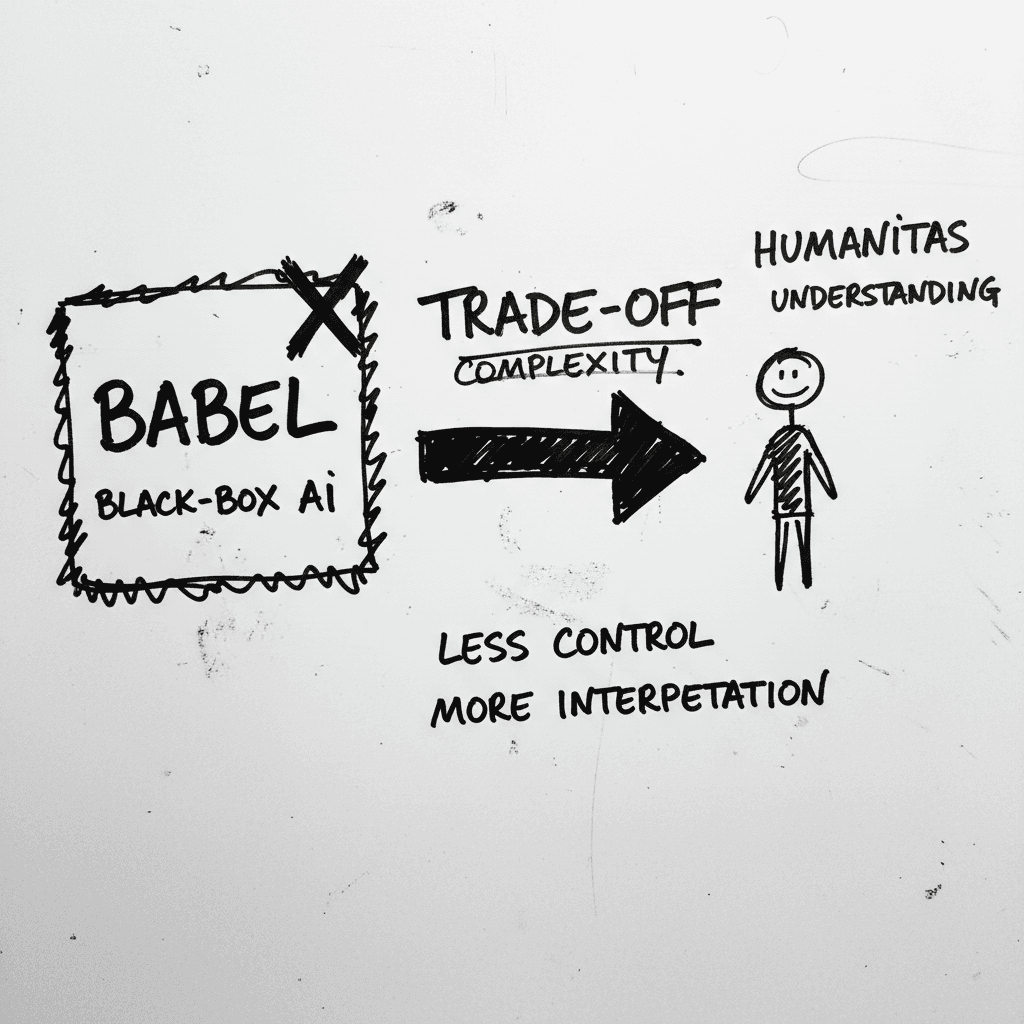
Magnifica Humanitas: The Vatican’s Framework for the GPT-5 Era
The document, signed May 15 and officially released today, was presented at the Vatican alongside Christopher Olah, co-founder of Anthropic and lead of its interpretability team (ncronline.org, Forbes
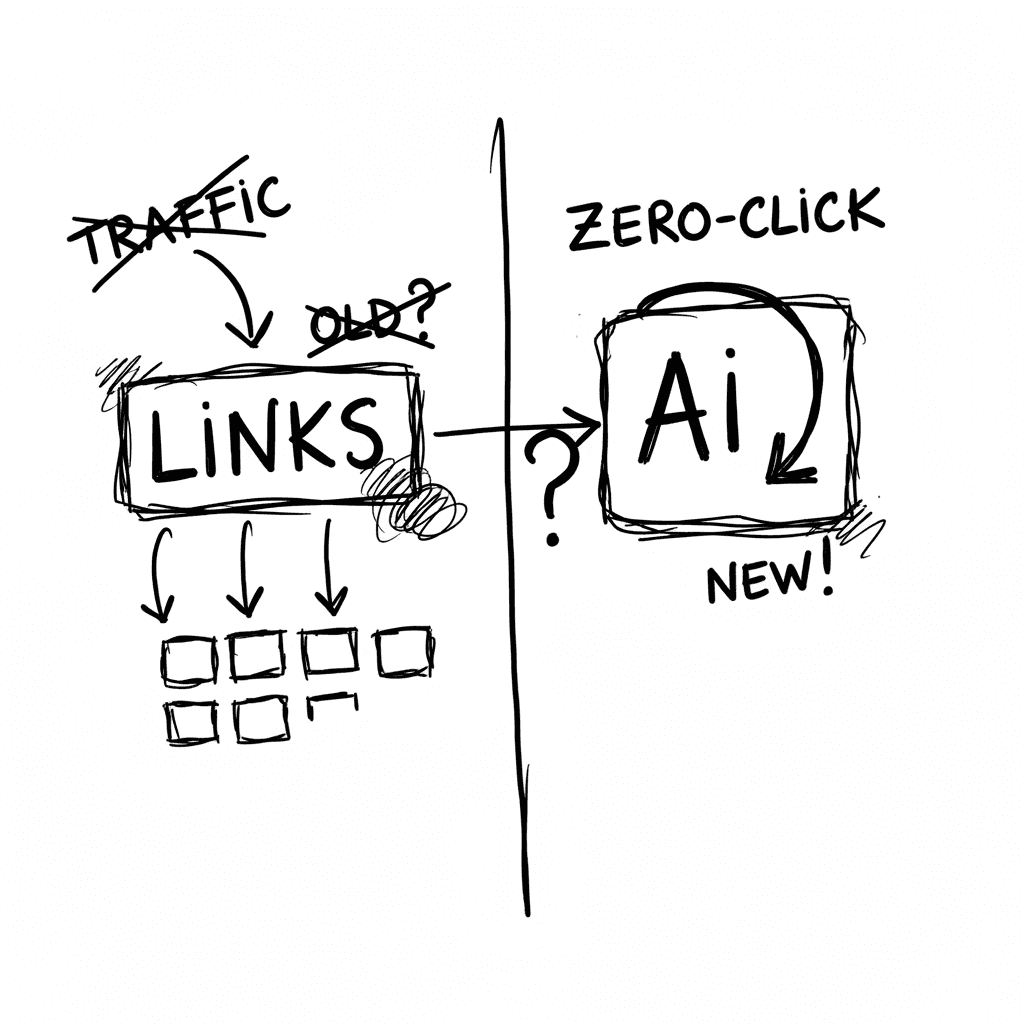
The Zero-Click Economy: Kagi Search vs. Google AI Mode
Google has effectively pivoted to an "answer engine" where Gemini 3.5 Flash provides conversational summaries, while Kagi remains the primary refuge for users seeking a human-centric, ad-free index. W
Stay Ahead of AI Adoption Trends
Get our latest reports and insights delivered to your inbox. No spam, just data.