
SQLite 3.53.1: Technical Reliability vs. Compliance Governance
SQLite is the industry’s default embedded database, now officially designated as a Recommended Storage Format (RSF) by the U.S. Library of Congress (Source: loc.gov RFS 2026). It remains the most depl

The Pitch
SQLite is the industry’s default embedded database, now officially designated as a Recommended Storage Format (RSF) by the U.S. Library of Congress (Source: loc.gov RFS 2026). It remains the most deployed database engine globally, bridging the gap between local application state and archival-grade reliability.
Under the Hood
The latest release, version 3.53.1 on May 5, 2026, introduced the Query Result Formatter (QRF), which improves CLI visualization for complex datasets (Source: sqlite.org). This update follows the critical March 2026 fix in version 3.52.0 that eliminated a 15-year-old database corruption bug related to WAL-reset logic (Source: Version 3.52.0 Release Notes). It has taken fifteen years to fix the WAL-reset bug; I suppose we can't accuse the maintainers of rushing into things.
While SQLite is unrivaled for transactional reliability, the 1.2MB binary footprint is increasingly viewed as "overkill" for simple tasks. The 2026 PeakSlab project has emerged as a 38kb WASM alternative specifically for read-only, immutable dictionaries (Source: GitHub peakslab).
Operational risks have shifted from technical stability to data governance in 2026:
- PII Sprawl: The ease of copying .db files makes SQLite a major "Shadow IT" risk under the EU AI Act (Source: Fisher Phillips 2026 Privacy Report).
- Concurrency: It still struggles with high-volume concurrent writes compared to 2026 cloud-native forks like Turso (Source: Turso 2026 Alpha benchmarks).
- Governance: Sensitive data often resides in untracked, local files without DBA oversight (Source: HN).
We don't know yet if the Library of Congress will extend its recommendation to SQLite's new JSONB (binary JSON) format, or if they will mandate standard SQL for long-term archiving.
Marcus's Take
SQLite remains a masterclass in software longevity, but its greatest strength—portability—is a liability in the 2026 regulatory environment. If you are building a local-first application or an archival system, it is the only sensible choice now that the legacy WAL-reset bug is buried. However, for enterprise backend teams handling PII, you must implement strict file-level auditing or move to a managed edge fork to avoid a compliance disaster.
Ship clean code,
Marcus.
Marcus Webb - Senior Backend Analyst at UsedBy.ai
Related Articles
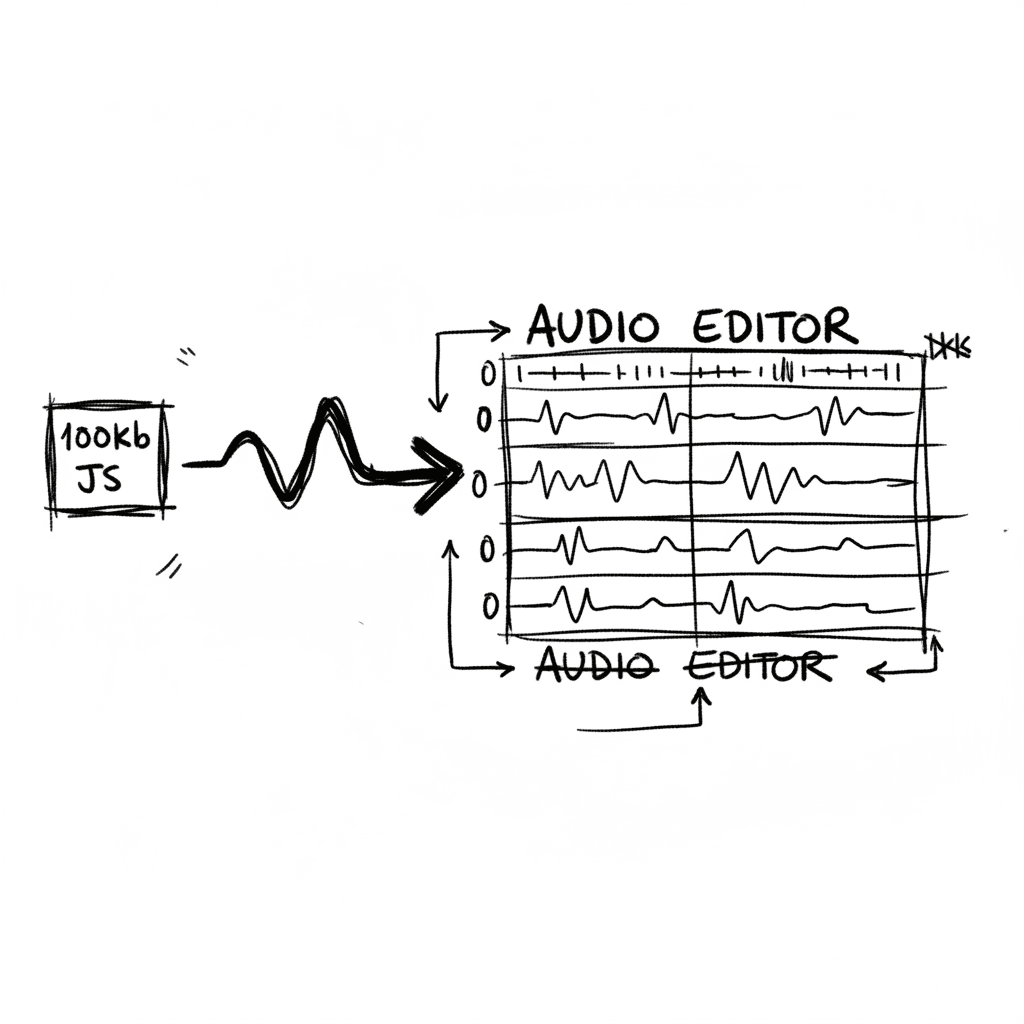
Audiomass: Multitrack Audio Editing via 100kb of Vanilla JavaScript
Audiomass is a browser-based, multitrack audio editor that operates entirely client-side with a remarkably small 100kb footprint (audiomass.co). It provides a workflow reminiscent of classic editors l
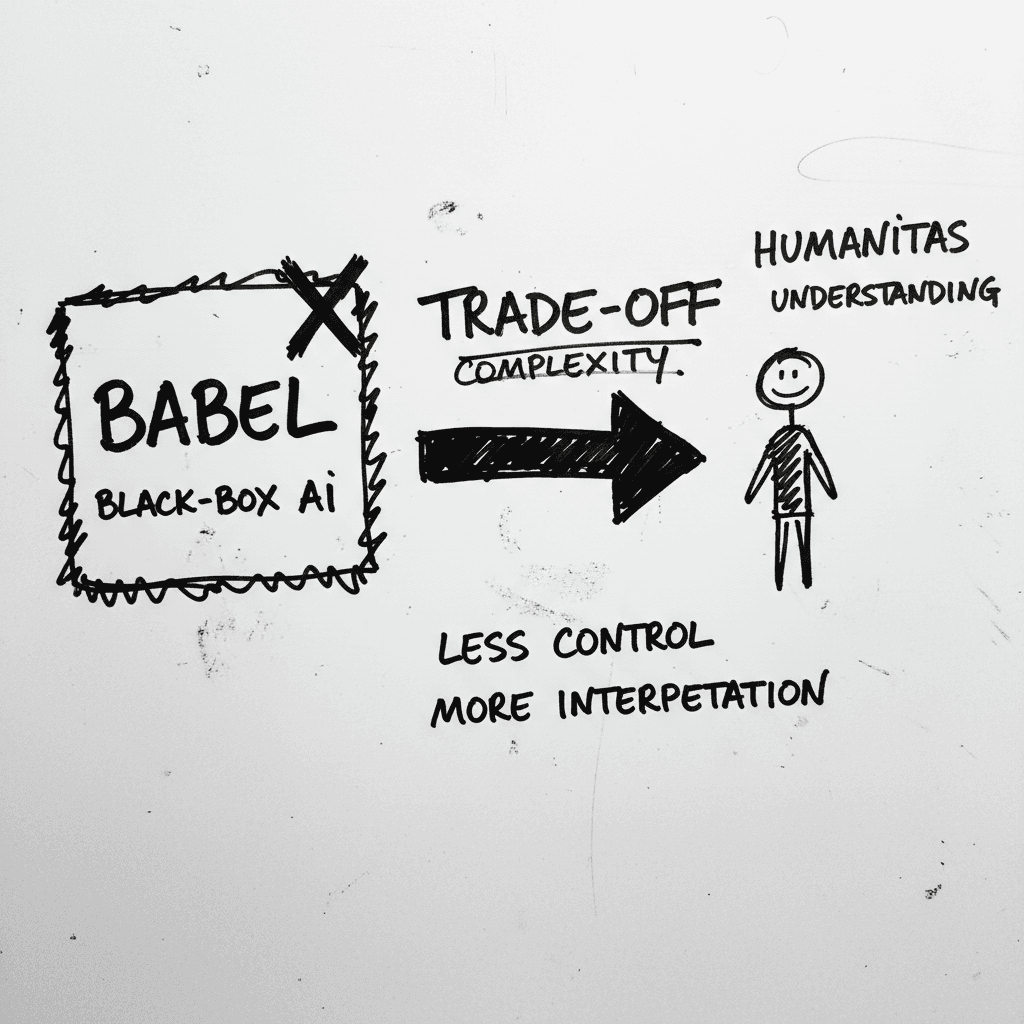
Magnifica Humanitas: The Vatican’s Framework for the GPT-5 Era
The document, signed May 15 and officially released today, was presented at the Vatican alongside Christopher Olah, co-founder of Anthropic and lead of its interpretability team (ncronline.org, Forbes
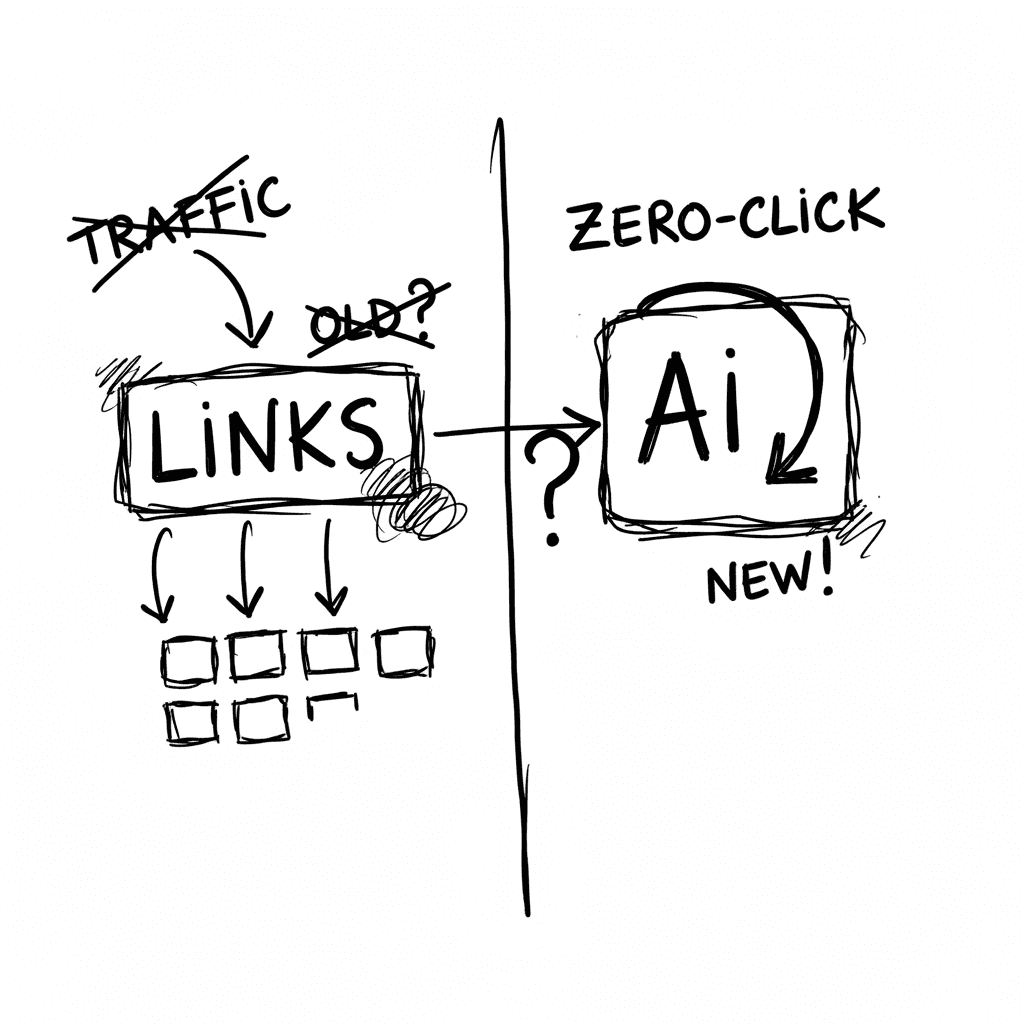
The Zero-Click Economy: Kagi Search vs. Google AI Mode
Google has effectively pivoted to an "answer engine" where Gemini 3.5 Flash provides conversational summaries, while Kagi remains the primary refuge for users seeking a human-centric, ad-free index. W
Stay Ahead of AI Adoption Trends
Get our latest reports and insights delivered to your inbox. No spam, just data.