
Standardising Resource Cleanup with C2Y Defer
Do not roll this into mission-critical production code until GCC 16 or 17 reaches a stable release. While Clang 22’s implementation is robust, the current fragmentation forces a reliance on macro-base

The Pitch
The ISO C committee has finalised Technical Specification 25755, officially bringing the defer keyword into the C2Y standard track (Source: Jens Gustedt Blog, Feb 2026). This mechanism provides a native, scope-based way to schedule cleanup code, aimed at replacing the manual and error-prone goto cleanup patterns that have dominated C development for decades.
Under the Hood
The implementation of defer in C2Y is a response to the increasing pressure on C to adopt modern safety features, particularly as the Linux Kernel transitioned to permanent Rust support in early 2026 (Source: DevNewsletter, Jan 2026).
Technical implementation status:
* Clang 22 currently leads with native support under the -fdefer-ts flag (Source: Jens Gustedt Blog).
* GCC native support remains in development branches, with a stable release expected in GCC 16 or 17 (Source: Hacker News).
* A macro-based fallback for GCC 9+ using __attribute__((cleanup)) is being used in production to simulate the feature (Source: Anton Zhiyanov).
* Unlike Go’s function-level defer, C’s version is scope-based, executing at the end of the current block (Source: Jens Gustedt Blog).
Identified risks and limitations:
* Scoping Confusion: Executing at the end of a block rather than a function can cause logic errors if defer is used inside loops (Source: r/C_Programming).
* Compiler Fragmentation: Teams must maintain macro wrappers for cross-platform stability until GCC catches up to Clang (Source: Hacker News).
* ABI Security: Experts warn that GCC macro fallbacks using 'nested functions' may lead to stack exploits via trampolines (Source: Jens Gustedt Blog).
We don't know yet what the official release date for GCC 16/17 will be. Additionally, performance benchmarks comparing the TS 25755 implementation against traditional goto cleanup in high-concurrency environments are currently missing (Source: UsedBy Dossier).
Marcus's Take
Do not roll this into mission-critical production code until GCC 16 or 17 reaches a stable release. While Clang 22’s implementation is robust, the current fragmentation forces a reliance on macro-based simulations that introduce unnecessary ABI risks. The scope-based execution is technically superior to Go’s model for systems programming, but it requires a mental shift to avoid resource leaks in complex loops. It is a vital evolution for C's survival in 2026, but keep it in your side-projects for at least another two quarters.
Ship clean code,
Marcus.
Marcus Webb - Senior Backend Analyst at UsedBy.ai
Related Articles
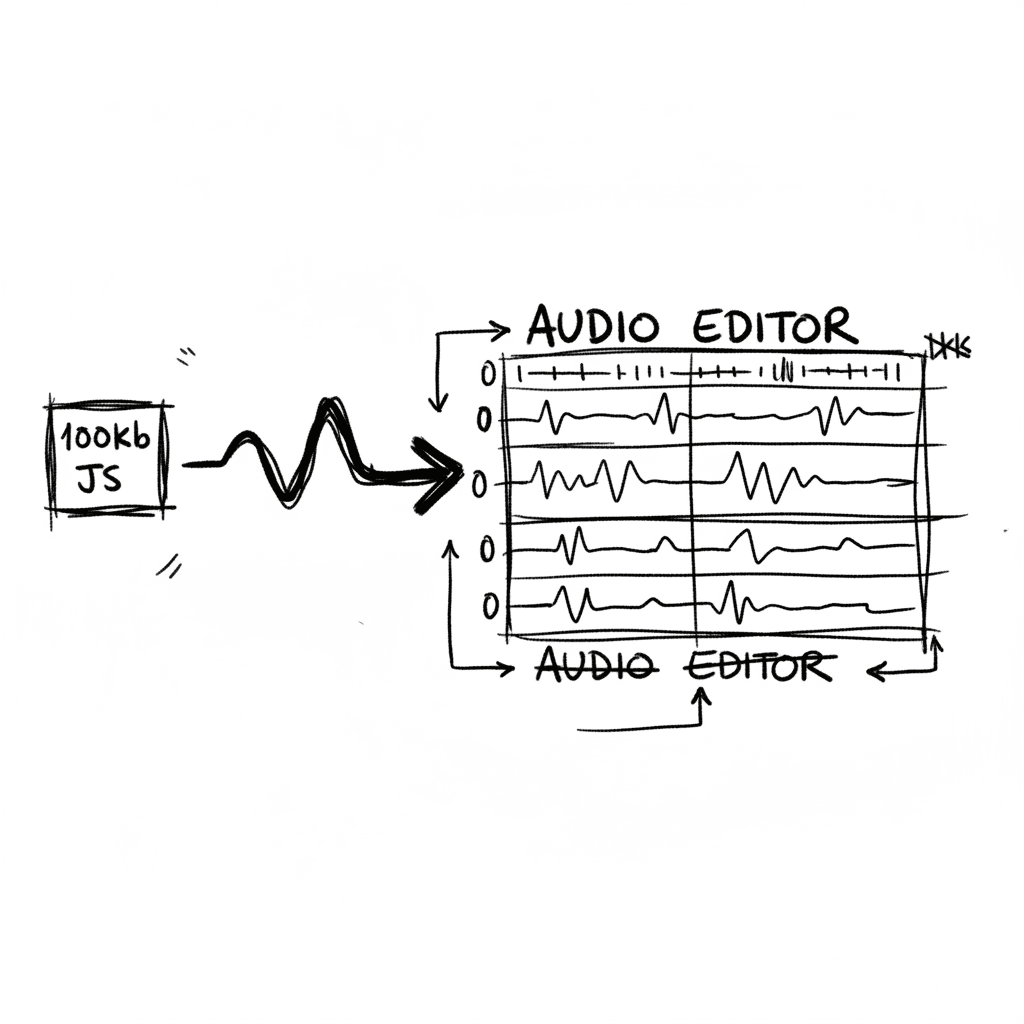
Audiomass: Multitrack Audio Editing via 100kb of Vanilla JavaScript
Audiomass is a browser-based, multitrack audio editor that operates entirely client-side with a remarkably small 100kb footprint (audiomass.co). It provides a workflow reminiscent of classic editors l
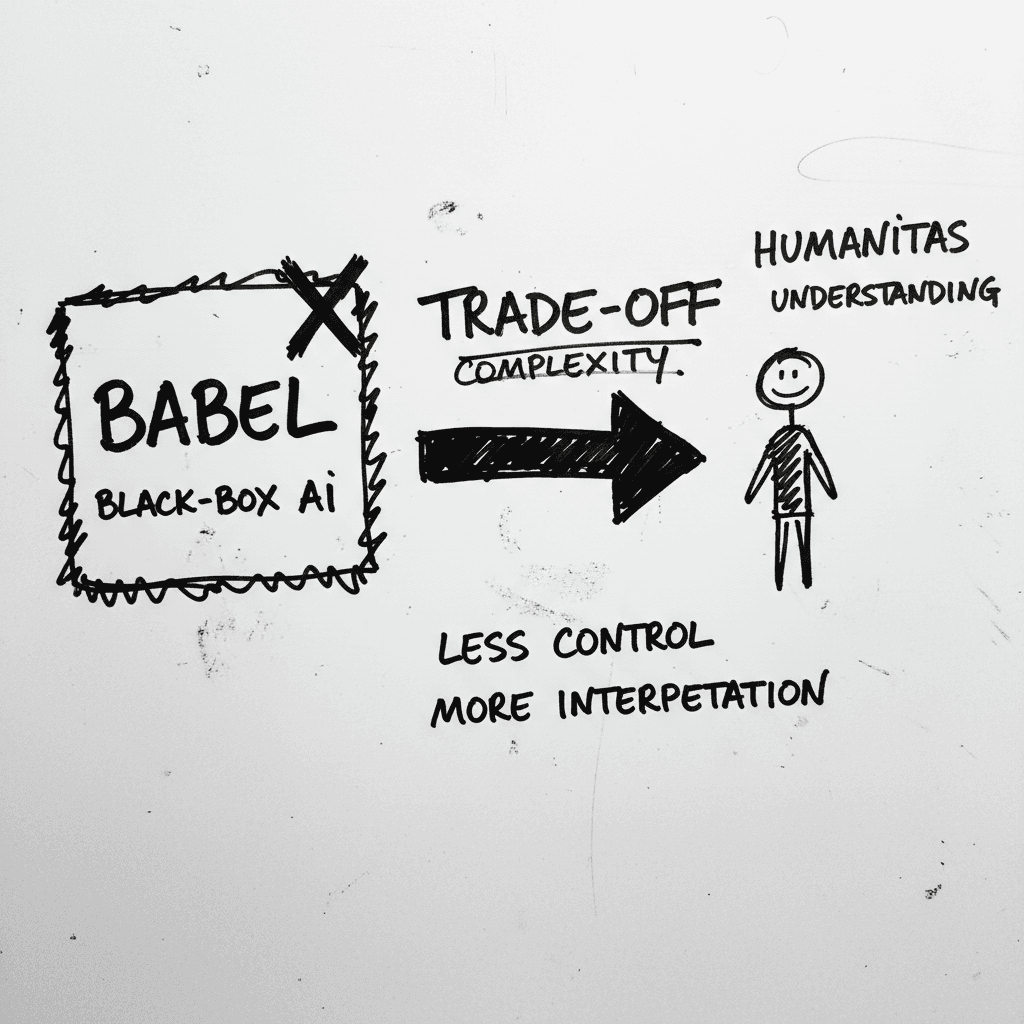
Magnifica Humanitas: The Vatican’s Framework for the GPT-5 Era
The document, signed May 15 and officially released today, was presented at the Vatican alongside Christopher Olah, co-founder of Anthropic and lead of its interpretability team (ncronline.org, Forbes
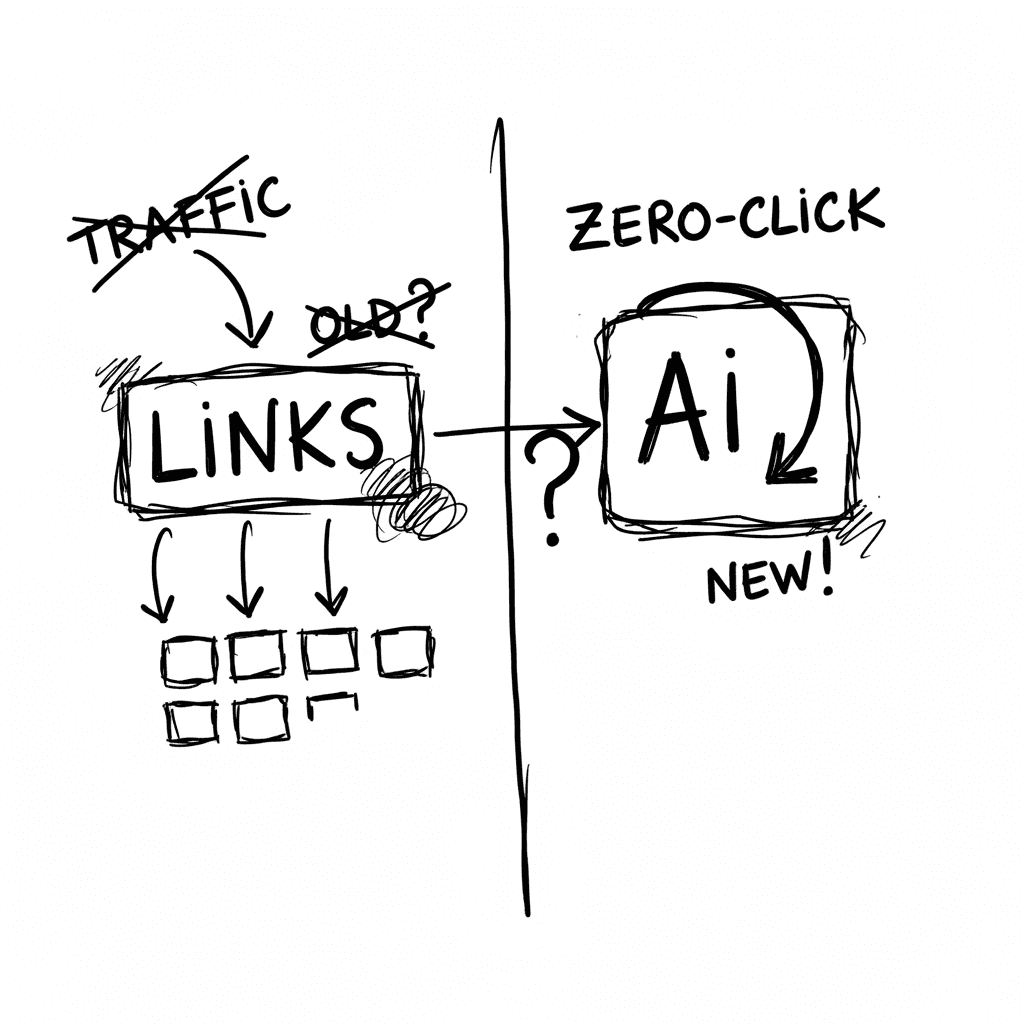
The Zero-Click Economy: Kagi Search vs. Google AI Mode
Google has effectively pivoted to an "answer engine" where Gemini 3.5 Flash provides conversational summaries, while Kagi remains the primary refuge for users seeking a human-centric, ad-free index. W
Stay Ahead of AI Adoption Trends
Get our latest reports and insights delivered to your inbox. No spam, just data.