
Static Binary Translation from x86-64 to AArch64 via Elevator
Researchers at the University of California, Irvine, have released Elevator, a translator that converts x86-64 binaries into standalone AArch64 executables without a runtime JIT (source: arXiv:2605.08

The Pitch
Researchers at the University of California, Irvine, have released Elevator, a translator that converts x86-64 binaries into standalone AArch64 executables without a runtime JIT (source: arXiv:2605.08419). It aims to provide the performance of QEMU without the security overhead and non-determinism inherent in dynamic translation. The tool is gaining traction on Hacker News for its ability to produce binaries that can be cryptographically signed and certified before deployment.
Under the Hood
Elevator achieves its performance parity with QEMU’s user-mode JIT on SPECint 2006 benchmarks by utilizing a heuristic-free approach (source: arXiv). By translating the entire executable into a static AArch64 binary, it removes the need for a runtime framework or debug information. This makes it a potential candidate for high-security environments where dynamic code generation is strictly prohibited (source: HN).
However, the "heuristic-free" claim comes at a significant cost to storage and memory. To ensure all potential execution paths are covered, the tool translates every possible byte interpretation, leading to a 50x increase in the .text section size (source: HN). This bloat creates a high risk of instruction cache misses, which may degrade performance in larger, real-world applications beyond standard benchmarks (source: arXiv).
Current limitations make Elevator unsuitable for most modern stacks. Multithreading and exception handling are explicitly listed as "out of scope" for this release (source: arXiv). Furthermore, the tool cannot handle self-modifying code or JIT-compiled inputs, meaning you cannot use it for applications containing JavaScript engines or similar dynamic components (source: HN).
We do not know the location of the official public GitHub repository for the "nimble framework" code yet, nor do we have benchmark data for complex GUI-based applications or modern multi-core workloads. The tool also employs pruning logic that removes code paths leading to "abnormal termination," which could inadvertently break programs with custom crash-handling logic (source: arXiv/HN).
Marcus's Take
Elevator is an academic triumph with a glaring production problem. While it solves the determinism issue for critical systems, the 50x code bloat is a massive trade-off that makes it feel like trying to fit a double-decker bus into a narrow alleyway. Skip this for standard cloud migrations; the lack of multithreading is a non-starter for 2026 backend workloads. Use it only if you are in a high-security silo where JITs are banned and binary size is an afterthought.
Ship clean code,
Marcus.
Marcus Webb - Senior Backend Analyst at UsedBy.ai
Related Articles
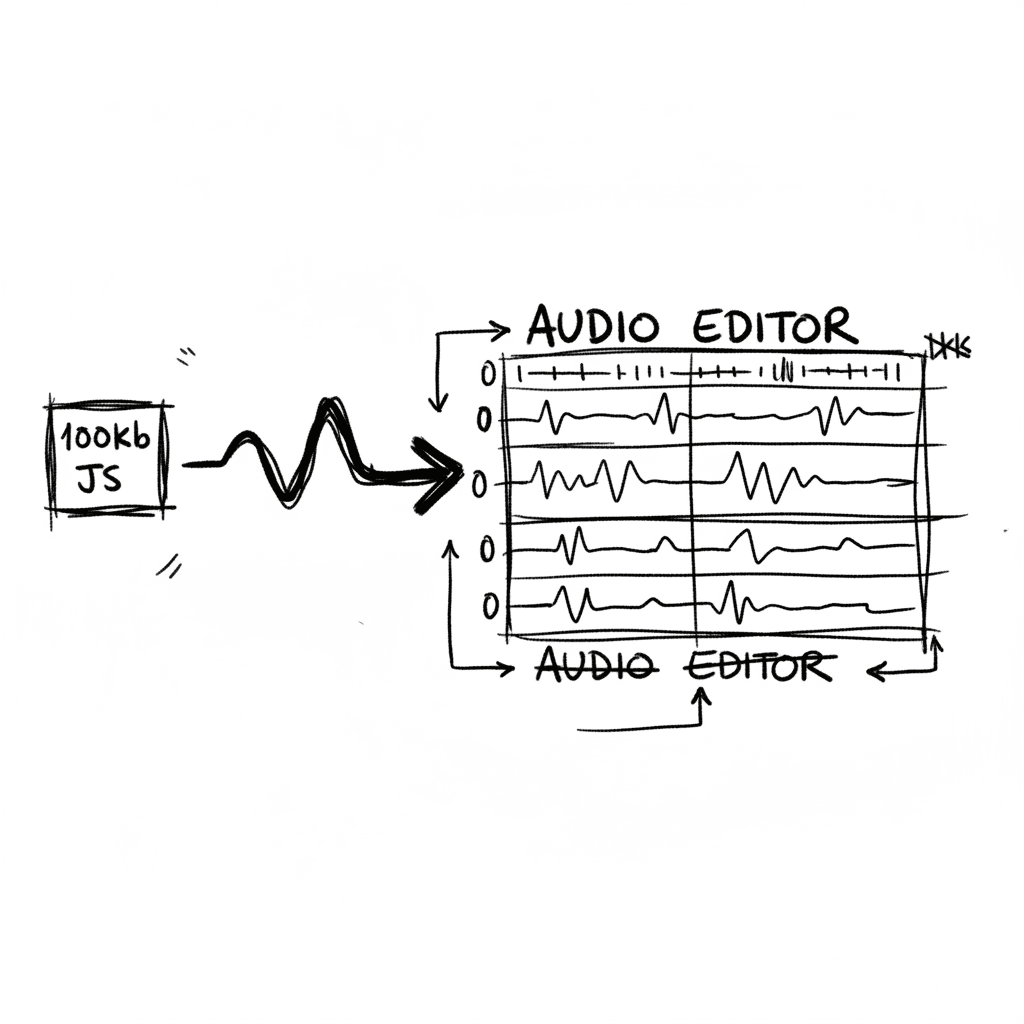
Audiomass: Multitrack Audio Editing via 100kb of Vanilla JavaScript
Audiomass is a browser-based, multitrack audio editor that operates entirely client-side with a remarkably small 100kb footprint (audiomass.co). It provides a workflow reminiscent of classic editors l
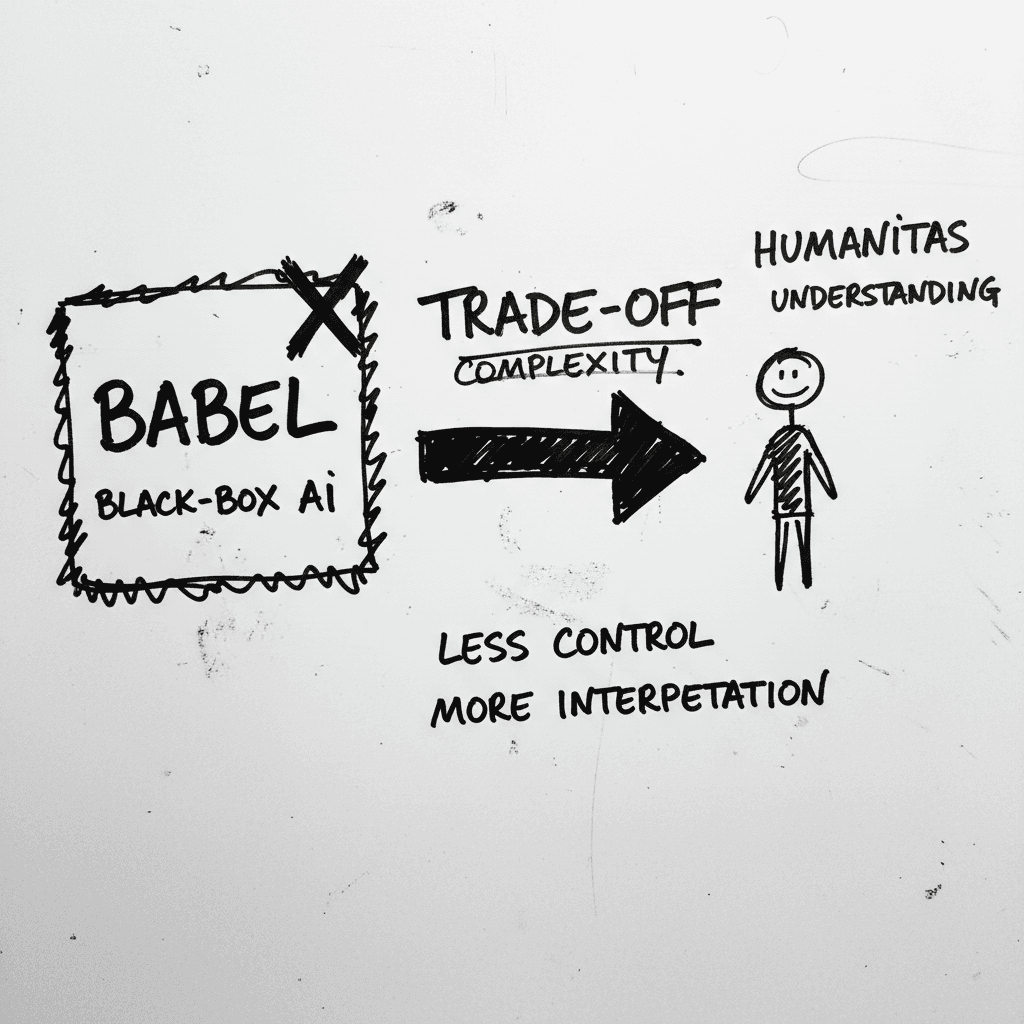
Magnifica Humanitas: The Vatican’s Framework for the GPT-5 Era
The document, signed May 15 and officially released today, was presented at the Vatican alongside Christopher Olah, co-founder of Anthropic and lead of its interpretability team (ncronline.org, Forbes

The Zero-Click Economy: Kagi Search vs. Google AI Mode
Google has effectively pivoted to an "answer engine" where Gemini 3.5 Flash provides conversational summaries, while Kagi remains the primary refuge for users seeking a human-centric, ad-free index. W
Stay Ahead of AI Adoption Trends
Get our latest reports and insights delivered to your inbox. No spam, just data.