
System76 COSMIC and the State Mandate for OS-Level Age Verification
System76 is positioning its Rust-based COSMIC desktop as a final bastion for digital liberty while engineering the very age-verification APIs it publicly opposes. California’s AB 1043 and Colorado’s S

The Pitch
System76 is positioning its Rust-based COSMIC desktop as a final bastion for digital liberty while engineering the very age-verification APIs it publicly opposes. California’s AB 1043 and Colorado’s SB 26-051 now require OS providers to transmit "age attestation signals" by early 2027. Hacker News is focused on the tension between System76’s philosophical stance and the technical reality of their March 2026 compliance addendum.
Under the Hood
The sovereign COSMIC environment, launched December 11, 2025, is the primary vehicle for these legal signals (Source: Medium/CodeToDeploy). California's AB 1043 requires Linux and SteamOS to verify age during account setup by January 1, 2027 (Source: GamingOnLinux / TechRadar). Non-compliance is expensive: $2,500 for negligent violations and $7,500 for intentional ones per child (Source: Phoronix).
The COSMIC desktop was designed from the ground up in Rust to provide memory safety, yet it is now the interface through which age attestation will occur. System76 CEO Carl Richell’s statement on March 5, 2026, confirms that while the philosophy remains anti-surveillance, the hardware business cannot survive a collision with AB 1043. This means that by January 2027, every Pop!_OS user will face a mandatory age check during the setup wizard.
Colorado’s SB 26-051 is currently being promoted as a model for other states to centralize age checks at the hardware level (Source: PCMag). While System76 argues this turns the OS into a monitoring tool, the Ninth Circuit’s September 2025 ruling in NetChoice v. Bonta effectively allows the mandate to proceed (Source: US Courts). This creates an existential threat for community-led distros like Arch or CachyOS that lack the legal budget for compliance (Source: Reddit r/cachyos).
Privacy advocates warn that even non-PII age brackets create a permanent link between identity and hardware (Source: Reddit / Technetbooks). We don't know yet how states will penalize non-corporate, decentralized projects like Debian (UsedBy Dossier). Furthermore, it is not yet public if Microsoft (Windows 12/GPT-5 integrated) and Apple will use a shared standard for the Age Signal API (UsedBy Dossier). At least the fines are per child, which might finally make the marketing team appreciate the declining birth rate.
Marcus's Take
System76 is being forced to compromise its hardware-sovereignty ethos to avoid bankruptcy-level fines. While COSMIC remains a technically superior desktop for backend workloads, its "liberty" branding is now a thin layer over a state-mandated API. Don't use this as a privacy sanctuary; use it because the Rust implementation is fast, but accept that your OS is now legally required to be a snitch. Skip it if you think "open source" equals "anonymous," because the 2027 regulatory landscape has officially ended that era.
Ship clean code,
Marcus.
Marcus Webb - Senior Backend Analyst at UsedBy.ai
Related Articles
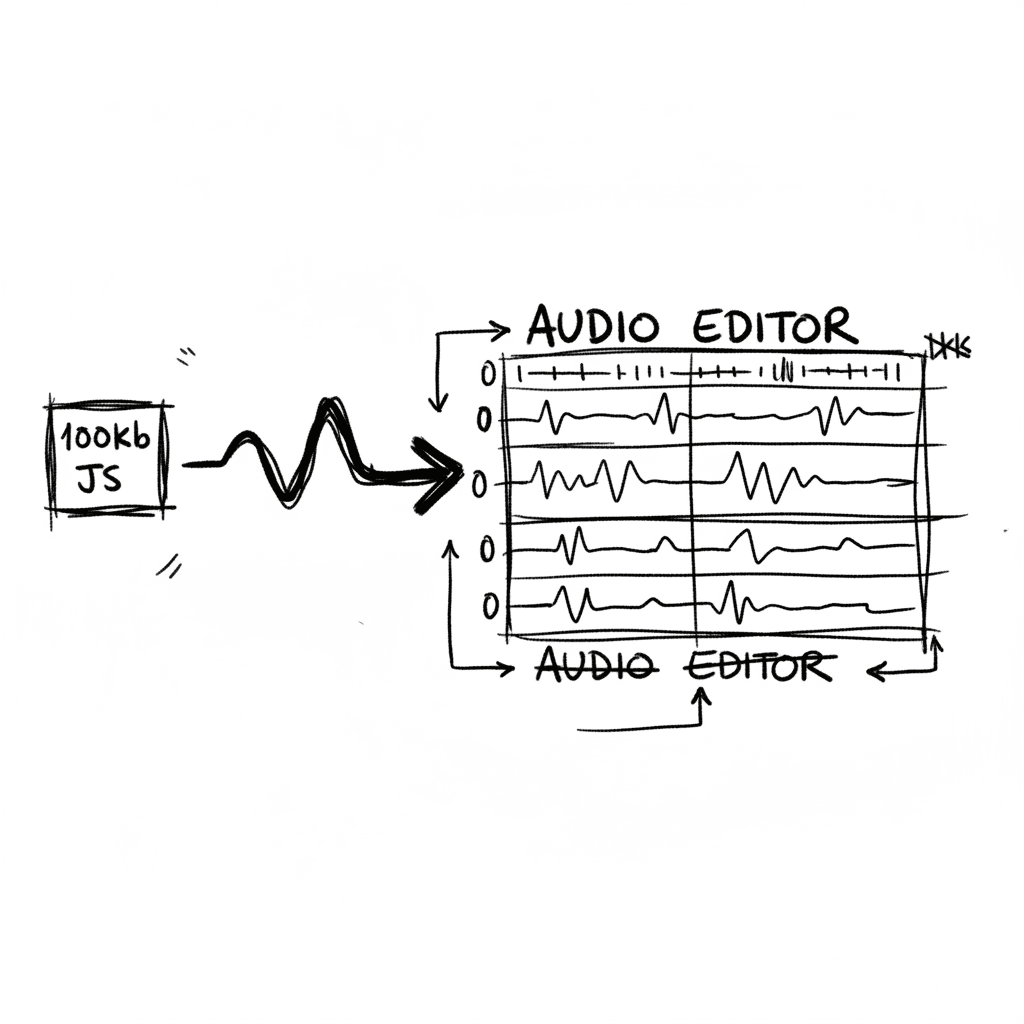
Audiomass: Multitrack Audio Editing via 100kb of Vanilla JavaScript
Audiomass is a browser-based, multitrack audio editor that operates entirely client-side with a remarkably small 100kb footprint (audiomass.co). It provides a workflow reminiscent of classic editors l
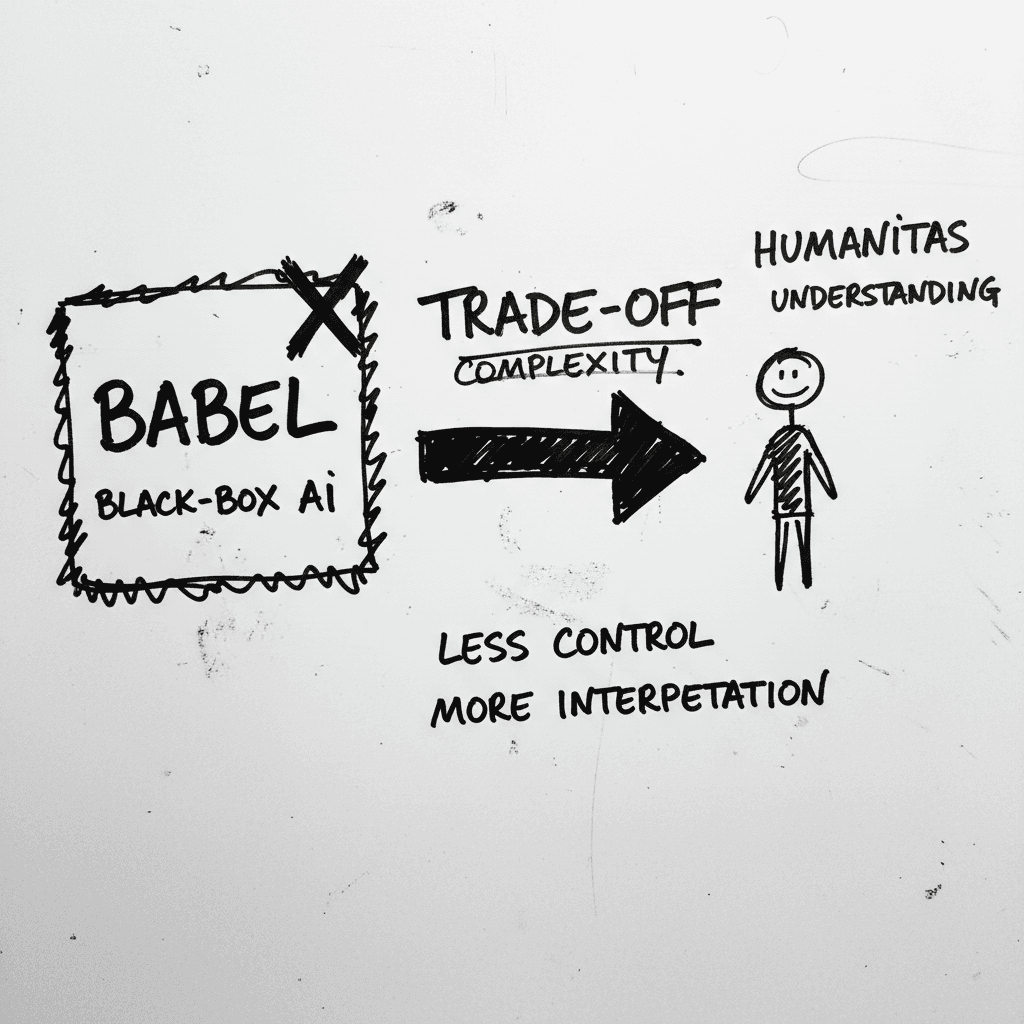
Magnifica Humanitas: The Vatican’s Framework for the GPT-5 Era
The document, signed May 15 and officially released today, was presented at the Vatican alongside Christopher Olah, co-founder of Anthropic and lead of its interpretability team (ncronline.org, Forbes
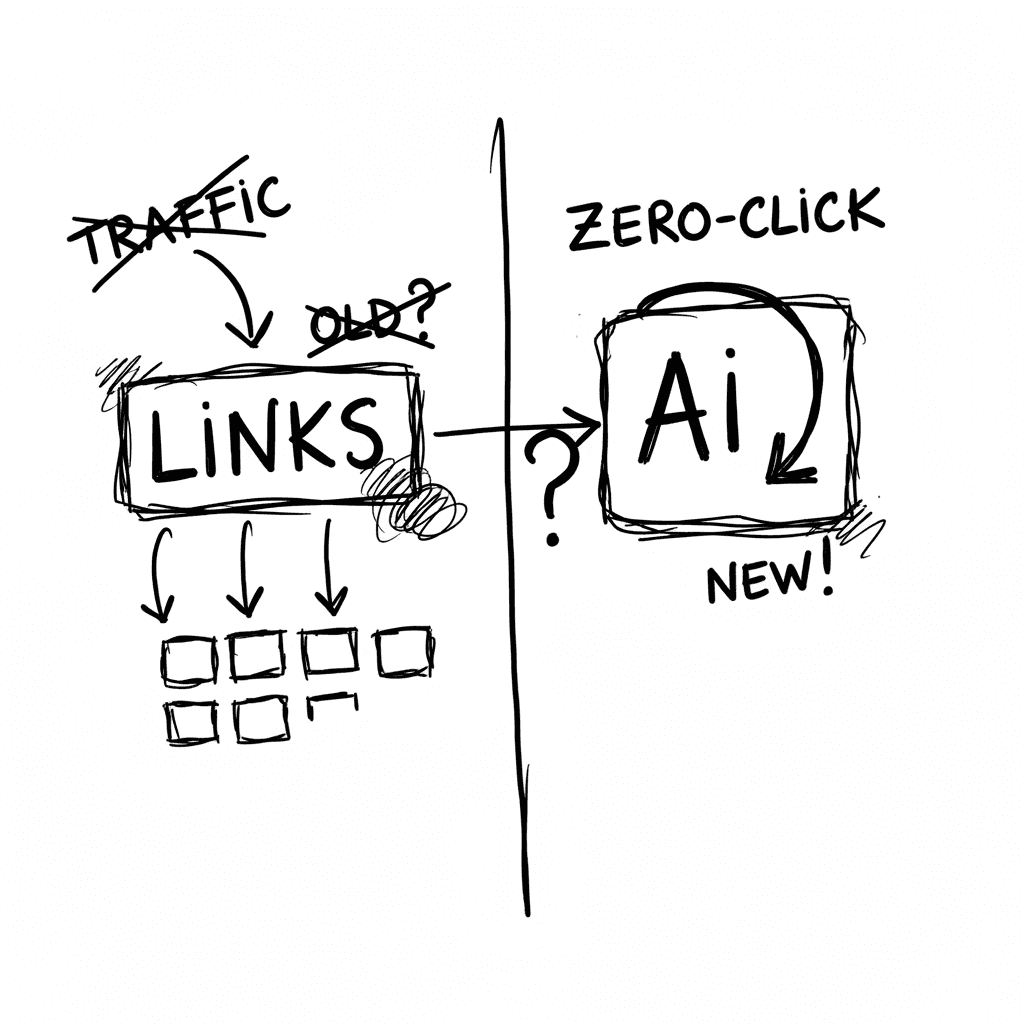
The Zero-Click Economy: Kagi Search vs. Google AI Mode
Google has effectively pivoted to an "answer engine" where Gemini 3.5 Flash provides conversational summaries, while Kagi remains the primary refuge for users seeking a human-centric, ad-free index. W
Stay Ahead of AI Adoption Trends
Get our latest reports and insights delivered to your inbox. No spam, just data.