
Systems Thinking: A Framework for Architectural Consolidation
Robert Smallshire’s framework proposes a "balanced path" to curb the architectural sprawl that has plagued backend infrastructure since the microservices explosion of the early 20s. The methodology ai

The Pitch
Robert Smallshire’s framework proposes a "balanced path" to curb the architectural sprawl that has plagued backend infrastructure since the microservices explosion of the early 20s. The methodology aims to consolidate bloated environments—potentially reducing 3,000 disparate systems down to 300—to improve resilience and operational costs (source: Sixty North).
Under the Hood
The framework challenges the "move fast and break things" mantra by reintroducing structured engineering into the development lifecycle. Smallshire argues that current fragmentation is unsustainable, yet the developer community remains divided on whether this is a return to Waterfall (source: HN). Critics cite Gall’s Law, reminding us that a complex system that works is invariably found to have evolved from a simple system that worked (source: HN Comment #4).
The release of high-context models like Claude 4.5 Opus in early 2026 has shifted the feasibility of this approach. These models, featuring 1M+ context windows, allow architects to maintain global system integrity during refactoring iterations (source: Medium). There is, however, a distinct risk of architectural "hallucinations" if GPT-5 or Claude 4.5 are left to manage this complexity without rigorous human verification (source: Medium).
We don't know yet if this specific approach actually results in a 90% complexity reduction, as empirical case studies are currently missing. Furthermore, the author's formal version of the "balanced path" has not been fully detailed in the public domain. Software is not a skyscraper; if it were, we’d have fewer 3am incidents and significantly more safety vests in the office.
Marcus's Take
Smallshire is correct that our systems have become unmanageable nests of dependencies, but I am wary of any methodology that risks a return to Big Design Up Front. While Claude 4.5 Opus makes global refactoring technically viable, treating software like a static blueprint is a recipe for creating legacy debt before the first container is even deployed. Use this framework as a conceptual lens for your next consolidation sprint, but do not attempt to rebuild your entire stack from a master specification.
Ship clean code,
Marcus.
Marcus Webb - Senior Backend Analyst at UsedBy.ai
Related Articles
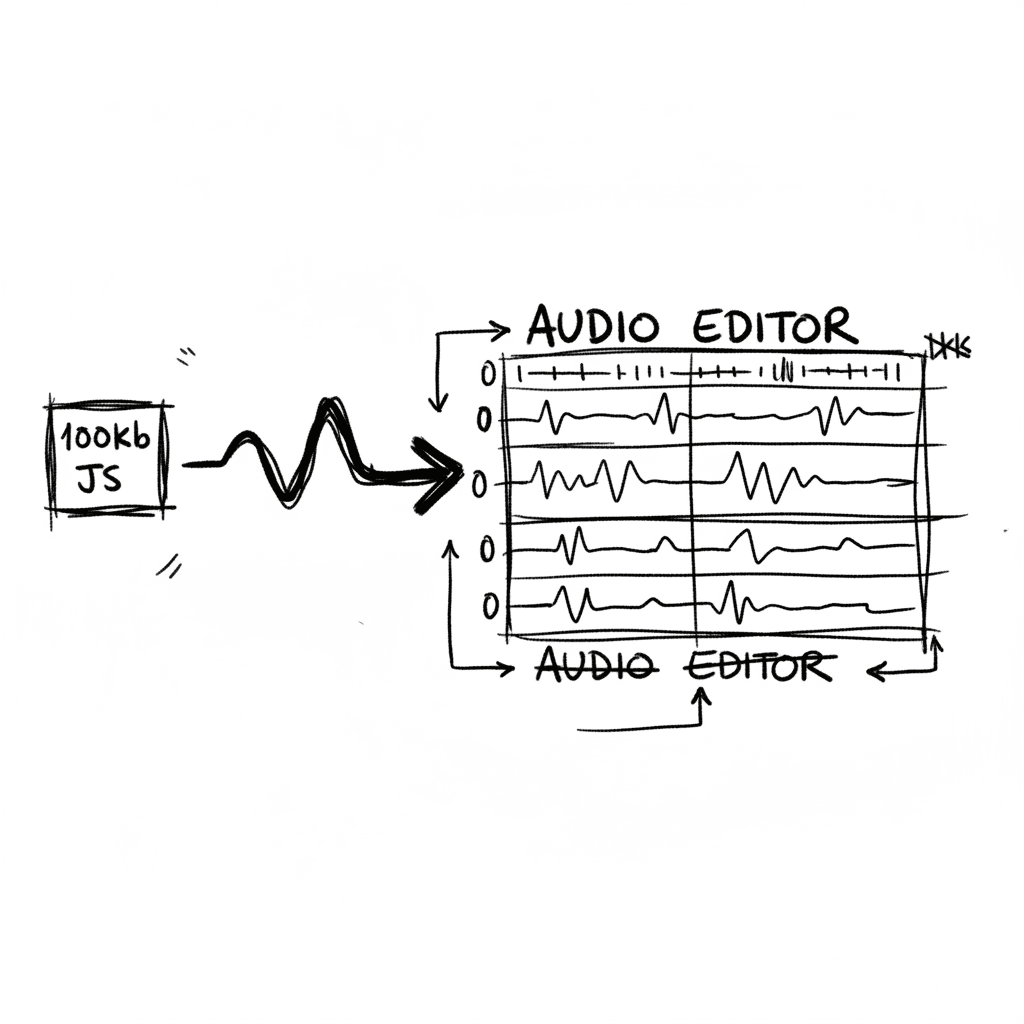
Audiomass: Multitrack Audio Editing via 100kb of Vanilla JavaScript
Audiomass is a browser-based, multitrack audio editor that operates entirely client-side with a remarkably small 100kb footprint (audiomass.co). It provides a workflow reminiscent of classic editors l
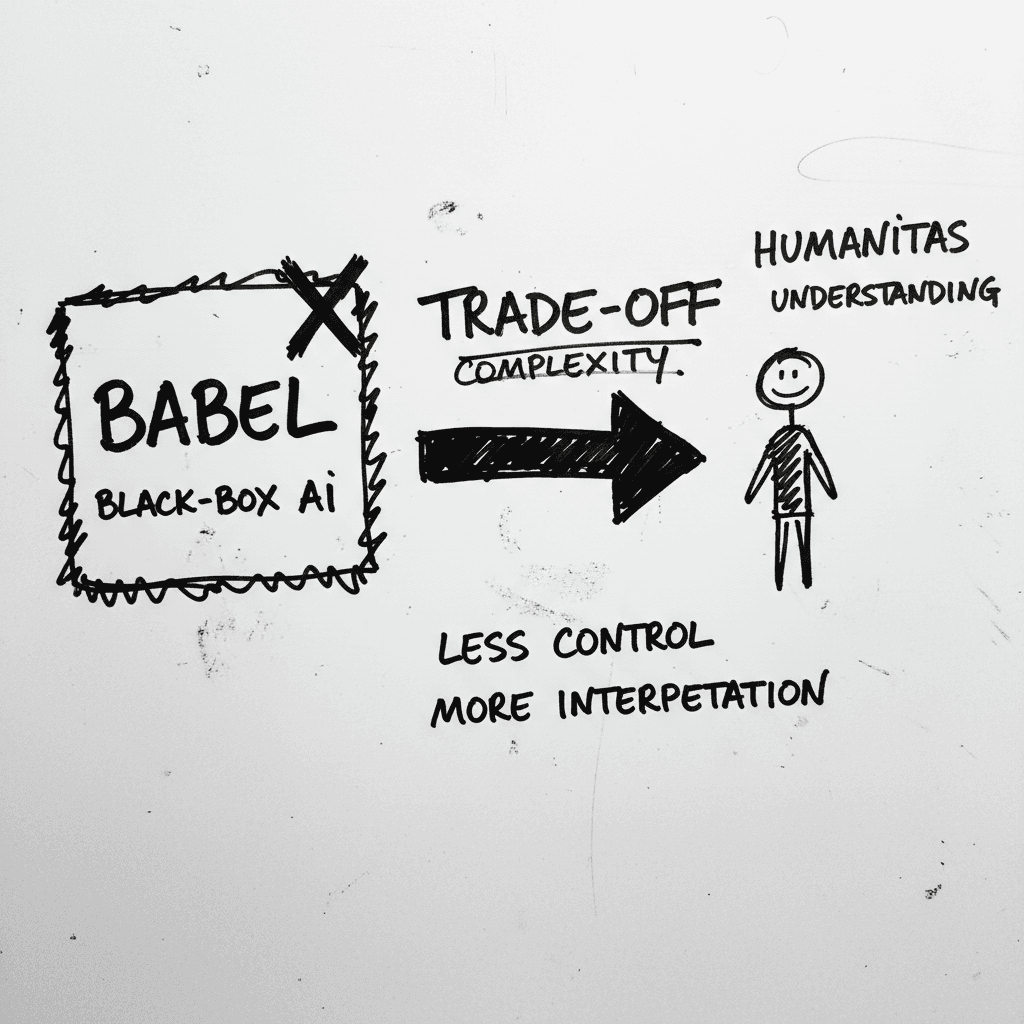
Magnifica Humanitas: The Vatican’s Framework for the GPT-5 Era
The document, signed May 15 and officially released today, was presented at the Vatican alongside Christopher Olah, co-founder of Anthropic and lead of its interpretability team (ncronline.org, Forbes
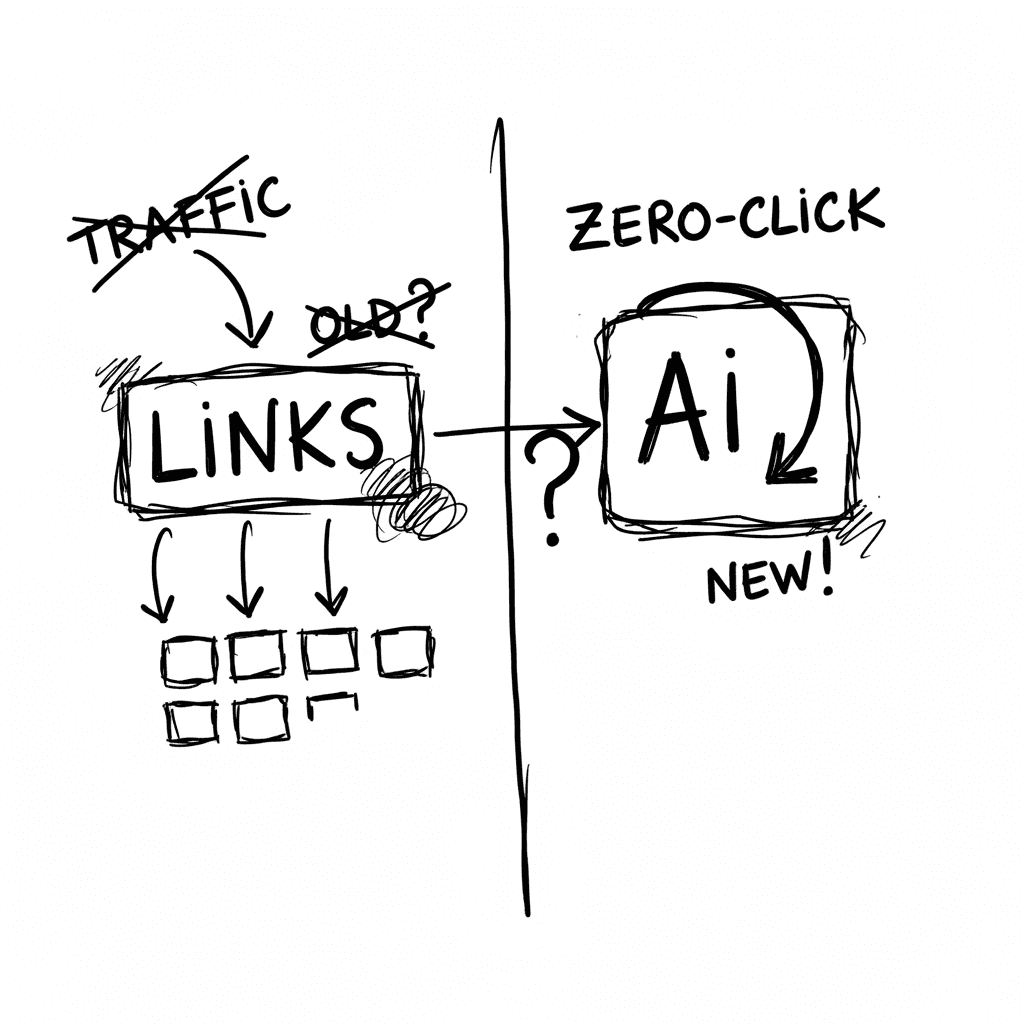
The Zero-Click Economy: Kagi Search vs. Google AI Mode
Google has effectively pivoted to an "answer engine" where Gemini 3.5 Flash provides conversational summaries, while Kagi remains the primary refuge for users seeking a human-centric, ad-free index. W
Stay Ahead of AI Adoption Trends
Get our latest reports and insights delivered to your inbox. No spam, just data.