
The 60,000 Lumen Engineering Gap: Brighter Lamp Post-Mortem
Brighter Lamp is a high-intensity lighting solution delivering 60,000 lumens, designed to combat Seasonal Affective Disorder and optimise home office environments. Following a $400,000 crowdfunding ca

The Pitch
Brighter Lamp is a high-intensity lighting solution delivering 60,000 lumens, designed to combat Seasonal Affective Disorder and optimise home office environments. Following a $400,000 crowdfunding campaign, the project has transitioned from a software engineer's prototype to a shipped product with 500 units now in circulation (Source: simonberens.com).
Under the Hood
The project’s technical trajectory shifted significantly during development, moving from a 39,000-lumen target to 60,000 lumens. This 53% increase necessitated a complete redesign of the internal electronics and the primary heatsink to manage the resulting thermal load (Source: simonberens.com).
Manufacturing was plagued by adversarial vendor relations in Zhongshan, China. The production of a two-ton die casting mold failed initially, forcing emergency corrections before the first 500 units could be cast (Source: simonberens.com).
Current hardware risks include:
* Lack of verified UL, CE, or FCC certification for the final high-wattage 60k lumen design (Source: HN).
* Tight thermal envelopes that may impact the long-term reliability of the LED drivers (Source: simonberens.com).
* Vendor-side cost optimisation on critical sub-components like cable tail lengths and plastic density (Source: HN).
* Substantial price-to-performance gap compared to DIY bulb-splitter arrays (Source: HN).
We do not know the official safety certification status for the units currently in the wild. Long-term reliability data for the drivers under sustained high-heat loads is also missing from the public record. Furthermore, retail pricing and availability for batch two remain unconfirmed after the initial 500-unit run (UsedBy Dossier).
Marcus's Take
Skip this for any professional environment. While the engineering effort to push 60,000 lumens from a consumer footprint is notable, the lack of safety certifications for a high-wattage thermal device is a massive liability. Hardware remains the only sector where 'move fast and break things' results in two tons of useless steel in Zhongshan and potential fire hazards in your home office. If you need this much light, build a DIY array for a fraction of the $1,200 cost or wait until they survive a year of real-world thermal stress.
Ship clean code,
Marcus.
Marcus Webb - Senior Backend Analyst at UsedBy.ai
Related Articles
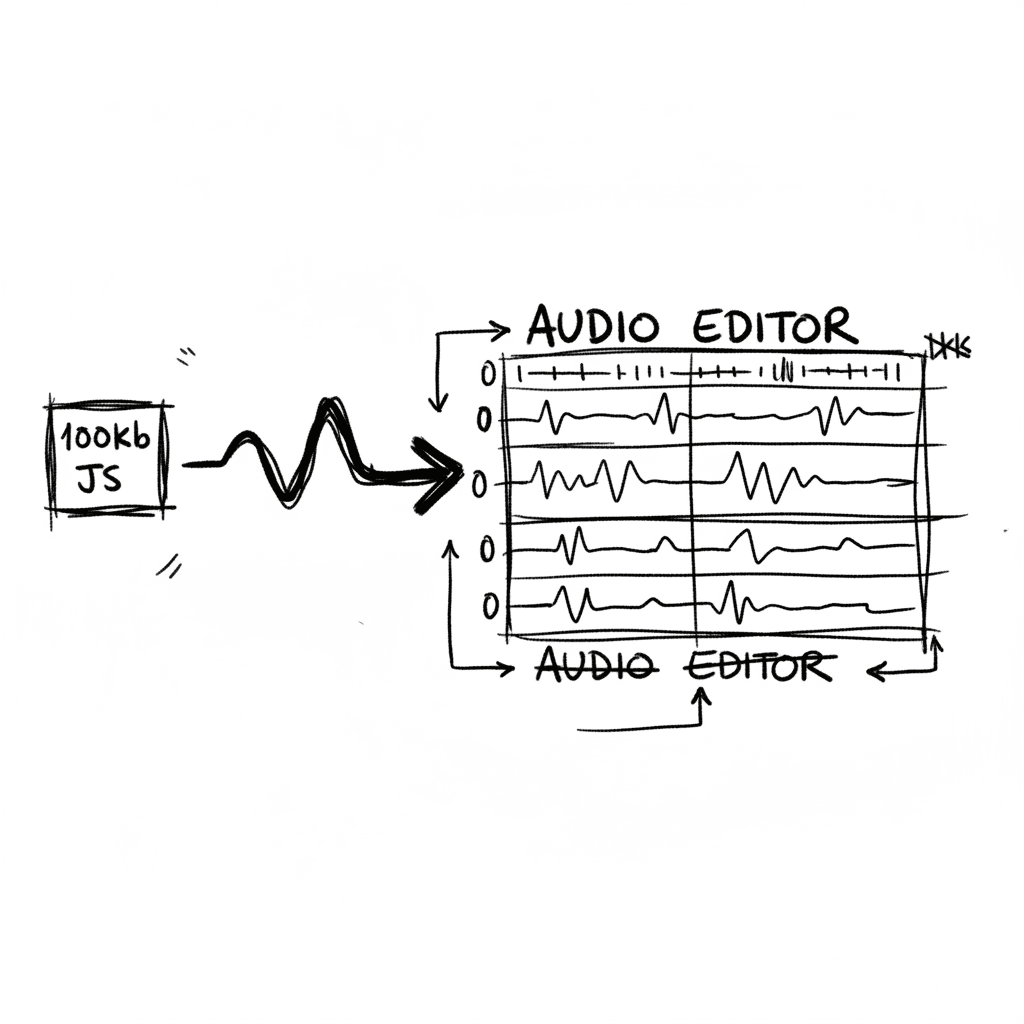
Audiomass: Multitrack Audio Editing via 100kb of Vanilla JavaScript
Audiomass is a browser-based, multitrack audio editor that operates entirely client-side with a remarkably small 100kb footprint (audiomass.co). It provides a workflow reminiscent of classic editors l
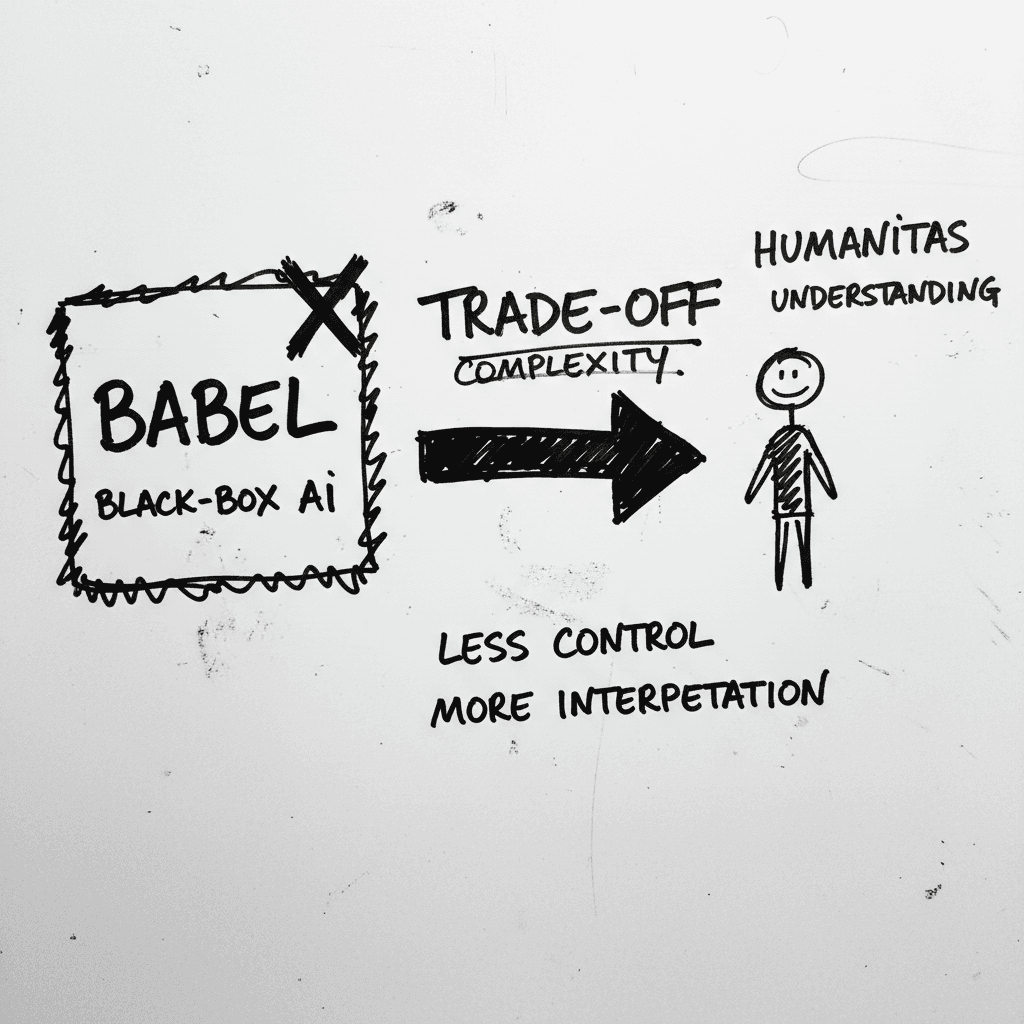
Magnifica Humanitas: The Vatican’s Framework for the GPT-5 Era
The document, signed May 15 and officially released today, was presented at the Vatican alongside Christopher Olah, co-founder of Anthropic and lead of its interpretability team (ncronline.org, Forbes
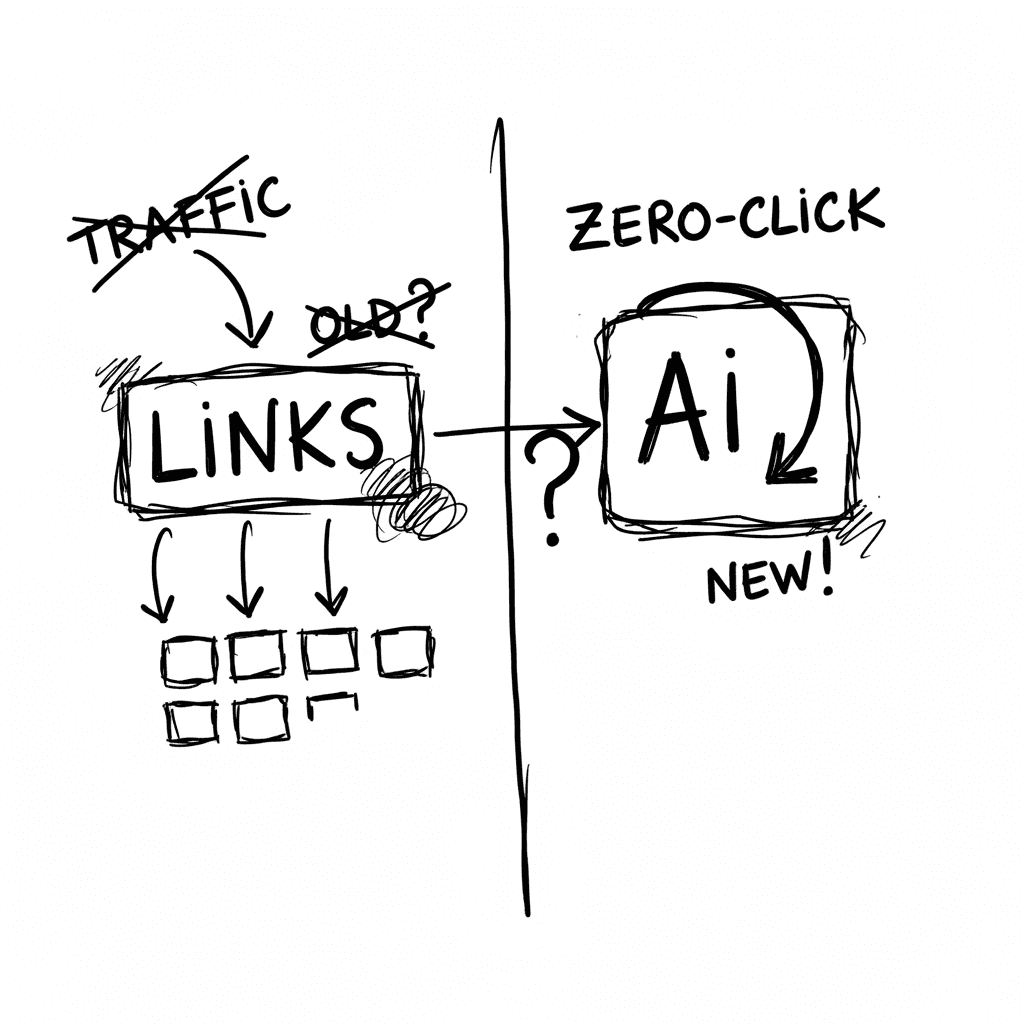
The Zero-Click Economy: Kagi Search vs. Google AI Mode
Google has effectively pivoted to an "answer engine" where Gemini 3.5 Flash provides conversational summaries, while Kagi remains the primary refuge for users seeking a human-centric, ad-free index. W
Stay Ahead of AI Adoption Trends
Get our latest reports and insights delivered to your inbox. No spam, just data.