
The Limits of Physical Telemetry Removal: A Case Study of the 2024 Toyota RAV4
Security engineer Arkadiy Tetelman has documented the physical disassembly required to disconnect the Data Communication Module (DCM) and GPS antenna in the 2024 Toyota RAV4 (source: arkadiyt.com). Th

The Pitch
Security engineer Arkadiy Tetelman has documented the physical disassembly required to disconnect the Data Communication Module (DCM) and GPS antenna in the 2024 Toyota RAV4 (source: arkadiyt.com). This modification addresses the reality that Toyota’s cellular gateway remains active and transmits telemetry even after users attempt to opt-out via software.
Under the Hood
The 2024 RAV4 DCM acts as a persistent cellular gateway that transmits data regardless of software-level privacy settings (source: Arkadiy Tetelman). While physical removal stops direct transmission, the car can still attempt "Bluetooth bridging" via a connected smartphone to exfiltrate telemetry using the phone's data plan (source: HN).
The hardware modification introduces several documented technical risks:
* Loss of E911 and SOS emergency services functionality (source: Technical commonality).
* Potential disabling of cabin microphones, which are often routed through the DCM unit (source: Technical risk).
* Inaccurate GPS heading and compass bugs when using CarPlay if the internal antenna is disconnected (source: HN).
* Risk of "bricking" the vehicle during future firmware updates if the system fails a DCM heartbeat check (source: Technical risk).
Comparatively, other manufacturers offer simpler avenues for privacy; the 2024 Ford Maverick telematics can be disabled by pulling a single fuse (#11) without triggering system errors (source: MaverickTruckClub). Meanwhile, Volkswagen has been caught reporting mileage to Carfax despite users disabling data collection in apps (source: HN).
We don't know yet if the 2026 Toyota firmware refresh (v4.0+) will prevent the car from starting if the DCM is detected as missing. Additionally, the existence of a "bypass loop" connector to maintain microphone functionality without the modem is currently unverified (source: UsedBy Dossier).
Marcus's Take
Physical DCM removal is a high-effort, medium-reward endeavor that highlights the fundamental lack of "opt-out" integrity in modern automotive stacks. Unless you are prepared to sacrifice emergency services and potentially break your hands-free audio for a partial privacy gain, this remains a specialist hobbyist project. The reality of Bluetooth bridging means that as long as your phone is connected, the car isn't actually "dark." Skip the hardware surgery and buy an older vehicle if you want genuine isolation.
Ship clean code,
Marcus.
Marcus Webb - Senior Backend Analyst at UsedBy.ai
Related Articles
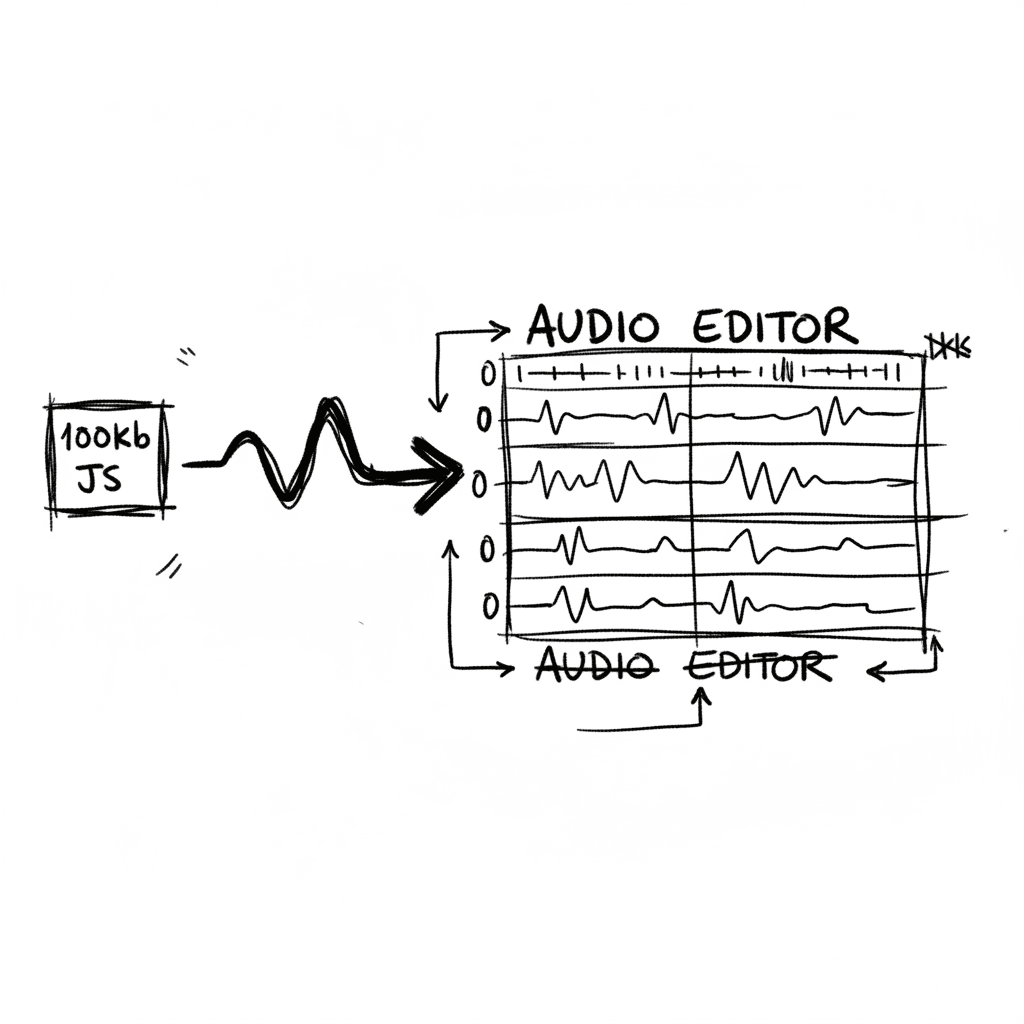
Audiomass: Multitrack Audio Editing via 100kb of Vanilla JavaScript
Audiomass is a browser-based, multitrack audio editor that operates entirely client-side with a remarkably small 100kb footprint (audiomass.co). It provides a workflow reminiscent of classic editors l

Magnifica Humanitas: The Vatican’s Framework for the GPT-5 Era
The document, signed May 15 and officially released today, was presented at the Vatican alongside Christopher Olah, co-founder of Anthropic and lead of its interpretability team (ncronline.org, Forbes
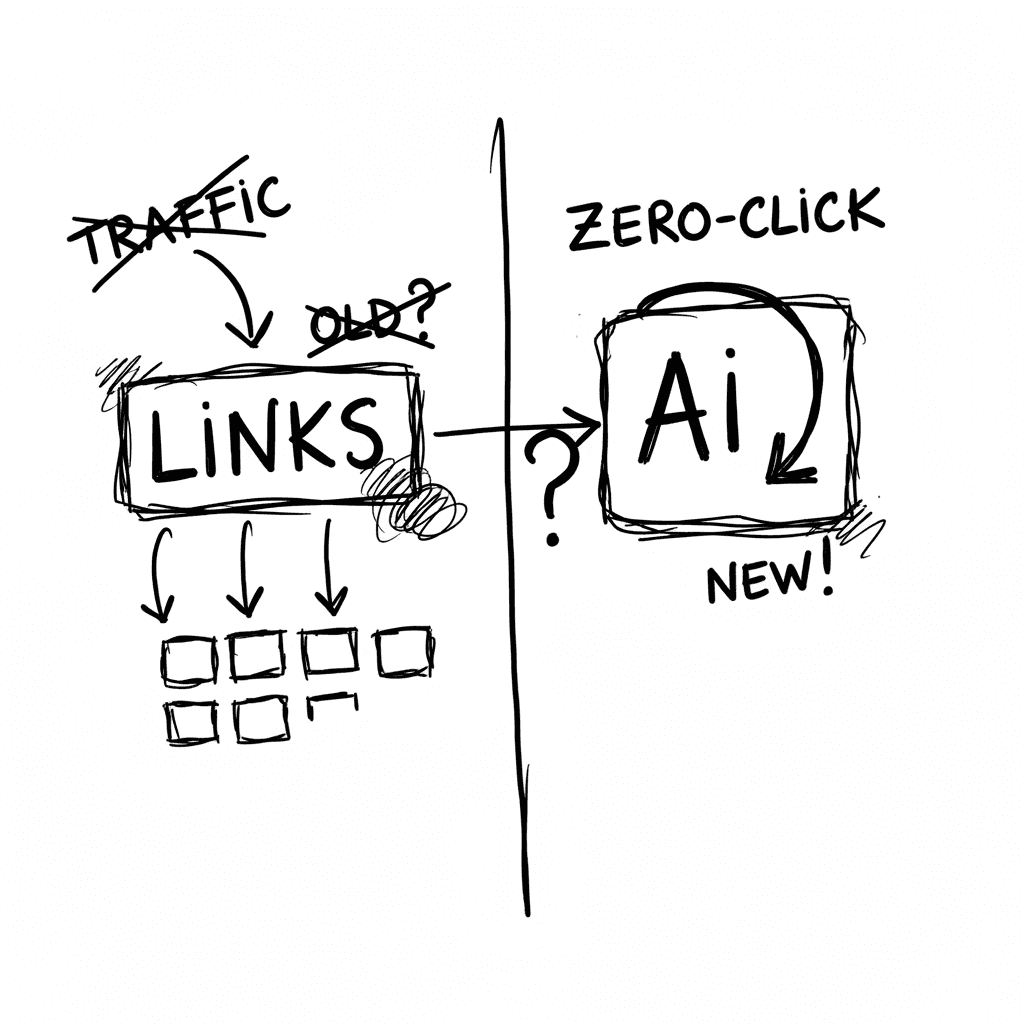
The Zero-Click Economy: Kagi Search vs. Google AI Mode
Google has effectively pivoted to an "answer engine" where Gemini 3.5 Flash provides conversational summaries, while Kagi remains the primary refuge for users seeking a human-centric, ad-free index. W
Stay Ahead of AI Adoption Trends
Get our latest reports and insights delivered to your inbox. No spam, just data.