
The Meta Ray-Ban AI Data Leak and Systematic Privacy Failures
Meta positions its Ray-Ban Smart Glasses as a seamless multimodal AI interface designed to process the world in real-time. In March 2026, however, the device is making headlines on Hacker News not for

The Pitch
Meta positions its Ray-Ban Smart Glasses as a seamless multimodal AI interface designed to process the world in real-time. In March 2026, however, the device is making headlines on Hacker News not for its latency benchmarks, but for a massive failure in data residency and user consent.
Under the Hood
Meta’s multimodal AI pipeline for these glasses relies on human annotators in Kenya viewing raw POV footage, including intimate user data, to train its models (Euractiv). Recent investigations confirm that contractors at Sama have viewed users in private settings, such as changing clothes, while labeling data for AI optimization (Euractiv/Svenska Dagbladet, March 2026).
The hardware safeguards intended to prevent surreptitious recording have proven insufficient. The capture LED is frequently reported as too dim or easily obstructed in public spaces (UsedBy Dossier). This design flaw was central to the early 2026 arrest of a Russian national for recording and monetizing non-consensual sexual encounters in Africa (BBC News/Techloy).
Regulatory pressure is mounting as the EU European Parliament formally questioned the Commission regarding Meta's GDPR compliance (Digital Watch Observatory, March 2026). Specifically, the transfer of sensitive POV data to Kenyan contractors likely violates strict EU data residency requirements. Furthermore, Meta’s January 2026 privacy policy explicitly allows using this interaction data for targeted advertising (Gizmodo).
The technical roadmap for 2026 introduces even higher risks. Meta is currently testing "Name Tag," a facial recognition feature slated for a mid-2026 rollout, despite intense opposition from privacy NGOs (Glass Almanac). This feature would turn every user into a walking surveillance node, potentially indexing individuals in real-time.
We don't know yet if Meta intends to implement a physical lens shutter in future iterations to appease EU regulators. There is also no public technical roadmap detailing how Meta plans to prevent the "Kenya leak" from recurring in its data labeling supply chain (UsedBy Dossier).
Marcus's Take
I have spent years debugging production incidents, but the architectural decision to stream raw, un-anonymised POV footage to third-party contractors is a security shambles of the highest order. Marketing this as a "privacy-conscious" device is a stretch even by Silicon Valley standards. From a backend perspective, the lack of edge-based filtering for intimate content makes this hardware a walking liability. Unless you are comfortable with your private life being reviewed by a contractor for a few dollars an hour, skip this iteration.
Ship clean code,
Marcus.
Marcus Webb - Senior Backend Analyst at UsedBy.ai
Related Articles
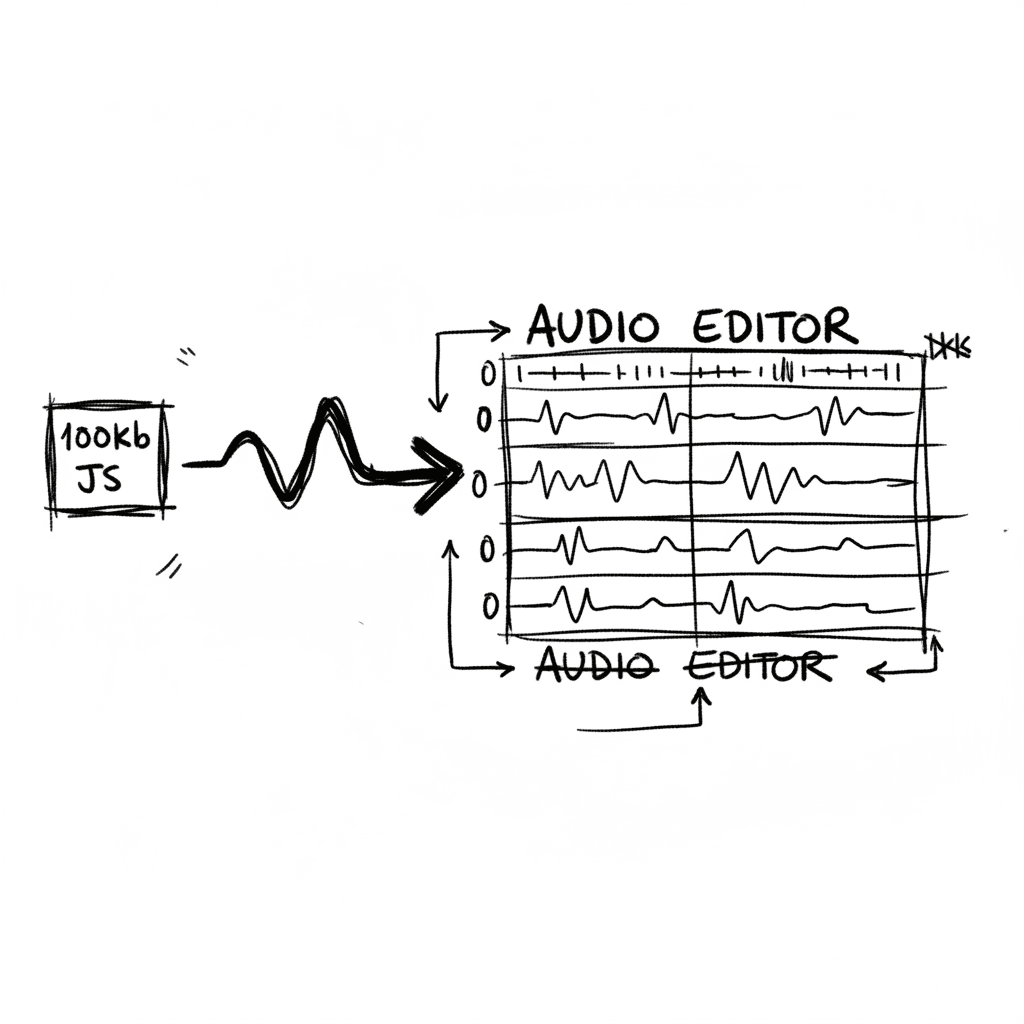
Audiomass: Multitrack Audio Editing via 100kb of Vanilla JavaScript
Audiomass is a browser-based, multitrack audio editor that operates entirely client-side with a remarkably small 100kb footprint (audiomass.co). It provides a workflow reminiscent of classic editors l
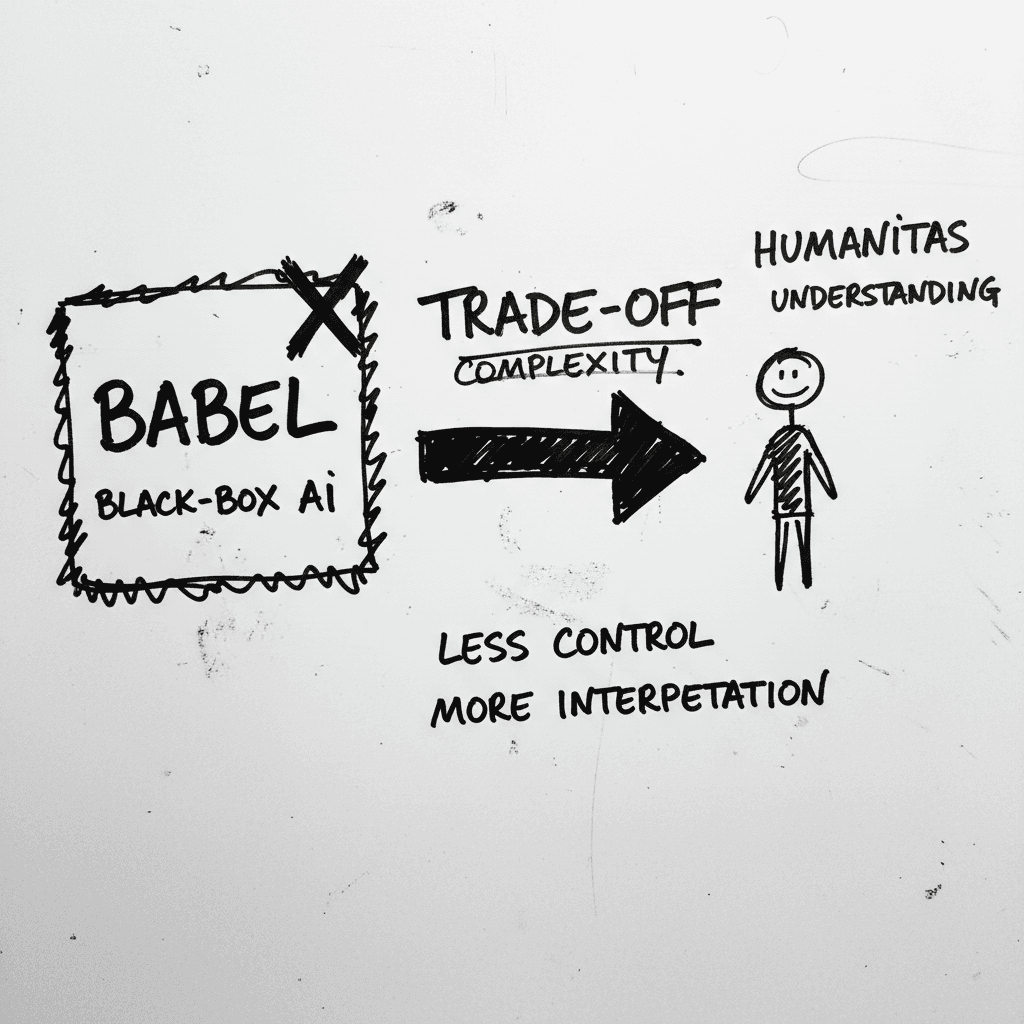
Magnifica Humanitas: The Vatican’s Framework for the GPT-5 Era
The document, signed May 15 and officially released today, was presented at the Vatican alongside Christopher Olah, co-founder of Anthropic and lead of its interpretability team (ncronline.org, Forbes
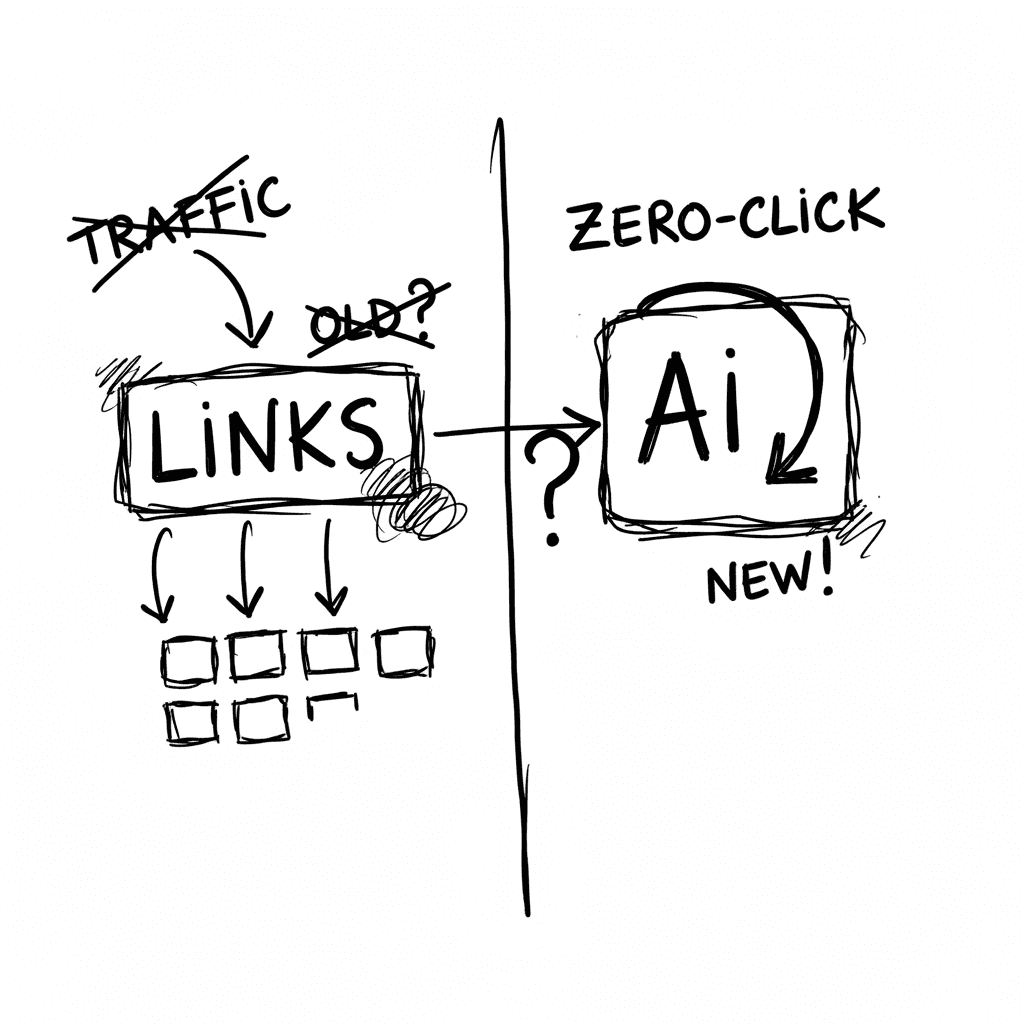
The Zero-Click Economy: Kagi Search vs. Google AI Mode
Google has effectively pivoted to an "answer engine" where Gemini 3.5 Flash provides conversational summaries, while Kagi remains the primary refuge for users seeking a human-centric, ad-free index. W
Stay Ahead of AI Adoption Trends
Get our latest reports and insights delivered to your inbox. No spam, just data.