
The Model Context Protocol and the 2026 Context Crisis
The Model Context Protocol (MCP) is a vendor-neutral standard for connecting AI agents to external data sources and tools without writing custom integration glue for every service. Donated to the Linu

The Pitch
The Model Context Protocol (MCP) is a vendor-neutral standard for connecting AI agents to external data sources and tools without writing custom integration glue for every service. Donated to the Linux Foundation's Agentic AI Foundation in late 2025, it aims to act as a universal interface for GitHub, Slack, and various databases (Source: Advisable.com). While marketed as the "USB-C for AI," it has become a point of contention for backend engineers concerned with latency and token efficiency.
Under the Hood
MCP is currently supported as a native capability in Claude 4.5 Opus and GPT-5, with Gemini 2.5 offering experimental integration (Source: ByteBridge). However, adoption in high-performance environments is stalling due to what we are calling the "Context Crisis." Loading three to five standard MCP servers can bloat a context window by 50,000 to 150,000 tokens before a single task is executed (Source: TowardsAI).
This upfront schema loading consumes over 20% of the available context for GPT-5 or Claude 4.5 models. In contrast, "Agent Skills" released in late 2025 use progressive disclosure to load instructions on-demand. Benchmarks show this method is 10-32x more token-efficient than the standard MCP tool-calling implementation (Source: Medium/unicodeveloper).
Reliability remains a significant hurdle for production deployments. Platforms like Perplexity have deprioritized internal MCP usage, citing a 72% success rate compared to 100% for raw CLI tools. The primary technical bottleneck is "double-hop" latency and frequent session data exfiltration vulnerabilities discovered in "passive" MCP servers (Source: Milvus.io / ASK 2026, AndrewBaker.ninja).
We do not know the public pricing for managed MCP Gateways yet. Additionally, while Google mentions native support for Gemini 2.5 Pro Ultra, a formal release date for a stable version has not been made public. Claude 4.5 Opus currently favors Skills over MCP for local filesystem operations, likely to avoid the latency overhead (Source: ByteBridge).
Marcus's Take
MCP is effectively a governance framework masquerading as a developer tool. It is excellent for enterprise CTOs who need to audit remote access, but for those of us shipping performance-critical agents, it is currently dead weight. The "Context Crisis" means you are paying a massive token tax to describe your API before the model even thinks about the logic. Skip MCP for production agents and stick to wrapping CLI scripts as Agent Skills; paying for 100k tokens of schema boilerplate is a luxury your infra budget doesn't need.
Ship clean code,
Marcus.
Marcus Webb - Senior Backend Analyst at UsedBy.ai
Related Articles
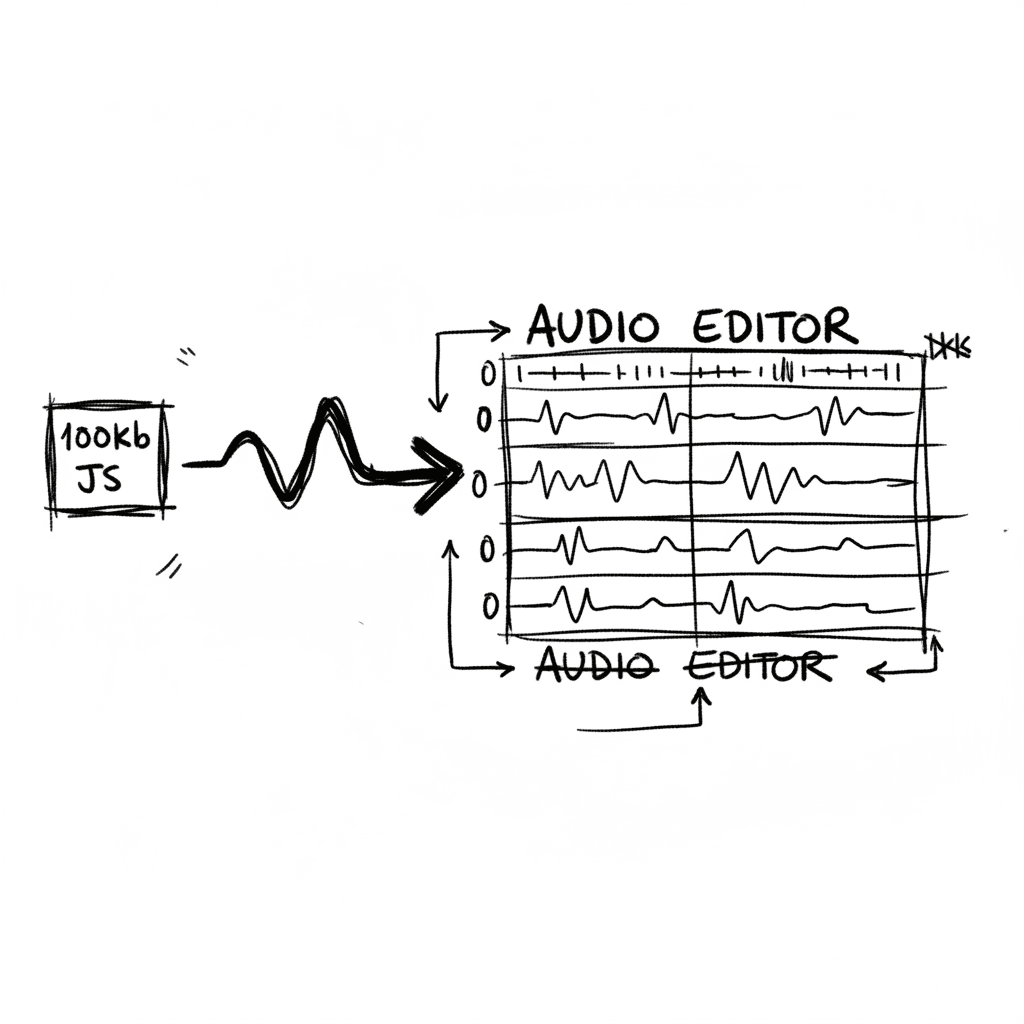
Audiomass: Multitrack Audio Editing via 100kb of Vanilla JavaScript
Audiomass is a browser-based, multitrack audio editor that operates entirely client-side with a remarkably small 100kb footprint (audiomass.co). It provides a workflow reminiscent of classic editors l
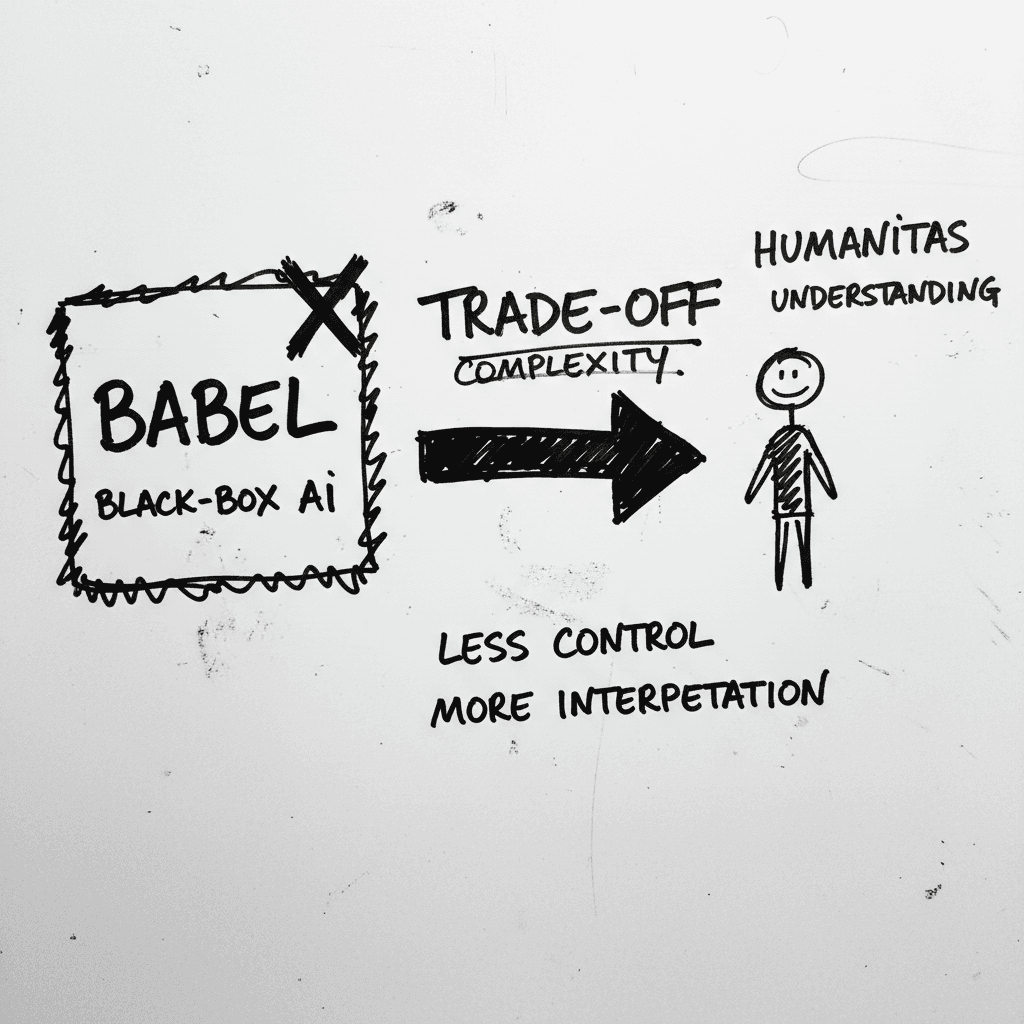
Magnifica Humanitas: The Vatican’s Framework for the GPT-5 Era
The document, signed May 15 and officially released today, was presented at the Vatican alongside Christopher Olah, co-founder of Anthropic and lead of its interpretability team (ncronline.org, Forbes
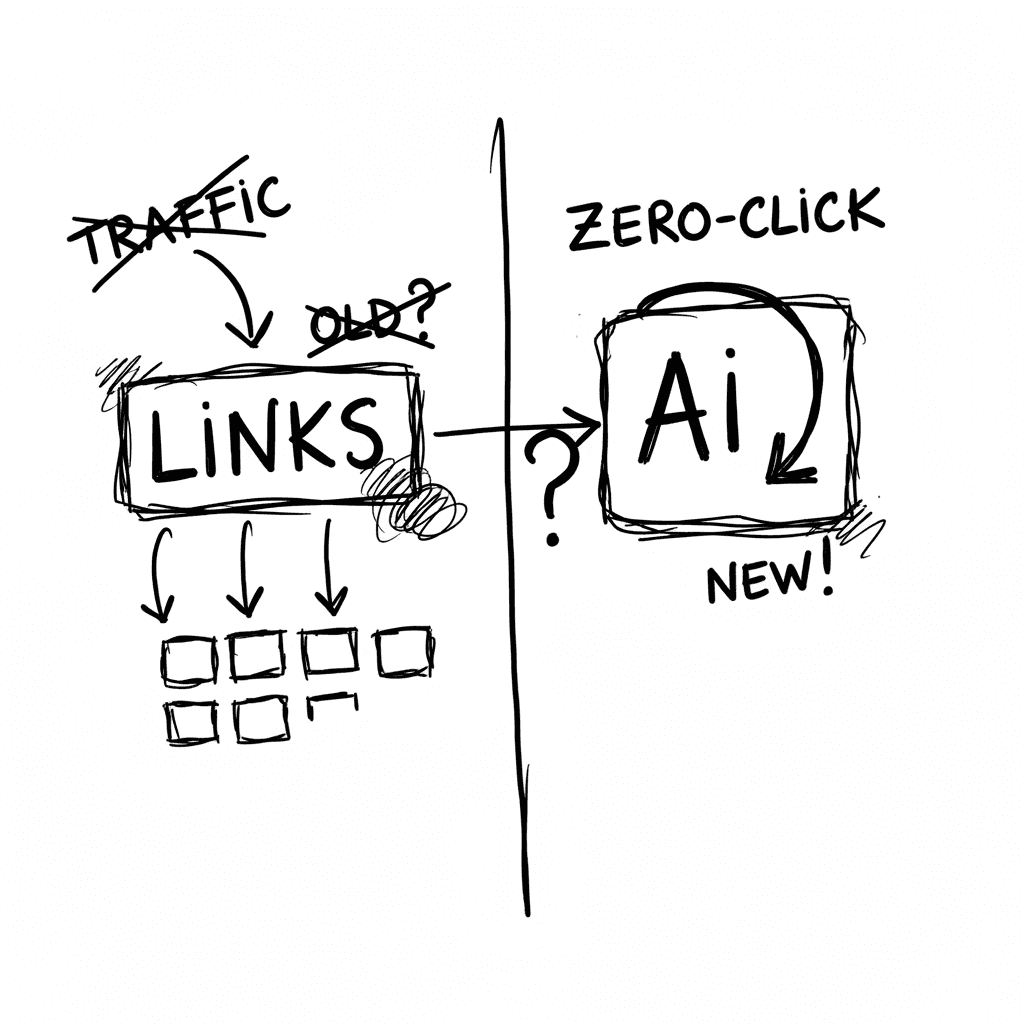
The Zero-Click Economy: Kagi Search vs. Google AI Mode
Google has effectively pivoted to an "answer engine" where Gemini 3.5 Flash provides conversational summaries, while Kagi remains the primary refuge for users seeking a human-centric, ad-free index. W
Stay Ahead of AI Adoption Trends
Get our latest reports and insights delivered to your inbox. No spam, just data.