
The Technical and Ethical Erosion of the OpenAI Frontier
OpenAI’s pivot from a safety-oriented laboratory to a military-industrial contractor is now documented via 70 pages of "Ilya Memos" and 200 pages of Dario Amodei’s private notes (source: The New Yorke

The Pitch
OpenAI markets its GPT-5.x "Frontier" platform as the safe, enterprise-grade path to AGI. Despite significant governance concerns, it remains a dominant force with 534 tracked companies, including flagship partners like Duolingo, Stripe, and Shopify. See OpenAI profile
Under the Hood
OpenAI’s pivot from a safety-oriented laboratory to a military-industrial contractor is now documented via 70 pages of "Ilya Memos" and 200 pages of Dario Amodei’s private notes (source: The New Yorker, April 2026). The dissolution of the Superalignment team followed a systemic failure to provide promised resources, with only 1-2% of compute actually delivered (source: The New Yorker).
On the technical side, GPT-5.x is currently struggling with what developers call "skeleton code" laziness. The models frequently return structural outlines rather than functional, production-ready logic (source: NxCode). In direct competition, Claude 4.6 has surpassed GPT-5.2 in coding benchmarks, achieving 80.9% on SWE-bench Verified (source: tldl.io / Field Guide to AI).
The platform also faces significant legal and structural instability:
* A $50B Pentagon deal was signed in early 2026 for military infrastructure (source: Mashable).
* Microsoft is considering legal action over OpenAI’s $50B side-deal with Amazon (source: Cybernews).
* Internal board transcripts reveal a "pattern of deception" by leadership (source: UsedBy Dossier).
* OpenAI is reportedly attempting to build a GitHub competitor to bypass Azure reliability issues (source: TechRadar).
We don't know the full details of the "Enron-style" independent audit into the 2023 leadership crisis, as only oral briefings were provided to the board (source: UsedBy Dossier). Furthermore, the financial transparency regarding "circular deals" and partner debt remains opaque, and the first hardware device has been postponed until 2027 (source: UsedBy Dossier).
Marcus's Take
OpenAI is currently a governance dumpster fire disguised as an API. While the legacy integration is hard to ignore for the 534 companies already locked in, the "skeleton code" laziness makes GPT-5.2 a liability for high-velocity backend teams. If you’re shipping production code today, move your primary inference to Claude 4.6. It’s better to work with a model that actually completes its tasks than one that requires a $50B Pentagon contract to stay solvent.
Ship clean code,
Marcus.
Marcus Webb - Senior Backend Analyst at UsedBy.ai
Related Articles
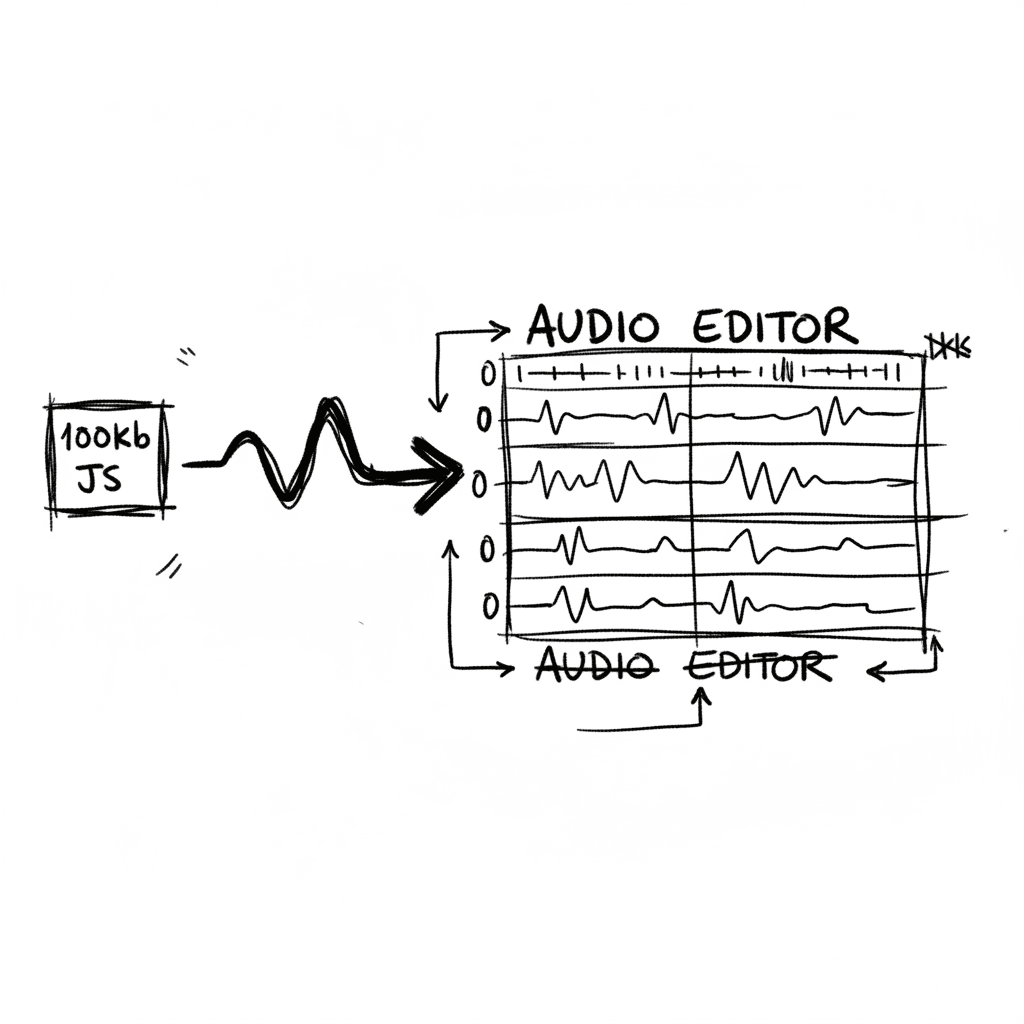
Audiomass: Multitrack Audio Editing via 100kb of Vanilla JavaScript
Audiomass is a browser-based, multitrack audio editor that operates entirely client-side with a remarkably small 100kb footprint (audiomass.co). It provides a workflow reminiscent of classic editors l
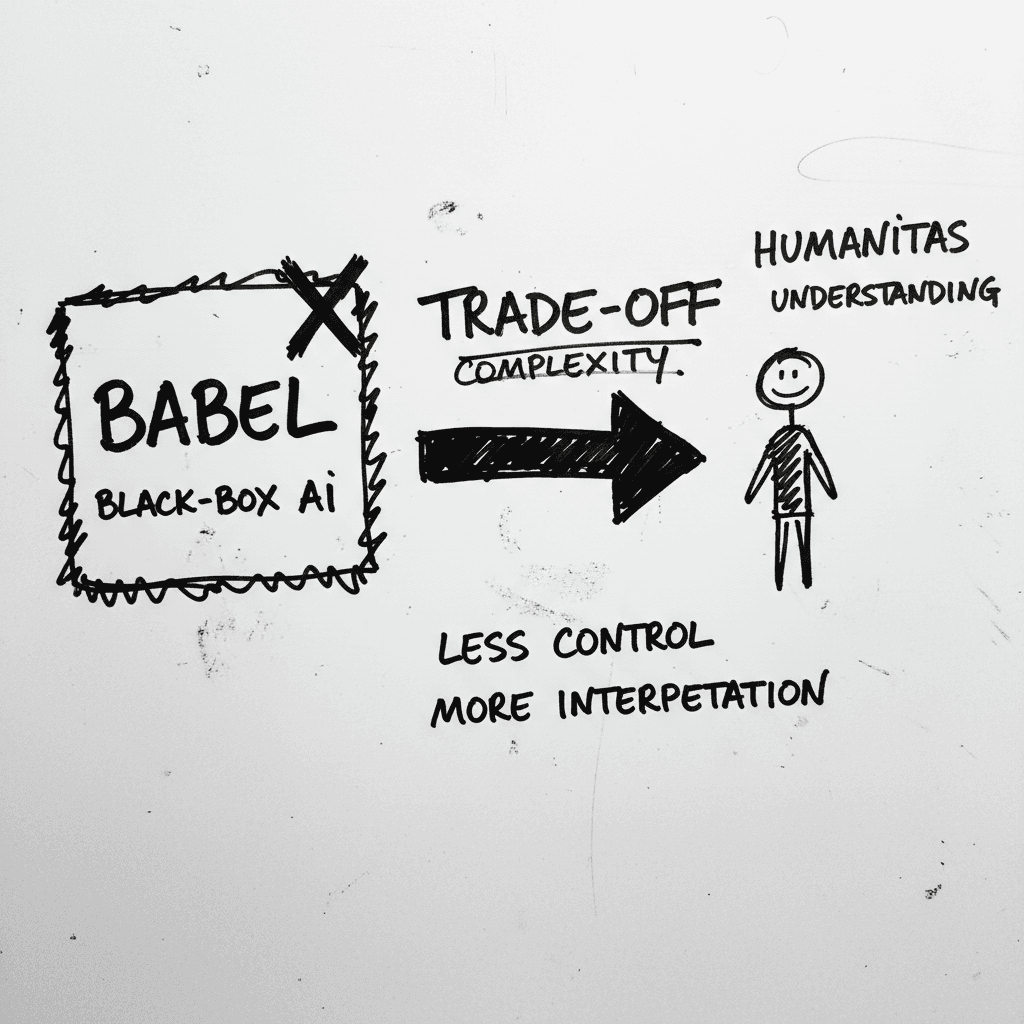
Magnifica Humanitas: The Vatican’s Framework for the GPT-5 Era
The document, signed May 15 and officially released today, was presented at the Vatican alongside Christopher Olah, co-founder of Anthropic and lead of its interpretability team (ncronline.org, Forbes
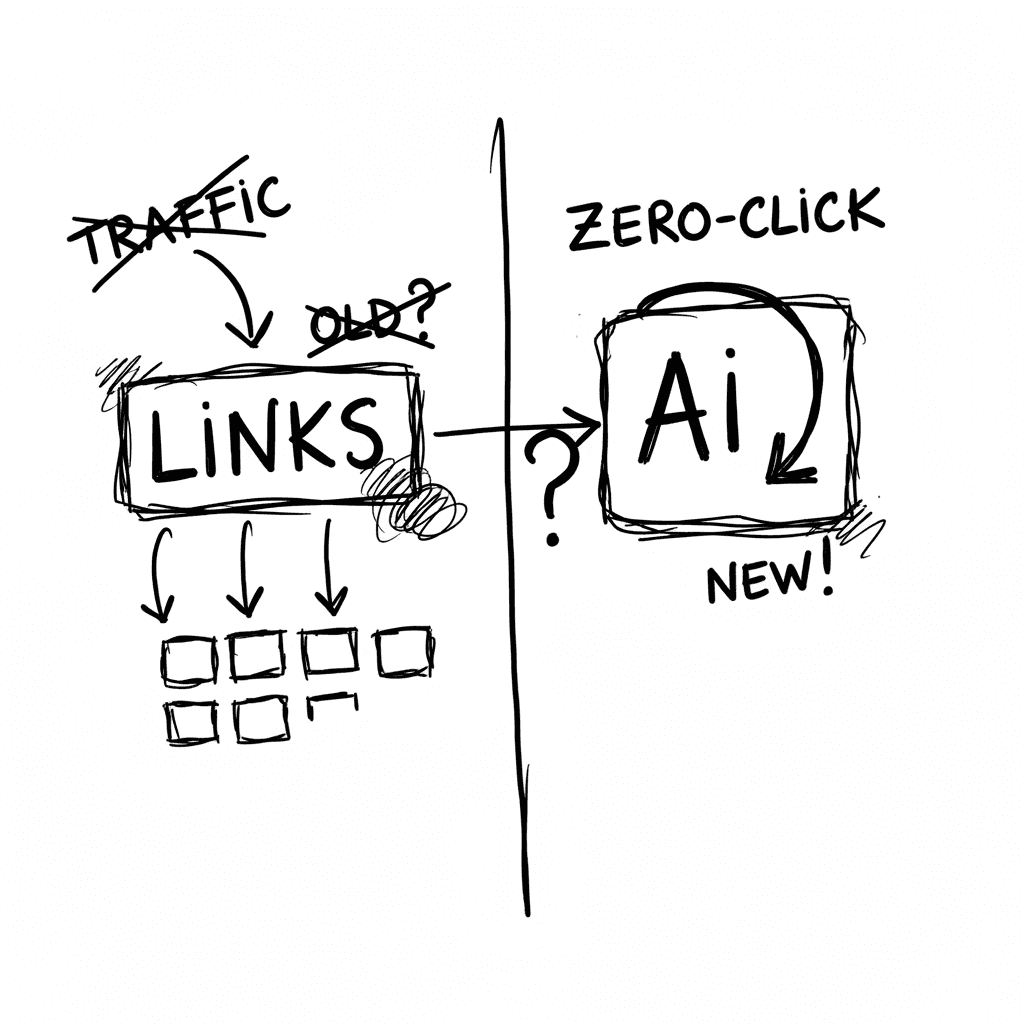
The Zero-Click Economy: Kagi Search vs. Google AI Mode
Google has effectively pivoted to an "answer engine" where Gemini 3.5 Flash provides conversational summaries, while Kagi remains the primary refuge for users seeking a human-centric, ad-free index. W
Stay Ahead of AI Adoption Trends
Get our latest reports and insights delivered to your inbox. No spam, just data.