
The Technical Friction Between Generative AI and Demoscene Standards
Midjourney v7 and Retro Diffusion currently dominate the generative landscape by promising "pixel-perfect" assets that mirror 1990s hardware constraints. While these tools aim to automate the meticulo

The Pitch
Midjourney v7 and Retro Diffusion currently dominate the generative landscape by promising "pixel-perfect" assets that mirror 1990s hardware constraints. While these tools aim to automate the meticulous labor of traditional hand-pixelling, they have triggered a massive technical and cultural backlash within the demoscene.
Under the Hood
The core technical conflict lies in the requirement for "intentionality" versus the black-box nature of diffusion models. While Claude 4.5 Opus and GPT-5 are capable of generating aesthetically convincing pixel assets and supporting code, they cannot yet simulate the iterative development process required for professional verification (Source: Technical Analysis 2026).
The Revision 2026 party, scheduled for April 3-6, has effectively formalised this distrust. Their updated rules for the "Oldskool Graphics" category now mandate exactly 10 distinct working stages to prove human origin (Source: Revision 2026 Official Rules). Current AI agents fail to produce these intermediate steps with the logical progression—such as palette mapping or sub-pixel adjustments—that judges expect.
Assembly 2026 has followed suit by explicitly banning "purely AI-generated content" in general categories unless a specific niche is carved out (Source: assembly.org). This exclusion is backed by the community’s reliance on "The Masters of Pixel Art" as the benchmark for historical authenticity, a standard AI consistently fails to meet under peer review (Source: HN Thread).
From a backend perspective, the risk is not just social but structural. We currently lack any standardised tool to reverse-engineer and verify whether a "Work In Progress" stage was itself generated by an AI, leaving a significant gap in the verification pipeline (Source: UsedBy Dossier). Furthermore, the enterprise cost of tools like Retro Diffusion remains obscured by unlisted 2026 pricing tiers, making long-term budget forecasting for studios difficult.
Marcus's Take
If you are shipping a generic mobile title where "vibe" outweighs "craft," these tools might shave a few weeks off your sprint. However, for any project requiring community respect or entry into major competitions, AI-generated pixel art is a liability. It’s the digital equivalent of buying a pre-weathered leather jacket; you might look the part to an outsider, but the experts on Pouet.net will smell the prompt-engineering from a mile away. Skip it for professional creative work and stick to manual tools until the verification tech catches up.
Ship clean code,
Marcus.
Marcus Webb - Senior Backend Analyst at UsedBy.ai
Related Articles
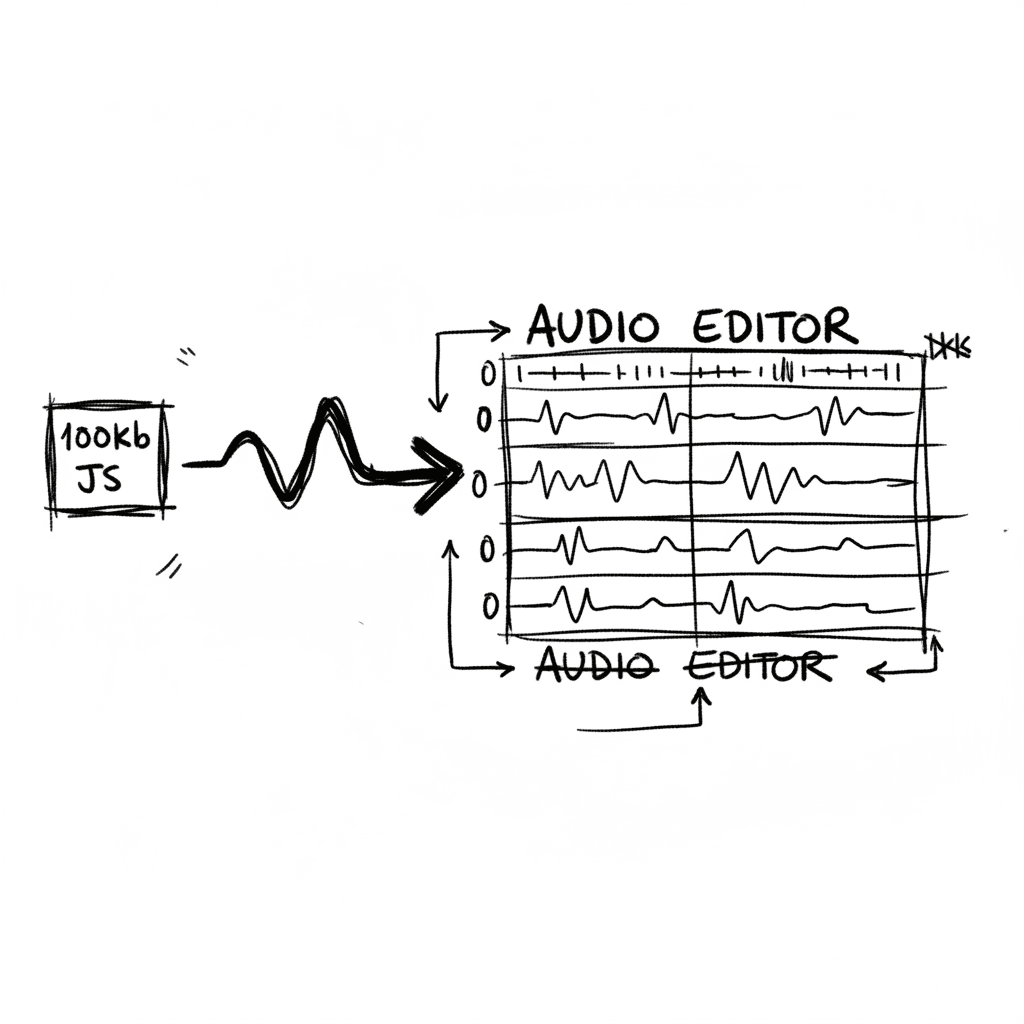
Audiomass: Multitrack Audio Editing via 100kb of Vanilla JavaScript
Audiomass is a browser-based, multitrack audio editor that operates entirely client-side with a remarkably small 100kb footprint (audiomass.co). It provides a workflow reminiscent of classic editors l
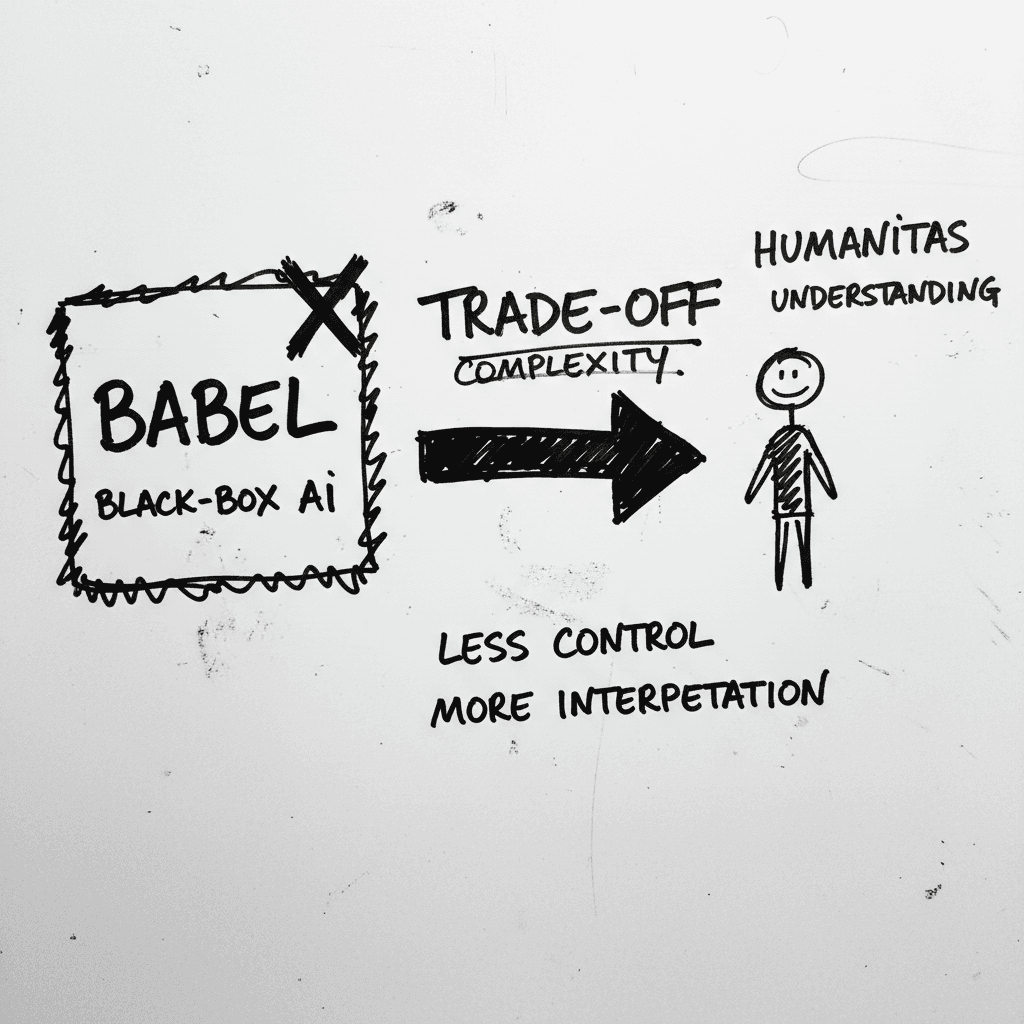
Magnifica Humanitas: The Vatican’s Framework for the GPT-5 Era
The document, signed May 15 and officially released today, was presented at the Vatican alongside Christopher Olah, co-founder of Anthropic and lead of its interpretability team (ncronline.org, Forbes
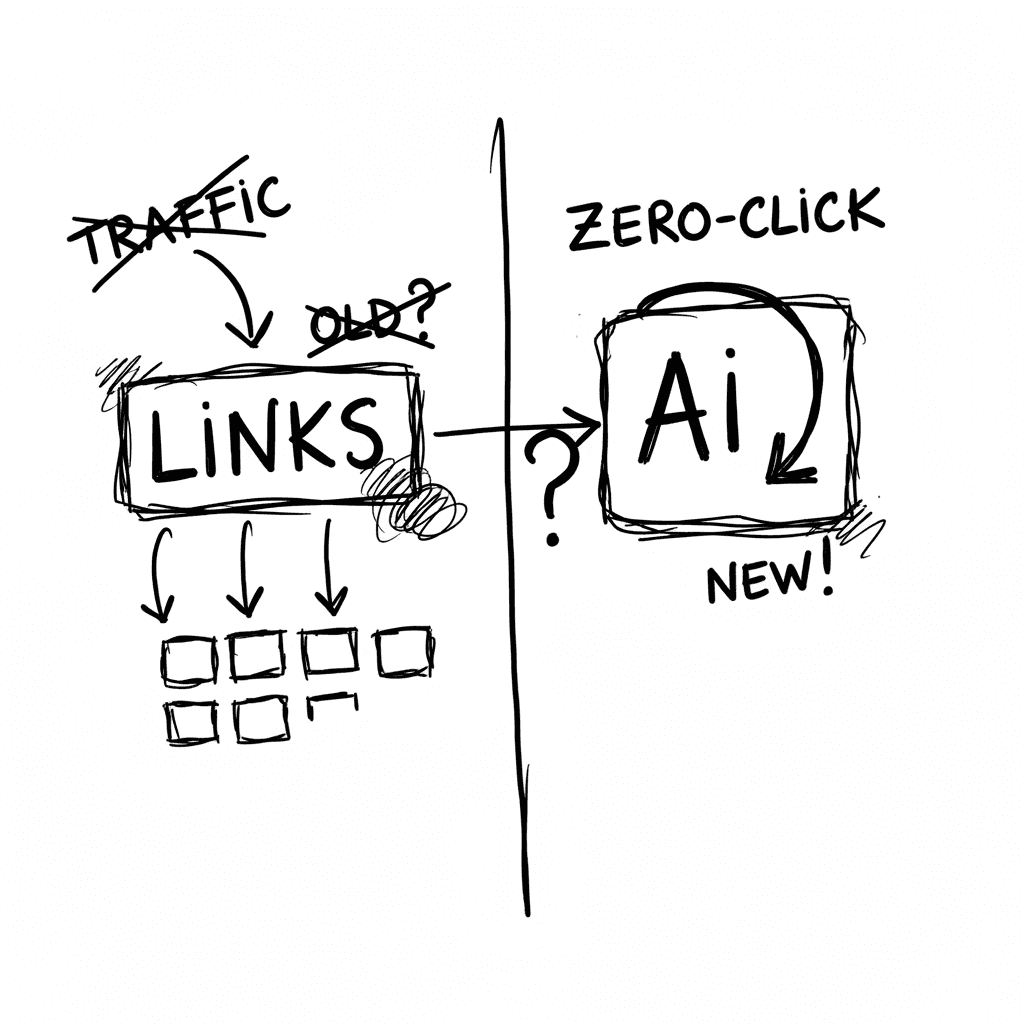
The Zero-Click Economy: Kagi Search vs. Google AI Mode
Google has effectively pivoted to an "answer engine" where Gemini 3.5 Flash provides conversational summaries, while Kagi remains the primary refuge for users seeking a human-centric, ad-free index. W
Stay Ahead of AI Adoption Trends
Get our latest reports and insights delivered to your inbox. No spam, just data.