
Voyager 1: Remote Code Execution at 25.8 Billion Kilometers
Voyager 1 is currently operating at a distance of 172.59 AU from Earth, maintaining telemetry via three redundant computer systems with a combined memory of approximately 69 KB (NASA/JPL). This 1977-e

The Pitch
Voyager 1 is currently operating at a distance of 172.59 AU from Earth, maintaining telemetry via three redundant computer systems with a combined memory of approximately 69 KB (NASA/JPL). This 1977-era probe represents the most extreme case of legacy system maintenance in existence, operating as a "time capsule" in interstellar space. It is currently being managed through high-stakes remote software engineering to bypass hardware degradation that would brick modern hardware in weeks.
Under the Hood
The system architecture relies on the Flight Data System (FDS), Computer Command System (CCS), and Attitude and Articulation Control System (AACS) (NASA/JPL). Managing these components requires navigating nearly five decades of hardware attrition and constant cosmic radiation exposure. In April 2024, the team successfully bypassed a fatal memory chip failure by manually dividing and relocating code segments into unaffected sectors (NASA Press Release).
This relocation was necessary because the hardware lacks the modern error-correction buffers we take for granted in 2026. The probe still utilizes an 8-track tape recorder for data storage, a component that remains functional 48 years after launch (UsedBy Dossier). Any command sent to these systems faces a 23.5-hour one-way latency, meaning a full "deploy and verify" cycle takes 47 hours.
The mission is currently in a terminal power-down phase due to declining levels from its Plutonium-238 RTGs. Power output drops by approximately 4 watts annually, which led to the deactivation of the Cosmic Ray Subsystem (CRS) in February 2025 (NASA/JPL). We don't know the precise remaining wattage currently, as the official NASA Mission Status table is offline for calibration as of March 30, 2026 (NASA.gov).
Future milestones and risks include:
- Reaching "One Light-Day" distance (16.1 billion miles) on November 15, 2026 (Popular Science/JPL).
- Increasing frequency of memory bit-flips caused by unshielded interstellar radiation (UsedBy Dossier).
- A significant institutional knowledge gap as the original 1970s assembly developers retire (NASA/JPL).
- Total power depletion predicted to drop below instrument thresholds by the early 2030s.
- We don't know the specific date for the next instrument deactivation (Low-Energy Charged Particle) in 2026.
Marcus's Take
Voyager 1 is the definitive proof that elegant, low-level engineering beats modern bloat every time. While current developers complain about deployment latencies in the milliseconds, the JPL team is debugging 48-year-old assembly code across a two-day round trip with zero room for error. It is a masterclass in building for the long haul; the architecture prioritizes survival through extreme redundancy and modularity. Study their code relocation strategies for your own disaster recovery plans, but accept that this hardware is entering its final act.
Ship clean code,
Marcus.
Marcus Webb - Senior Backend Analyst at UsedBy.ai
Related Articles
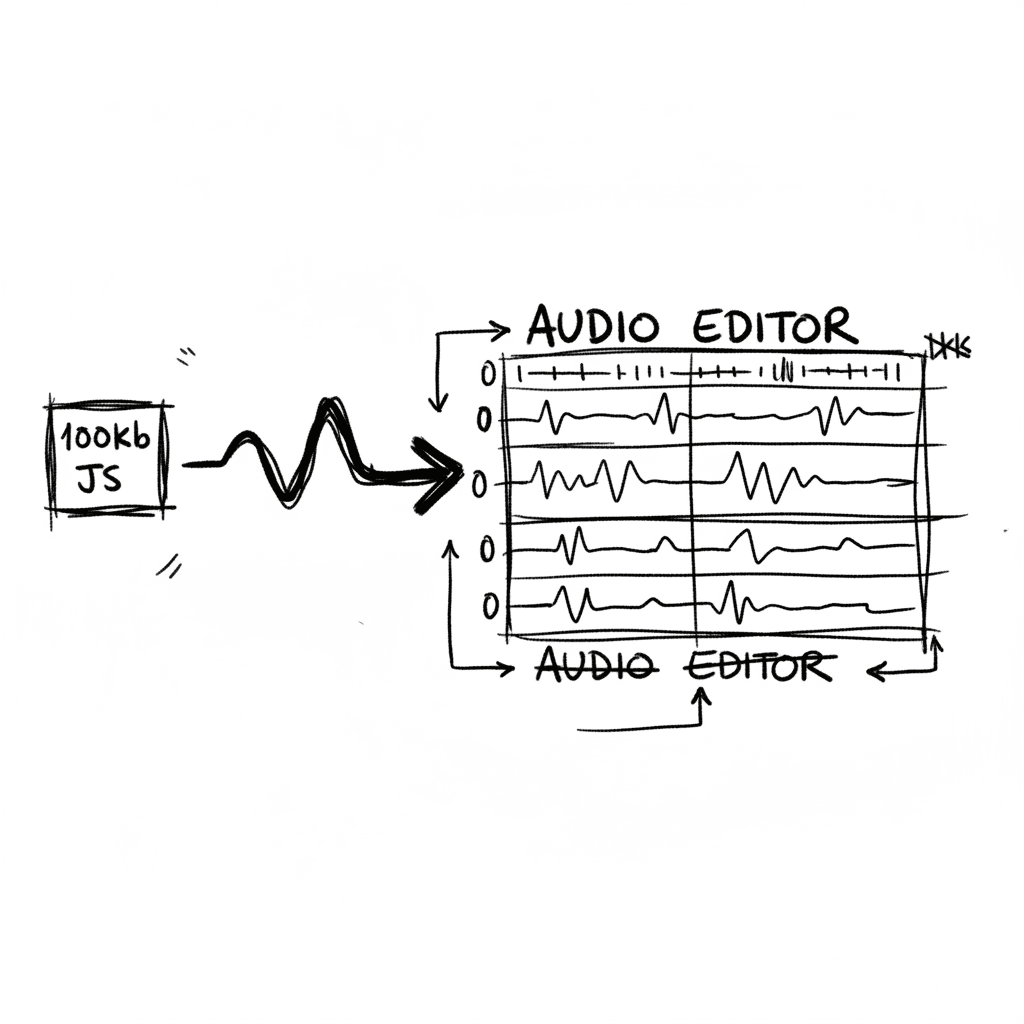
Audiomass: Multitrack Audio Editing via 100kb of Vanilla JavaScript
Audiomass is a browser-based, multitrack audio editor that operates entirely client-side with a remarkably small 100kb footprint (audiomass.co). It provides a workflow reminiscent of classic editors l
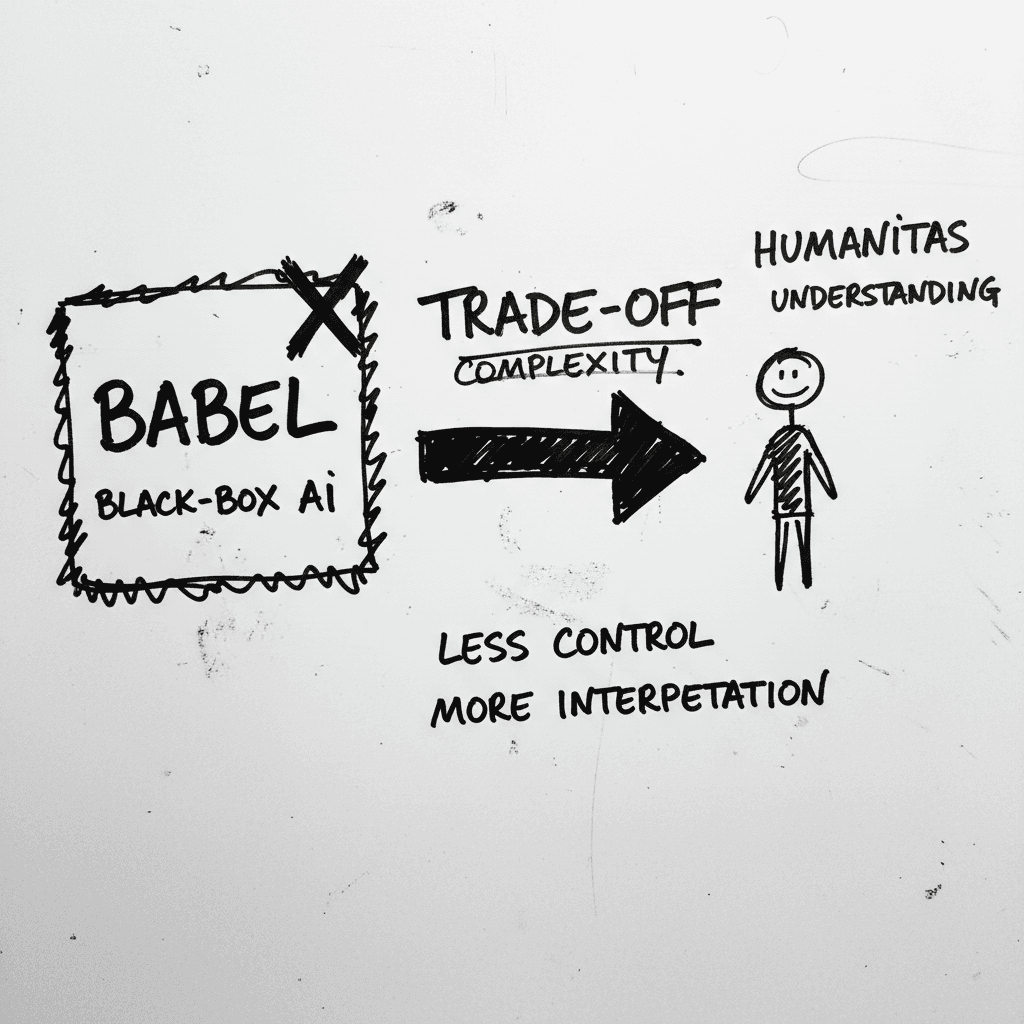
Magnifica Humanitas: The Vatican’s Framework for the GPT-5 Era
The document, signed May 15 and officially released today, was presented at the Vatican alongside Christopher Olah, co-founder of Anthropic and lead of its interpretability team (ncronline.org, Forbes
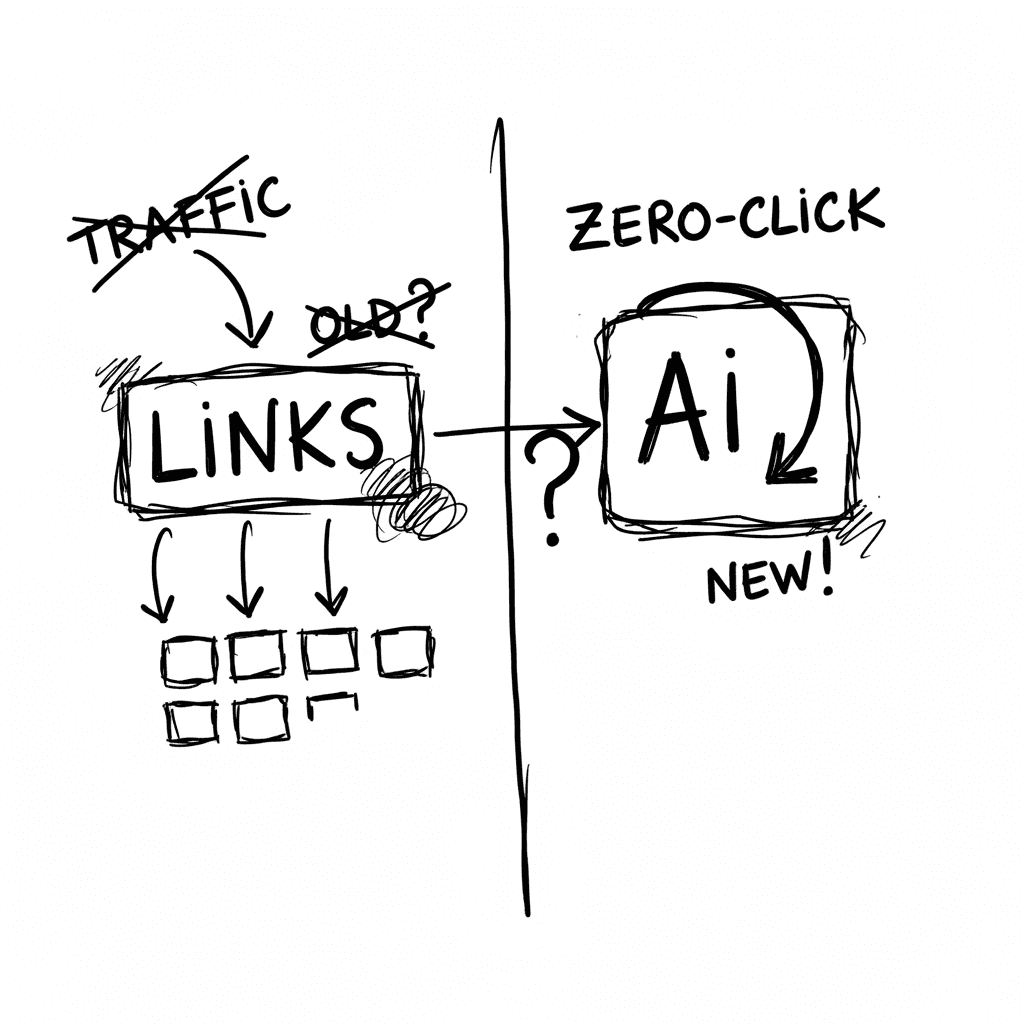
The Zero-Click Economy: Kagi Search vs. Google AI Mode
Google has effectively pivoted to an "answer engine" where Gemini 3.5 Flash provides conversational summaries, while Kagi remains the primary refuge for users seeking a human-centric, ad-free index. W
Stay Ahead of AI Adoption Trends
Get our latest reports and insights delivered to your inbox. No spam, just data.