
Zed 1.0: Native Rust Performance and the March 2026 Terms of Service Pivot
Zed 1.0 launched on April 29, 2026, as a high-performance, native Rust alternative to Electron-based editors like VS Code and Cursor. It targets developers demanding sub-second startup times and deep

The Pitch
Zed 1.0 launched on April 29, 2026, as a high-performance, native Rust alternative to Electron-based editors like VS Code and Cursor. It targets developers demanding sub-second startup times and deep integration with Claude 4.7 Opus and GPT-5.5 Pro. (Zed Release Notes #1.10).
Under the Hood
Zed 1.0 achieves a 0.4s startup time and maintains a memory footprint under 500MB by utilizing its custom GPU-accelerated UI framework, GPUI. This architecture allows for 144fps rendering, which provides a level of interface fluidity that standard web-tech editors cannot match. (DevToolReviews Benchmark #1.1).
The integration of the Agent Client Protocol (ACP) is a significant technical addition, enabling users to connect external agents like Claude Code or custom LLM servers directly to the editor. (Zed Roadmap #1.11). While the core remains open source under AGPL-3.0/Apache-2.0, the "Zed Service" handling AI synchronization and real-time collaboration remains proprietary. (GitHub #1.16).
However, the 1.0 release is overshadowed by legal and configuration friction:
- The March 2026 ToS update introduced a forced arbitration clause and a class action waiver, causing a documented user exodus. (GitHub Issue #50568).
- Users must warrant they are 18+ to use "The Service," which effectively bans students from the AI features. (Hacker News #1.18).
- The "Pro" plan is structurally opaque, charging $10/month for only $5 of credits, with subsequent usage billed at API list price plus 10%. (Zed Pricing Page #1.21).
- Legacy C++ and PHP developers report aggressive, "ocean of red" linting that is currently difficult to tune compared to JetBrains' ecosystems. (HN Comment #1.9).
We don't know yet if "Edit Predictions" training data is fully siloed for Enterprise users. Furthermore, an official timeline for native PHP debugging support remains missing, leaving a gap for backend engineers in that stack.
Marcus's Take
If your stack is primarily Rust, Go, or TypeScript and you value raw input latency above all else, Zed 1.0 is the fastest tool you can put in production today. The performance gains from the GPUI framework are noticeable during heavy indexing tasks where Cursor often stutters. However, the forced arbitration in the new ToS and the bizarre 18+ age restriction make it a difficult sell for enterprise compliance teams and educational institutions. I suggest using it for personal side-projects to experience the speed, but keep your primary workflow in a tool with more transparent legal terms until the Zed team addresses the community backlash.
Ship clean code,
Marcus.
Marcus Webb - Senior Backend Analyst at UsedBy.ai
Related Articles
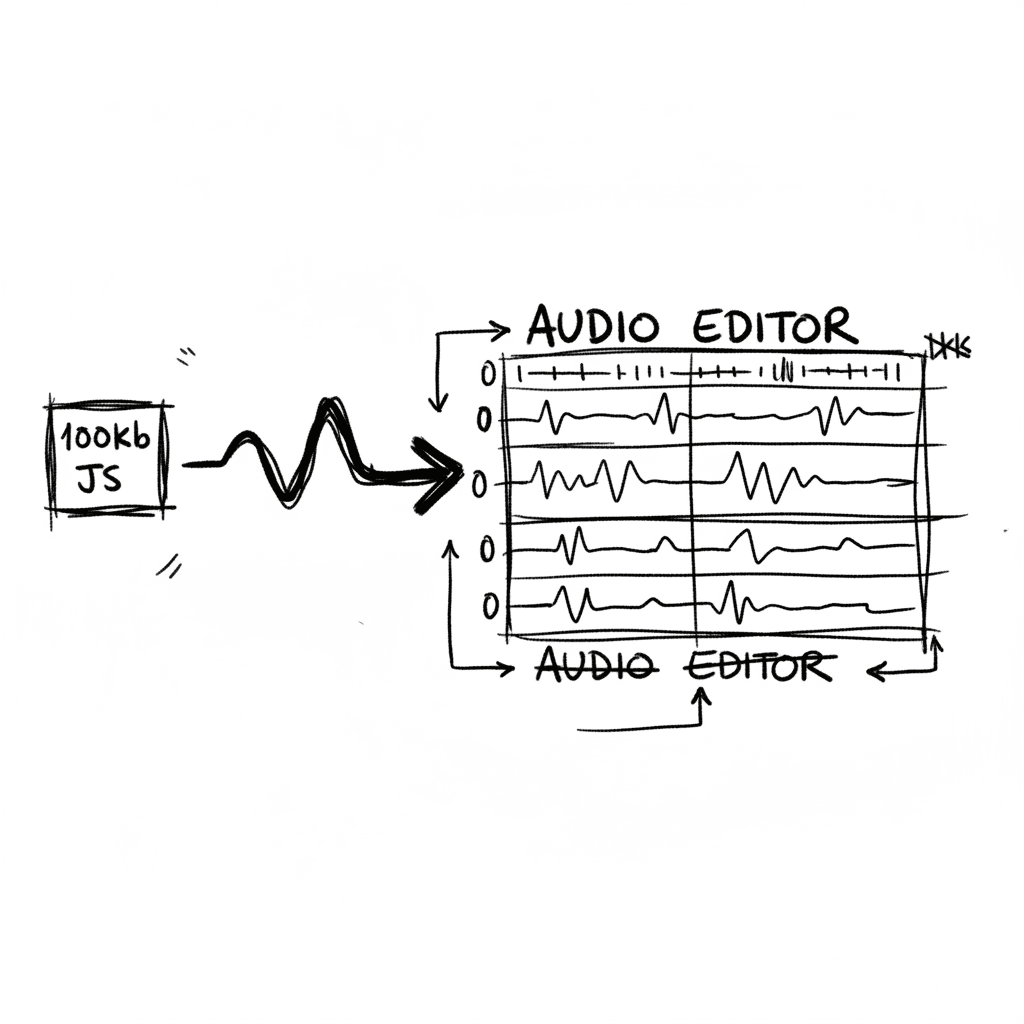
Audiomass: Multitrack Audio Editing via 100kb of Vanilla JavaScript
Audiomass is a browser-based, multitrack audio editor that operates entirely client-side with a remarkably small 100kb footprint (audiomass.co). It provides a workflow reminiscent of classic editors l
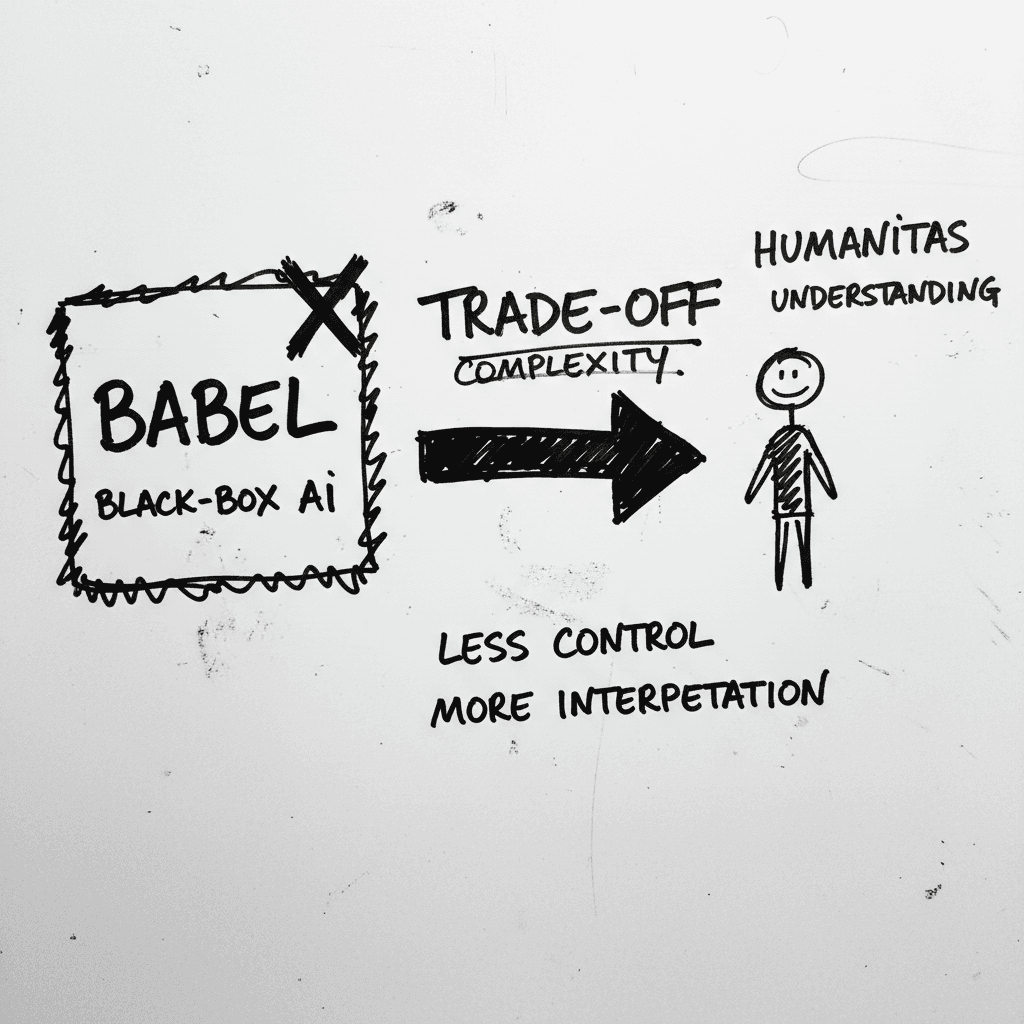
Magnifica Humanitas: The Vatican’s Framework for the GPT-5 Era
The document, signed May 15 and officially released today, was presented at the Vatican alongside Christopher Olah, co-founder of Anthropic and lead of its interpretability team (ncronline.org, Forbes
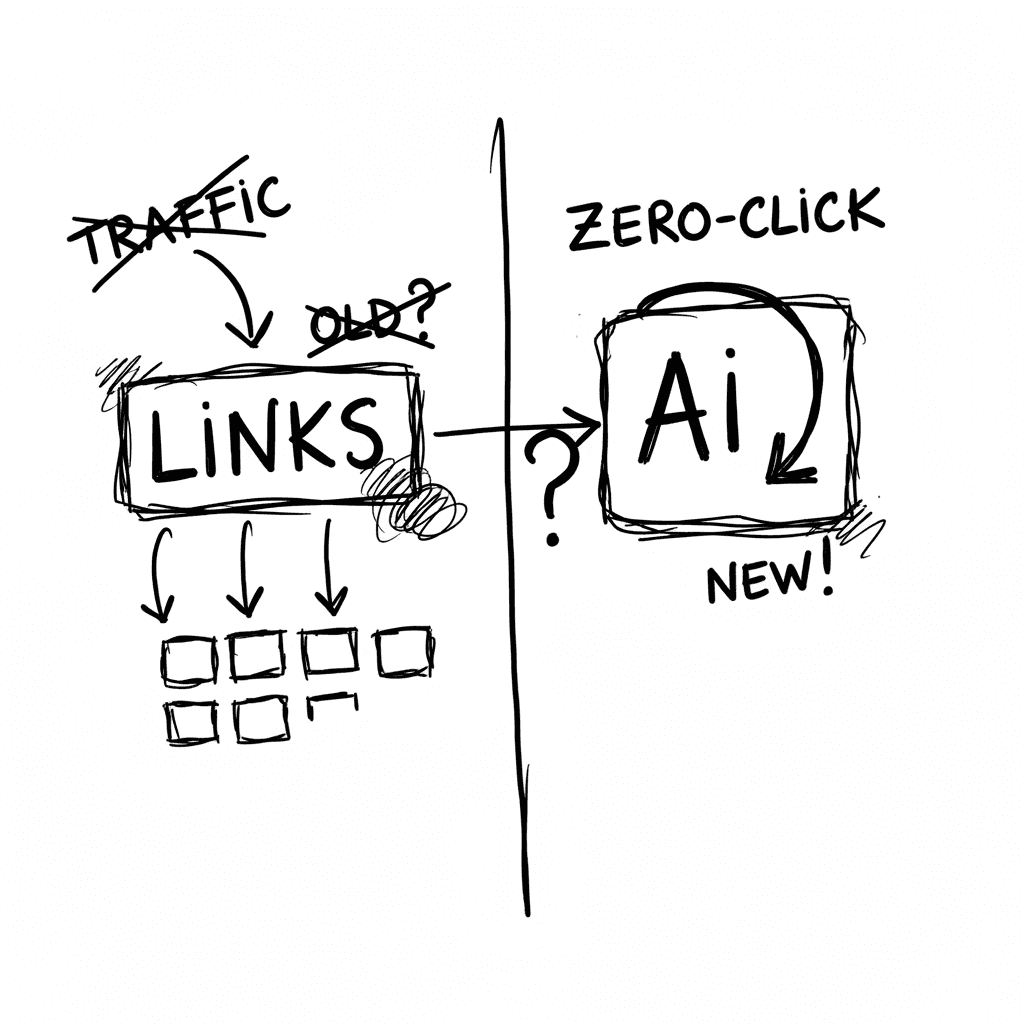
The Zero-Click Economy: Kagi Search vs. Google AI Mode
Google has effectively pivoted to an "answer engine" where Gemini 3.5 Flash provides conversational summaries, while Kagi remains the primary refuge for users seeking a human-centric, ad-free index. W
Stay Ahead of AI Adoption Trends
Get our latest reports and insights delivered to your inbox. No spam, just data.