
Zig: Architectural Churn and the Path to 1.0 Stability
Zig is a systems language prioritizing manual memory management and compile-time logic without the hidden abstractions found in C++ or Rust. It has become the foundational choice for high-performance

The Pitch
Zig is a systems language prioritizing manual memory management and compile-time logic without the hidden abstractions found in C++ or Rust. It has become the foundational choice for high-performance infrastructure like the Bun runtime and TigerBeetle database despite its pre-1.0 status.
Under the Hood
The Zig compiler is currently undergoing a significant internal reconstruction. On March 10, 2026, maintainers merged a 30,000-line pull request focused on a type resolution redesign (Zig Devlog 2026-03-10). This change implements "lazier" field analysis to improve incremental compilation speeds, though we don't know yet how this performs on projects larger than the compiler itself.
Production users like Bun, Ghostty, and TigerBeetle currently pay a high maintenance tax to stay current. Maintaining these projects requires week-long upgrade cycles whenever the language architecture shifts (HN Comment 2026-03-11). This volatility is the primary reason the Zig Software Foundation recently secured $512,000 in funding from Synadia and TigerBeetle to support stabilization efforts (TigerBeetle Blog).
The language ecosystem remains its weakest link as it approaches 1.0. Third-party packages frequently break due to foundational changes, forcing many developers to vendor or manually patch their dependencies (Reddit/r/Zig). Furthermore, the highly anticipated "Async/Await" revival is still missing from the current toolchain, with a target release window of mid-2026 (Medium/TechPreneur).
Development operations have also shifted geographically in the digital sense. In February 2026, Zig migrated its primary development from GitHub to Codeberg (Games by Mason Devlog). While the community is active, the lack of a final 1.0 release date beyond the "mid-2026" target makes long-term roadmap planning difficult for conservative engineering teams.
Marcus's Take
Zig is excellent for building specialized infrastructure where you need to control every byte, but it is a poor choice for general application development in its current state. The 30,000-line PR merged yesterday proves that the core type system is still shifting under your feet. Unless you have the engineering headcount to burn a week every few months on language-induced refactoring, stay away. Bleeding edge is only fun until you're the one doing the bleeding during a compiler migration.
Ship clean code,
Marcus.
Marcus Webb - Senior Backend Analyst at UsedBy.ai
Related Articles
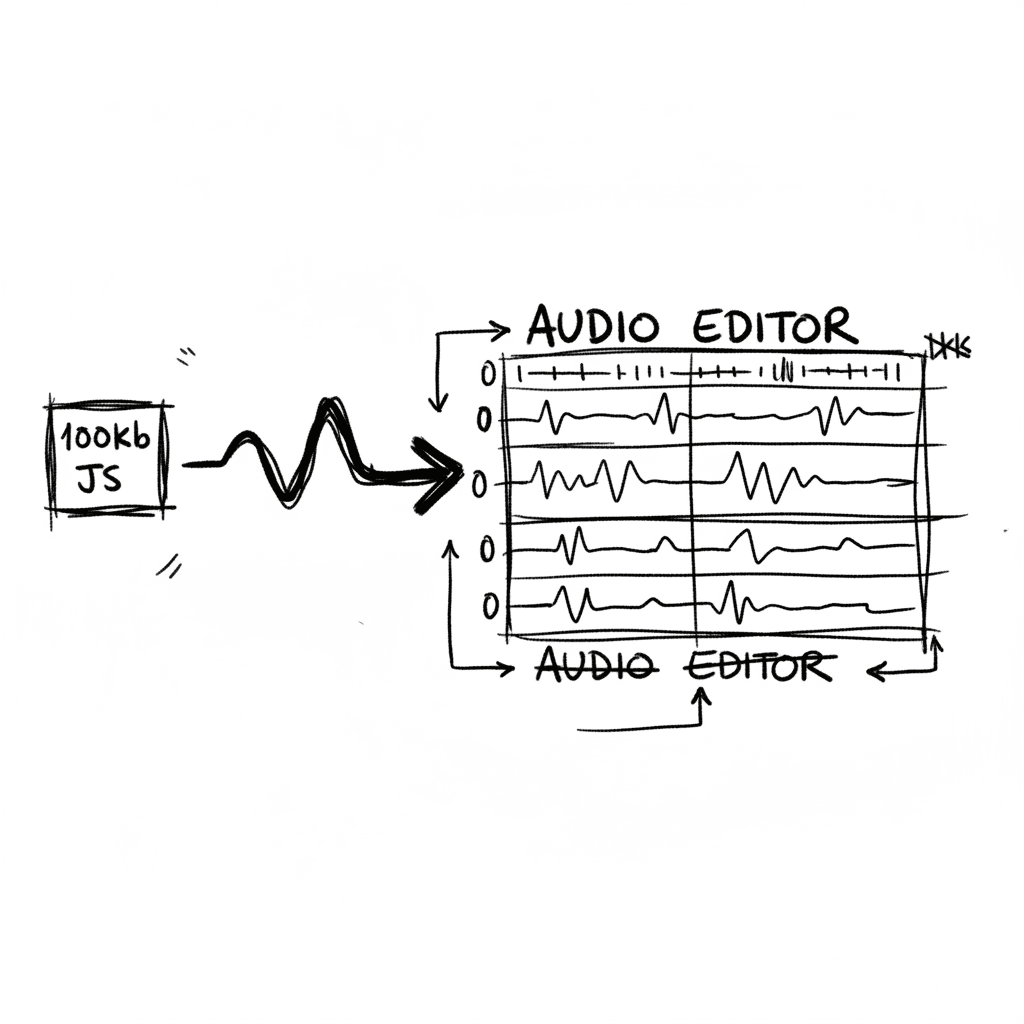
Audiomass: Multitrack Audio Editing via 100kb of Vanilla JavaScript
Audiomass is a browser-based, multitrack audio editor that operates entirely client-side with a remarkably small 100kb footprint (audiomass.co). It provides a workflow reminiscent of classic editors l
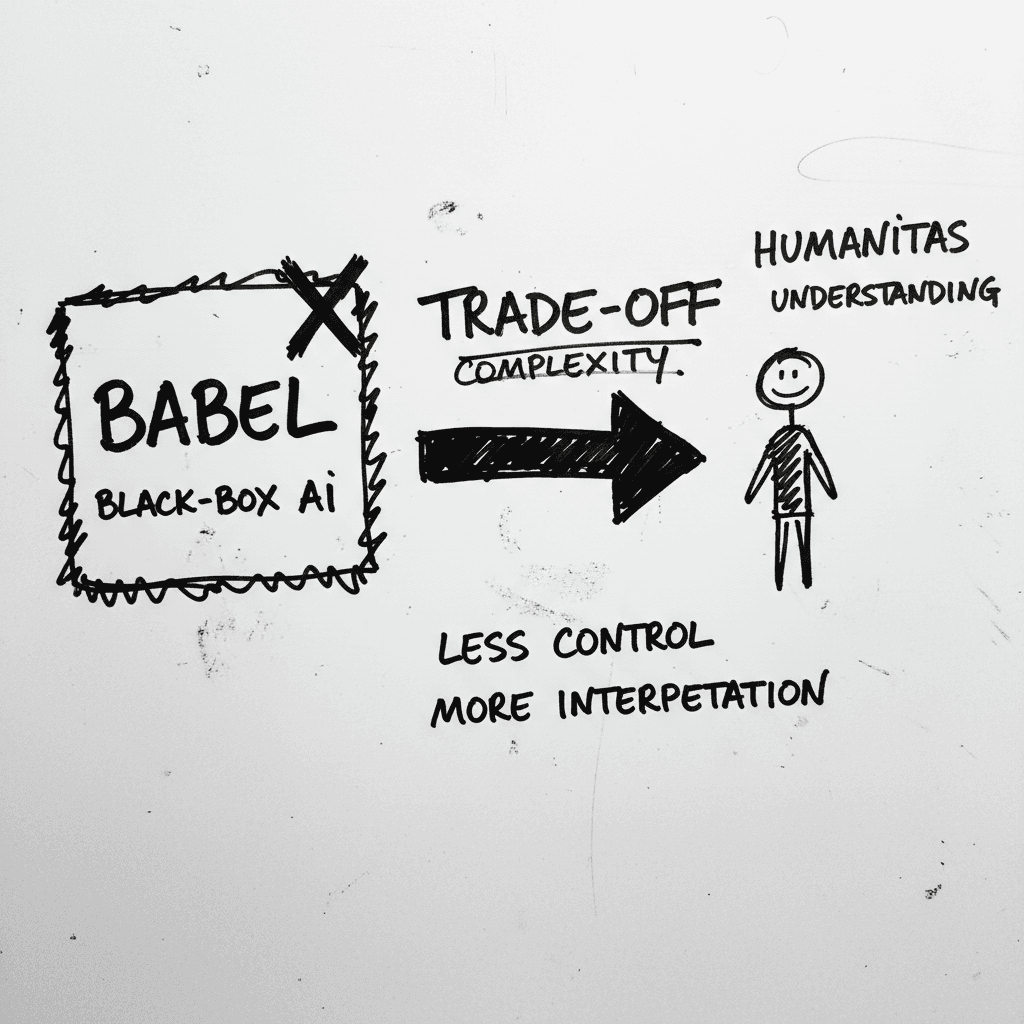
Magnifica Humanitas: The Vatican’s Framework for the GPT-5 Era
The document, signed May 15 and officially released today, was presented at the Vatican alongside Christopher Olah, co-founder of Anthropic and lead of its interpretability team (ncronline.org, Forbes
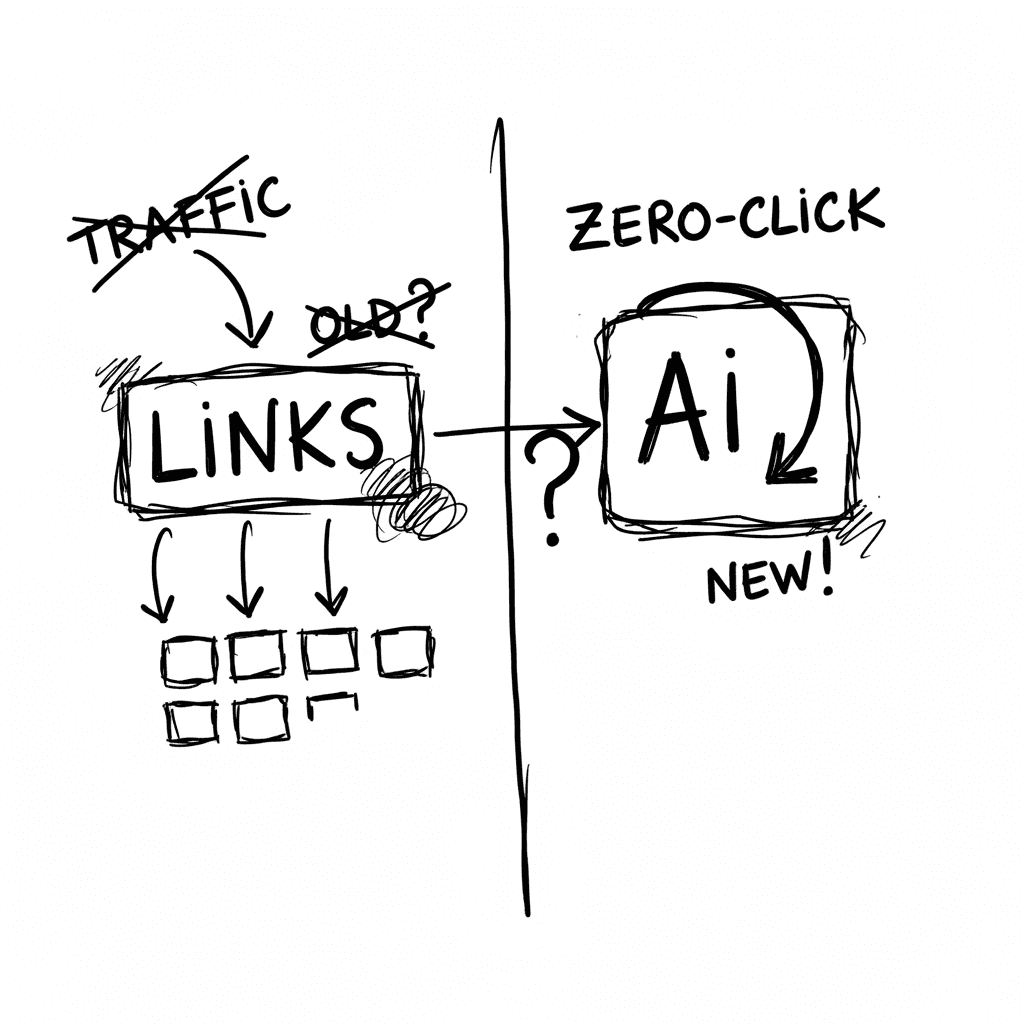
The Zero-Click Economy: Kagi Search vs. Google AI Mode
Google has effectively pivoted to an "answer engine" where Gemini 3.5 Flash provides conversational summaries, while Kagi remains the primary refuge for users seeking a human-centric, ad-free index. W
Stay Ahead of AI Adoption Trends
Get our latest reports and insights delivered to your inbox. No spam, just data.