
Apple Legacy Infrastructure and the 2027 Certificate Deadline
Apple continues to maintain active update directories for hardware spanning back to the 1999 iBook, a move marketing frames as the antithesis of planned obsolescence. While the update servers remain r

The Pitch
Apple continues to maintain active update directories for hardware spanning back to the 1999 iBook, a move marketing frames as the antithesis of planned obsolescence. While the update servers remain reachable, the practical reality of connecting 27-year-old silicon to modern networks involves significant manual intervention.
Under the Hood
Apple released macOS Catalina Security Update 2026-001 and macOS Big Sur 11.7.11 in February 2026 to extend certificate validity (source: Techloy). These patches are a preemptive response to the predicted "Certificate Blackout" of January 2027, which will otherwise disable iMessage and FaceTime on legacy systems (source: NotebookCheck).
The current macOS 26 (Tahoe), featuring the Liquid Glass UI, represents the modern standard, but the infrastructure at swscan.apple.com still hosts catalogs for PowerPC architecture (source: Low End Mac; Medium). However, reaching these servers on vintage hardware requires manual root certificate injections because the native SSL/TLS stacks have long since expired (source: HN Thread).
Network obsolescence presents a second, physical hurdle for those attempting to pull official updates on 1999-era machines. Most modern Wi-Fi 7 and Wi-Fi 8 routers have dropped support for the 802.11b protocols required by original iBook hardware (source: HN Thread). Users are currently forced to use legacy IOT SSIDs or wired workarounds to maintain a handshake.
OpenCore Legacy Patcher (OCLP) v2.4.1 remains the primary tool for maintaining Intel-based Macs as Apple prepares the transition to an Apple Silicon-only codebase for the macOS 27 cycle (source: Mr. Macintosh). We don't know yet how much longer Apple intends to host the PowerPC catalogs. The exact internal reason for the surprise iOS 12.5.8 release this month also remains undisclosed (source: UsedBy Dossier).
Marcus's Take
Maintaining update servers for 27-year-old hardware is a decent PR stunt, but it is not a viable strategy for production environments. If you are managing legacy Intel fleets, the OCLP v2.4.1 update is a mandatory stop-gap before the macOS 27 transition breaks the chain. For anything older, the manual overhead of bypassing TLS mismatches makes these machines expensive paperweights for anyone without a proxy server and a lot of free time.
Ship clean code,
Marcus.
Marcus Webb - Senior Backend Analyst at UsedBy.ai
Related Articles
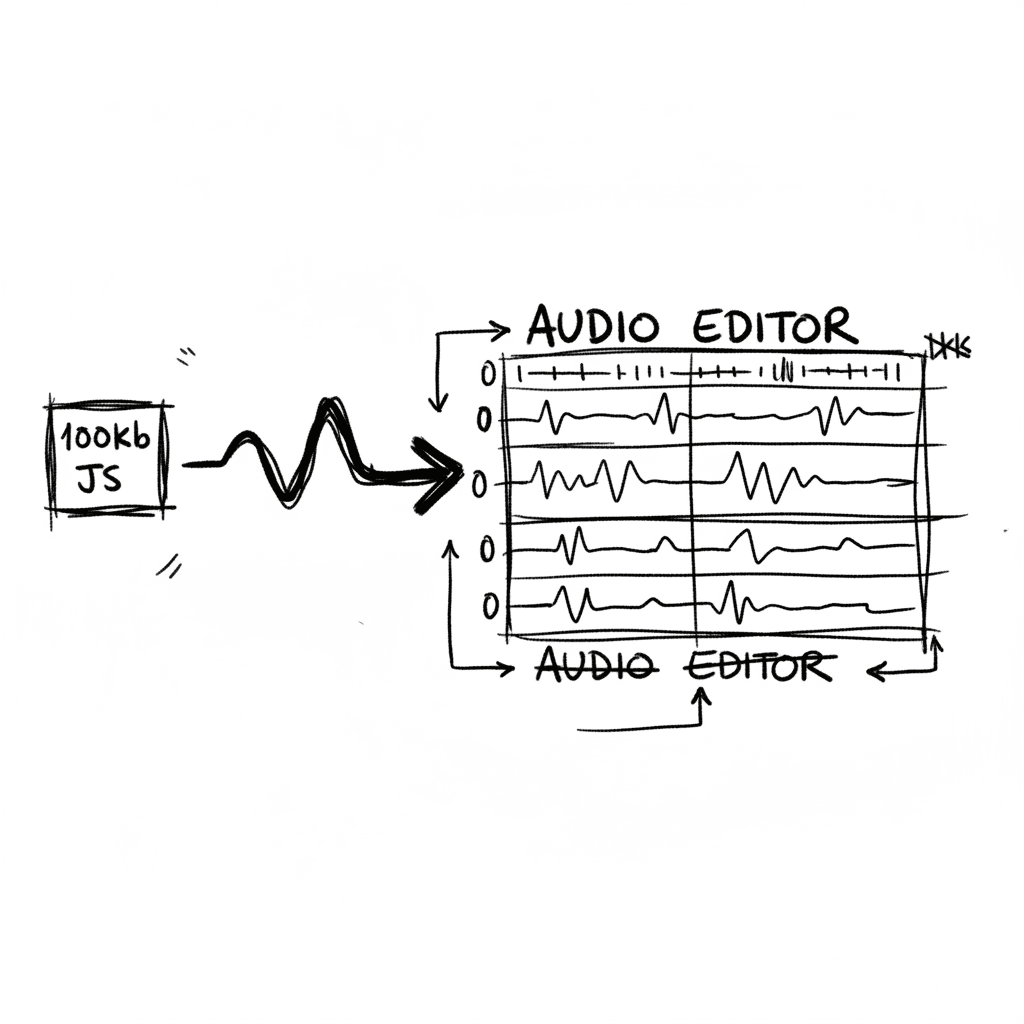
Audiomass: Multitrack Audio Editing via 100kb of Vanilla JavaScript
Audiomass is a browser-based, multitrack audio editor that operates entirely client-side with a remarkably small 100kb footprint (audiomass.co). It provides a workflow reminiscent of classic editors l
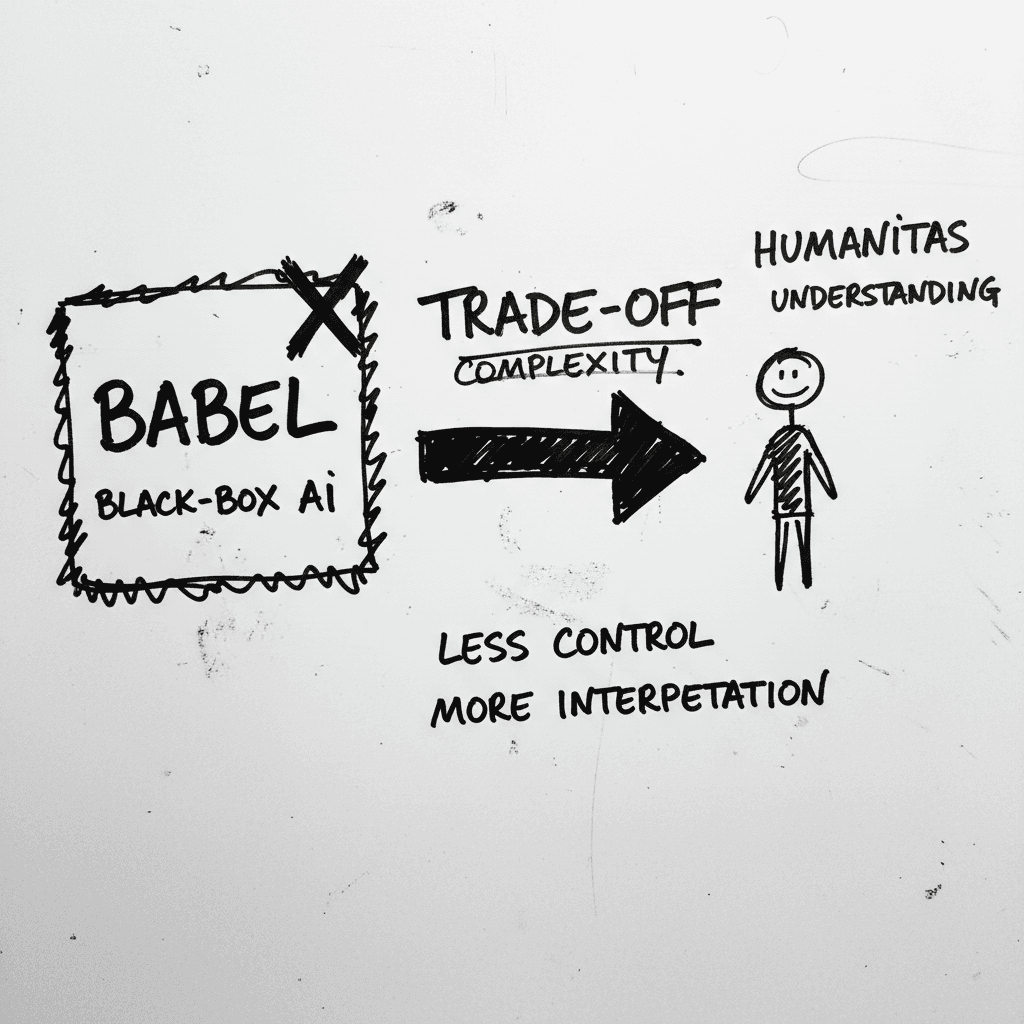
Magnifica Humanitas: The Vatican’s Framework for the GPT-5 Era
The document, signed May 15 and officially released today, was presented at the Vatican alongside Christopher Olah, co-founder of Anthropic and lead of its interpretability team (ncronline.org, Forbes
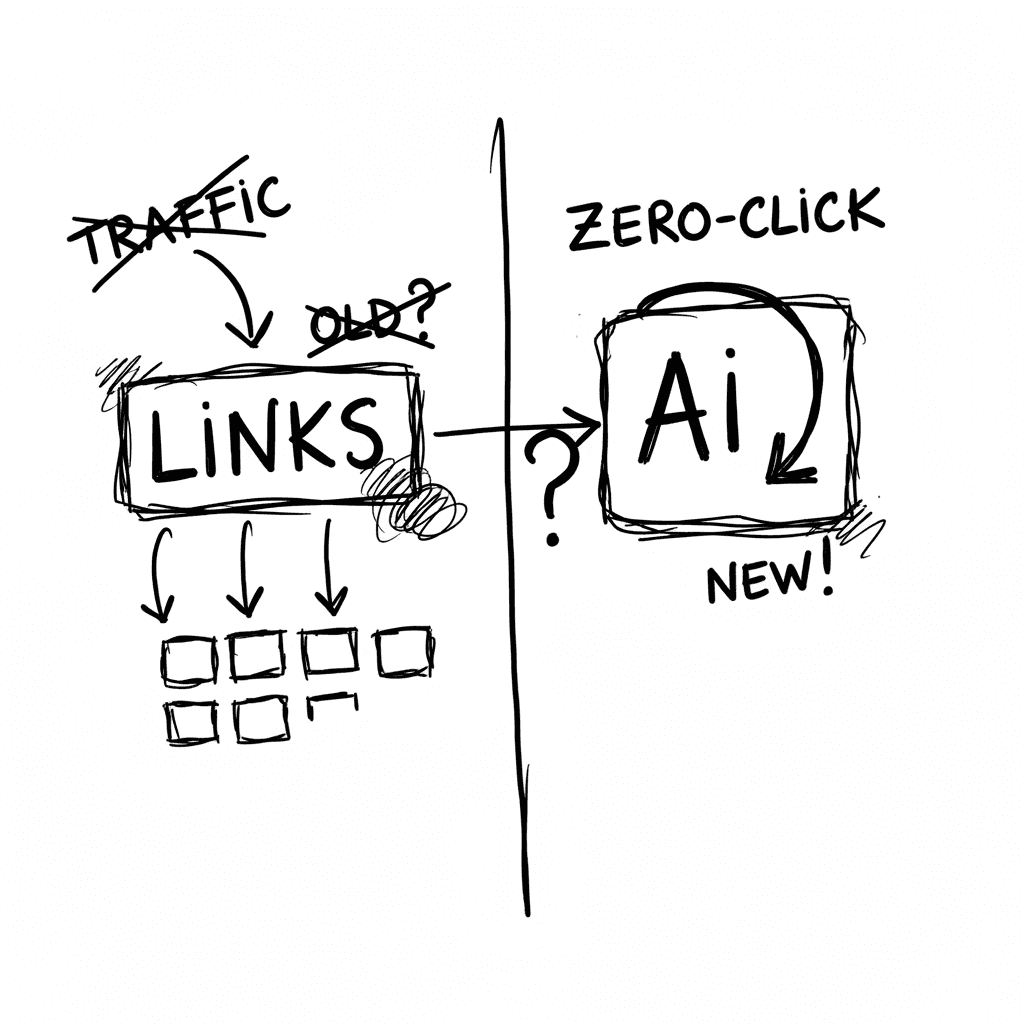
The Zero-Click Economy: Kagi Search vs. Google AI Mode
Google has effectively pivoted to an "answer engine" where Gemini 3.5 Flash provides conversational summaries, while Kagi remains the primary refuge for users seeking a human-centric, ad-free index. W
Stay Ahead of AI Adoption Trends
Get our latest reports and insights delivered to your inbox. No spam, just data.