
ARC-AGI-3: Evaluating Artificial Fluid Intelligence through Interactive Environments
The ARC Prize Foundation released ARC-AGI-3 yesterday, moving the benchmark for artificial general intelligence from static pattern matching to interactive rule discovery. It forces models to navigate

The Pitch
The ARC Prize Foundation released ARC-AGI-3 yesterday, moving the benchmark for artificial general intelligence from static pattern matching to interactive rule discovery. It forces models to navigate 1,000+ novel game environments where the underlying mechanics are not explained upfront (source: arcprize.org).
Under the Hood
The core of this update is the shift from the legacy ARC-1/2 static grids to a procedural execution model. Agents are dropped into 150+ hand-crafted environments and must perform actions to deduce the world logic. Performance is measured via Relative Human Action Efficiency (RHAE), a metric that compares the number of steps an AI takes to solve a puzzle against a human baseline (arXiv:submit/7403127).
Current frontier models are struggling significantly with this transition. Despite their high performance on previous benchmarks, GPT-5 and Claude 4.5 Opus are currently scoring below 1% on the initial March 2026 evaluations (source: Reddit r/accelerate). This indicates a failure to generalize logic in real-time, even though these models handle static reasoning tasks with relative ease.
We are currently seeing three major friction points in the technical community:
- Critics on Hacker News argue that the human baseline used for RHAE is derived from elite puzzle solvers, creating an artificially high bar for "average" intelligence.
- There are significant concerns regarding future data contamination once these interactive mechanics are ingested into training sets (HN thread).
- Skeptics like scaling01 on X claim the baseline is "cherry-picked" from the second-best first-run human performance to suppress AI scores.
Regarding specific hardware or model variations, we don't know yet how the mid-tier Claude 4 Sonnet performs, as current data only covers the flagship Opus 4.5 and GPT-5 models. Furthermore, the full private evaluation set used for the $850,000 prize pool remains restricted to the ARC Prize Foundation to prevent leaderboard gaming (Kaggle).
Marcus's Take
ARC-AGI-3 is a necessary reality check for the industry. While OpenAI and Anthropic marketing might suggest we are nearing AGI, a <1% score on a novel interactive puzzle proves that our current models are still largely sophisticated statistical mirrors rather than fluid reasoners.
It is a specialized research tool for benchmarking, not a utility for your production stack. If your Lead Dev is claiming GPT-5 can "reason" through novel architectural edge cases, run it through an ARC-AGI-3 environment and watch it crumble. Skip any integration plans until models can at least cross the 10% efficiency threshold without being natively trained on the puzzle mechanics.
Ship clean code,
Marcus.
Marcus Webb - Senior Backend Analyst at UsedBy.ai
Related Articles
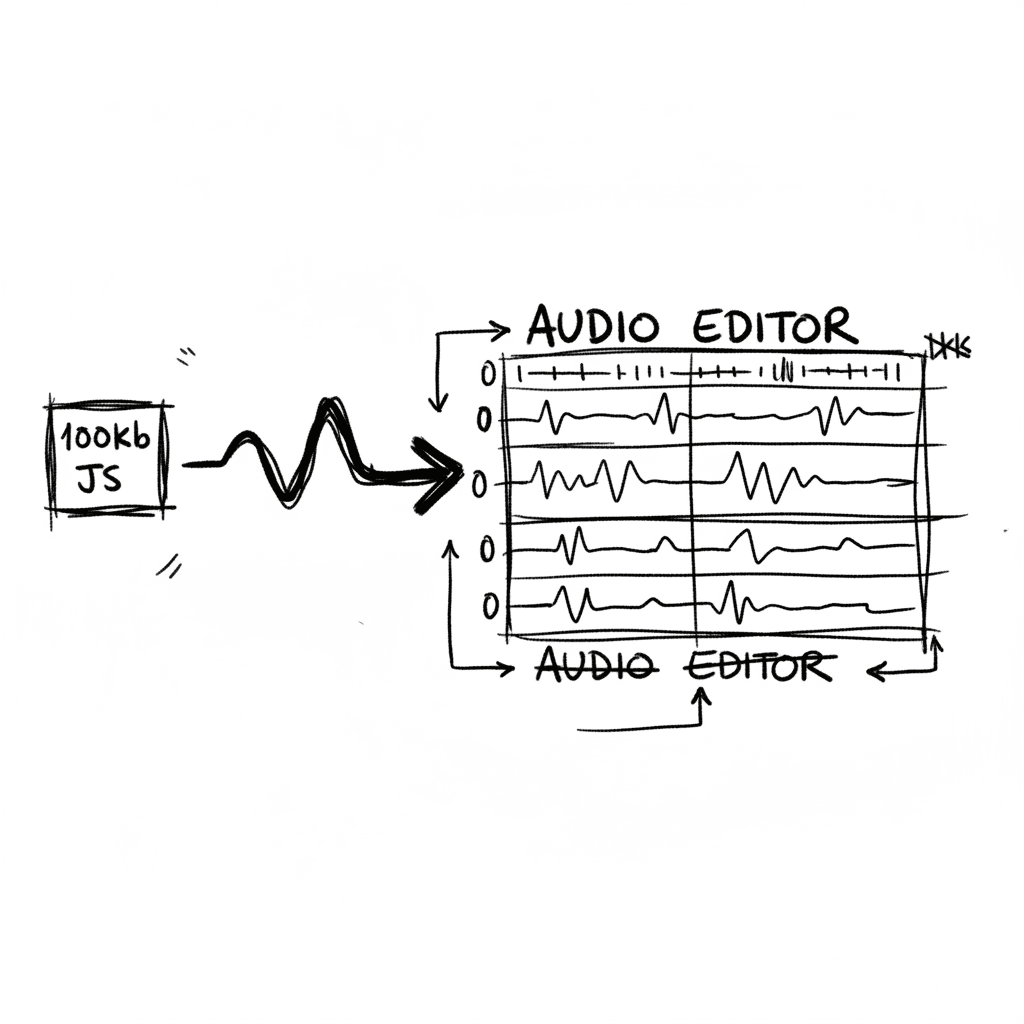
Audiomass: Multitrack Audio Editing via 100kb of Vanilla JavaScript
Audiomass is a browser-based, multitrack audio editor that operates entirely client-side with a remarkably small 100kb footprint (audiomass.co). It provides a workflow reminiscent of classic editors l
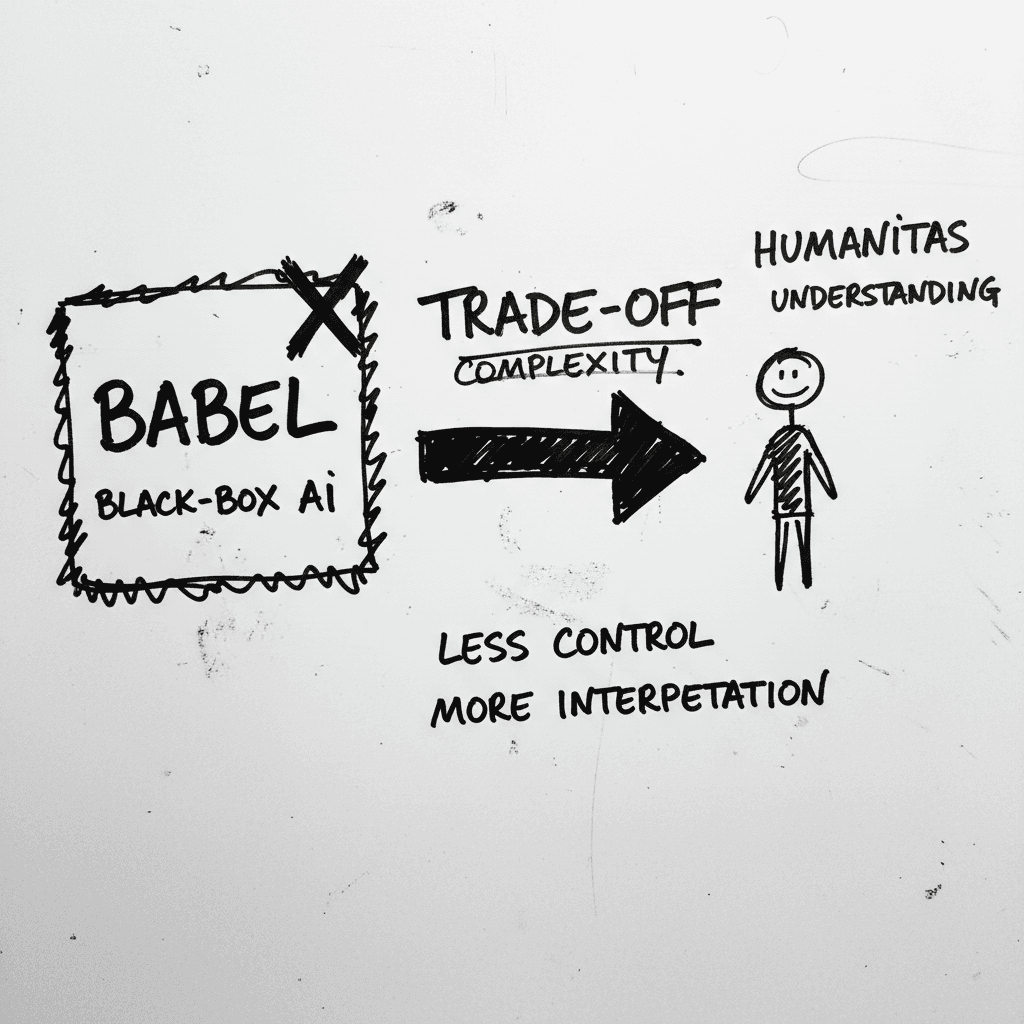
Magnifica Humanitas: The Vatican’s Framework for the GPT-5 Era
The document, signed May 15 and officially released today, was presented at the Vatican alongside Christopher Olah, co-founder of Anthropic and lead of its interpretability team (ncronline.org, Forbes
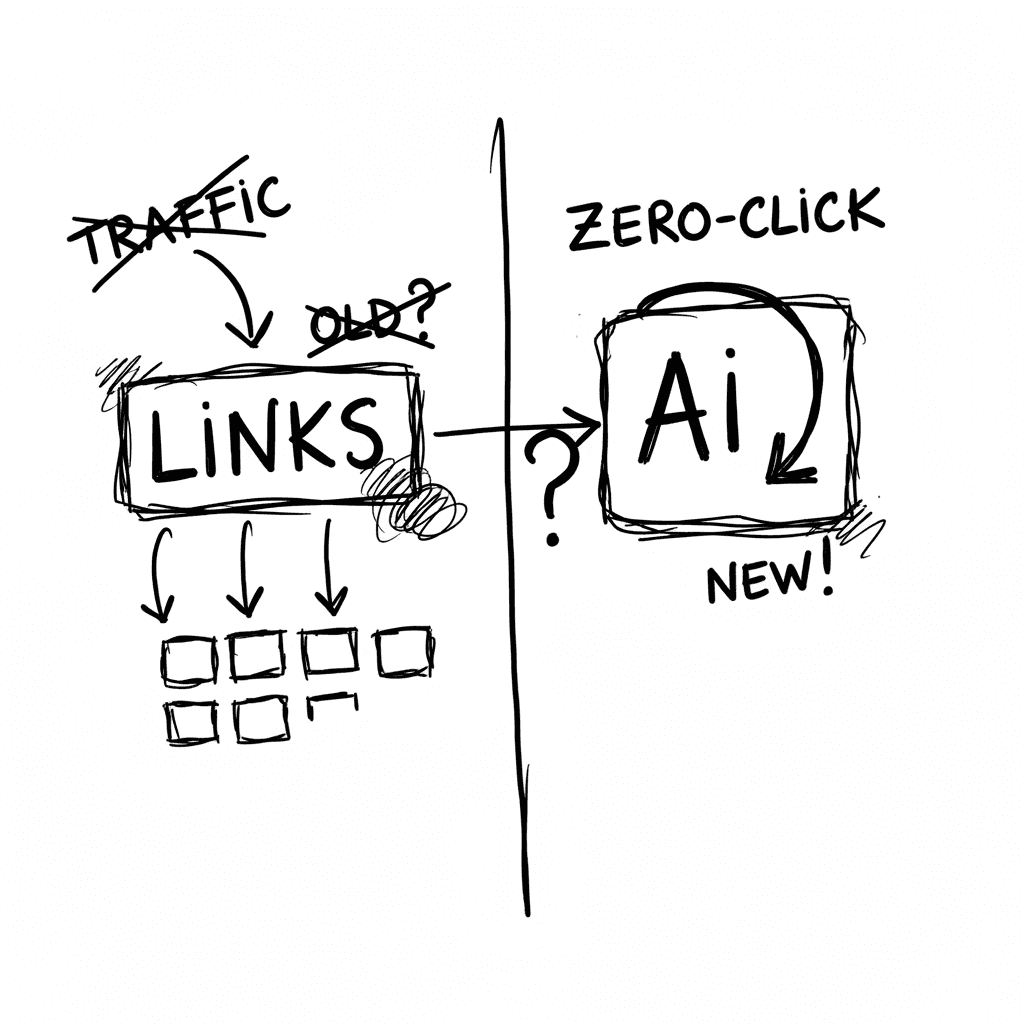
The Zero-Click Economy: Kagi Search vs. Google AI Mode
Google has effectively pivoted to an "answer engine" where Gemini 3.5 Flash provides conversational summaries, while Kagi remains the primary refuge for users seeking a human-centric, ad-free index. W
Stay Ahead of AI Adoption Trends
Get our latest reports and insights delivered to your inbox. No spam, just data.