
Audiomass: Multitrack Audio Editing via 100kb of Vanilla JavaScript
Audiomass is a browser-based, multitrack audio editor that operates entirely client-side with a remarkably small 100kb footprint (audiomass.co). It provides a workflow reminiscent of classic editors l

The Pitch
Audiomass is a browser-based, multitrack audio editor that operates entirely client-side with a remarkably small 100kb footprint (audiomass.co). It provides a workflow reminiscent of classic editors like Cool Edit Pro without requiring backend infrastructure, plugins, or account creation. The project is currently gaining traction on Hacker News due to its extreme performance and local-first architecture.
Under the Hood
As of early 2026, the tool has graduated to full multitrack support, utilizing a proprietary .amss session format for saving local progress (source: audiomass.co changelog). By leveraging the native Web Audio API, it handles .flac and .mp3 exports, zero-crossing selection, and automated beat detection directly within the browser (Source: Official Feature List).
The codebase, maintained by Pantelis Kalogiros under the AGPL-3.0 license, is intentionally "handcrafted" vanilla JavaScript (Source: GitHub pkalogiros/AudioMass). While this ensures raw execution speed, the author admits the code is deliberately "ugly" to maintain its minimal size (Source: Author's note on audiomass.co). This approach facilitates performance but creates a high barrier for third-party contributors in an era where AI-assisted development typically favors standardized frameworks.
Privacy is baked into the architecture because no data ever leaves the client machine (Source: audiomass.co 'About' page). However, this local-first philosophy is a double-edged sword. There is no built-in cloud synchronization or real-time collaboration, which remains a significant pain point for the 2026 musician community (Source: HN Thread).
We don't know yet how its raw JS engine performs in formal benchmarks against contemporary 2026 WASM-based editors. Furthermore, the long-term sustainability of the project is unclear, as it lacks a revenue model and remains entirely self-funded by its creator.
Marcus's Take
Audiomass is a rare example of minimalist engineering that proves we don't need a 50MB React bundle to manipulate waveforms. If you need a fast, private tool for quick edits or single-user podcast production, it's the superior choice over bloated SaaS alternatives. However, don't attempt to build a collaborative studio around it; the lack of sync and the "handcrafted" codebase make it a solitary utility, not a platform. Use it for its utility, but don't expect it to anchor a professional team's infrastructure.
Ship clean code,
Marcus.
Marcus Webb - Senior Backend Analyst at UsedBy.ai
Related Articles
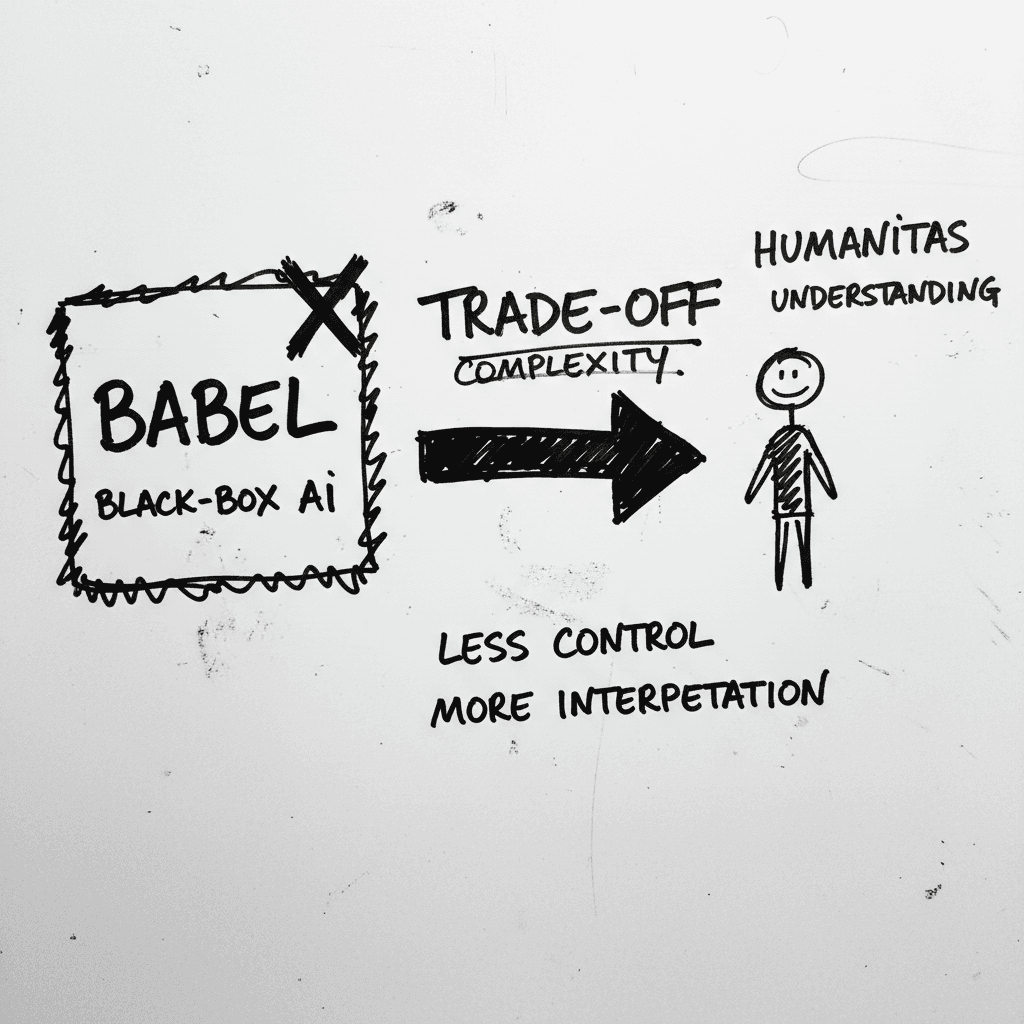
Magnifica Humanitas: The Vatican’s Framework for the GPT-5 Era
The document, signed May 15 and officially released today, was presented at the Vatican alongside Christopher Olah, co-founder of Anthropic and lead of its interpretability team (ncronline.org, Forbes
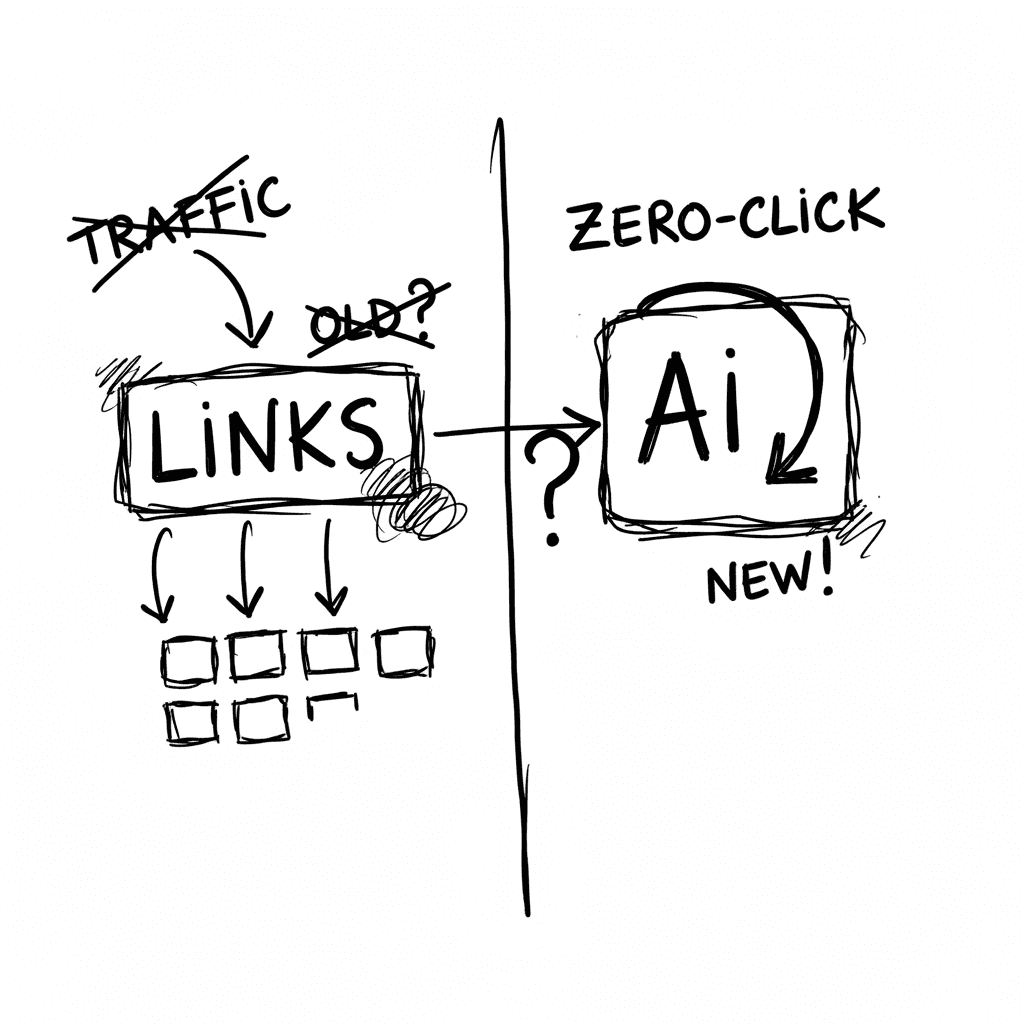
The Zero-Click Economy: Kagi Search vs. Google AI Mode
Google has effectively pivoted to an "answer engine" where Gemini 3.5 Flash provides conversational summaries, while Kagi remains the primary refuge for users seeking a human-centric, ad-free index. W
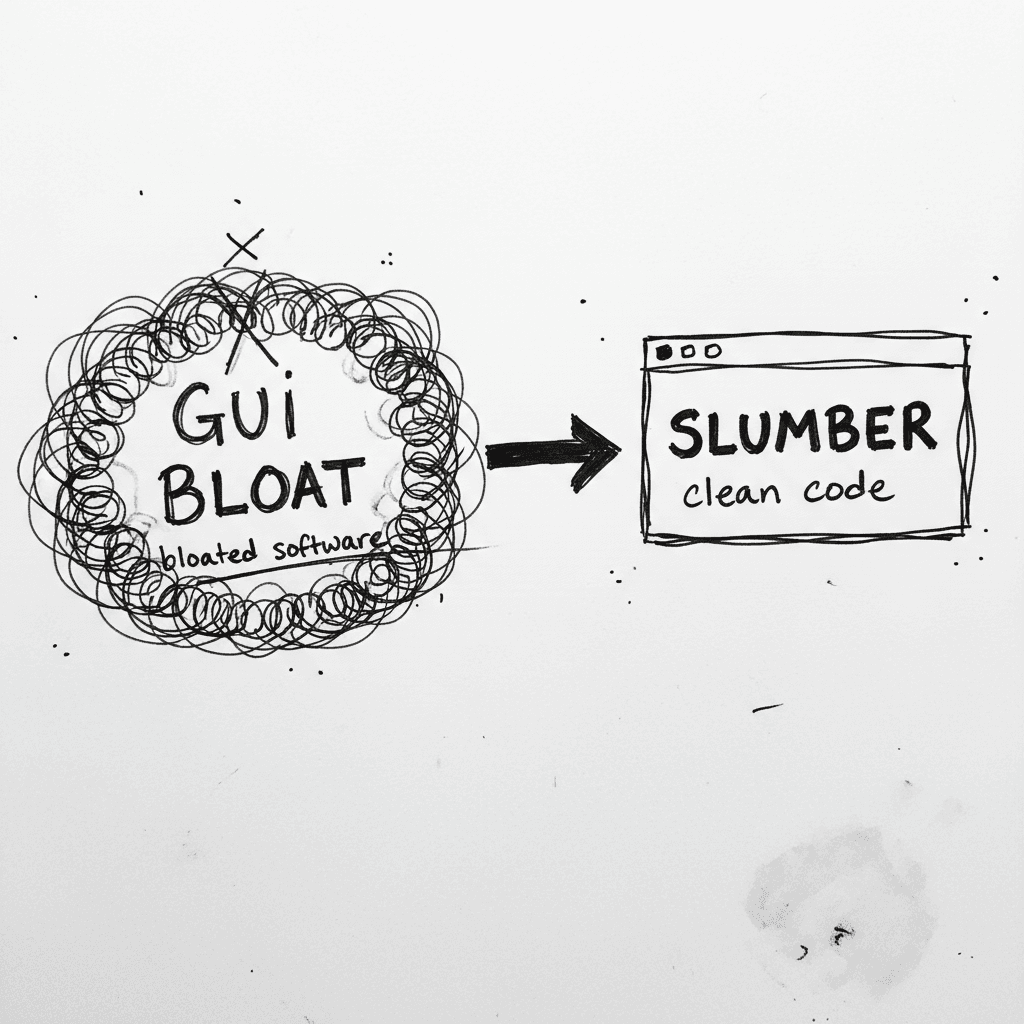
Slumber: A Rust-Based Terminal Alternative to Postman
Slumber utilizes the Ratatui framework and a local SQLite backend to provide a configuration-first HTTP client that resides entirely in the terminal (GitHub: LucasPickering/slumber). It targets senior
Stay Ahead of AI Adoption Trends
Get our latest reports and insights delivered to your inbox. No spam, just data.