
ChatGPT Web Integrity Layer: Verifying React State for GPU Access
OpenAI has implemented a sophisticated application-layer bot detection system designed to preserve GPU resources for legitimate human users. By moving beyond standard browser fingerprinting, the syste

The Pitch
OpenAI has implemented a sophisticated application-layer bot detection system designed to preserve GPU resources for legitimate human users. By moving beyond standard browser fingerprinting, the system now validates the internal state of the ChatGPT web interface before allowing interaction. This prevents headless scrapers from abusing the free and logged-out access tiers (UsedBy Dossier).
Under the Hood
The core of this security update lies in the Cloudflare Turnstile implementation, which now inspects 55 distinct properties across the browser environment (Source: Buchodi.com investigation, March 29, 2026). Unlike traditional checks that stop at the user-agent or GPU driver, this layer waits for the React Single Page Application (SPA) to fully hydrate.
Once hydrated, the script reads internal React state variables such as __reactRouterContext and loaderData to confirm the UI is behaving like a standard human-operated session (Source: Buchodi.com). This is a calculated move leveraging the industry-standard frontend stack; currently, our database tracks 1523 companies using this framework, including Meta and Netflix See React profile.
Technical analysis of the Turnstile bytecode reveals a server-generated XOR key embedded directly in the instructions (Source: Buchodi.com decryption analysis). This technique effectively blocks static analysis, forcing any potential scraper to execute a full, heavy browser environment. OpenAI Integrity Team member "Nick" confirmed on Hacker News that these signals are primary drivers for GPU resource allocation (Source: HN Thread, March 30, 2026).
However, the implementation introduces significant technical debt and user friction:
- Users cannot interact with the input field until the full React state is validated, leading to a "dead" UI for several seconds.
- Privacy-hardened browsers and non-Chromium clients, specifically Firefox, are seeing a spike in false positives (Source: HN Comment).
- We don't know yet how OpenAI distinguishes between a legitimate slow-loading React app on legacy hardware and a throttled headless bot.
- It is currently unclear if Cloudflare retains the specific React state data or merely the pass/fail binary (UsedBy Dossier).
Marcus's Take
OpenAI is effectively turning the React virtual DOM into a biometric scanner for your browser. It is a pragmatic, if slightly desperate, solution to the massive inference costs of keeping free access viable, but it creates a fragile dependency on React’s internal structures. Relying on "vibe coding" the security layer around undocumented framework internals is a bold choice that will likely break the moment the frontend team pushes a major refactor. If you are building high-traffic SPAs, watch this closely, but do not mimic it unless you enjoy debugging why your entire user base in Berlin suddenly looks like a botnet.
Ship clean code,
Marcus.
Marcus Webb - Senior Backend Analyst at UsedBy.ai
Related Articles
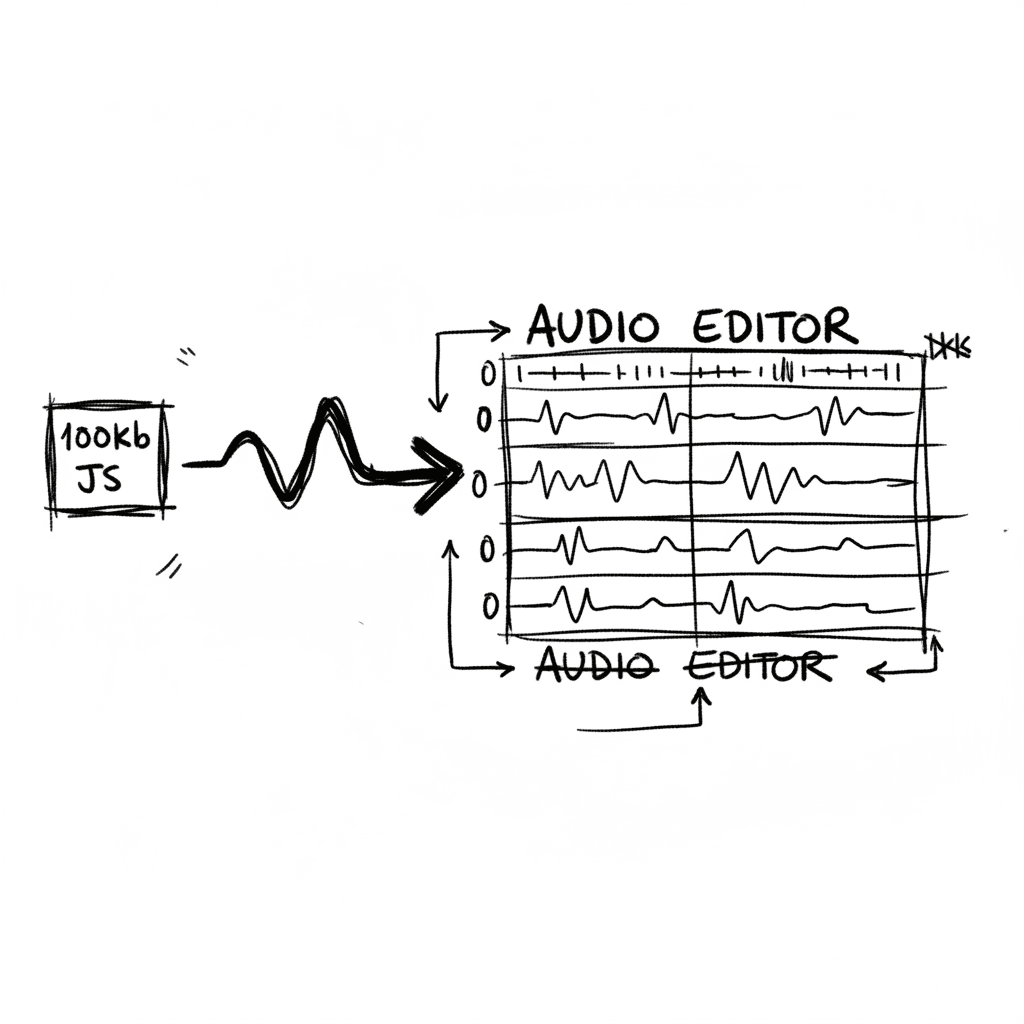
Audiomass: Multitrack Audio Editing via 100kb of Vanilla JavaScript
Audiomass is a browser-based, multitrack audio editor that operates entirely client-side with a remarkably small 100kb footprint (audiomass.co). It provides a workflow reminiscent of classic editors l
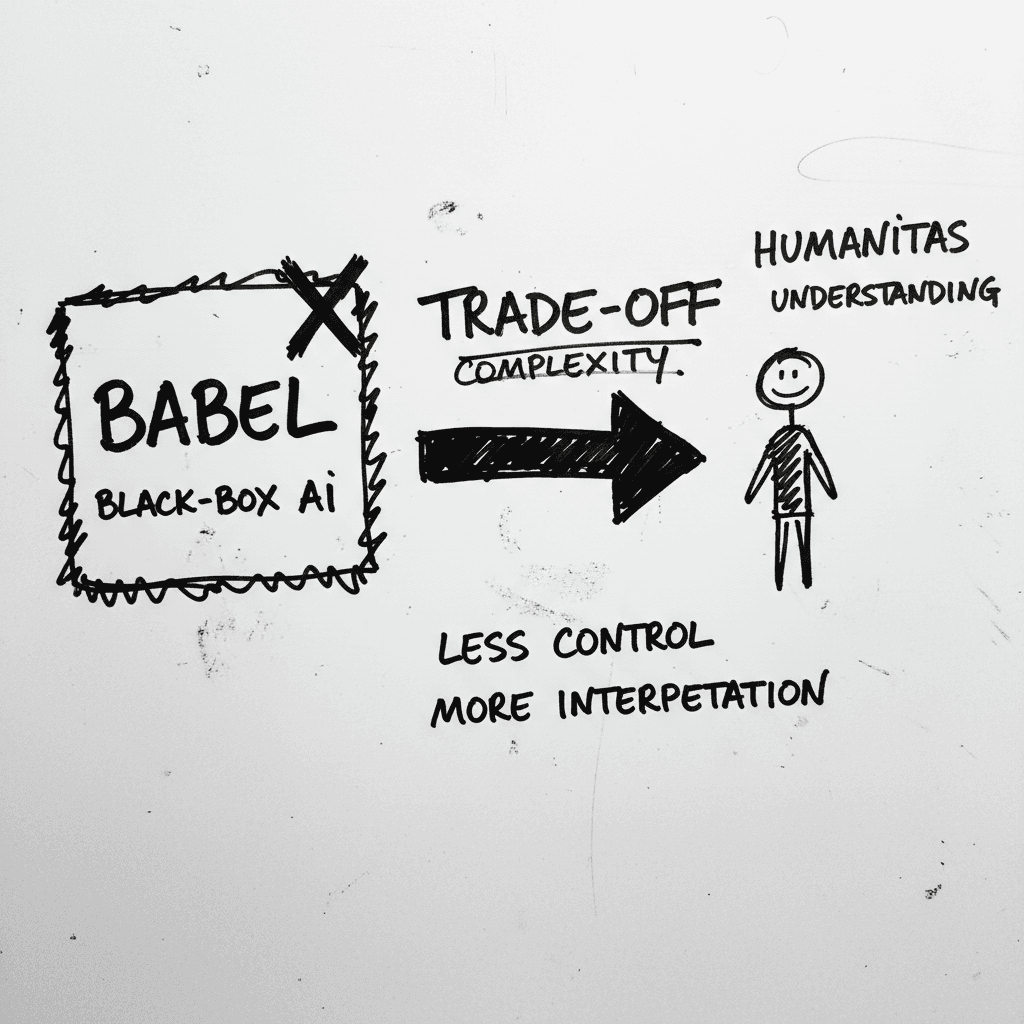
Magnifica Humanitas: The Vatican’s Framework for the GPT-5 Era
The document, signed May 15 and officially released today, was presented at the Vatican alongside Christopher Olah, co-founder of Anthropic and lead of its interpretability team (ncronline.org, Forbes
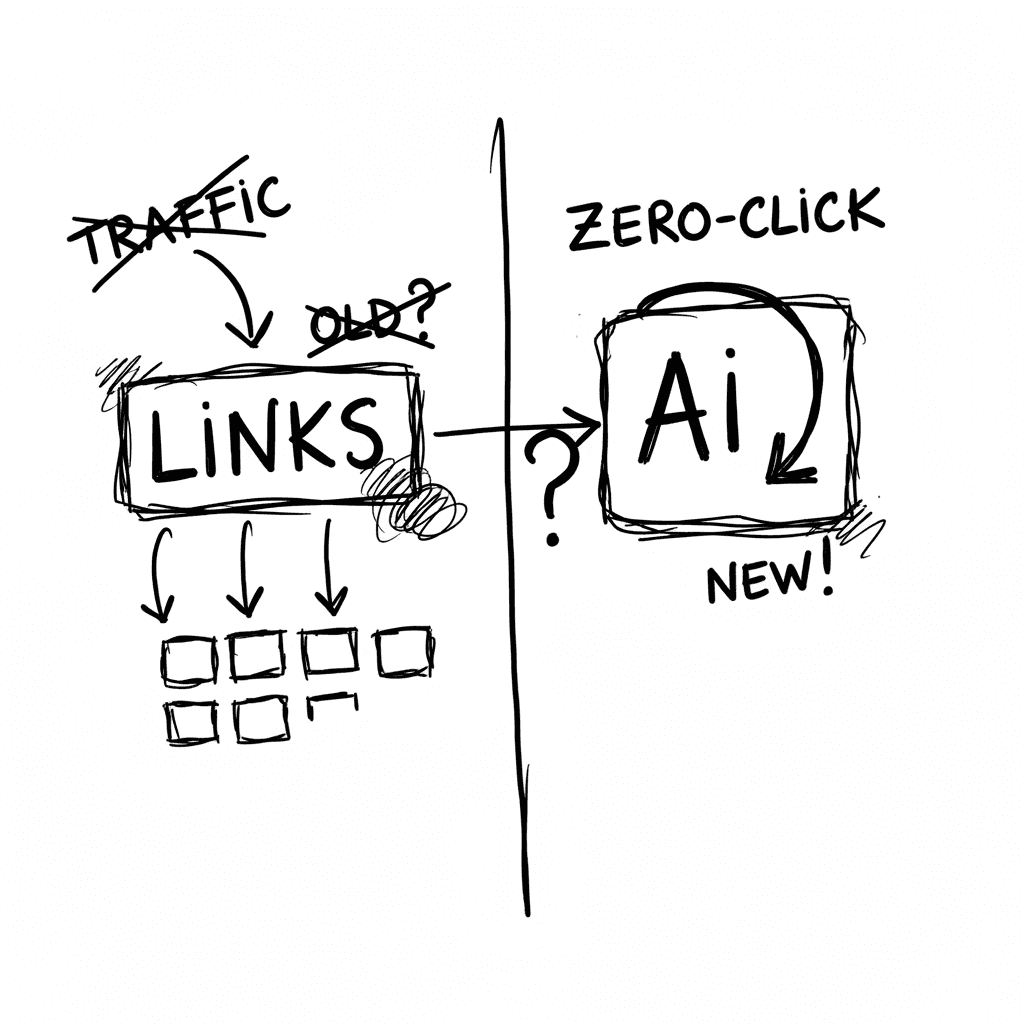
The Zero-Click Economy: Kagi Search vs. Google AI Mode
Google has effectively pivoted to an "answer engine" where Gemini 3.5 Flash provides conversational summaries, while Kagi remains the primary refuge for users seeking a human-centric, ad-free index. W
Stay Ahead of AI Adoption Trends
Get our latest reports and insights delivered to your inbox. No spam, just data.