
Chrome Prompt API and the Vendor Lock-in of On-Device Inference
Google is pushing its Prompt API into Origin Trial for Chrome users on Gemini 2.5 and 3.1 architectures (Blink Intent to Ship, April 2026). The API allows developers to execute LLM tasks like summariz

The Pitch
Google is pushing its Prompt API into Origin Trial for Chrome users on Gemini 2.5 and 3.1 architectures (Blink Intent to Ship, April 2026). The API allows developers to execute LLM tasks like summarization and classification directly on the user's hardware, promising reduced latency and zero server overhead (GitHub). While the premise of "free" inference is tempting, the implementation forces a rigid dependency on Google’s specific model weights and content policies.
Under the Hood
The technical friction lies in what Mozilla calls "model calcification," a state where web applications are tuned specifically for the idiosyncrasies of Gemini Nano (Mozilla standards-positions #1213). Because system prompts are highly model-specific, a prompt optimized for Gemini won't yield predictable results on a potential Firefox implementation running Llama or Claude 4 Sonnet (GitHub #1213). This effectively revives the "Best viewed in Chrome" era under the guise of AI innovation.
Access to the API requires developers to acknowledge Google’s "Generative AI Prohibited Uses Policy," which restricts content generation even for local, on-device processing (Google Dev Policy 2026). This sets a precedent where a browser vendor acts as a global arbiter of local machine output, bypassing user autonomy. Furthermore, the W3C has flagged the WebML API for adding high-entropy vectors to user fingerprinting by exposing specialized NPU hardware parameters (W3C Privacy Review 2026).
We don't know yet whether the safety filters are enforced via a secondary guardrail model or a simpler regex-based implementation. Additionally, Apple’s official stance remains elusive, with the relevant WebKit issue showing no substantive progress beyond community tracking (WebKit #495). The minimum hardware requirements for the upcoming "Nano Banana 2" model also remain unspecified, leaving the baseline for 2026 "AI-ready" browsers unclear.
Marcus's Take
The Prompt API is less of a standard and more of a strategic moat designed to make Gemini the default runtime for the web. By the time a developer finishes fine-tuning prompts to navigate Google's specific "censorship layer," they have effectively locked their frontend into a single vendor's ecosystem. Using this in production today is a gamble on Google's benevolence that historical evidence suggests you will lose. Skip it for anything beyond throwaway prototypes.
Ship clean code,
Marcus.
Marcus Webb - Senior Backend Analyst at UsedBy.ai
Related Articles
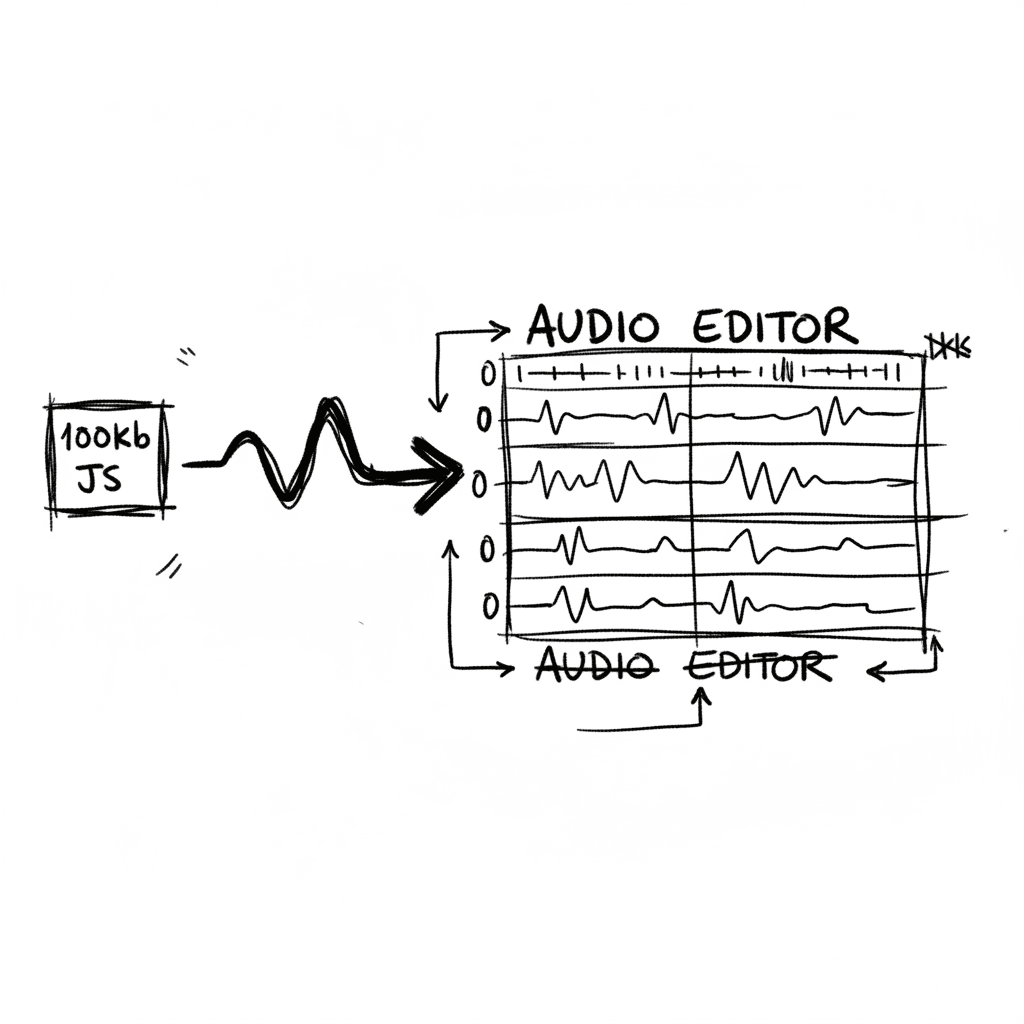
Audiomass: Multitrack Audio Editing via 100kb of Vanilla JavaScript
Audiomass is a browser-based, multitrack audio editor that operates entirely client-side with a remarkably small 100kb footprint (audiomass.co). It provides a workflow reminiscent of classic editors l
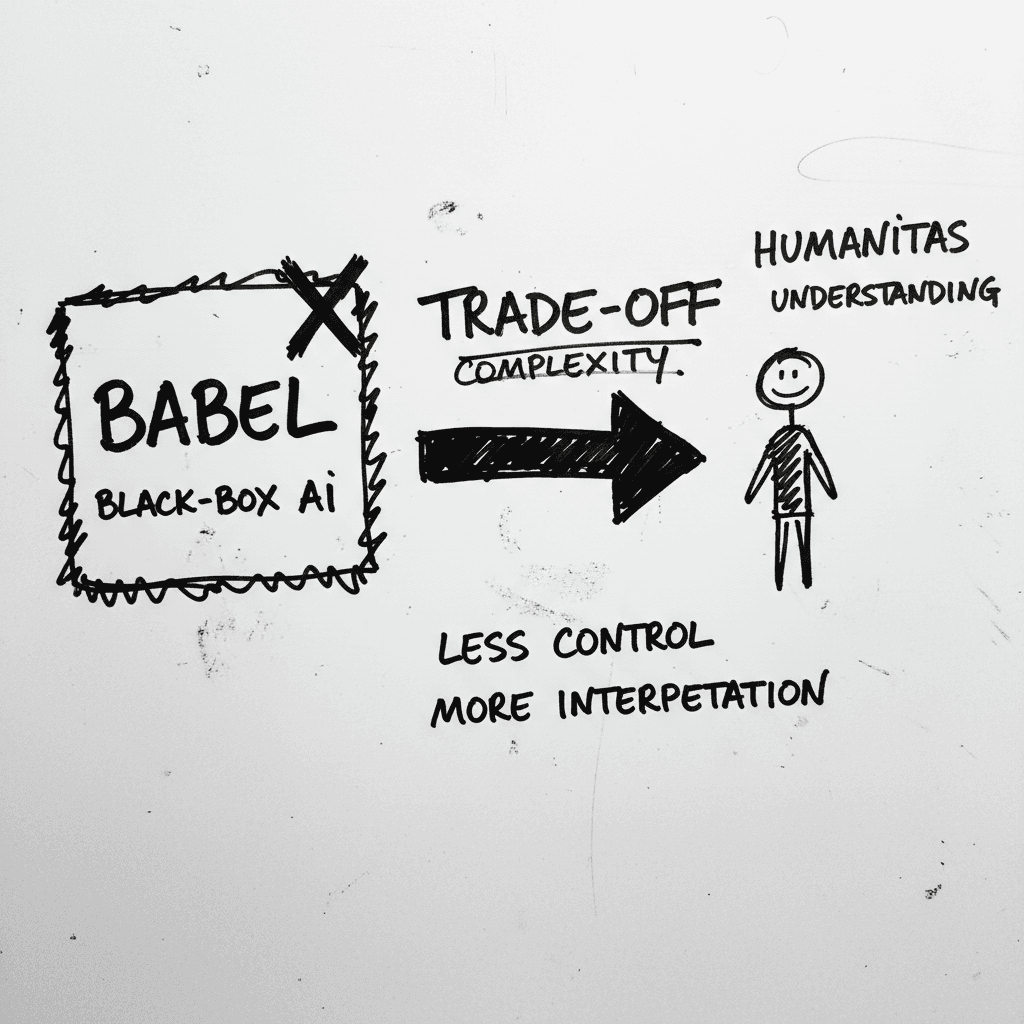
Magnifica Humanitas: The Vatican’s Framework for the GPT-5 Era
The document, signed May 15 and officially released today, was presented at the Vatican alongside Christopher Olah, co-founder of Anthropic and lead of its interpretability team (ncronline.org, Forbes
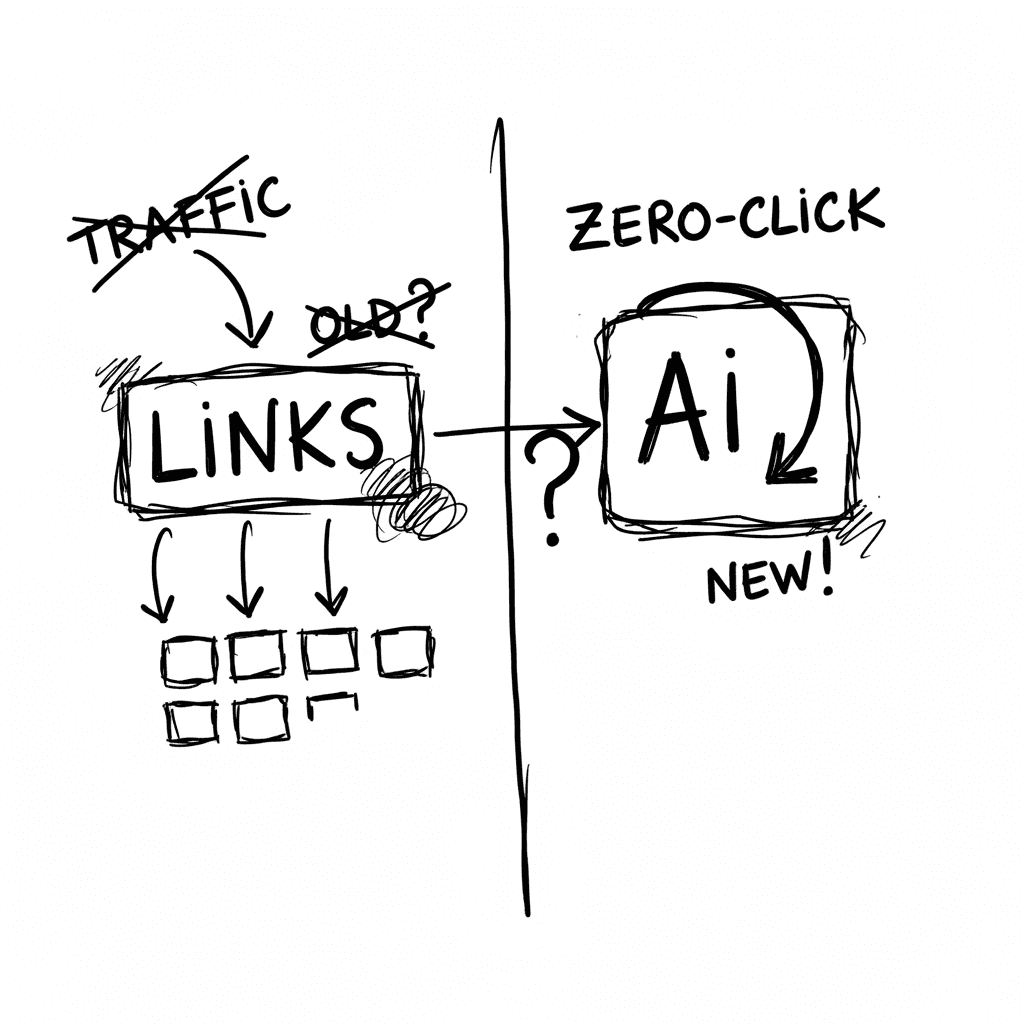
The Zero-Click Economy: Kagi Search vs. Google AI Mode
Google has effectively pivoted to an "answer engine" where Gemini 3.5 Flash provides conversational summaries, while Kagi remains the primary refuge for users seeking a human-centric, ad-free index. W
Stay Ahead of AI Adoption Trends
Get our latest reports and insights delivered to your inbox. No spam, just data.