
Claude 4.5 Opus and the Personal Encyclopedia Security Risks
Jeremy (whoami.wiki) has utilised Claude 4.5 Opus and the Claude Code CLI to synthesise fragmented personal data into a structured MediaWiki instance. By cross-referencing Uber logs, bank statements,

The Pitch
Jeremy (whoami.wiki) has utilised Claude 4.5 Opus and the Claude Code CLI to synthesise fragmented personal data into a structured MediaWiki instance. By cross-referencing Uber logs, bank statements, and Shazam history, the project reconstructed a detailed narrative of a Mexico City trip (Source: Tech Times, March 26, 2026). It demonstrates the high-end reasoning capabilities of the current Claude 4 series.
Under the Hood
Claude 4.5 Opus currently holds the benchmark lead for long-context reasoning as of February 2026 (Source: Anthropic Transparency Hub). This enables the model to ingest thousands of lines of raw CSV and GPS data to identify patterns that previous generations missed. Many large-scale organisations, including Notion, DuckDuckGo, and Quora, now integrate these models into their core workflows. See Claude profile
However, the security implications of this "Personal Encyclopedia" are significant. Claude Code, the agentic tool used to manage the project, is subject to CVE-2026-21852. This vulnerability allows for remote code execution through manipulated settings files (Source: Dark Reading). Furthermore, OWASP 2026 has documented "HITL Dialog Forging," where users habitually approve agentic prompts without verifying the underlying commands.
Privacy remains a primary concern for backend architects. Since late 2025, Anthropic's policy dictates that consumer data from Pro and Max tiers is used for training by default unless users manually opt out (Source: char.com, March 2026). Feeding raw financial transactions and location history into a proprietary cloud model creates a permanent, searchable record of a user's private life.
Several technical details remain opaque. We do not know the specific system prompts required to maintain consistency across the MediaWiki architecture (UsedBy Dossier). More importantly, there is no public verification that Anthropic effectively purges these large-scale personal data uploads after the standard 30-day retention period for non-training accounts.
Marcus's Take
This project is a sophisticated way to gift-wrap your digital soul for a future data breach. While the reasoning density of Claude 4.5 Opus is technically superior for indexing messy logs, the combination of CVE-2026-21852 and Anthropic's "opt-out" training policy makes this a non-starter for production or personal use. If you value your operational security, keep your bank statements and GPS coordinates out of the cloud and stick to local-first analysis.
Ship clean code,
Marcus.
Marcus Webb - Senior Backend Analyst at UsedBy.ai
Related Articles
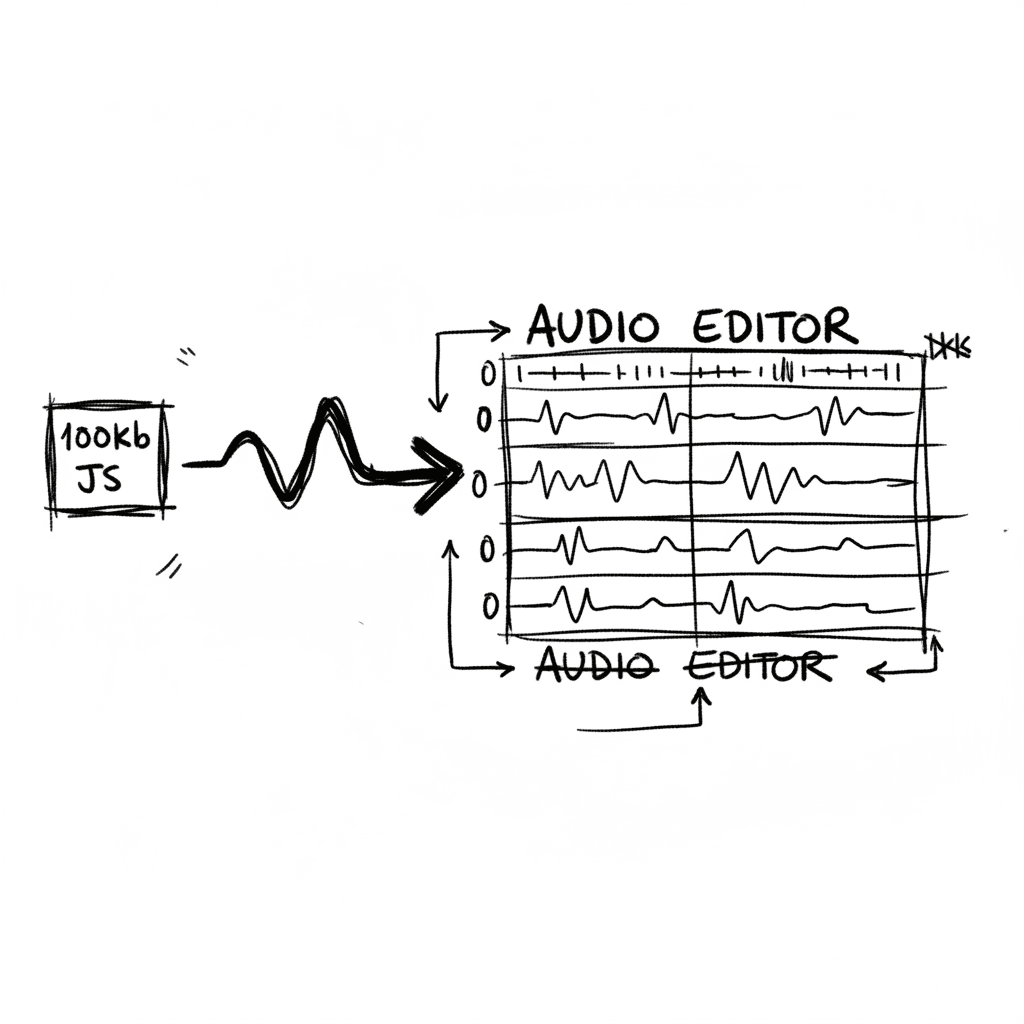
Audiomass: Multitrack Audio Editing via 100kb of Vanilla JavaScript
Audiomass is a browser-based, multitrack audio editor that operates entirely client-side with a remarkably small 100kb footprint (audiomass.co). It provides a workflow reminiscent of classic editors l
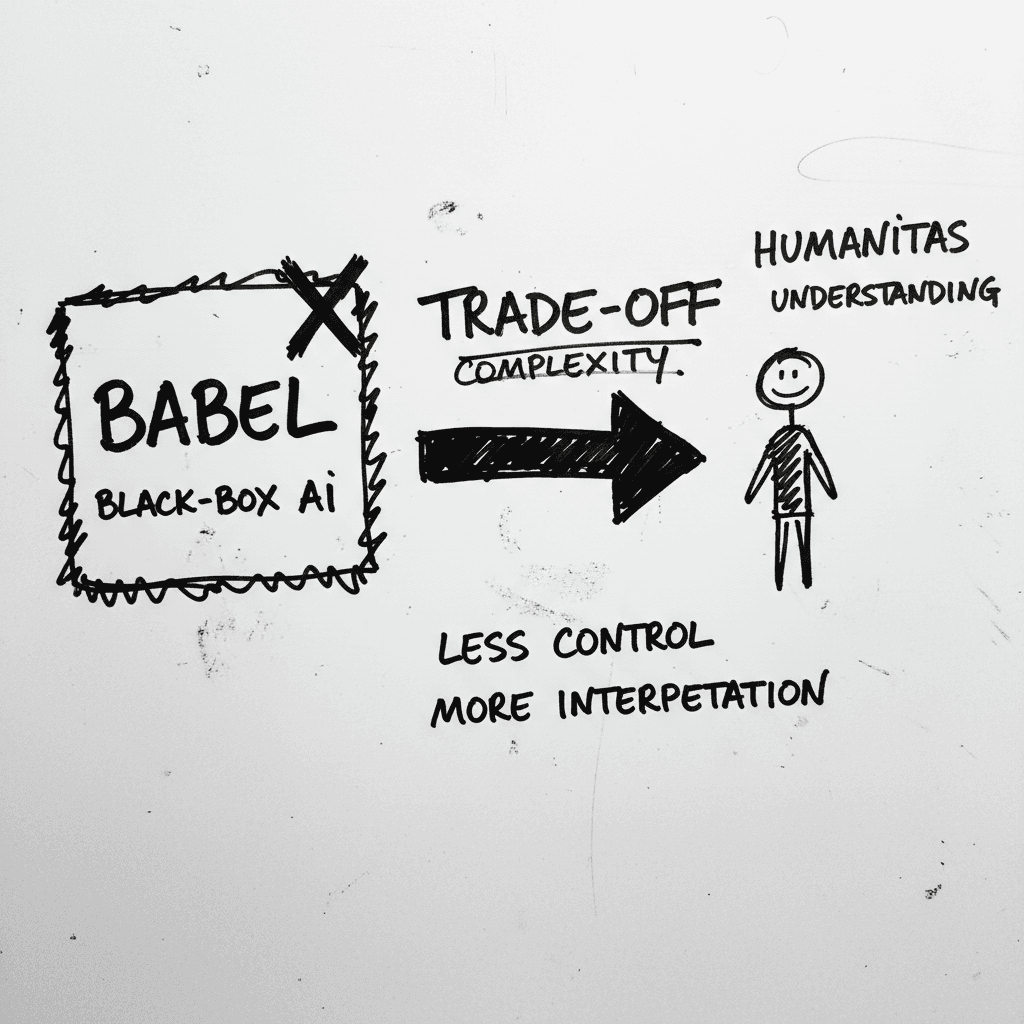
Magnifica Humanitas: The Vatican’s Framework for the GPT-5 Era
The document, signed May 15 and officially released today, was presented at the Vatican alongside Christopher Olah, co-founder of Anthropic and lead of its interpretability team (ncronline.org, Forbes
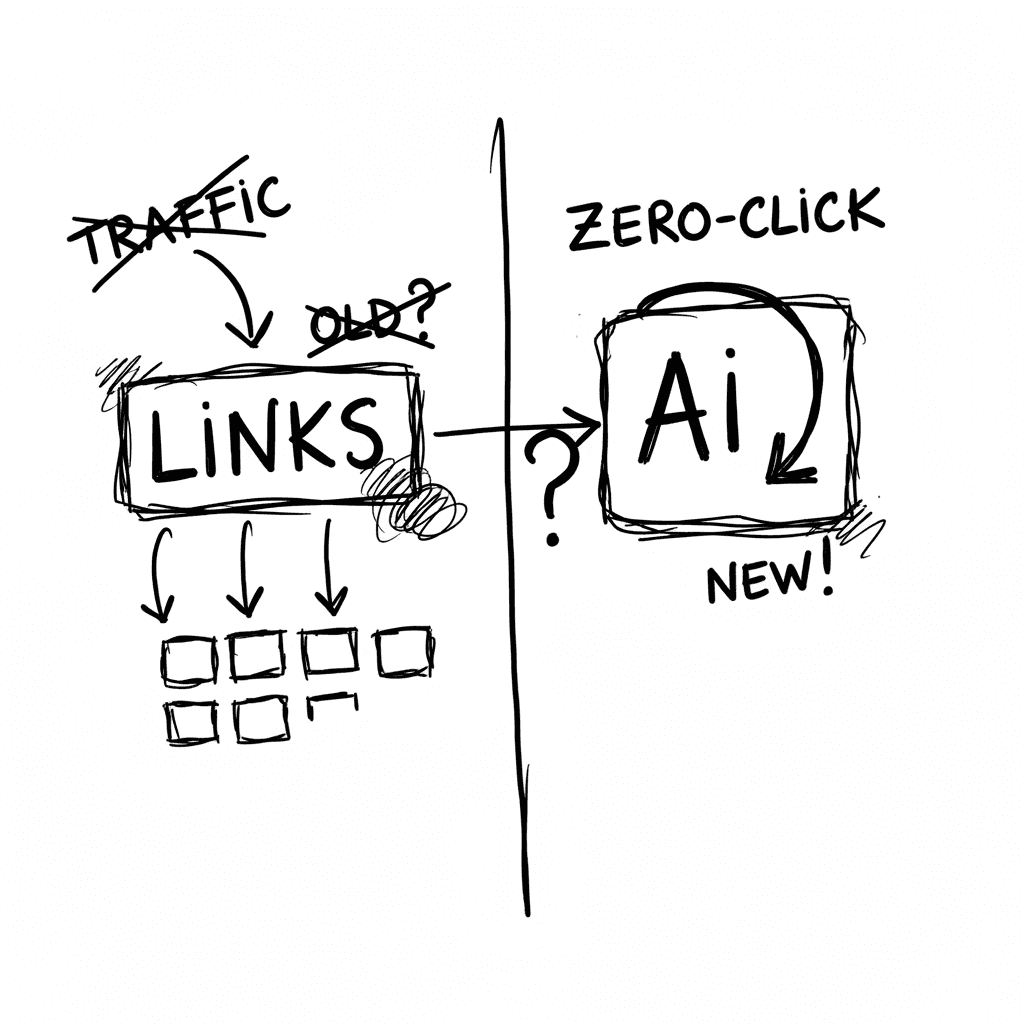
The Zero-Click Economy: Kagi Search vs. Google AI Mode
Google has effectively pivoted to an "answer engine" where Gemini 3.5 Flash provides conversational summaries, while Kagi remains the primary refuge for users seeking a human-centric, ad-free index. W
Stay Ahead of AI Adoption Trends
Get our latest reports and insights delivered to your inbox. No spam, just data.