
Dynamic 256-Color Palette Derivation in Terminal Emulators
The proposal suggests that terminal emulators should dynamically derive the extended 256-color palette from a user's primary 16-color theme. This aims to eliminate the "muted violet" problem where har

The Pitch
The proposal suggests that terminal emulators should dynamically derive the extended 256-color palette from a user's primary 16-color theme. This aims to eliminate the "muted violet" problem where hardcoded TUI colors clash with custom terminal aesthetics (source: Gist jake-stewart).
Under the Hood
The 256-color palette is a rigid xterm standard divided into 16 ANSI colors, a 6x6x6 color cube (indices 16-231), and 24 grayscale levels (source: Stack Exchange Technical Analysis). While the base 16 colors are easily themed, the remaining 240 indices have traditionally remained fixed to ensure predictable rendering across different environments.
Modifying these indices to match a specific 16-color theme risks breaking syntax highlighting in legacy TUI applications that expect specific RGB values for those indices (UsedBy Dossier). If the generated palette shift is too aggressive, certain text combinations will become unreadable.
In 2026, modern terminals like WezTerm and Ghostty provide the infrastructure for extensive Lua-based color overrides (source: WezTerm Docs 2025). However, these still default to the xterm-256 standard to maintain compatibility with older tools that haven't migrated to 24-bit True Color.
Technical limitations remain regarding standardization:
- There is no industry-wide mathematical formula for correctly deriving a 216-color cube from 16 base colors (UsedBy Dossier).
- We don't know yet if major emulators like Alacritty or Kitty will implement this as a non-optional default.
- Modern developers increasingly bypass the indexed color debate entirely by using 24-bit True Color via OSC 8/52 (UsedBy Dossier).
- The "Tinted Theming" project (Base24) currently acts as the 2026 standard for managing these palettes via the 'tinty' tool (source: GitHub tinted-theming/tinty).
Marcus's Take
This proposal is an aesthetic solution to a legacy problem that 24-bit True Color has already rendered obsolete for modern workflows. While it might appeal to developers who spend more time riceing their dotfiles than shipping code, altering the 256-color indices in a production environment is asking for broken syntax highlighting. If you need thematic consistency, use Tinted Theming or move your stack to True Color. Skip this proposal for any serious backend work; predictable output is always more valuable than a perfectly matched shade of violet.
Ship clean code,
Marcus.
Marcus Webb - Senior Backend Analyst at UsedBy.ai
Related Articles
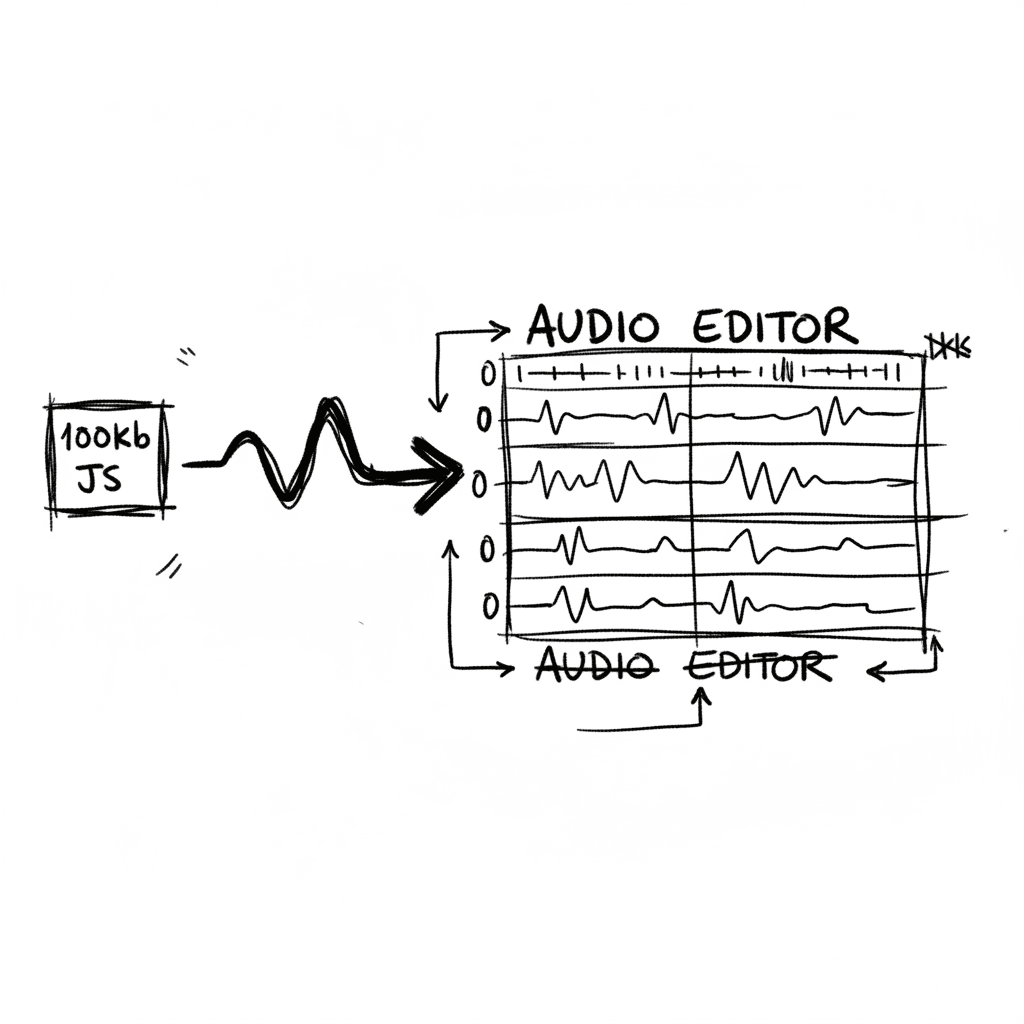
Audiomass: Multitrack Audio Editing via 100kb of Vanilla JavaScript
Audiomass is a browser-based, multitrack audio editor that operates entirely client-side with a remarkably small 100kb footprint (audiomass.co). It provides a workflow reminiscent of classic editors l
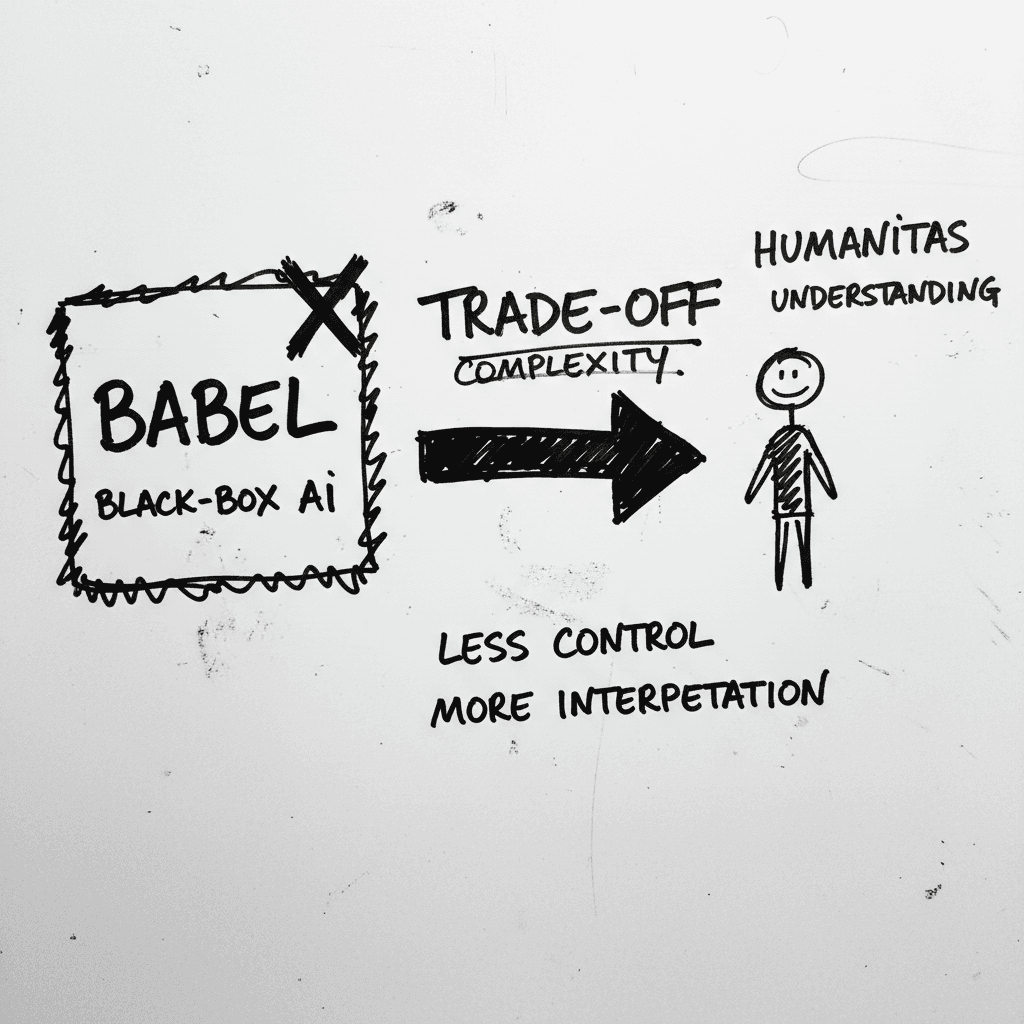
Magnifica Humanitas: The Vatican’s Framework for the GPT-5 Era
The document, signed May 15 and officially released today, was presented at the Vatican alongside Christopher Olah, co-founder of Anthropic and lead of its interpretability team (ncronline.org, Forbes

The Zero-Click Economy: Kagi Search vs. Google AI Mode
Google has effectively pivoted to an "answer engine" where Gemini 3.5 Flash provides conversational summaries, while Kagi remains the primary refuge for users seeking a human-centric, ad-free index. W
Stay Ahead of AI Adoption Trends
Get our latest reports and insights delivered to your inbox. No spam, just data.